Author: Jared Wolf

I am a marketer, content creator, and climate change optimist committed to demystifying sustainability. I have published over 150 articles spanning climate and sustainability, dedicating his time to crafting scientifically-accurate, apolitical content around sensitive climate topics.My content is designed to create a healthier, happier climate conversation through earth-conscious, honest independent media.
  1. Lifestyle
Busy? Try the speed read.

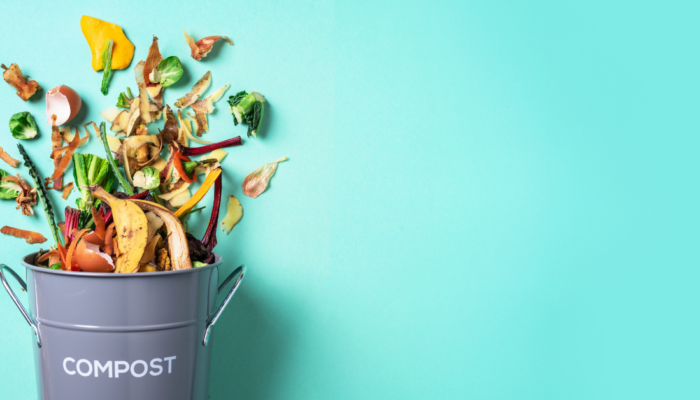
The scoop: A compost pile is an eco-friendly, efficient way to maximize your garden’s potential. And it’s super easy to set-up and maintain.

Step 1: Pick a location, choose how to store it. Choosing a spot for your compost depends on where you live. If you end up putting it in a bin, poke some holes and cut out the bottom.

Step 2: Collect, collect, and collect more waste. Make it a habit to add organic materials to your compost. See below for a full list of compostable (and non-compostable) items.

Step 3: Wait, use, and maintain. After a few months, you will be dripping in black gold! Once your compost is set up, keep adding more materials to maintain it.

Dig deeper ➝ 3 min

  1. Lifestyle

Cue the Billy Joel music... I'm movin' out. The limits of urban confinement are undeniable. The Suez Canal crisis is the latest excuse to leave big cities and invest in flyover country.

I've spent the past year exposing unsustainable lifestyles in major US cities. Urban efficiency in energy and transportation is now overshadowed by the literal garbage required to live in unnatural environments. Fewer people are commuting to cities. Can't make that argument anymore.

Plus, sustainable energy, agriculture, and transportation are more affordable than ever.

Dig deeper → 2 min

  1. Business
Busy? Try the speed read.

The scoop: NFTs went mainstream. Now more people are starting to realize Ethereum has a sustainable energy problem. There is a solution.

Not all blockchains are the same: Bitcoin uses about 1% of the world’s electricity. Ethereum is the second largest coin and runs on a similar model as Bitcoin. Neither are energy efficient.

Still, blockchain technology as a whole operates under many different consensus algorithms. Bitcoin and Ethereum’s proof-of-work model is just one version.

Sustainable proposals: Convert mining facilities to use more renewable forms of energy. That’s a good place to start.

More effectively, big coins like Bitcoin and Ethereum can operate using a proof-of-stake model to be more sustainable. This would allow fewer nodes (computers) to validate transactions on the public ledger and increase the energy efficiency of their blockchains.

Finally, emerging coins should look to more efficient consensus algos like Ripple as a model for sustainable crypto. That would propel the industry forward.

Bottom line: Progress is happening. There are existing solutions. The blockchain industry just needs a little nudge to do better.

Dig deeper → 3 min

  1. Lifestyle

Busy? Try the speed read.

Here's how to transform yourself into a minimalist:

  1. Track your purchases and categorize them. I break my purchases into "needs" (basic modern survival stuff), "boosts" (productive buys), and "luxuries" (extra things that make life more enjoyable).
  2. Think before you buy, think after. Why am I about to make this purchase? Now imagine making the purchase, how would you feel after one week, one month, one year?
  3. Take responsibility for a product's end-of-life. The trash can or recycling bin should be the last option. Can you share it, borrow it, sell it, repurpose it, thrift it, make it?

Bottom line: 'Less is more' stands the test of time; when you practice minimalism in an intentional way, everyone benefits. If you do shop, always keep ethics and savings in mind.

Dig deeper → 4 min


  1. Business
Busy? Try the speed read.

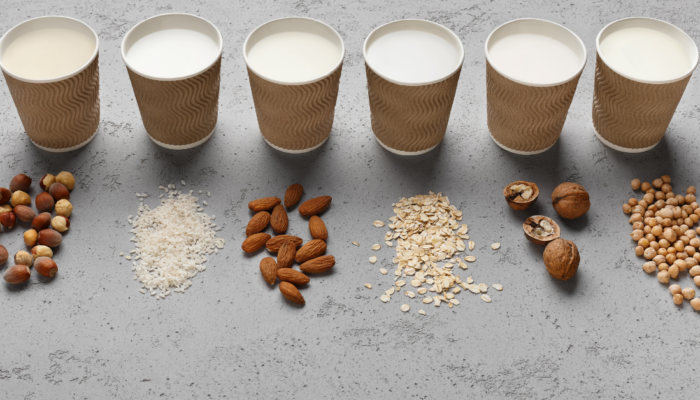
The scoop: All plant milk is more sustainable than dairy milk. But that doesn't mean all plant milks are sustainable.

SR's favorites:

  • Pea milk: protein-rich, noninvasive crop, good taste.
  • Hemp/flax seed milk: nutritious and low emission-based.
  • Hazelnut milk: tastes great in a cup of coffee, pollinates naturally, grows on trees.

Bottom line: Every company has a different process, but we can draw conclusions about the sustainability of certain crops. As consumer interest in plant milk keeps growing, it's important to distinguish good labels from bad labels.

The best best thing you can do is make your own plant milk at home. Just take your favorite organic, fair-trade nut or seed and mix it with water in a blender. Details in the article!

Dig deeper → 6 min

  1. Lifestyle
  2. Water
Busy? Try the speed read.

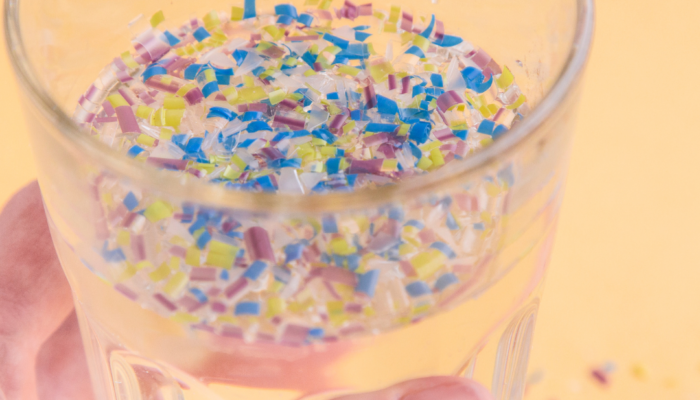
The scoop: Microplastics can be found in every crevice of the Earth. As they become more prevalent, they are more likely to impact human health.

Top ways to avoid microplastics:

  • Filtered tap water > bottled water.
  • Shellfish = microplastic.
  • Eat more fresh food, less takeout.

Zoom out: As the global production of plastic goes up, there will be more plastic to deal with. Research on the impact of microplastics on human health is still developing. Better to be safe than sorry.

Dig deeper → 4 min

  1. Politics and Policy

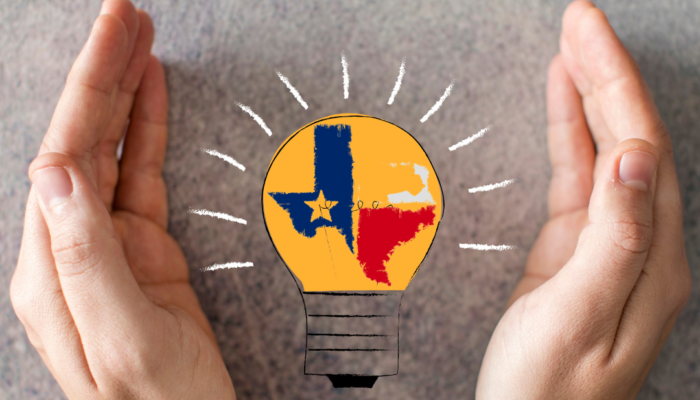
The scoop: Below-freezing temperatures blasted the southern US this week, prompting rolling blackouts over the past few days.

Key takeaways:

  • Texas was not prepared to deal with the energy demand spikes.
  • Natural gas & coal were not sufficient, renewables failed in freezing temperatures.
  • America still needs a cocktail of energy supply to meet increasing consumer demand.

Zoom out: The Texas energy security issue is something every American should pay attention to. How can we carefully adopt a renewable-first economy without compromising reliability?

Dig deeper → 3 min

  1. Science

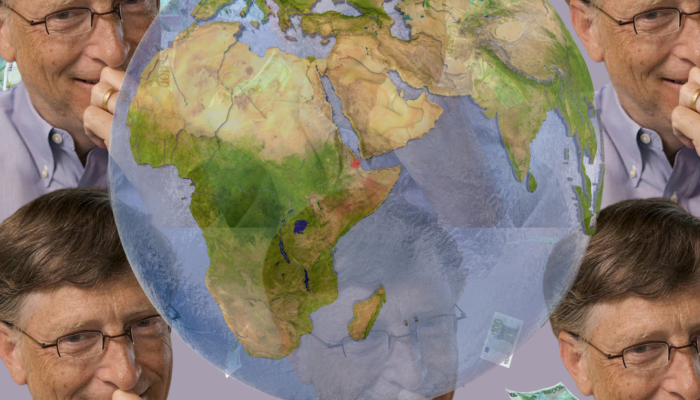
The scoop: Bill Gates published a new book about climate change. Why are we praising a tech entrepreneur pretending to be a scientist and public health official?

Why it matters: I think people like Bill Gates make everyday people more suspicious of actual science. Gates should step aside and let real scientists do the talking. Because as it turns out, he isn't always right.

My proposal: Let's praise and highlight actual climatologists dedicated to the field. He's not even a professional writer.

We need to build communication platforms for researchers, doctors, and scientists to bridge the gap between complex subject matter and public skepticism. Businessmen like Bill Gates only widen the gap (imo).

Bottom line: Let's hear the talking points not from some obscure monolithic gospel, but science-backed, distinguished talking points from recognizable human faces.

Dig deeper → 3 min

  1. Politics and Policy
Busy? Try the speed read.

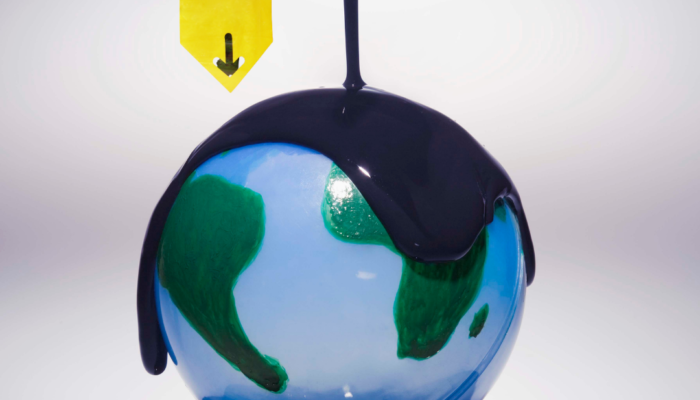
The scoop: 600 gallons of oil spilled into the San Francisco Bay yesterday from a Chevron refinery.

Some notes on the disaster:

  • Solutions exist, restoration efforts are more innovative, why does this keep happening?
  • Media tends to direct focus on corporations and federal government, but what role do local politics play in preventing environmental disasters?

Food for thought:

Looking back at the Chevron oil spill of 2021, we should be asking ourselves:

  1. Why did the oil spill happen?
  2. What actors played a role in this disaster?
  3. What steps can these actors take to prevent it from ever happening again?

Bottom line: If the answer is primarily political, sadly, it may not happen fast enough to stop the next disaster.

Dig deeper → 3 min

  1. Lifestyle
Busy? Try the speed read.

The scoop: Don't wait for the next big world event to prepare yourself. How can you make you and your family more 'disaster-proof'?

Some disaster-proof tools:

  1. Practice the 50/30/20 rule. Spend 50% on 'needs, 30% on wants, save 20%.
  2. Utilize your 5 PM - 12 AM. Build a side hustle or passive income outside of your day job.
  3. Network, network, network. The best time to network is when you think you don't have to. Always present your best self and treat everyone equally.
  4. Make a strategic relocation. If you're thinking about making a move, do it when things are mellow. Don't wait for the next big event to pack your bags.
  5. Learn new skills. It can be professional, it can be personal. You can be 20, you can be 60. Just learn something new every day, week or month.

These goals are not perfect for everyone. BUT at least one or two is a tangible goal you can strive for. Set quantitative targets with time intervals.

Humans are only as sustainable as our ability to survive in harmony with nature. Invest in your survivability.

Dig deeper ➡ 3 min

Weekly Newsletter

> Be Part of the Solution

Join our community of +220k Conscience Readers

Trending News | Innovations | ESG
Brand Reviews | Careers

Sustainable Review is copyright material. All rights reserved.

Exclusive Content Weekly

> Be Part of The Solution

Join our community of +220k Conscious Readers