CHNGE
Seeing How CHNGE is Changing the Fashion Industry with Its Sustainable Practices
Key Takeaways
- We’re giving CHNGE a “GOOD” rating for its effort to run a sustainable operation.
- Its use of responsible materials, including GOTS-certified organic cotton and dyes, proves that it wants to keep its customers and the environment safe against harmful chemicals.
- It recycles most of the water it uses during the dyeing process of its garments, ensuring no toxic chemicals end up in soil and waterways.
- It maintains a climate-neutral production process and ensures fair labor practices, providing its workers a safe working environment, living wages, and the right to form unions.
- CHNGE should be more transparent about its animal welfare practices to further give its sustainable and ethical credentials a boost.
Brand Background
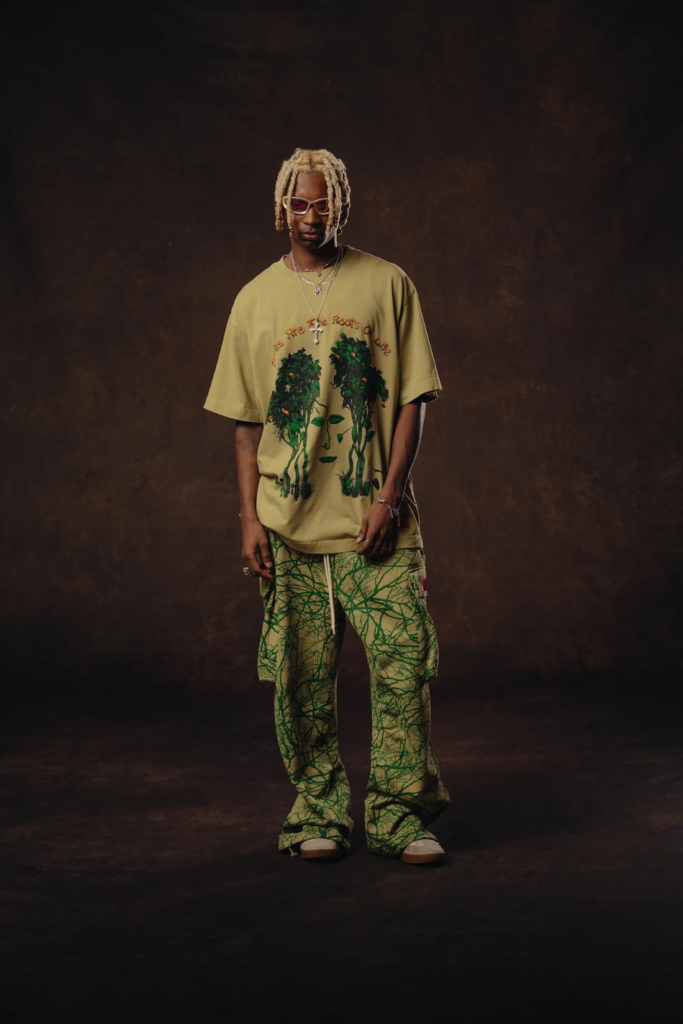
CHNGE is a clothing brand created in 2018 by Jacob Castaldi, co-founder of Ivory Ella. It’s built on the concept of reducing the environmental impact of the fashion industry by promoting sustainable and transparent practices throughout the supply chain as well as philanthropy.
The brand started off selling t-shirts with good positive messages and eventually turned into a full clothing line offering everything from outerwear to sweatsuits. While its styles of clothing aren’t really different from other similar brands, CHNGE distinguishes itself from the competition by marketing itself as a sustainable clothing line. But, does it truly practice what it preaches?
Environmental Impact
CHNGE shows its commitment to helping the environment in multiple ways. It starts off with the use of responsible materials in all its clothing, making sure its products hold the ‘organic’ label from GOTS. Such credentials mean that a product contains a minimum of 95% certified organic fibers, which are grown without harsh chemicals.
The brand also uses GOTS and OEKO-TEX Standard 100 certified dyes for all its products, ensuring that no toxic substances are released into the environment after clothes are given their colors. CHNGE mentioned that 95% of the water used during its clothes’ dyeing process is recycled, and the remaining 5% is reused to make cement.
In addition to responsible materials, CHNGE advocates for a cleaner fashion industry by ensuring neutrality in its production. As a Climate Neutral certified brand, CHNGE measures and offsets carbon emissions throughout its supply, from factory production to product shipping. It also continuously seeks ways to minimize its carbon footprint, including reinforcing its pre-order model and using packaging made from 100% post-consumer recycled paper that’s also 100% recyclable.
Workers Rights
Another way CHNGE competes with other brands is by ensuring fair labor practices. It only works with a Fairtrade factory, which means all people involved in the production of its garments work in safe conditions and have the right to form trade unions and collectively bargain. They are also given fair wages that allow them to support themselves and two children while still having access to basic necessities like food, housing, education, and healthcare.
CHNGE also mentioned that its partner factory provides subsidized meals to on-site workers, along with access to free medical care.
Animal Welfare
As we’ve mentioned earlier, CHNGE uses 100% organic materials, which means it likely doesn’t use animal products on its garments. But, the brand didn’t state that it is vegan.
We think animal welfare is an area that CHNGE should be more transparent about. A comprehensive and explicit animal welfare policy can help boost its ethical credentials and attract conscious shoppers who prefer genuinely sustainable and cruelty-free products.
Overall Rating
We’re giving CHNGE a “Good” overall rating for its effort in sourcing and using eco-friendly materials and maintaining a carbon-neutral production system. We also commend the way it treats the people throughout its supply chain, ensuring they are not forced into labor, are working in safe conditions, and are given living wages.
Our only area of concern is the brand’s lack of explicit animal welfare standards and policies. While it didn’t mention using any animal byproduct or being vegan, being transparent about its animal welfare practices will help address its vague stance on this area. Doing so can also take its ethical credentials a step further.
Frequently Asked Questions
You’ve mentioned about CHNGE’s commitment to philanthropy; does it contribute to any cause?
Absolutely. CHNGE gives 50% of its net profit to causes involved in addressing different social issues, such as the NAACP, Malala Fund, The Last Prisoner Project, Center for Reproductive Rights, March for Our Lives, Latina Institute, Feeding America, The Loveland Foundation, and more. It also supports causes related to environmental protection and climate change, including Stand for Trees, Climate Neutral, Team Seas, Slow Factory, and The Conservation Fund.
How Does CHNGE ensure the quality of its garment?
Besides sustainability, CHNGE puts a premium on quality. The brand only uses quality organic cotton in the production of its garments. It also only partners with a factory whose workers are highly skilled in the garment production process. CHNGE also designs each piece to make them long-wearing so they can be used repeatedly without losing their form.
Does CHNGE release limited edition pieces/collections?
Yes, it does. CHNGE often has limited edition pieces/collections dedicated to a particular social or environmental issue. The brand uses this approach to raise awareness and funds and promote organizations that are advocating for those vital causes.
How can I stay informed about CHNGES’ new products and initiatives?
You can visit CHNGE’S website and subscribe to the brand’s newsletter. You can also follow CHNGE on its social media platforms to stay updated on its new releases and initiatives.



Over 1500+ Brands Reviewed
FEATURED ARTICLES

Energy, Energy and Environment, Planet, Top Lists
10 Renewable Energy Companies Making Alternative Energy Sources Widely Available





Better Brands, Business, Top Lists