Energy and Environment

  1. Energy
  2. Lifestyle
  3. Tech

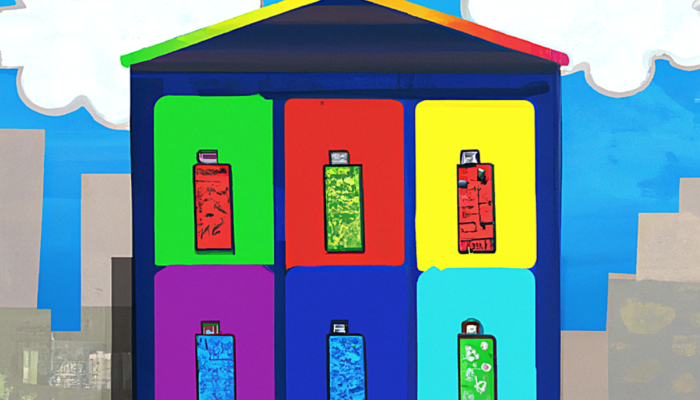
Energy consumption is a pressing issue due to rising costs and climate change. Saving energy is crucial, and there are various ways to achieve this. Smart home technology automates and optimizes household devices, reducing energy waste. Energy efficiency can be enhanced by using energy-efficient appliances and lighting. Renewable energy sources like solar and wind power can lower utility bills. Apartment dwellers can voice their concerns and suggestions to landlords for a sustainable future. Smart thermostats save around 10% annually on heating and cooling costs.

  1. Animals

Busy? Try the speed read.

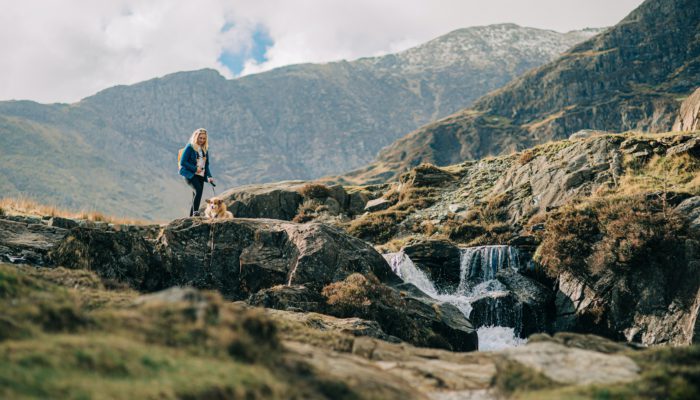
Our beloved pets are family members, but responsible pet ownership requires you to safeguard local habitats.

  • Exotic Pets a Problem in the Everglades
  • The Impact of Domesticated Pets on Local Habitats
  • How to Protect Local Habitats From Your Pet

The unwanted release of the Burmese Python has wreaked havoc on the Everglades which has seen a decline in 99.3% of Racoons, a 98.9% decrease in possums and an 87.5% drop in bobcats. However Pythons are not all to blame, as there have been 140 invasive reptiles and amphibians that have been introduced since the pet trade in the 1980s.

How about our beloved furry friends? Unfortunately nearly 200 species are threatened by dogs globally and in the United States, domestic cats kill about 1.3 billion-4 billion birds and 6.3 billion-22.3 billion mammals annually. 

So how can we be more mindful of the ecological impacts our pets can have? Heres a few recommendations

  • Pick up the poop! Dispose appropriately and use sustainable bags
  • Return unwanted reptiles and amphibians to a pet store instead of releasing them in the wild
  • You can prevent your cat from preying on wildlife by keeping them indoors
  • Avoid flushing dead or live fish down drains as they’ll end up in aquatic ecosystems they don’t belong
  • Never remove wildlife from natural habitats to domesticate them
  • Keep your dogs of restricted trails as not to disturb wildlife especially during breeding season

Not only can we safeguard our local habitats and be responsible pet owners but we can do so whilst enjoying the companionship of our animal friends.

Dig deeper —> 7 min

  1. Energy and Environment

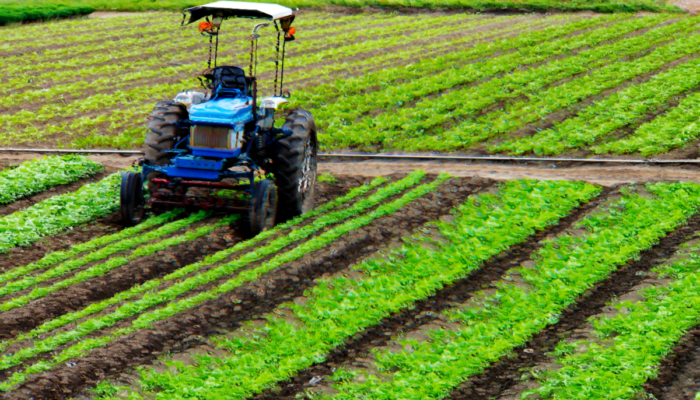
The scoop Pesticides promote large-scale agriculture, yet damage environmental and human health…

Risks for humans

  • At least 200,000 deaths each year.
  • Cancer, Alzheimer’s, Parkinson’s diseases
  • Hormone disruption, developmental disorders, sterility
  • Loss of: memory, motor skills, vision and coordination
  • Asthma, allergies, hypersensitivity

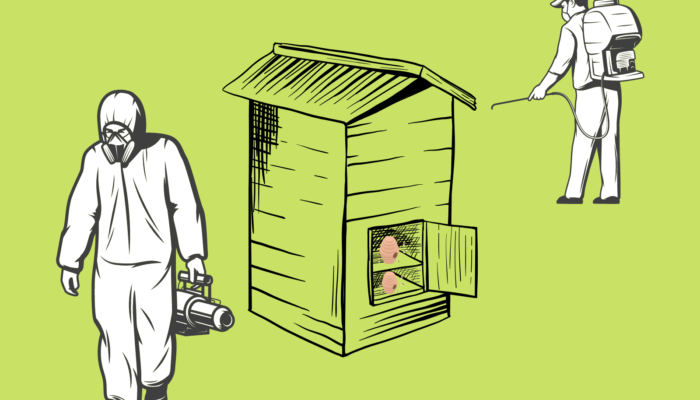
Environmental risks Traces of pesticides are found in the air, soil, and water (thus spreading far and harming wildlife including: pollinators, amphibians, birds, fish, and invertebrates). Bee colony collapse and reproductive issues are highly concerning.

What can be done? A “systemic denial fueled by the pesticide and agroindustry” keep pesticides on the market. Luckily, the UN proposes international guidelines on regulating pesticides, while promoting agroecology: a practice which combines science and local knowledge to create community-based, agricultural systems.

The UN finds that Agroecology can “feed the entire world population and ensure that they are adequately nourished.” Using agroecology, the world could be fed, and we could drop the risks that pesticides inflict!

What can I do?

  • Research your local Congressman’s stance on Pesticide Bans. Vote!
  • Grow a garden. You’ll help pollinators and enjoy pesticide-free produce.
  • Helpful resources…
    • Watch Neonicotinoids: The New DDT? free 
    • Watch: Circle of Poison
    • Read Silent Spring

Dig deeper → 3 min

  1. Energy and Environment

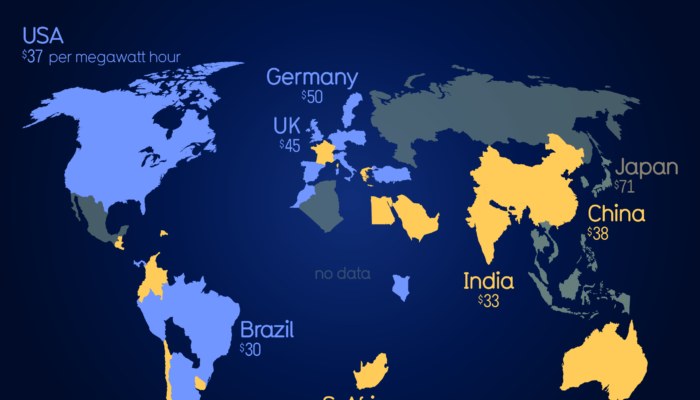
Big picture Solar PV and onshore wind (for new-build generation) is now cheaper for 2/3 of the global population, including the US and China.

Downsides of solar-wind Critics of widespread wind & solar point to its over-hyped environmental prowess and inefficiency.

  1. Capacity factors and values: The sun does not always shine and the wind does not always blow.
    • The capacity factor of renewables are lower than that of coal, gas and nuclear, who have a capacity factor of 85-90 percent. Onshore wind units place 40 percent capacity, whereas solar facilities use 30 percent or less.
    • Capacity values are “the ability to reliably meet demand.” Using capacity values as a metric, the price of wind & solar spikes due to the unreliability during peak demand and necessary back-ups on stand-by to ensure contingent power. As reliability and capacity values go ↑, the price of renewables will go ↓
    • If widely adopted, renewables would cost higher on average. Less efficient geographic regions need to build solar and wind infrastructure, reducing economies of scale.
    • The Institute for Energy Research estimates that wind power is about twice as expensive as conventional gas-fired power, and that solar power is almost three times as expensive (relative to its capacity value).
    • Capacity factors/values summarized: wind & solar is cheaper in 2/3 of the world, but when you factor in reliability and contingency, it is still more costly.
  2. Environmental cost: It's better than oil, it's serious. Let's talk about it.
    • Heavy land use: The Green New Deal would require over 100 million acres to power America at the same capacity as oil & gas. That’s larger than the state of California. With all that space needed, it would inevitably spill into ecologically sensitive areas.
    • Production and disposal: We would probably import metals for the wind turbines and solar panels from China. Even with tariffs, it makes more economic sense. As much as 78 million metric tons worldwide by 2050 will come from solar panel waste.
    • Impact on wildlife: hundreds of thousands of birds die every year at the hands of wind turbines.
    • Weak regulation: Wind energy development, for example, has voluntary, non-mandatory federal guidelines (even during the Obama years). Assuming that wind energy companies would behave better than their fossil fuel predecessors and willingly regulate themselves is a mistake.
  3. Reliability: Frequent backups still use fossil fuels.
    • When wind and solar can't produce enough electricity, fossil fuels are used as backups.
    • The problem? Based on today's reliability of renewables, the climate impact of a GND-sized solar-wind market would be near net-zero.

Bottom line We can now say wind & solar are cheaper (at face value) than oil & gas (in most of the world). But that's just the first step. If we want to continue the shift away from fossil fuels, we still need better solutions.

  1. Energy and Environment
More than 50 countries have made net-zero pledges, and there are numerous avenues to realizing that ambitious goal. One way humans can reach net zero faster is through electricity deregulation, which means energy suppliers can’t monopolize the energy sector.Countries with deregulated energy include the U.S., England, Wales, Portugal, and many more. By enabling consumers to choose their electricity supplier — a concept known as a market system — people can select greener options. But will they?Dig deeper → 3 min
  1. Energy and Environment
The fossil fuel industry's harmful effects on the environment no longer hide in the shadows. Despite calls from climate advocates to reduce carbon emissions and transition to renewables, the oil industry continues its efforts to delay action on combating climate change.However, technological advancements — specifically energy storage — could signal the end of fossil fuels’ reign over the energy industry. Learn about energy storage's role in the green revolution, and what types of facilities are emerging to support the transition to renewables.Dig deeper → 3 min
  1. Energy and Environment
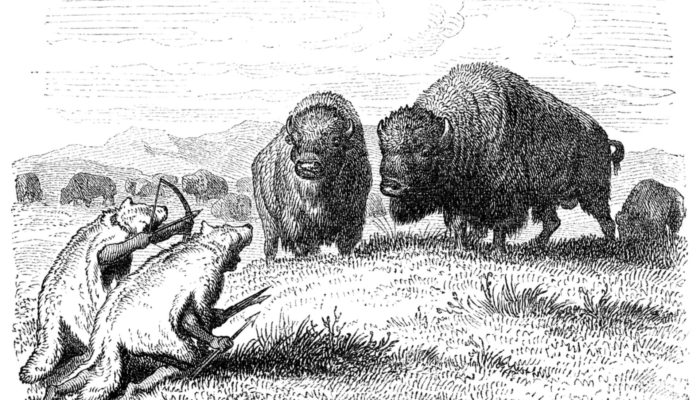
Forests are vulnerable because of deforestation and climate change.One way to help forests is by hunting sustainably, as Indigenous hunters do.Indigenous hunters see animals and humans as crucial to nature.Others should take notes from Indigenous cultures and practice preservation instead of poaching.Hunting controls animal populations and keeps ecosystems balanced.Those interested in sustainability could start hunting for their food after researching the hunting laws in their area.Dig deeper → 3 min
Weekly Newsletter

> Be Part of the Solution

Join our community of +220k Conscience Readers

Trending News | Innovations | ESG
Brand Reviews | Careers

Sustainable Review is copyright material. All rights reserved.

Exclusive Content Weekly

> Be Part of The Solution

Join our community of +220k Conscious Readers