Author: Natalia Kolkowska

Natalia is a linguist, a writer, and a huge bookworm hungry for new experiences and knowledge. She's vegan (for the planet and the animals), trying to live a sustainable lifestyle. She loves to explore new places, cultures, and customs. She's passionate about helping others grow and hopes her work will make a positive impact on the world.
  1. Tech

Busy? Try the speed read.

Google Maps introduces new features to promote eco-friendly practices and help users make environmentally responsible decisions.

  • Rate and Update Businesses
  • Review Businesses
  • Take Advantage of Sustainability Attributes
  • Choose the Most Eco-Friendly Route

Google Maps now offers functionalities that help users find efficient routes, make informed choices about dining and shopping, and keep information up-to-date. Users can rate businesses on eco-friendly practices and contribute reviews about sustainability attributes. Businesses can add relevant attributes to their listings, attracting environmentally-conscious consumers.

To reduce carbon emissions, Google Maps has launched the eco-friendly routes feature, providing fuel-efficient routing options. Available in nearly 40 countries, this feature has helped reduce over 500,000 metric tons of carbon emissions.

These tools enable users to make sustainable choices without sacrificing convenience, highlighting Google Maps' commitment to supporting both daily life and environmental responsibility.

Dig deeper —> 5 min

  1. People
  2. Planet

Busy? Try the speed read.

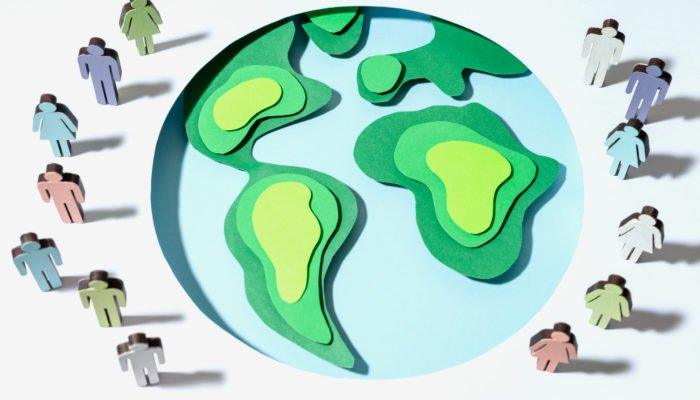
Earth's population surpassed 8 billion in 2022, raising concerns about resource scarcity, environmental impact, and socio-economic disparities.

  • Population growth rate has slowed but remains high in some regions.
  • Fertility/birth rates impact population growth and vary worldwide.
  • Life expectancy has increased globally, with disparities between countries.
  • Migration influences population growth and poses complex challenges.
  • Population growth has positive and negative effects on society and the environment.

Earth's population reached 8 billion in 2022, driven by advances in healthcare, access to resources, and high fertility rates in certain areas. Population growth raises concerns about environmental consequences and resource scarcity. Factors influencing population trends include fertility/birth rates, life expectancy, and migration.

Fertility rates have decreased worldwide, but remain high in regions like Sub-Saharan Africa. Life expectancy has improved globally, but there is a significant disparity between countries. Migration is a complex factor affecting population growth, driven by economic opportunity, political/religious freedom, and refugee crises.

Population growth can have both positive and negative implications, including economic development, higher tax revenues, resource scarcity, environmental degradation, increased poverty and inequality, and social unrest. Addressing population growth requires tailored solutions that consider economic opportunity, access to healthcare and education, and improved migration policies.

Dig deeper —> 10 min

Weekly Newsletter

> Be Part of the Solution

Join our community of +220k Conscience Readers

Trending News | Innovations | ESG
Brand Reviews | Careers

Sustainable Review is copyright material. All rights reserved.

Exclusive Content Weekly

> Be Part of The Solution

Join our community of +220k Conscious Readers