People

  1. Lifestyle
  2. People
  3. Science

In a world where sustainability is no longer a choice but a necessity, the materials we use daily play a crucial role. From the food we eat to the clothes we wear, our choices can have a significant impact on the health of our planet. One material that has gained popularity in recent years is Modal fabric. But what exactly is it, and how sustainable is it? In this article, we'll delve into the origin, properties, manufacturing process, and potential environmental impact of Modal. Whether you're looking to make more eco-friendly wardrobe choices or simply interested in learning about this fabric, keep reading.

  1. People
  2. Planet
  3. Water

Clean, drinkable water is essential for our survival, but it's not always readily available. The quality of water is often compromised, leaving us vulnerable to harmful contaminants. That's where water purification methods come in. In this article, we'll explore five different techniques that can turn questionable water into safe, drinkable water. Whether you prefer the simplicity of boiling or the advanced technology of reverse osmosis, we've got you covered. Get ready to learn how to get cleaner, purer water.

  1. Energy
  2. Lifestyle
  3. Tech

Energy consumption is a pressing issue due to rising costs and climate change. Saving energy is crucial, and there are various ways to achieve this. Smart home technology automates and optimizes household devices, reducing energy waste. Energy efficiency can be enhanced by using energy-efficient appliances and lighting. Renewable energy sources like solar and wind power can lower utility bills. Apartment dwellers can voice their concerns and suggestions to landlords for a sustainable future. Smart thermostats save around 10% annually on heating and cooling costs.

  1. People
  2. Planet

Busy? Try the speed read.

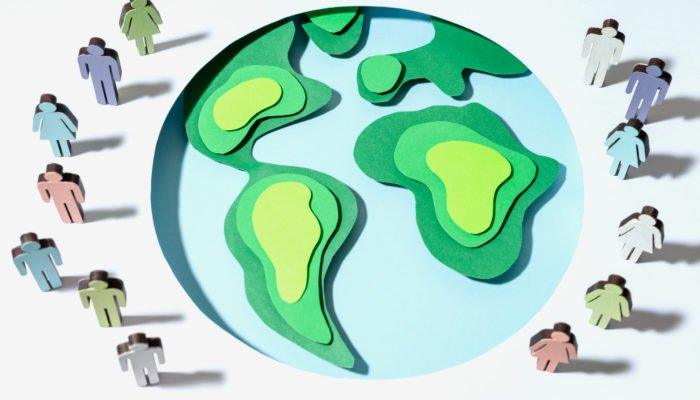
Earth's population surpassed 8 billion in 2022, raising concerns about resource scarcity, environmental impact, and socio-economic disparities.

  • Population growth rate has slowed but remains high in some regions.
  • Fertility/birth rates impact population growth and vary worldwide.
  • Life expectancy has increased globally, with disparities between countries.
  • Migration influences population growth and poses complex challenges.
  • Population growth has positive and negative effects on society and the environment.

Earth's population reached 8 billion in 2022, driven by advances in healthcare, access to resources, and high fertility rates in certain areas. Population growth raises concerns about environmental consequences and resource scarcity. Factors influencing population trends include fertility/birth rates, life expectancy, and migration.

Fertility rates have decreased worldwide, but remain high in regions like Sub-Saharan Africa. Life expectancy has improved globally, but there is a significant disparity between countries. Migration is a complex factor affecting population growth, driven by economic opportunity, political/religious freedom, and refugee crises.

Population growth can have both positive and negative implications, including economic development, higher tax revenues, resource scarcity, environmental degradation, increased poverty and inequality, and social unrest. Addressing population growth requires tailored solutions that consider economic opportunity, access to healthcare and education, and improved migration policies.

Dig deeper —> 10 min

  1. Politics and Policy

Busy? Try the speed read.

Providing further insight into common perceptions about the costs of Fossil Fuels:

  • 1. “Rising energy costs demand more fossil fuel production"
  • 2. “Fewer regulations would lower fuel costs"
  • 3. “Weaning ourselves off fossil fuels is impractical"

What are the inherent costs of delaying our transition from conventional energy sources? Relying on fossil fuels as our primary energy source isn't sustainable and inevitably just drives prices up even further as sources become more scare.

The US Government spent $1 trillion in subsidising fossil fuels which ultimately hinders our progress to transition to cleaner energy sources, and relaxing corporate regulation comes at great risk to our environment as seen in the fracking industry.

However, our approach to everyday living and the small changes and decisions we make now can have huge impact and help drive off our reliance on fossil fuels as our primary energy source.

Dig deeper —> 7 min

Weekly Newsletter

> Be Part of the Solution

Join our community of +220k Conscience Readers

Trending News | Innovations | ESG
Brand Reviews | Careers

Sustainable Review is copyright material. All rights reserved.

Exclusive Content Weekly

> Be Part of The Solution

Join our community of +220k Conscious Readers