
Environmental concerns have increased as cryptocurrencies become mainstream. But the blockchain industry isn’t sitting still. From Ethereum’s dramatic energy reduction to new mining methods, the crypto world is balancing digital innovation with environmental responsibility. What does that green shift mean for you and for decentralized finance in general? This article introduces to you the strides made towards making crypto’s future greener.
A niche interest to an international financial phenomenon – cryptocurrency has come a long way. Yet even this meteoric rise has its challenges. The most immediate environmental issue facing the crypto industry today is the energy-intensive mining process. But as you’ll soon find out, the blockchain world is by no means complacent about these concerns.
The Environmental Cost of Crypto Mining
Mining cryptocurrency traditionally requires a lot of energy. To keep blockchain networks secure and reliable, you need some heavy-duty computers to crack those tough math problems. Hence, crypto mining operations have been criticized for having large carbon footprints. In the past few years, regulatory bodies and industry leaders have been looking more at sustainability as the crypto industry matures.
Regulatory proposals in some jurisdictions aim to encourage crypto mining with renewable energy sources or to set energy efficiency standards for mining equipment. Initiatives including the Crypto Climate Accord aim to decarbonize the cryptocurrency industry by reducing electricity consumption to net zero emissions by 2030. Such efforts show that the crypto community is increasingly recognizing the need to address environmental issues proactively.
Ethereum’s Recent Game-Changing Upgrades
What environmental impact can a blockchain network have? The second-largest cryptocurrency Ethereum is showing the way forward with its “Merge” upgrade in September 2022. That software update was an important step toward sustainable blockchain technology. By switching to Proof of Stake (PoS) consensus instead of Proof of Work (PoW), Ethereum has cut its energy consumption by nearly half. The results were pretty remarkable: A saving of over 99% in energy use is achieved.
When selecting a broker to engage with Ethereum, look beyond transaction fees and do proper research. If you’re considering platforms like Binance with its low 0.1% fees, compared to Kraken at 0.26% or Coinbase at 1.99%, it’s also essential to check out their sustainability efforts. Some brokers offset their carbon footprint or back eco-friendly blockchain projects. You’re helping Ethereum become greener by choosing a sustainability-minded broker – and helping the wider cryptocurrency industry become more environmentally responsible.
Quantifying the Overall Impact of Blockchain
The scale of the current problem was revealed in a new University of Cambridge study: before the major 2022 upgrade of the Ethereum blockchain, historical greenhouse gas emissions in Honduras equaled the annual emissions of the country. This staggering figure shows just how urgently more sustainable practices in crypto are needed.
The numbers indicate the immense impact of the Ethereum transformation: In 2015, before the Merge, Ethereum generated 27.5 million tonnes of greenhouse gases equivalent (MtCO2e). That is equivalent to the amount of emissions produced by Honduras in a year. The picture looks very different after the merger. Ethereum now produces about 2.8 kilotons of carbon dioxide equivalent emissions yearly. So how tiny is that figure? This is equivalent to the emissions from five return flights between London and New York.
The transition of Ethereum raises an important question: What about other blockchain networks? Ethereum showed that huge energy savings are possible, but other cryptocurrencies will face difficulties – especially Bitcoin. Bitcoin remains a PoW system and has a large environmental footprint. According to estimates, Bitcoin creates about 73.9 MtCO2e a year – equivalent to the emissions of Cambodia in 2020. That contrasts sharply with the potential for improvement across a wider crypto landscape.

Scaling Ethereum and a Path to Sustainable Growth
How does a blockchain network handle millions of transactions without compromising its tenets? That question has driven Ethereum development – both on and off the main chain. As NFTs and crypto in general go more mainstream, a new business model may be just the thing to increase sustainability efforts.
Ethereum approaches scaling in two ways: on-chain improvements and off-chain solutions. For the main chain, sharding has been implemented – the blockchain is broken up into smaller pieces. This lets different groups of validators process transactions simultaneously. Once considered the primary scaling solution, sharding has been replaced by layer-2 rollups. These clever systems combine multiple transactions into one that is processed on the main Ethereum chain. The result? Massive improvements in transaction speeds and costs without losing the value of Ethereum’s security and decentralization.
The scaling efforts of Ethereum go beyond the main chain. These off-chain solutions are often called layer-2 solutions in Ethereum. They include optimistic rollups, zero-knowledge rollups, and state channels. These solutions work independently of the main Ethereum blockchain but draw security from it. Handling transactions off of the main chain reduces network load enabling more scalability. Think of them as express lanes alongside the main Ethereum highway that ease congestion without sacrificing safety.
The Ethereum developers are not taking a break. With Proto-Dank-Sharding comes another major step towards Ethereum scalability. This update introduces ‘blobs’ into Ethereum blocks to temporarily store rollup data. But what does this all mean to you? Essentially, lower transaction costs, as this data does not need to be stored on Ethereum forever. It’s a precursor to full Danksharding, which should further decentralize rollups and cut down on centralized sequencers.
Creative Solutions for Mining Cryptocurrency
Even though not all blockchains can switch to PoS easily, the industry is looking at various greener mining solutions. These could include using renewable energies or improving hardware efficiency. A great example is El Salvador, switching to geothermal energy for crypto mining.
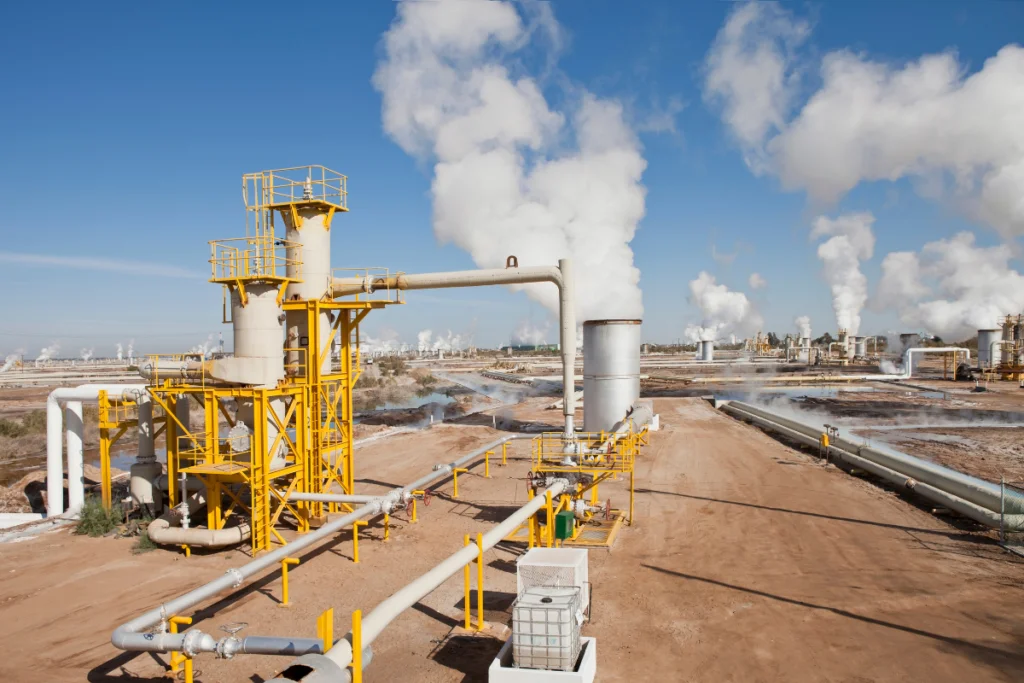
Some mines move to areas with abundant renewable energy like hydroelectric power plants in the Pacific Northwest of the United States or geothermal energy in Iceland. Other projects use excess natural gas from oil fields that would normally be flared to power mining rigs. A major challenge for the crypto industry is also keeping its innovative edge while dealing with environmental issues. So how does blockchain technology continue to disrupt established systems but also become sustainable?
That balancing act requires many components. That includes not just technological solutions like more energy-efficient consensus mechanisms, but also a shift in industry culture and priorities. Sustainability is becoming a core value in the crypto world, expect more innovations aiming at reducing environmental impact without compromising the benefits of blockchain technology.
Looking forward, a more sustainable crypto future seems clear but challenging. Ethereum’s successful merger shows you that large reductions in energy consumption are possible without compromising the integrity or functionality of the blockchain.
More projects/networks are focusing on sustainability – expect a wave of innovation in this space. New consensus mechanisms and more efficient mining hardware seem likely to be hot topics in green technology development within the crypto industry.
Remaining Educated and Vigilant
For the average cryptocurrency user/investor, the environmental implications of different blockchain networks are becoming increasingly important. Considering the sustainability practices of different projects may be as important as assessing their technological merits or financial potential as you move across the crypto landscape.
Education projects among crypto communities are also on the rise, highlighting environmental impacts of different cryptocurrencies and how they’re being dealt with. Increasing awareness will probably drive demand for more sustainable crypto options and encourage the industry to innovate in this direction.
The road to sustainable cryptocurrency is well underway. The dramatic drop in energy consumption of Ethereum points the way forward for the entire blockchain industry. When you use this evolving technology you’re also potentially participating in an environmental revolution. The future of crypto is poised to be not just digital, but greener.