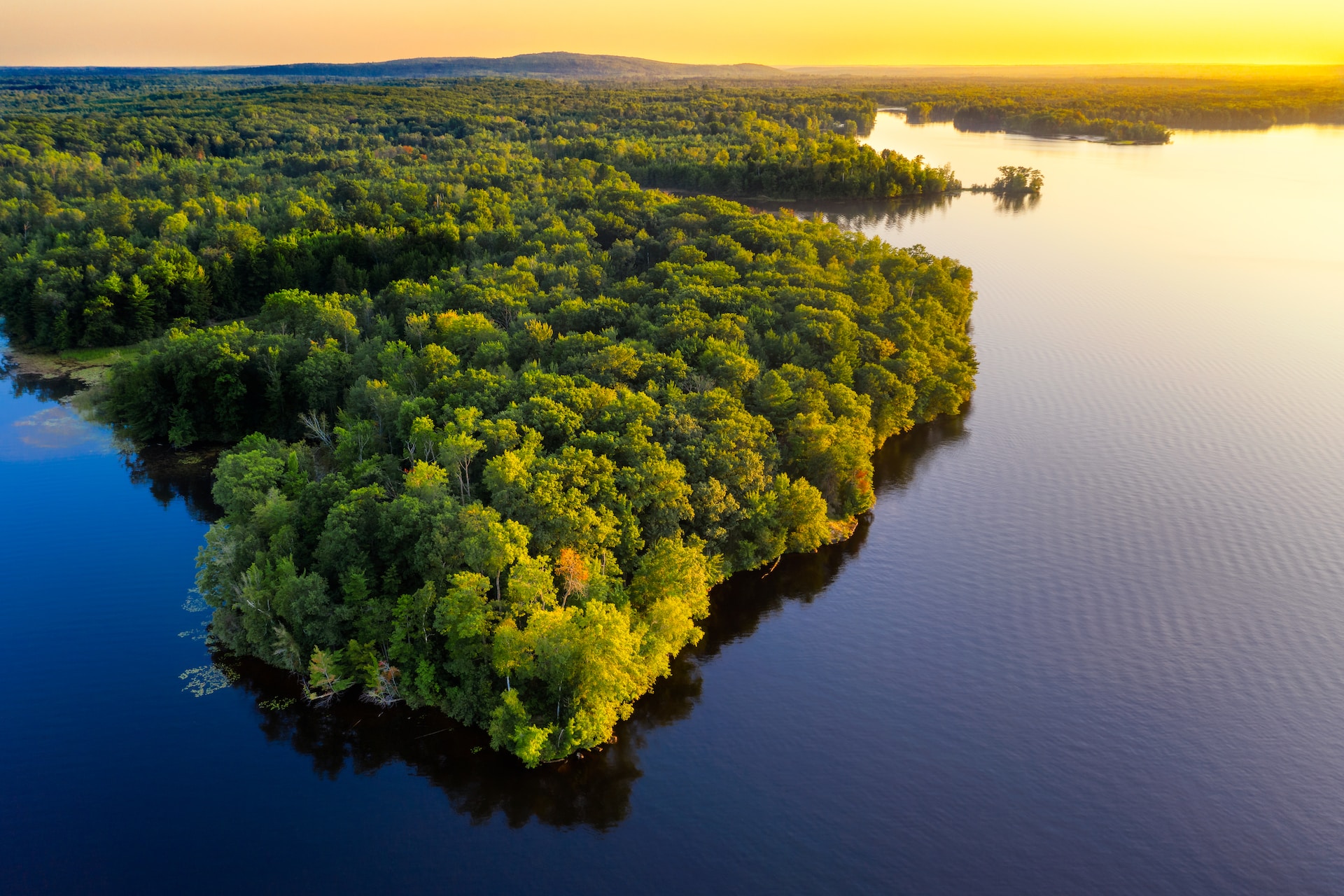

The Amazon Rainforest, often dubbed the “Lungs of the Earth,” is facing a dire threat: deforestation. This lush greenery, teeming with biodiversity and vital to global climate stability, is rapidly disappearing. The consequences of this destruction extend far beyond the borders of Brazil, where much of the rainforest resides. From climate change to ecological imbalance, the ramifications are profound and potentially irreversible.
In this post, we delve into the complex issues surrounding Amazon deforestation, examining its causes, consequences, and potential future scenarios.
Key Takeaways
- Amazon deforestation is accelerating, driven by agricultural expansion, logging, and mining.
- President Jair Bolsonaro’s policies have exacerbated deforestation rates in Brazil.
- International efforts are underway to combat deforestation and promote sustainable practices.
- Some regions within the Brazilian Amazon have seen a decline in deforestation rates thanks to stricter enforcement measures and public pressure.
- Despite ongoing efforts, the Amazon Rainforest is approaching a tipping point, with potentially catastrophic consequences for global climate stability.
Amazon Rainforest and Its Exploitation
The Amazon Rainforest, a lush and sprawling ecosystem stretching over 5.5 million square kilometers, has a fascinating history that stretches back millions of years. This incredible expanse is home to a staggering 390 billion trees and an array of unique wildlife. It’s often called the “Lungs of the Earth” because it is crucial in absorbing carbon dioxide and producing oxygen.
A piece written by Matt Sandy for Time explored the history of the Amazon Rainforest and the progress of its deforestation through the years.
Humans have been part of the Amazon’s story for about 13,000 years. The first people arrived from Central America, setting up communities involved in farming, building fortified settlements, and crafting ceremonial earthworks. At one point, up to 10 million indigenous people lived in the Amazon, including the Karipuna tribe near today’s Brazilian state of Rondônia.
However, with the arrival of European colonizers in 1492, the region’s dynamics began to change drastically. The quest for land led to deforestation as settlers cleared vast areas for farms, firewood, and construction materials. Despite these changes, much of the rainforest remained intact until the early 20th century. Sadly, the same could not be said for its indigenous inhabitants, whose populations dwindled due to contact with outsiders and diseases like measles and influenza.
According to the Council on Foreign Relations, from the 1960s, vast forest areas in the Amazon began to be cleared on a large scale. The issue has spiked under the leadership of Jair Bolsonaro. By 2021, deforestation in the Amazon hit a fifteen-year peak.

Image Source: https://www.cfr.org/in-brief/deforestation-brazils-amazon-has-reached-record-high-whats-being-done
After becoming President in 2019, Bolsonaro’s administration took steps that have raised concerns internationally. Brazil has seen a rollback in environmental protections previously in place to safeguard the Amazon Rainforest. One of the significant moves was the approval of a 24 percent reduction in the environment budget for 2021.
Furthermore, Brazil’s Congress introduced several legislative changes to restructure environmental policy oversight. These changes have led to decreased citizen involvement in environmental policy councils, which traditionally played a crucial role in voicing public concerns and ensuring community participation in decision-making processes regarding environmental laws. Additionally, there was a noticeable shift in the leadership within environmental policy bodies, with military officials replacing many seasoned environmental policymakers.
The Amazon Rainforest saw significant losses during the first three years of Jair Bolsonaro’s presidency. From August 1, 2019, to July 31, 2021, an alarming area of over 34,000 square kilometers, or 8.4 million acres, was deforested. This figure doesn’t account for the additional damage caused by natural forest fires during the same period. To put this into perspective, the amount of rainforest lost is more considerable than that of Belgium.

Image Source: https://www.vox.com/down-to-earth/2022/9/29/23373427/amazon-rainforest-brazil-jair-bolsonaro-lula-deforestation
Although Bolsonaro’s administration has ended, the tragic environmental legacy of his actions remains.
Even though Jair Bolsonaro’s time as president has concluded, his policies’ environmental impact continues to reverberate through Brazil’s Amazon rainforest. His actions have left a lasting mark on one of the Earth’s most critical ecological treasures, posing future challenges for recovery and conservation efforts. The legacy of this leadership period will be felt for years to come, highlighting the enduring consequences of environmental policy decisions.
In the video below, Vox provides an in-depth look into the destruction of the Amazon, explaining why it is in jeopardy and the individuals trying to save it.
What’s Being Done
In response to the pressing issue of Amazon deforestation, a broad coalition of players has rallied to counteract the damage and safeguard the future of this vital ecosystem. International bodies, national governments, environmental groups, and concerned activists are joining forces to highlight the problem, enforce existing laws more rigorously, and champion sustainable management of the rainforest’s resources.
One of the key measures in this fight is the Amazon Fund. This initiative seeks to funnel financial aid into the Amazon region’s conservation and sustainable development projects. The fund hopes to support efforts to protect the forest and empower local communities through sustainable livelihoods by providing the necessary resources.
Technological advancements are also playing a crucial role in the battle against deforestation. Thanks to improvements in satellite technology, authorities now have a much sharper eye on illegally cleared areas. The Amazon Conservation Association, a non-profit conservation organization, uses real-time monitoring to spot illegal activities, allowing for swift action. Culprits found engaging in unauthorized logging or clearing land can be held accountable, facing penalties for their actions.
Together, these efforts represent a concerted attempt to turn the tide against the destruction of the Amazon Rainforest. While challenges remain, the combination of international cooperation, financial support for green projects, and cutting-edge technology provide a glimmer of hope for preserving this invaluable ecological treasure.
Positive Progress
Amidst the alarming trends, there has been a ray of hope. Some regions within the Brazilian Amazon have seen a decline in deforestation rates thanks to stricter enforcement measures and public pressure.
Recent data reveals a significant decline in deforestation rates during the first quarter of 2023.
With a remarkable 40% drop compared to the same period in the previous year, efforts to protect this ecological treasure have shown positive results.
This encouraging trend, while acknowledging that challenges remain, serves as a testament to the ongoing efforts by various stakeholders to safeguard the Amazon rainforest.
Experts attribute the remarkable decrease in deforestation rates to a combination of factors, including enhanced law enforcement, stricter regulations, and collaborative efforts between governments, local communities, and environmental organizations. These measures and innovative strategies have played a pivotal role in turning the tide against deforestation.
Brazil’s President Luiz Inacio Lula da Silva promised this right before he won the election. Now, the government is working to undo what has been done under Bolsonaro.
Lula has emphasized the urgency for Brazil to demonstrate to the world that his government’s commitment to environmental protection goes beyond mere words and is actively progressing toward fulfilling its pledge to halt deforestation by 2030.
By engaging with local communities and indigenous groups, authorities have fostered a sense of ownership and pride in protecting their natural habitats. This inclusive approach has resulted in better enforcement of regulations and a greater understanding of the long-term benefits of preserving the Amazon rainforest.
Environmental activists and organizations worldwide welcomed such a substantial decline in deforestation rates. The positive shift in the Amazon’s fate offers hope and reinforces the importance of environmental conservation efforts.
Green advocates emphasize that the reduced deforestation rates should not lead to complacency but instead be regarded as a stepping stone towards further progress. They stress the need for continued vigilance and implementation of sustainable practices to ensure long-term protection for the Amazon rainforest.
A Possible Collapse
According to WWF Brazil, while the figures are a positive sign, it’s too early to announce a lasting decrease in forest clearing. The fight against deforestation is complex and ongoing, and a few months’ data, while encouraging, doesn’t yet indicate a sustained reversal of the trend.
The Amazon Rainforest remains perilously close to a tipping point.
A significant warning comes from a peer-reviewed study highlighted by The Guardian, which draws attention to the precarious future of the Amazon Rainforest. Published in Nature, the research indicates that up to half of the Amazon could reach a critical tipping point by 2050. This potential shift is attributed to a combination of factors, including water scarcity, extensive land clearance, and the broader impacts of climate change.
Bernardo Flores, from the Federal University of Santa Catarina in Brazil and the lead author of this study, emphasizes the urgency of the situation. The projection points towards a transition from a gradual decline of the Amazon to a rapid deterioration happening sooner than anticipated. Flores’s message is clear: “By 2050, it will accelerate rapidly. We need to respond now.”
He warns that surpassing this tipping point would mean losing the ability to predict or control the rainforest’s fate, underscoring the critical need for immediate action to protect this vital ecosystem before it’s too late.
The study estimated that by 2050, a significant portion of the Amazon Rainforest could be at risk. Estimates indicate that between 10% and 47% of the forests in the Amazon region may face multiple disturbances. These disturbances include deforestation, climate change impacts, and other human activities that could set off unexpected and widespread changes within the ecosystem.
Such comprehensive transitions in the Amazon’s ecosystem would affect the local environment and have broader implications for regional climate patterns. The Amazon plays a crucial role in regulating the Earth’s climate by storing vast amounts of carbon dioxide. A disruption of this magnitude could accelerate global warming, highlighting the urgent need for action to protect this vital ecological treasure and mitigate adverse effects on the planet’s climate system.
Moving Forward
Urgent action is needed on multiple fronts to prevent the above catastrophic scenario. Governments must prioritize conservation and sustainable development, investing in alternative livelihoods for communities dependent on deforestation-linked industries. International cooperation is crucial, as the Amazon’s ecological significance extends far beyond Brazil’s borders.
Consumers can also play a role. Individual sustainable choices can collectively lessen pressure on the Amazon Rainforest and other critical ecosystems. Some steps that can be taken include:
- Choosing products wisely: Opt for items that use sustainable or recycled materials and avoid those contributing to deforestation.
- Supporting eco-friendly brands: Purchase from companies committed to ethical practices and environmental stewardship.
- Reducing meat consumption: The livestock industry is a significant driver of deforestation; eating less meat can decrease demand.
- Consuming responsibly sourced produce: Look for certifications like Fair Trade or Rainforest Alliance, indicating products come from responsibly managed forests and farms.
- Recycling and reusing products: Minimize waste by recycling and reusing items whenever possible to reduce the demand for raw materials.
- Advocating for change: Use your voice on social media and community forums to advocate for environmental protection and support policies that protect natural habitats.
- Educate oneself and others: Being informed about environmental issues allows you to make better choices and encourage others to do the same.
By implementing these actions, consumers can contribute significantly to conserving the Amazon Rainforest and safeguarding the planet’s biodiversity.
Conclusion
The fate of the Amazon Rainforest hangs in the balance. Its continued exploitation threatens the incredible biodiversity it harbors and exacerbates the global climate crisis.
Although Brazil’s recently reported 68% reduction in deforestation offers a glimmer of hope, we can only hope that this trend continues and inspires other countries with significant rainforests to take similar measures.
The battle against deforestation is far from over. Collaboration, innovation, and determined action can halt the destruction of the Amazon. It is a call to redouble efforts and work towards a sustainable future that safeguards this extraordinary rainforest’s invaluable biodiversity and ecological services.
Frequently Asked Questions
What is the current state of deforestation in the Brazilian Amazon?
The rate of deforestation in the Brazilian Amazon remains a concerning issue, with illegal deforestation contributing to the destruction of vast areas of the rainforest.
How does deforestation in the Brazilian Amazon impact climate change?
Deforestation in the Brazilian Amazon has significant implications for climate change as it disrupts rainfall patterns, contributes to droughts, and releases tons of carbon emissions back into the atmosphere.
What are scientists warning about the future of the Amazon rainforest?
Scientists warn that if deforestation continues at the current rate, the Amazon may reach a tipping point where it could degrade into a savanna, affecting not only the region but also global climate stability.
How are satellite images used to monitor deforestation in the Amazon?
Satellite images are utilized by organizations such as INPE (Brazil’s National Institute for Space Research) to track and analyze deforestation in the Amazon, providing crucial data for researchers and policymakers.
What role do ranchers play in deforestation of the Amazon rainforest?
Ranchers in parts of the Amazon are often associated with illegal deforestation practices to clear land for cattle farming, driven by the demand for beef and agricultural expansion.
What is the significance of the Amazon remaining intact?
The Amazon rainforest is crucial for biodiversity, climate regulation, and the overall health of the planet; preserving it is essential to combatting climate change and protecting ecosystems.
What are the potential consequences if half of the Amazon rainforest is lost?
If half of the Amazon rainforest is lost, it could have devastating effects on global biodiversity, climate patterns, and the livelihoods of indigenous communities who depend on the forest.


















No Comments