
Land is scarce in many cities, so it’s a struggle to find green spaces to enjoy a bit of nature. But, living in a concrete jungle doesn’t mean completely giving up on having a green space. A bit of creativity and information can go a long way in turning a limited indoor space, balcony, or rooftop into a slice of nature or a place to grow your food.
In that respect, we’ll introduce you to the beauty of apartment gardening, explain what it is, and why more and more people consider it a fulfilling hobby. We’ll also provide you with information on starting and maintaining your apartment garden.
Understanding Apartment Gardening
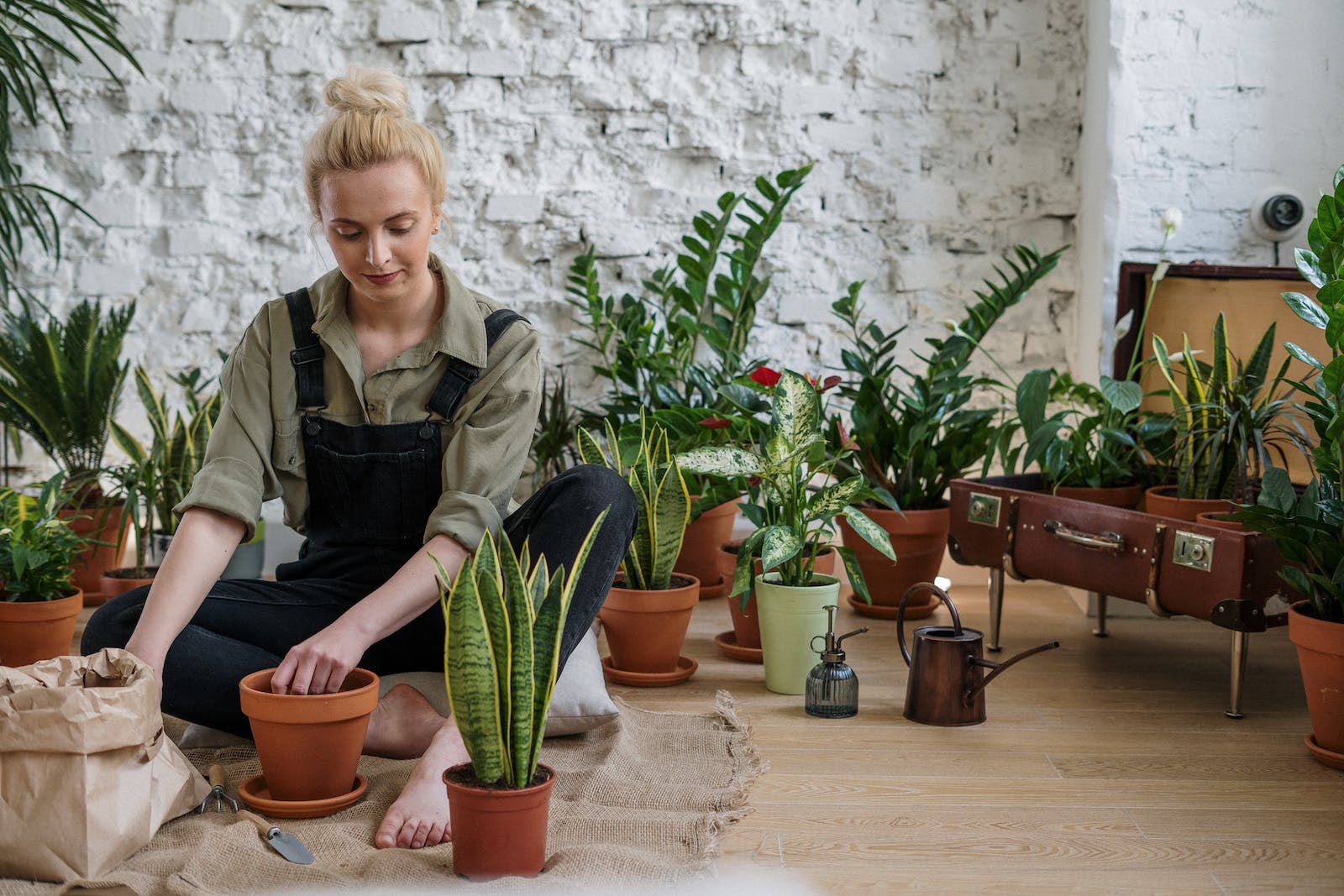
Apartment gardening, also known as indoor or urban gardening, involves growing plants in an urban dwelling, which often has little space and no yard. It adapts traditional horticultural methods to fit the unique challenges and opportunities such living environments present.
Like traditional gardening, apartment gardening allows you to grow a variety of plants, including decorative foliage, flowers, fruits, vegetables, and herbs. The only difference is that you need to get creative regarding space utilization so you can maximize the density of your plants without them taking up whatever floor space you have left.
Why Start an Apartment Garden?
Many land-deprived residents, including those without much gardening experience, pick up apartment gardening as a hobby due to the benefits it provides. These include the following:
Boost Air Quality
Air pollution is a common problem in cities and a major threat to public health. Polluted air comes with harmful gases and fine particles that people breathe in. These then get into the lungs and bloodstream, affecting different body systems. Long-term exposure to polluted air increases people’s risk of developing lung and heart conditions, cancer, and even premature death.
Apartment gardening can help reduce your risk of developing those conditions. Plants are natural air purifiers, making them an excellent yet economical alternative to expensive air-purifying appliances. They effectively absorb carbon dioxide and release oxygen through the process of photosynthesis. As a result, they boost the quality of air in your apartment, allowing you to breathe easier.
Improve Overall Health
According to the National Recreation and Park Association, spending time in parks and other green spaces improves people’s quality of life. It decreases health complaints by improving blood pressure and cholesterol levels, reducing stress and anxiety, and improving people’s ability to deal with problems.
In essence, incorporating a touch of nature into your apartment offers an ideal escape from the digital overload and daily stresses, which are often the cause of various mental and physical conditions.
Fresh Produce Within Your Reach
As more land is converted to residential and commercial areas and more people migrate to cities, it has become increasingly clear that we cannot solely rely on rural farms for our food supply.
That’s why taking up apartment gardening is such a pleasurable and meaningful pastime. It lets you grow the freshest vegetables, fruits, and herbs while letting you control what goes into your food, ensuring it’s not laden with toxic chemicals.
Also, growing your own food lets you contribute to reducing carbon emissions associated with mass food production and distribution, which is responsible for a quarter (26%) of the world’s total GHG emissions.
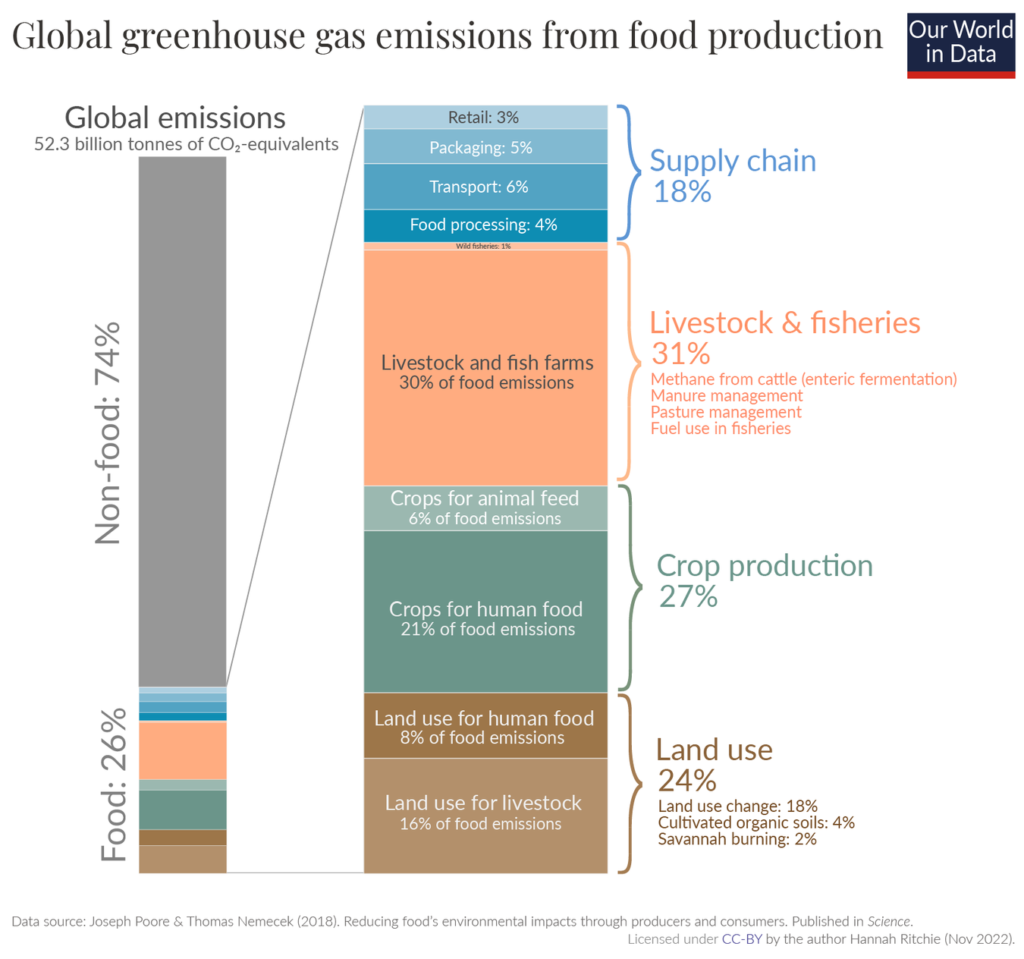
Image Source: https://ourworldindata.org/food-ghg-emissions
Enhance a Space’s Visual Appeal
If your apartment looks a bit drab, strategically adding plants into rooms is one of the best ways to perk it up. With their varied colors, textures, and heights, plants have the power to enhance an apartment’s visual appeal immediately. Combine statement pieces like cascading pothos and fiddle leaf figs to make vibrant focal points in any dull corner around your house.
Creative Apartment Gardening Ideas
Having an apartment garden likely means you need to work with a small area. Fortunately, multiple creative ways exist to grow plants in a limited space. The best thing about this is that you can combine them to maximize your plants’ density or yields. Below are some of them:
- Vertical Gardens: With a limited floor space to deal with, you need to think vertically. Your walls offer a lot of real estate to hold hanging baskets, tiered plants, mounted planters, and indoor trellises that can support climbing plants. A vertical garden can help you save space while lending your apartment a striking visual impact.
- Window Sill Gardens: Even if you live several stories up, you can still join the green bandwagon by making use of your window sills. Because this area often receives a lot of light, it’s the best place to add small pots of succulents and herbs.
- Balcony and Rooftop Gardens: Since a balcony or rooftop offers more real estate than a window sill, turning it into a mini garden shouldn’t be a problem. You can grow a mix of ornamental plants and edibles using containers, railing planters, and vertical garden kits to create a lush, functional space.
- Hydroponics and Aquaponics: If you don’t mind getting a bit technical, you can use hydroponics and aquaponics to make a soil-free garden in your apartment. These systems are ideal for growing leafy greens and herbs as they use nutrient-rich water and grow lights. Plenty of these systems are available online, and they’re designed for easy setup outdoors or indoors.
Getting Started with Your Apartment Garden
Now that you know there are plenty of different gardening opportunities in your apartment, it’s time to jump on the green bandwagon. Here are the essentials you need to consider:
Location
Before starting, consider where you want to set up your garden. The location you pick will help determine the plants you can grow. At the same time, it will affect your plants’ ability to thrive since it will dictate how much light they will receive.
North-facing windows or rooms often receive low light, making them suitable for snake plants and pothos. East or west-facing windows get medium light, which is ideal for ZZ plants and philodendrons. Meanwhile, south-facing windows, balconies, or rooftops get the most sunlight, which is what herbs, succulents, and cacti love.
Pro Tip: When choosing a location, think about a plant’s needs, including sunlight, water access, and drainage. You should also make sure to pick a spot you won’t easily forget because, as one saying goes, “out of sight, out of mind,” which can lead your plants to die.
Containers
Containers changed the way people grow plants in limited spaces. Not only do they fit in different places, but they can also be moved around when the need arises.
You might think choosing containers would be the easiest part of apartment gardening, but it isn’t. Containers come in all sizes, shapes, and materials. While you might be drawn to pick small ones because of your small space or those with pretty designs to boost the aesthetic appeal of your apartment, you may be unable to use them because your plants don’t fit.
As a rule of thumb, choose containers with enough wiggle room for your plants to stretch their roots. That way, they will grow to full maturity and produce as much as possible. If you have the time, energy, and creativity, you can also make custom containers so you can have more control over their width and depth.
Pro Tip: Ensure your containers have enough drainage holes to avoid waterlogging that can rot your plants’ roots. If you’re often out for work, consider getting self-water pots to ensure regular watering of your plants.
Plant Choices
A lot of plant options can thrive in urban dwellings. But, if you’re entirely new to apartment gardening, it’s best to stick with low-maintenance and hardy plants as they have minimal care requirements. You can try a mix of the following:
- Succulents and cacti are your best if you have a busy schedule. These plants thrive well with minimal watering since they store water in their stems or leaves.
- Herbs are the heroes of apartment gardening. Aside from being easy to grow and care for, they keep on giving no matter how much you harvest them. Good herb choices include mint, basil, chives, dill, cilantro, sage, thyme, and oregano.
- Leafy greens provide fresh ingredients for your different recipes, and many regenerate fast, ensuring you won’t run out of something to harvest. Lettuce, arugula, and spinach are some varieties that thrive in containers.
- Flowering plants are a great pick if you want to add color spots in your apartment where you want them. Some easy-to-care-for indoor flowering plants are African violets, geraniums, and gloxinias.
Pro Tips: If you intend to grow herbs and leafy greens, consider options that you can grow in abundant quantities that you know you’ll frequently use. This will help you save time and money in the long run.
It’s also a good idea to consider plants that can serve multiple purposes. For instance, geraniums not only lend decorative touches to a space but their flowers and leaves are also edible, making them a great addition to sweet recipes.
Soil and Fertilizer
Soil and Fertilizer
Soil is a pretty obvious component of a healthy garden since it provides a place for plants’ roots to take hold, spread out, and consume water and nutrients. In the case of apartment gardening, you’ll need to use a well-draining potting mix to let enough air and water to nourish the plant while avoiding waterlogging.
You should also consider getting a potting mix without added fertilizer or nutrients. It’s best to add these substances on your own as needed by the plants you will grow to avoid damaging them. Once you have a good potting mix and regularly fertilize your plants, they will do their thing, which is to grow and produce.
Pro Tip: Since potting mixes are conditioned for containers, many products in the market may contain harmful substances to mimic qualities inherent to natural soil. This is why it’s best to go for organic potting mixes; they contain nutrition that is derived from organic, non-synthetic ingredients like compost and manure. They also do not contain pesticides, making them better for the environment.
Keeping Your Apartment Garden Thriving
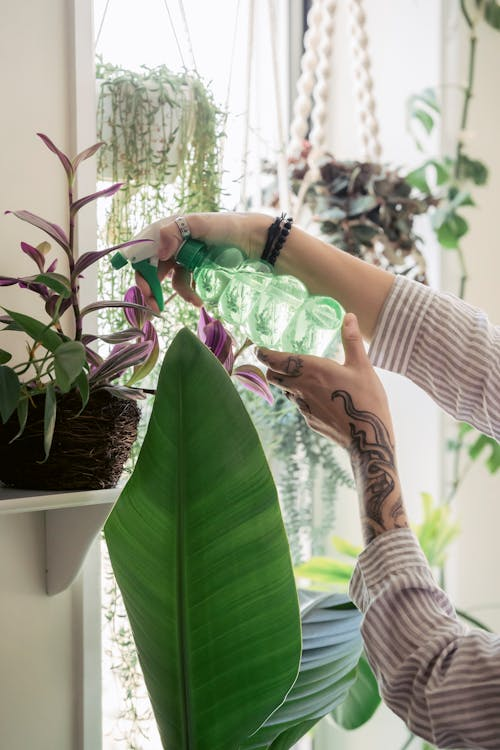
As noted earlier, an apartment garden has a lot to offer to an urban gardener. The least you can do is maintain it properly so it will thrive and be productive. Here are some things you must do to ensure that:
- Let the soil dry out slightly between waterings to avoid overwatering. Check the soil moisture by sticking your finger about an inch into the soil. If it feels dry, it’s time to water.
- The amount of natural light your apartment gets will vary as seasons change. With that in mind, move your plants to areas where they can receive adequate light. Investing in grow lights to supplement natural light during darker months is also a good idea.
- Regularly prune and trim plants to encourage new growth and keep them in a manageable size and shape.
- Always check your plants for any infestation. Rather than using harsh chemicals to keep pests at bay, use natural remedies like neem oil so it won’t affect your plants’ growth.
- Repot plants every 1-2 years to prevent root binding and give them more space and fresh soil to grow.
Conclusion
Taking up apartment gardening is an excellent way to green up a small space and improve indoor air quality. It’s also proven to improve quality of life by boosting mental and physical health. Likewise, it allows us to grow our own food, minimizing our reliance on rural farms for mass-produced food.
The good news is you don’t need to spend much and have fancy supplies to start an apartment garden. At a bare minimum, you’ll need a good location with sunlight and access to water, a container or two with proper drainage, some seeds or pre-sprouted plants, a good potting mix, and fertilizer. When you have all these on hand, you can enjoy the beauty and benefits of gardening right in your apartment.
Besides all that, don’t worry too much, even if you have little to no experience in gardening. You can always learn as you go. After all, there are a lot of resources dedicated to apartment gardening that you can readily access online. The most important thing is to start now. Before you know it, you already have a charming little nook of nature in your apartment and are growing your own produce.