Lifestyle

  1. Lifestyle
  2. Water
Busy? Try the speed read.

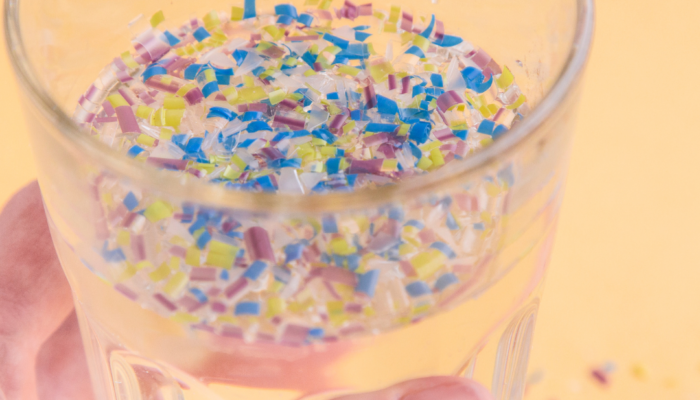
The scoop: Microplastics can be found in every crevice of the Earth. As they become more prevalent, they are more likely to impact human health.

Top ways to avoid microplastics:

  • Filtered tap water > bottled water.
  • Shellfish = microplastic.
  • Eat more fresh food, less takeout.

Zoom out: As the global production of plastic goes up, there will be more plastic to deal with. Research on the impact of microplastics on human health is still developing. Better to be safe than sorry.

Dig deeper → 4 min

  1. Lifestyle
Busy? Try the speed read.

The scoop: Don't wait for the next big world event to prepare yourself. How can you make you and your family more 'disaster-proof'?

Some disaster-proof tools:

  1. Practice the 50/30/20 rule. Spend 50% on 'needs, 30% on wants, save 20%.
  2. Utilize your 5 PM - 12 AM. Build a side hustle or passive income outside of your day job.
  3. Network, network, network. The best time to network is when you think you don't have to. Always present your best self and treat everyone equally.
  4. Make a strategic relocation. If you're thinking about making a move, do it when things are mellow. Don't wait for the next big event to pack your bags.
  5. Learn new skills. It can be professional, it can be personal. You can be 20, you can be 60. Just learn something new every day, week or month.

These goals are not perfect for everyone. BUT at least one or two is a tangible goal you can strive for. Set quantitative targets with time intervals.

Humans are only as sustainable as our ability to survive in harmony with nature. Invest in your survivability.

Dig deeper ➡ 3 min

  1. Lifestyle
Busy? Try the speed read.

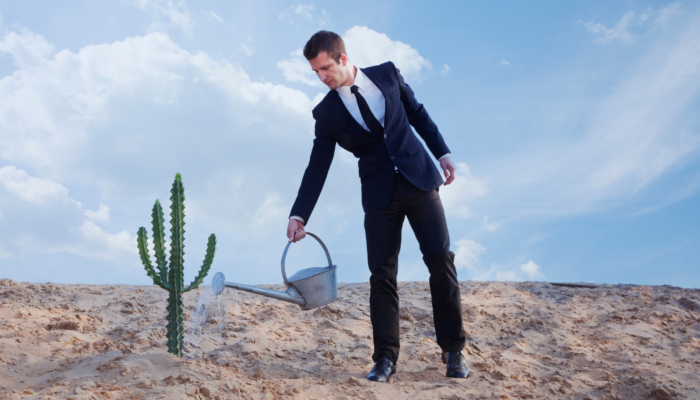
The scoop: Home gardening is a safe, simple way to take climate action in your backyard (or even in your kitchen!). You can also save yourself some $$, and get some much needed peace of mind.

What's wrong with the grocery store?

The industrial agricultural system takes a large toll on the environment. Whether cutting down trees for more farmland, or using fertilizer to increase crop yields, Big Ag is unsustainable in the long-term. Agriculture causes about 80% of worldwide deforestation efforts, with devastating environmental consequences.

Environmental benefits of home gardening: While home gardening won't change industrial agriculture, it can still have plenty of local environmental benefits on 1) your property and 2) its surrounding ecosystem.

Economic and health benefits: Studies show that being surrounded by more greenery can actually reduce stress and improve mental health. If your vegetation also grows well, you can save a few trips (and dollars) with some home-grown produce. If large vegetation is planted outdoors, you can even reduce electric bill consumption over time.

Bottom line: By expanding generalized access to indoor/outdoor gardening, we can teach more people to take decentralized climate action. It will also support more harmony with people and planet.

Dig deeper → 4 min

  1. Lifestyle
Busy? Try the speed read.

The scoop: Sustainability in 2020 was about transition. Let's make this decade about change (not the World Economic Forum kind... the ordinary people kind).

Top sustainability trends in 2020:

  1. Economics merge with environment
    • Rise of ESG superfunds
    • Corporate-social sustainability skyrockets
    • Individual sustainable investing spikes
  2. Climate awareness goes mainstream
    • Data showed most Americans now concerned about environmental issues.
    • Climate entered national politics.
    • Animals gained more rights - backed by science as much as emotion.
  3. Climate community can't stop fighting with itself. Here are different type of activists:
    • The optimist "Don't worry, science & tech will get us out of this mess!"
    • The concerned consumer "How can we blame corporations if we keep buying their products??"
    • The concerned citizen "The problem isn't with consumers, it's with citizens. You need to vote to make real change!"
    • The institutionalist "It doesn't matter what individuals do, it's governments and corporations that are to blame."
    • The doomsday-er "We are screwed no matter what, Kathy. Start preparing for the next Ice Age."
    • The compromiser "I think Biden made good cabinet choices for climate."
    • The radicalist "If you drive a gas car, I realistically can't spend Thanksgiving with you."

Bottom line: 2020 was a mixed year for sustainability, but we are bullish long-term.

Dig deeper → 7 min

  1. Lifestyle
Busy? Try the speed read.

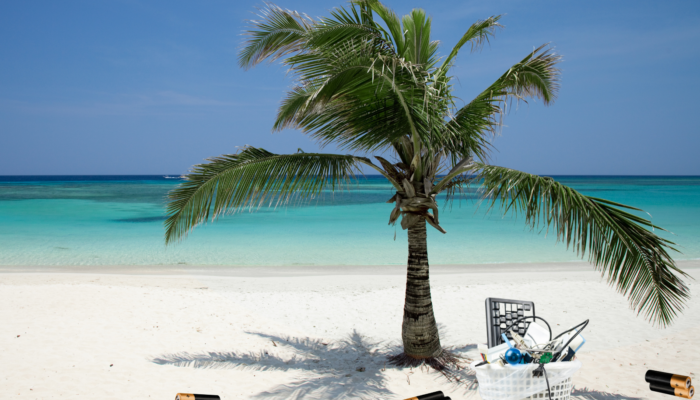
The scoop: Electronics produce millions of material waste every year. Here are some simple ways to recycle or repurpose your old gear.

Recycling electronics:

  • You can dispose of old batteries, computers, tvs, and phones at major retailers like Home Depot, Best Buy, Lowe's and Staples. Use a search engine to find one near you.
  • Make sure your device is shot before recycling it - you may be able to donate it, sell it online, or trade it in for a new device.
  • Always back-up old files and do a factory reset before selling, recycling or donating a device.

Bottom line: Being responsible with e-waste is an easy way to dampen your footprint and help under-served communities at the same time.

Dig deeper ➝ 4 min.

  1. Lifestyle
Busy? Try the speed read.

The scoop: Individuals need basic survival skills to lead a more sustainable lifestyle.

Ways to be more independent + sustainable:

  • Grow your own food
  • Make something from scratch (DIY)
  • Learn one new hard skill every "x" (42 examples with how-to videos below)
  • Rescue an animal
  • Make your property inclusive to wildlife
  • Stop buying random shit
  • Choose fresh air over screen time (at least once a day)

Bottom line: If you understand how to be independent, you can seamlessly be your best sustainable self. If you are dependent on institutions in your everyday life, you are not a sustainable human. Sorry, not sorry.

Dig deeper → 5 min

  1. Lifestyle
Busy? Try the speed read.

Big picture: Every influential organization and leader around the world (besides Trump) is telling us to Build Back Better. What are we trying to fix?

A little context: History shows how major global resets can fail poorer nations. Bretton Woods perpetuated inequality behind the veil of humanitarian activism. If the status quo changes the status quo, did the status quo really change?

Some talking points:

  1. Governments caused the COVID debacle, not the people. Yet, the people face the consequences.
  2. Governments (and international organizations), perpetrators of the broken system, want to fix it.
  3. Suggestions from big orgs are abstract and ambiguous, rather than tangible like term limits.

Bottom line: As we watch world leaders discuss recovery options, let’s prioritize tangible change rather than utopian fantasies.

Dig deeper → 2 min

  1. Lifestyle

The current tradition:

  1. Lot'sa pumpkin picking: American farmers produce billions of pounds worth of pumpkin every year. When they end up in the garbage, they decompose in landfills and emit methane/
  2. Cheap costume wearing: Costumes from Big Retailers like Amazon and Wal-Mart use cheap materials and labor. Many people only wear their costumes once or twice before throwing it out.
  3. Kids candy eating: Candy sales are up 13% this year despite the pandemic. Candy wrappers are are often improperly disposed of, and many treats use harmful ingredients like palm oil (causes deforestation).

Proposed solutions for Hallogreen:

  1. If you're going to buy a pumpkin, eat it (or let the squirrels eat it).
  2. Reuse, create or thrift a costume.
  3. Don't eat candy because it's basically corn starch with sugar and food dye. If you are sugar-crazed (not judging you), just make sure you dispose of it properly by checking for recycling labels and washing out food oils before throwing it in the blue bin.

Bottom line: Let's use 2020 as an opportunity to reflect and reform wasteful traditions by making this October Hallogreen.

Dig deeper → 2 min

  1. Lifestyle

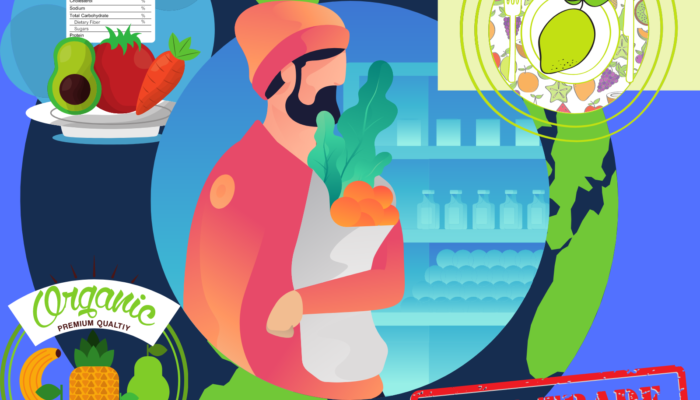
Big picture: Navigating food labels that empower sustainable consumption should not be a challenging mess. We created a sustainable food shopping guide to help you navigate the label overload using the United Nations Sustainable Development Goals as a metric. 

Why it matters: We live in a world of greenwashing and companies working to get a competitive advantage with “natural” and “sustainable labels. Our extra spending dollars should go to companies and certifiers making strides towards the Sustainable Development Goals – not those greenwashing.

Our recommendations: Overall, choose products that fit your needs and your budget. In a grocery store setting, choose third-party certified products to ensure they are meeting the standards that support sustainability. Fair Trade, American Grass-fed, and USDA Organic are reliable certification labels that have standards striving towards environmental and social sustainability.

Dig deeper → 4 min
  1. Lifestyle

What is period poverty? Inequalities related to menstruation. That includes the lack of access to sanitary products, menstrual hygiene education, toilets, hand washing facilities, etc.

Who does it affect? Students, low-income and homeless women and girls, transgender and non-binary individuals, and the imprisoned all struggle with period poverty. Girls with special needs and disabilities are also disproportionately affected.

What are the main causes?

  • Improper education― we often stigmatize menstruation.
  • Economic barriers―menstrual products are costly (and in some cases taxed).

Why is it a problem? Period poverty increases physical health risks, such as reproductive and urinary tract infections, when the proper resources are not easily accessible. This causes women to turn to unsafe substitutes. Period poverty also widens the educational and economic gap.

Periods and planet

  • In North America, about 20 billion tampons and pads go to landfills every year, and the non-organic items take at least 500 to 800 years to decompose.
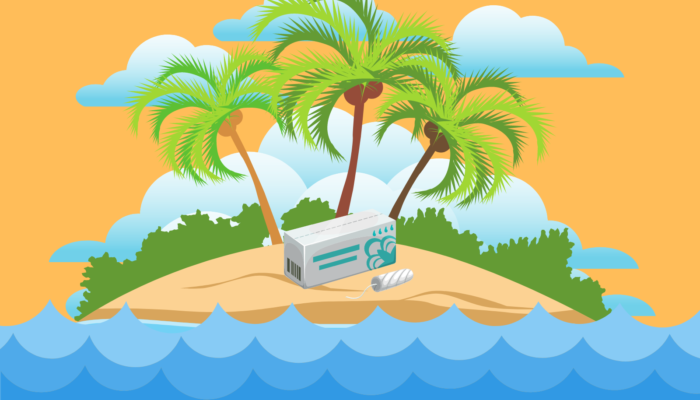
  • Disposable menstrual products are the fifth most common type of waste washing up on beaches, according to a report by the European Commission
  • The manufacturing of disposable menstrual hygiene products generates a total carbon footprint of about 15 million tons of greenhouse gas emissions annually―the equivalent of burning about 35 million barrels of oil, according to the United Nations Environmental Program

How can we promote sustainable periods?

  • Choose reusable menstrual products (e.g., period proof underwear, menstrual cup, and reusable tampon applicators and pads)
  • Choose cotton products and support transparent brands if disposable products are necessary
  • Demand that corporations make plastic-free sanitary products

Bottom line By normalizing menstruation and destroying taboos around the natural process, we can prioritize menstrual equity policy that makes sustainable menstrual products and sanitation available for all.

Dig deeper → 4 min
Weekly Newsletter

> Be Part of the Solution

Join our community of +220k Conscience Readers

Trending News | Innovations | ESG
Brand Reviews | Careers

Sustainable Review is copyright material. All rights reserved.

Exclusive Content Weekly

> Be Part of The Solution

Join our community of +220k Conscious Readers