
The COVID-19 pandemic was a big challenge for everyone around the world. Yet, beyond its legacy in health, it also made people pay more attention to how we can live better for the planet. Today, there’s a big push toward living sustainably, making changes and innovations that could help our future.
Now, as we move forward, sustainability is becoming even more critical. People are ready for positive changes. They see the need to live in harmony with our environment and are eager to join in on actions that lead to a better world.
In this piece, we’ll explore some sustainability trends gaining momentum in recent years–during and post-pandemic. We’ll examine these trends, why they matter, and how they could shake things up for the better. Let’s dive into these exciting sustainable development trends and see what they mean for all of us.
Key Takeaways
- The COVID-19 pandemic’s legacy goes beyond health, heralding a new era of innovation and a profound sense of responsibility toward sustainability.
- Recent sustainability trends reflect a growing global commitment to address climate change and environmental issues.
- Renewable energy, corporate transparency, and circular economy practices are among the leading sustainability trends.
- Challenges such as stakeholder engagement and policy implementation remain crucial in realizing sustainable goals.
- Embracing positive change requires collaboration, innovation, and a shared vision for a sustainable future.
The Unexpected Silver Lining of COVID-19
The world was caught off-guard by the COVID-19 pandemic. It wasn’t just a health crisis; economies around the globe stumbled as industries and businesses paused.
However, the COVID-19 pandemic has not only reshaped our world regarding health and economy but has also presented a unique opportunity for sustainability.
A study in Bioresource Technology Reports highlights a silver lining from the COVID-19 crisis: a significant dip in greenhouse gas emissions, mainly from transportation. That includes both air travel and road transport, known contributors to pollution.
The drop in emissions came about for several reasons. Government-imposed lockdowns disrupted usual travel patterns. With many working from home, the demand for public transit and personal car use plummeted. Social activities faced restrictions, too, leading to even fewer journeys made. This shift lowered oil and coal consumption, significantly affecting greenhouse gas emissions.
Another benefit during this time was cleaner air in cities and commercial centers worldwide, including places like China, Brazil, New York, Canada, Italy, and India. Notoriously polluted areas experienced better air quality and visibility. This improvement was primarily due to decreased energy demands linked to transportation, including a notable reduction in international flights during peak lockdown periods.
Aside from the noticeable reduction in greenhouse gas emissions, less human travel also benefited wildlife. A study cited in an article published in Medical News Today found that in Poland, the number of hedgehogs killed on roads in March 2021 had dropped by more than 50% compared to the years before COVID-19. This decrease potentially saved tens of thousands of hedgehogs, offering a glimmer of hope for the declining European hedgehog populations.
Such wasn’t just observed in Poland. An analysis of roadkill data across 11 countries noted a general decline in roadkill rates. Specifically, during the initial weeks of pandemic restrictions, Spain, Israel, Estonia, and the Czech Republic saw roadkill rates plummet by more than 40%. This unexpected benefit highlights how reduced human mobility during lockdowns has positively affected wildlife.
Moreover, the decrease in maritime activities such as shipping, fishing, aquaculture, and tourism lowered the risk of ships accidentally striking marine life and meant fewer disturbances in their natural habitat.
The quieter oceans offered another significant benefit – a break from noise pollution. Usually, the sounds from ships, fishing sonar, and recreational boats add to the noise levels underwater, which can disrupt marine life. With fewer such activities during the pandemic, the oceans were quieter, making it less stressful for fish and other marine creatures.
What do these examples show us? They highlight a powerful message: Our everyday choices and actions have significant impacts. By adjusting how we live and what we value, we can make positive changes for our planet. These situations inspire us to rethink our priorities and to appreciate the natural world more deeply. It’s a reminder that we all hold the power to foster a healthier and more sustainable environment through the decisions we make every day.
As nations grapple with the aftermath of the pandemic, there’s a heightened awareness of the interconnectedness between human health and the environment. The pandemic underscored the importance of resilient and sustainable systems, prompting a reevaluation of existing practices and policies.
Post-pandemic, businesses and governments have increasingly recognized the need to integrate sustainability into their recovery strategies. COVID’s legacy extends beyond immediate health concerns, from supply chain resilience to emission reduction initiatives, highlighting the imperative for sustainable solutions in a post-pandemic world.
Sustainability Trends on the Rise

Amidst the challenges posed by the pandemic, several sustainability trends have emerged, gaining traction in various sectors.
Health Merge with Environment
Research is uncovering a clear connection between harming nature and the rise of disease outbreaks. This adds a crucial perspective: protecting and reviving nature is key to preventing future pandemics.
According to Conservation International, nature’s ecosystems work much like the human body, thriving on diversity and balance. When ecosystems are strong and diverse, with plenty of space for animals to live healthily, they’re less likely to become hotspots for disease. However, as humans venture further into wild areas for activities like logging or mining, they increase their contact with wildlife—and the potential diseases these animals may carry.
Human actions that damage wildlife habitats can lead to animals becoming stressed or sick as they’re forced into new areas or squeezed into smaller spaces. This increases the chance of them coming into contact with humans or domestic animals, creating pathways for diseases from wildlife to people.
Moreover, wildlife facing threats from exploitation or loss of habitat are more likely to harbor diseases. With the continued destruction of natural spaces, research warns that outbreaks originating from animals will happen more often. This situation underlines the urgency of preserving natural environments for their intrinsic value and as a critical step in safeguarding public health.
The COVID-19 pandemic has changed how we see health and its relationship with the environment. We’ve learned about the deep connection between our well-being and the planet’s health in trying to control the virus. Adopting sustainable habits is more than just good for the earth; it helps build healthier communities and supports thriving ecosystems. This understanding points to a future where taking care of the environment is a vital part of taking care of ourselves.
Economy Merge with Environment
The global push for economic recovery post-pandemic has opened up a new pathway: aligning economic growth with environmental sustainability. As businesses and governments pour resources into rejuvenating economies, there’s an increasing focus on incorporating sustainable practices that ensure long-lasting resilience and flourishing prosperity. This approach marks a significant shift towards intertwining economic revival with ecological well-being.
For instance, more governments are investing in green infrastructure projects like renewable energy facilities or sustainable public transportation systems, which create jobs and reduce our carbon footprint.
Another example is the transformation of supply chains to enhance sustainability; companies are rethinking how products are sourced, manufactured, and distributed to minimize environmental impact. By adopting eco-friendly materials and processes, businesses can significantly reduce waste and pollution, contributing to a healthier planet.
These examples underscore how economic recovery and environmental sustainability are not mutually exclusive but rather complementary. Through innovative strategies and mindful investments, we can rebuild economies that are robust, resilient, and in harmony with nature.
Policy Merge with Environment
Effective governance has never been more critical in steering the direction toward sustainability. In the wake of the pandemic, it has become evident how essential proactive governance and international collaboration are in tackling pressing issues like climate change and environmental decay.
Policies and regulations geared towards sustainability can lay the groundwork for significant systemic transformation. They pave the way not just for short-term solutions but for fostering a sustainable future that benefits everyone.
For example, governments can drastically reduce national carbon footprints by implementing regulations that encourage green energy use. International accords on climate action, such as the Paris Agreement, exemplify how countries can create ambitious targets for reducing greenhouse gas emissions. Another significant step could be policies promoting sustainable agriculture practices, helping preserve biodiversity while ensuring food security.
Through these methodologies, political figures and entities have the power to instigate real change, making the environment an integral part of their governance approach. This paradigm shift marks a journey towards a society that values ecological health as a cornerstone of prosperity and well-being.
Embracing a Cashless Future
The move toward a cashless society gained momentum during the pandemic as more people turned to digital means for their transactions. This shift is about making payments more convenient and efficient and opens the door to sustainability possibilities.
Digital payment systems bring with them the potential to diminish the environmental footprint left by traditional banking methods and the production, circulation, and disposal of physical cash. For example, reducing the need for physical branches can reduce energy consumption and the resources needed to construct bank buildings. Furthermore, less cash in circulation means decreased costs and environmental impacts associated with printing currency, transporting money, and maintaining ATMs.
Moreover, the rise of a cashless society also has the potential to bridge the financial inclusion gap, according to the World Economic Forum. As we shift towards digital payments, banking, and money transfers, especially in this last crucial mile, we’re opening doors to those previously excluded from the formal financial system.
Digital finance can reach remote and underserved communities where traditional banking infrastructure is sparse or non-existent. Mobile banking and payment apps enable access to banking services with nothing more than a smartphone, removing physical barriers to financial participation. That includes more accessible ways to save, make transactions, access credit, and even invest.
This transformation promises to bring millions into the fold of economic activities, offering them greater control over their finances and the opportunity to improve their livelihoods. As we embrace a cashless future, we’re not just moving towards efficiency and sustainability; we’re making strides in building a more financially inclusive world.
Sustainable Investing
Before the pandemic, sustainability was a hot topic in the investment world. It was so prominent that regulators started worrying about how funds were using the “sustainable” label—similar to the overuse of “dotcom” in the early 2000s.
Yet, after the pandemic struck, investors and regulators increasingly recognized the importance of integrating environmental, social, and governance (ESG) factors into their investment decisions.
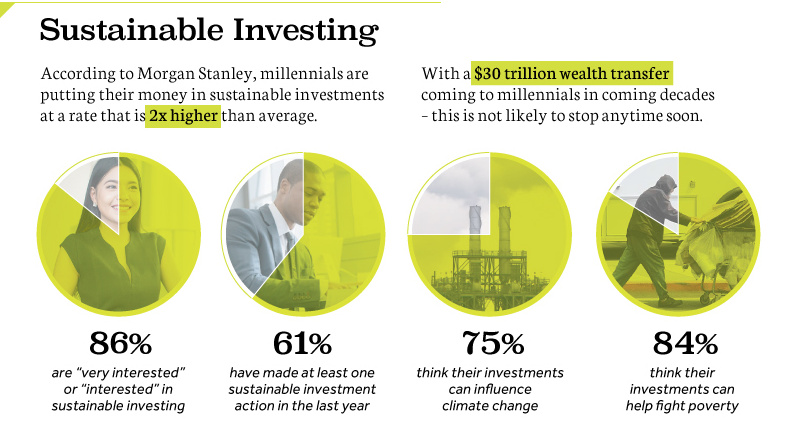
Image Source: https://www.visualcapitalist.com/wp-content/uploads/2017/08/sustainable-investing-share.jpg
Today, incorporating social responsibility into a business strategy isn’t optional—it’s essential for long-term viability. Industry leaders like Larry Fink and David M. Solomon have echoed this sentiment, emphasizing that ‘climate risk is investment risk.‘
Sustainable investing aligns with ethical values and offers financial benefits and risk mitigation opportunities. Investors can drive positive change and contribute to a more sustainable economy by directing capital towards companies and projects prioritizing sustainability.
Early adoption is also crucial. Those who embrace sustainable practices now will lead, while others may find themselves struggling to catch up.
You can learn more about sustainable investing here.
Increased Climate and Animal Awareness
Amid the challenges of the pandemic, a wave of environmental consciousness has swept across communities worldwide, shining a spotlight on the pressing issues of climate change and biodiversity loss. This heightened awareness is not just a fleeting moment but a robust call to action, driven by various factors ranging from increased media coverage, activism, and scientific insights to firsthand experiences with natural disasters like wildfires. The collective result? There is an undeniable urge among the public for governments to step up their efforts in combating these environmental crises.
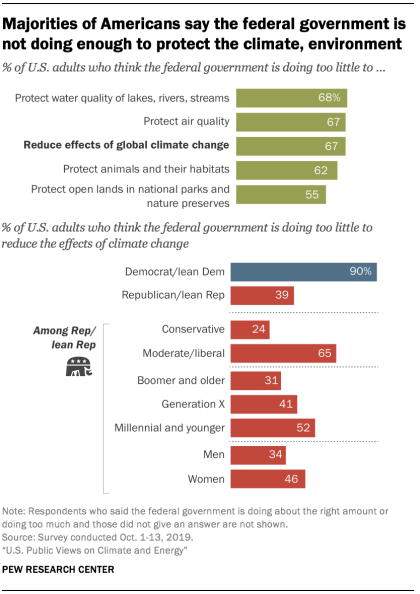
Image Source: https://www.pewresearch.org/science/2019/11/25/u-s-public-views-on-climate-and-energy/
Moreover, the discourse on animal rights has significantly broadened, making it a mainstream concern. This shift is critical because understanding and improving our relationship with animals is foundational to achieving sustainability.
The work of ethologists like Jonathan Balcombe is pivotal in this regard. Their research challenges outdated views on animal intelligence, revealing that animals are far more sentient than previously acknowledged. Recognizing animals’ capacity to experience a broad spectrum of emotions – fear, joy, love, and more – underscores our shared planetary citizenship and mutual empathy.
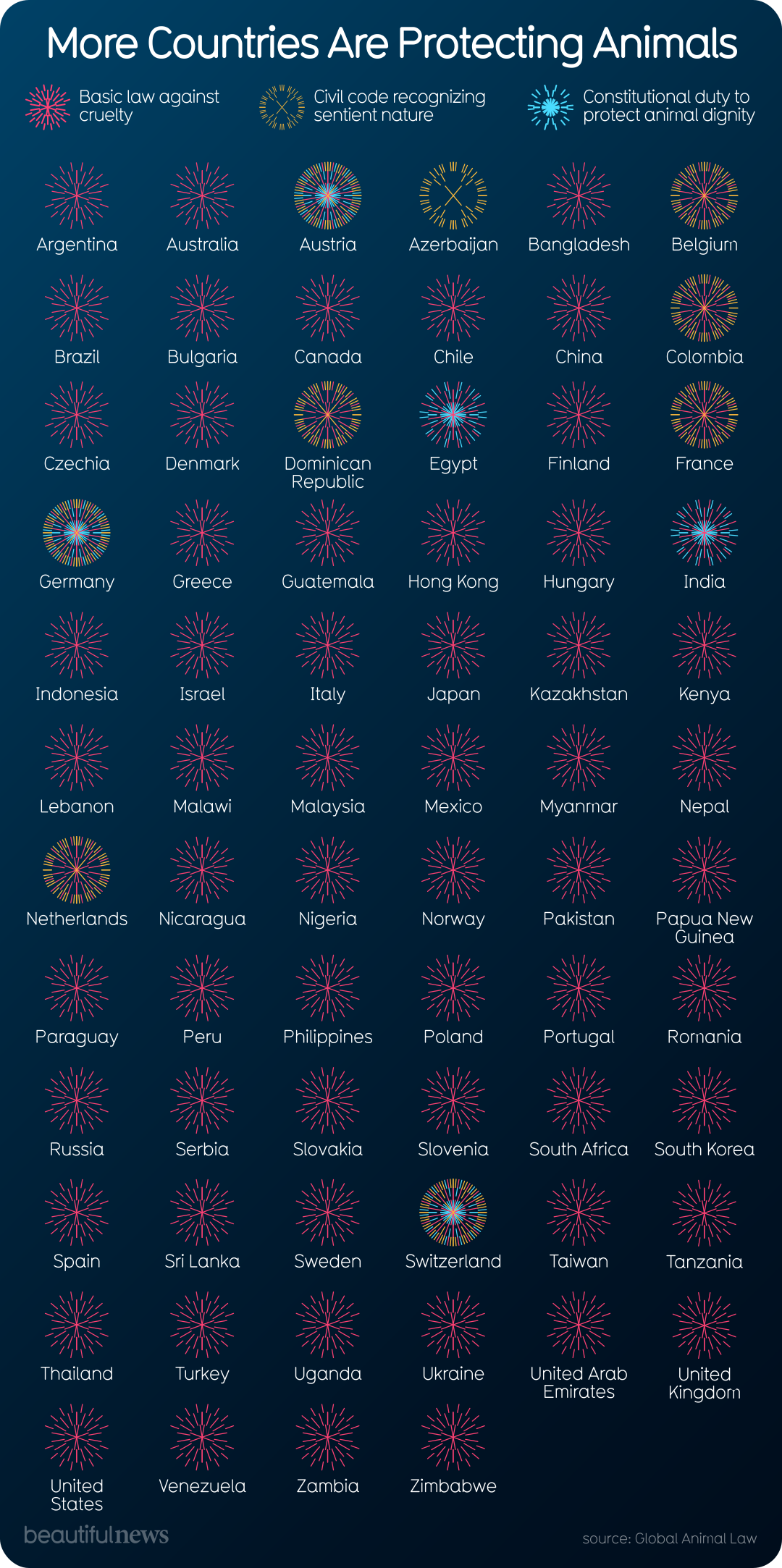
This evolving appreciation for animal sentience and ecological integrity underscores the need for systemic changes. By integrating these insights into our collective response to environmental challenges highlighted by the pandemic, we can aim for a more sustainable future. There’s a growing realization that protecting our planet starts with how we treat its inhabitants — human or otherwise.
The push towards sustainable solutions has gained remarkable momentum in light of this. People are eager to participate in creating a healthier planet, signaling a shift towards practices that ensure resilience and sustainability at both individual and governmental levels. This transformative period presents an invaluable opportunity to realign our actions with the health of our planet, propelling us toward a future where both nature and humanity can thrive in harmony.
Looking on the Other Side
While the proliferation of sustainability trends offers hope for a greener future, there are challenges and complexities to navigate. For instance, the climate community’s state is marked by diverse perspectives, priorities, and purposes. While some advocate for ambitious climate action, others prioritize economic interests or question the urgency of environmental concerns.
Here, we delve into some of these perspectives shared by commenters, showcasing the varied approaches to tackling environmental issues.
- The Optimist: Emphasizes the importance of celebrating every small victory in green energy and sustainability. They highlight that progress often comes in incremental steps, and maintaining momentum is crucial for broader acceptance and investment in these solutions. This viewpoint counters the notion that only sweeping changes are worthwhile, advocating for a realistic appreciation of gradual advancements.
- The Concerned Consumer: Draws attention to corporate responsibility, noting businesses’ significant impact on environmental degradation. They reflect on the power of consumer choices but also acknowledge the challenge of changing habits in a market driven by profit motives and short-term desires.
- The Concerned Citizen: Believes that while individual actions matter, systemic change led by governmental actions is essential for meaningful progress. They argue that market failures due to environmental externalities require political intervention and citizen engagement to advocate for policy changes.
- The Institutionalist: Echoes this sentiment, stating that consumer-led activism has limits and that legislative efforts are needed to enforce broad environmental safeguards. They advocate for laws that effectively reduce consumption through regulation rather than relying solely on personal choice.
- The Doomsday-er: Points out the reluctance within the climate conversation to confront worst-case scenarios. By avoiding discussions about severe outcomes, there’s a risk of underestimating the urgency of climate action. They call for a more open acknowledgment of potential catastrophic impacts to galvanize efforts.
- The Compromiser: Discusses the pitfalls of radicalism, suggesting that extreme positions can alienate those not already aligned with such views. They stress the importance of approachable and educative dialogues about climate issues, sharing a personal journey from skepticism to passionate advocacy, thanks partly to informative and non-confrontational learning experiences.
- The Radicalist: Conversely, argues that the severity of environmental crises demands a more radical approach. They suggest facing dire problems—akin to the trolley dilemma in ethics—might require difficult decisions and actions pushing beyond comfort zones. This perspective highlights a perceived necessity for bold moves to achieve justice and meaningful change in the face of imminent threats.
These divergent viewpoints underscore the complexity of navigating climate action and sustainability efforts. From incremental steps heralded by The Optimist to The Radicalist’s call for sweeping change, each viewpoint contributes to a broader understanding of effectively addressing environmental challenges.
A collection of sustainability strategies emerges from these perspectives, reflecting the multifaceted nature of climate issues. It acknowledges that singular approaches may fall short in addressing the breadth of environmental concerns, suggesting instead that a blend of tactics—ranging from policy reform and corporate responsibility to grassroots activism and personal behavior changes—may be necessary.
Moreover, this rich array of opinions serves as a reminder that the climate conversation is an evolving dialogue that benefits from inclusivity and openness to differing viewpoints. By engaging with these diverse voices, we stand a better chance of crafting comprehensive strategies capable of inspiring action across the spectrum of society.
As we progress, the key may lie in finding common ground among these perspectives, fostering collaboration while respecting differences. Such an approach could propel us toward more effective and encompassing solutions, uniting a broad coalition in the quest for a sustainable future. While opinions on how best to proceed vary widely, the underlying commitment to protecting our planet binds these voices together—a collective concern that might be the driving force needed to catalyze significant environmental change.
Conclusion
As we navigate the complexities of sustainability post-pandemic and beyond, it’s essential to keep sight of the most important principles guiding our journey. Collaboration and partnership are crucial to driving meaningful change, transcending boundaries and silos to create a shared vision for a sustainable future. Innovation and technology will be essential in unlocking new opportunities and overcoming existing challenges.
Moreover, a commitment to transparency and accountability among politicians, policymakers, and businesses is essential for building trust and credibility in sustainability efforts. By embracing positive change and harnessing the power of sustainability trends, we can pave the way for a brighter, more resilient future for generations to come.
Frequently Asked Questions
What are the main sustainability trends to focus on post-pandemic?
Some of the main sustainability trends to focus on post-pandemic include renewable energy, transparency in sustainability reporting, an approach to sustainability, clean energy, and a shift towards sustainability goals.
How important is it for companies to set sustainability goals?
Setting sustainability goals is crucial for companies to align their strategies with environmental and social responsibility objectives, driving positive change and long-term impact.
What is the significance of transparency in sustainability initiatives?
Transparency in sustainability initiatives is essential for building trust with stakeholders, showcasing a commitment to responsible business practices, and driving accountability within organizations.
What does CSR and CSRD stand for in the context of sustainability?
CSR stands for Corporate Social Responsibility, while CSRD refers to Corporate Sustainability Reporting Directive, which outlines guidelines for companies to disclose sustainability information.
How can companies adopt a more sustainable approach to their operations?
Companies can adopt a more sustainable approach by integrating sustainability into their core business strategies, promoting clean energy practices, and addressing climate-related risks and opportunities throughout their value chain.
What are the key challenges in achieving clean energy goals?
Key challenges in achieving clean energy goals include reducing carbon emissions, transitioning away from fossil fuels, and mitigating the climate impact of business operations.






















No Comments