Lifestyle

  1. Lifestyle

The scoop: There is an understandable skepticism around GMOs due to our bias for natural products. But GMOs have many undeniable social and environmental benefits.

What to know: The science agrees with the use of GMOs – 90% of scientists believe they are safe.

  • GMO stands for Genetically Modified Organism. It is the process of selectively breeding plants with other genes to create desirable characteristics.
  • GMO characteristics have the potential to address food security with projects like Golden Rice.
  • GMOs can also help reduce food waste and help growers adapt to climate change with drought, heat, or flood tolerant seed varieties.
  • While GMOs are often negatively associated with health and sustainability, there is little to no science to support this claim.
  • There is overwhelmingly more research that supports GMO's ability to positively influence health and sustainability.

Bottom line: GMOs have become somewhat of a controversy, but the scientific consensus shows they are safe. In the face of a growing population and increased land use, we need a more efficient agriculture industry to be sustainable. GMOs are at the core of a more sustainable future, and more efficient food systems.

Dig deeper → 3 min

  1. Lifestyle

The scoop With increased pressure on supply chains from COVID-19, food systems are seeing a shift toward local-purchasing. For environmental purposes, maintaining local food supplies post-pandemic will be crucial.

Support farmers markets, food hubs, and community-supported agriculture. Ride the wave toward more resilient and sustainable food systems.

Things to know

  • Large-scale and complex food systems buckled under the unpredictability and immeasurable pressures of a global pandemic
    • Millions of pounds of food products lost across the US
    • Grocery stores are dealing with food shortages
  • Consumers are shifting to purchasing locally and local farmers face an increased demand for local food
  • We need resilient and sustainable food systems even after the pandemic
  • How to support local and shop small:
    • Farmers’ Markets
    • Community Supported Agriculture Programs
    • Food Hubs

Bottom line Eating local should not be expensive or exclusive. You can buy local food based on what fits your schedule and budget. Sustainable and local food systems rely on consumer behavior.

There is no doubt a major increase in local purchasing during COVID. However, reaching sustainable development goals and building resiliency in food systems requires your action to support local farmers. Buy local.

Dig deeper → 5 min

  1. Lifestyle

What are you talking about? Plogging. AKA jogging while picking up litter. Yes, you can exercise and help the environment AT THE SAME TIME.

Pro-tips for plogging

  1. Safety: Look before you touch and use good judgment. If you suspect something may be hazardous, leave it be and notify your local township!
  2. Reycling properly: Recycle according to local laws. Most parks and rec facilities have recycling bins. Use them! If you are unsure about your local recycling policy, look up '{city/town} {state} recycling' on your favorite search engine
  3. Local clean-ups: Check your area for local clean-ups at parks, lakes, rivers and highways.
  4. Share on social: Use #plogging and post your eco-warrior efforts on social media so other people can learn about this awesome trend!

Dig deeper >1 min

  1. Lifestyle

What to know Michael Moore’s 'Planet of the Humans' criticizes the green energy movement. It was met with outrage from the environmental community. The movie was re-released after a copyright infringement for free viewing on June 5th.

The film's argument 'Planet of the Humans' argues that

  1. Green energy does not have the capability to save the planet from a climate crisis.
  2. Leading environmental organizations’ motives are muddied by ties to the fossil fuel industry.

The critics Environmentalist Josh Fox and others rebuked the film for its inaccuracies. Most of the footage is from 5-15 years ago, and information about solar and wind technology is also stuck in that time period. Despite this, the footage is misleadingly not marked with dates.

Zoom out It is true that green energy technology can be poorly implemented, but this does not mean that green energy as a whole is useless, as the film suggests. In the words of Fox, “to attack the basic premise that renewable energy works is patently absurd.”

Dig deeper → 4 min

  1. Lifestyle

Hot take The Zero Waste movement is failing.

Some key talking points

1. Barrier to entry The environmental movement has struggled with inclusivity and accessibility since its inception. Geographic location can heavily impact one’s ability to practice zero waste.

Bulk food stores, farmers markets and zero-waste shops sprout up in trendy metropolitan cities like San Francisco, but are rarely sighted in rural towns.

2. Trendy products = more consumption Pressure on companies to be more sustainable is seemingly a victory for environmentalists. However, as consumer-centric businesses seize upon Zero Waste trends, the advertising has paradoxically become about consuming more, rather than less (there are exceptions).

Alternatives to Zero Waste

  • Diet Reducing consumption is largely considered the single most effective way to reduce your carbon footprint. Second to that is purchasing local foods and unprocessed foods.
  • Transportation Reduce reliance on car and air travel. Use public transportation, or bike. Or, you can never leave your house again because... covid.
  • Fast Fashion Avoid the incredible footprint of fast fashion. Buy second hand, stay informed. Unlearn the tendency to purchase quantity over quality.
  • Activism The climate crisis was caused by individual consumers. To change what you can’t directly control, become involved in activism. Looking for a place to start? Try Fridays For Future or Sunrise Movement.

Proposal Instead of the Zero Waste movement, let’s call it the Low Impact movement. Names are powerful, and not only is this phrasing more attainable, it is less self-righteous and exclusionary.

This is a beautiful movement that has lost its authenticity. The more genuine we can make it, the more impactful and widespread it will become.

Dig deeper → 7 min

  1. Lifestyle

The problem with food waste

  • 30% of all food in the US is thrown out (UN Environment)
  • Food waste is often incinerated, which causes pollution... instead of feeding hungry mouths, or nourishing soil as compost. 
  • Food waste harms the environment, which is already stressed by food production’s demand for land, water, and the associated release of greenhouse gas emissions.

What you can do

  1. Plan meals ahead of time
  2. Use leftovers creatively, in multiple ways
  3. Shop responsibly, with a purpose
  4. Store food intelligently; don't let it go bad too soon
  5. Support local initiatives, there are good-neighbor ways to help

Bottom line As individuals, we can reduce the environmental consequences of food waste by making simple adjustments to our food habits. Cultivating awareness around food waste will help us work towards a more sustainable food system.

Dig deeper → 4 min

  1. Lifestyle

How it stands

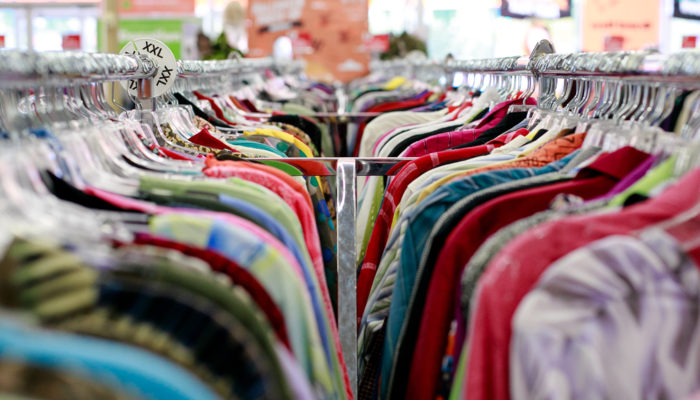
  • An estimated 45-70% of clothing donated in Western countries (US, UK, Germany) enters the global used clothing trade.
  • Clothing is sold to traders in Sub-Saharan Africa (Ghana, Kenya, Rwanda) and ends up in used clothing markets in cities, towns and villages.

Background

  • Starting in 1980, economic liberalization (i.e. reforms to open their borders to international trade) in Sub-Saharan Africa caused domestic manufacturing to decline and increased demand for imported, cheap, used clothing to the region. 
  • The used clothing trade is a lucrative profession for those with limited job prospects. A used clothing trader in Nairobi can make up to 1000 shillings a day ($9 USD), 10 times the prevailing wage.
  • In 2016, the East Africa Community (EAC)  - an intergovernmental organization of six East African countries - decided to ban all imports of used clothing by 2019 to boost local manufacturing and create employment opportunities. The effects of this ban are unclear.

What can we do

  • The problems plaguing the Sub-Saharan African textile industry are complicated to say the least. Limiting the used clothing trade is not enough to reinvigorate manufacturing.
  • Dominant trends like fast fashion encourage consumers to buy new and improved products and discard the old ones at the expense of manufacturing economies in developing nations. Next time you go to donate those old T-shirts, carefully consider the downstream impacts. Out of sight does not mean out of mind.

Dig deeper → 3 min

  1. Lifestyle

What’s the sitch? For all the innovations we have today, access to quality food is still a critical issue across the globe. Food disparity is driven by a number of factors, such as income inequality and local production levels.

Big picture The barriers that prevent many people from eating healthier are interconnected with race, inequality, and systemic biases embedded in our society. Race, education, careers, income, and housing all play a role in determining food access.

Why it matters Overcoming system inefficiencies like excessive subsidies for meat production helps to lower barriers to healthier foods but it will take a national and global effort to completely eradicate systemic inequalities.

Dig deeper → 1 min

  1. Lifestyle
  2. People
  3. Thinking

What to know

  • Wealthy countries are perpetuating climate issues, but the strongest impact is felt in poorer nations. 
  • Between 1850 and 2011, developed countries accounted for 79% of global carbon dioxide emissions.
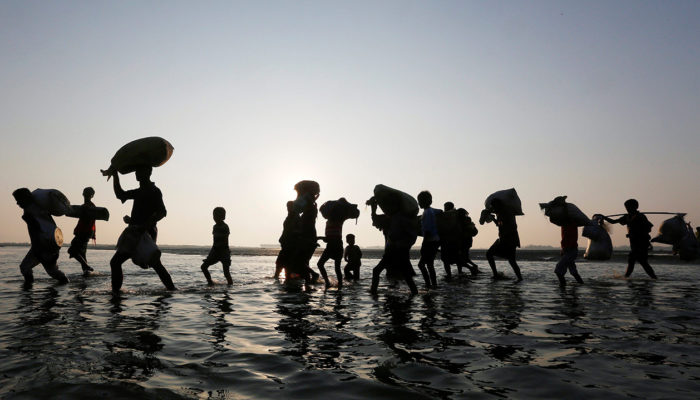
  • Developing countries in South Asia, Africa, The Caribbean and Latin America are especially vulnerable to the effects of climate change such as hurricanes, floods, and heatwaves but have limited resources to recover or avert these crises,leading to poverty and conflict.
  • By 2050, there could be 140 million climate change migrants.

Why it Matters

  • Climate change and social justice are inextricably linked
  • As we work towards a more sustainable planet, we need to focus on solutions that also address global inequality as a contributing factor.

Dig deeper —> (2 min)

Weekly Newsletter

> Be Part of the Solution

Join our community of +220k Conscience Readers

Trending News | Innovations | ESG
Brand Reviews | Careers

Sustainable Review is copyright material. All rights reserved.

Exclusive Content Weekly

> Be Part of The Solution

Join our community of +220k Conscious Readers