People

  1. Lifestyle

If you’re a socially conscious adult, you may have experienced trouble navigating the jungle of brands and product offerings that is the eco-friendly space. 

Big picture: Shopping dominates modern culture, yet it also advances many issues like messy supply chains or the abundance of plastic waste in the ocean.

Between the lines: Buying green or purchasing eco-friendly products creates a ‘warm glow’ in consumers. It generates satisfaction, like the feeling from helping others. 

Purse vs. Purpose

  • Buying less is better for the pocket book, but buying green isn’t often more expensive. 
  • Price often largest barrier for consumers
  • Eco friendly items are often more expensive to less sustainable alternatives 

For the people: Buy green or Buy less? Short answer — do both 

  • Limiting your consumption within reason
    • On one : you don’t need to stop buying things you need on a regular basis, but you might not need that fourth pair of sunglasses
    • On the other : you might deserve that new pair of sunglasses after your latest accomplishment, we get it. We encourage you to find a company that has limited environmental impact - Read how here.

Dig deeper → 3 min

  1. Lifestyle

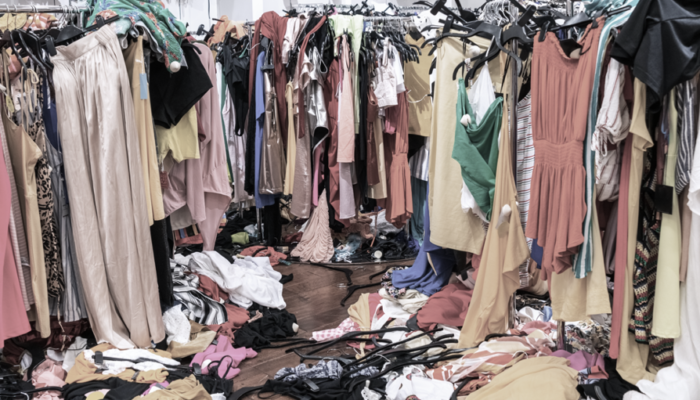
The scoop The fashion industry faces criticism for not following environmental standards to produce cheaper closet updates. Once again. But at what cost?

At the expense of exploiting cheap labor and adding to the global problem of industrial pollution. Brands such as Zara have been at the center of this heated debate as they continue to follow their fast business models.

The invisible price tag

  • Online fashion houses such as Zaful, Shein and Romwe make millions on their fashion lines by taking advantage of low-wage labor in sweatshops in China and other parts of Asia. 
  • Customers fall victim to the low prices of their goods but a rising number in the online consumer market have complained about the sub-standard quality of the items they purchase. 
  • Consumers of fast fashion tend to ignore the moral and environmental standards that companies disregard. 

What are the consequences?

  • Over 265 million children globally are enslaved by manufacturing houses found guilty of illegal labour practices. 
  • As of 2017, only 15% of old clothes were recycled.
  • Companies such as Zaful make greenwashing claims about their sustainability programs but there is a shadow of doubt as to what their policies on environmental management actually are?

Eco-friendly goes beyond price

  • There are strict sustainability guidelines which restrict organic cloth manufacturers from scaling their production.
  • Sustainable fashion must enable the consumers to lead more minimalist lifestyles. 

Choose slow fashion

  • Consider quality over quantity. What is that you really need?
  • Leverage your purse by purchasing from sustainable brands in order to facilitate the shift towards a sustainable industry.
  • Upcycle by using old fabrics for other uses once you’re done using the fashion item, to create a circular consumption pattern for yourself.

Dig deeper → 4 min

  1. Lifestyle

How do we stop the single-use plastic craze during a pandemic? What does a post-pandemic world look like for plastic?

What to know More people are buying single-use plastic since the pandemic started.

Why it matters It took decades for sustainability to gain serious traction, and a matter of weeks to destroy some real progress on the way we live. People are buying delivery, shopping online, and throwing single-use items away more than ever before. That means a lot of waste to be managed in the coming years. We need to reconsider how we evaluate short term versus long term risk.

Big picture Yes, PPE is important. Yes, oil is cheap. And for now, it makes good business sense to produce plastic because it is cheaper. Yes, I know your business may be struggling and you need to save every dollar possible to make ends meet.

But, if you are in any way, shape or form invested in the long-term well-being of this planet and/or your business, you must take a deeper look at our business models, processes, and impacts to determine whether it is hurting or helping the big blue-green planet and its constituents.

Dig deeper → 5 min

  1. Politics and Policy

Big picture

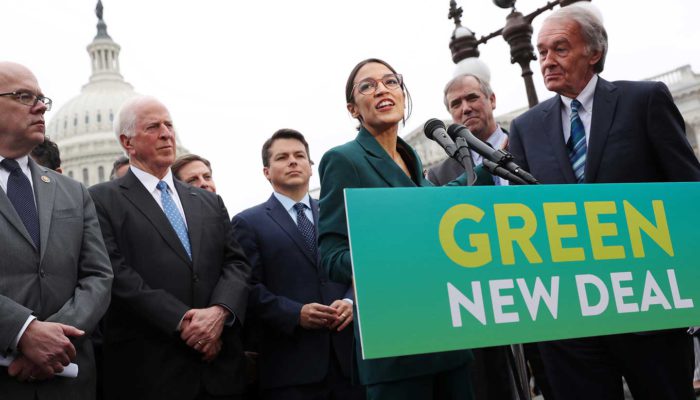
  • The GND was founded on the belief that environmental issues are overlooked and underfunded
  • The GND gained traction in 2018, when the Democratic Party took control of the house. 
  • Biden offered support to the GND, but differs on some policies like an immediate ban on all fracking activities. 

Between the lines Biden has been urged to beef up his climate policy platform by climate advocacy groups to deal with the challenges global warming presents. 

Legislative precedents

  • Theodore Roosevelt’s Square Deal prioritized conservation of natural resources, control of corporations and consumer protection. 
  • Franklin Roosevelt’s New Deal prioritised relief for poor, economic recovery and financial reform. 
  • Johnson’s Great Society aimed at alleviating social justice and education reform. 

Key talking points

  • It helps secure a sustainable future.
  • Our society needs a paradigm shift towards the clean energy sector, this legislation could be among the last chances to make that happen.
  • The GND is perhaps the encouragement voters need to mitigate the effects of global warming by utilizing the power of voting.

Dig deeper 4 min

  1. Politics and Policy

What to know With the fate of the Clean Water Act hanging in the balance, the Supreme Court delivered a momentous verdict on County of Maui v. Hawai’i Wildlife Fund on Thursday, April 23.

The case centers on the County of Maui’s belief that the CWA only covers direct pollution discharge, not pollution that travels through groundwater. Because the county didn’t dump their wastewater directly into the ocean, they viewed any punishment as completely unjustified. The Trump administration decided to go against 40 years of EPA precedent and sided with the County of Maui.

Why it matters The decision sets a precedent for regulating indirect sources of pollution. Past decisions will need to be re-evaluated, like the 2018 appellate court rulings that ruled against requiring permits for coal ash impoundments.

Bottom line We are privileged to live in a country with a justice system that enables an environmental group to overrule a government-run wastewater treatment plant. Behind the scenes, groups like Earthjustice fight daily to represent our interests and protect the planet. 

We must continue to educate ourselves on the nuances of the environmental laws that exist to protect us.

Dig deeper → 4 min

  1. Politics and Policy

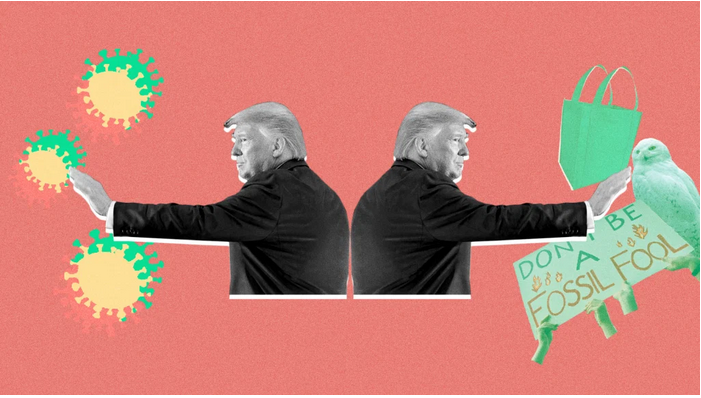
Why it matters Changes made now can pave the way for a new and dangerous status quo in environmental regulation that could severely impact the environment.

The big picture The EPA’s policies work to protect our environment and our health. Rolling them back can have grave consequences for both. 

  • A New York Times analysis revealed how the Trump Administration rolled back nearly 100 environmental rules and regulations since 2016. 
  • Proponents of radical changes like the Green New Deal are still the overwhelming minority in Congress. 

What actually happened The Federal Government proposed rolling back 6 major pieces of EPA rules and regulations including:

  1. Weakening the National Environmental Policy Act
  • Successfully allowing final environmental impact statements for projects with federal funding to effectively exclude climate change considerations. Unscrewing tight policy measures will give a free pass to pollute on major infrastructure projects, like oil & gas pipelines. 
  1. Suspending EPA Enforcement
  • The Environmental Protection Agency (EPA) decided to indefinitely suspend enforcement of its rules and regulations due to COVID-19. Companies will self-regulate their own air and water pollution (sort of). The rule was applied on March 13th.
  1. Opening a national park to resource extraction
  • The Trump administration recently pushed through a final environmental impact statement for a 211-mile road in Alaska that would bisect a national park and open up an area rich in copper, zinc, and other minerals.
  1. Reducing regulation for  a major slaughterhouse
  • The Department of Agriculture confirmed a waiver that allowed a private company to inspect a Tyson Foods slaughterhouse in lieu of the EPA.
  1. Reducing the impact of fuel efficiency standards
  • Last week, the Trump administration rolled back Obama-era vehicle efficiency standards through 2026. Those standards, which passed in 2012, mandated 5% annual increases in fuel economy. The new standards will require less stringent 1.5% annual increases.
  1. Trying to bail out Big Oil:
  • When drafting legislation for the coronavirus stimulus package, the Trump administration intended to buy millions of barrels of oil from struggling producers. Luckily, the measure was nixed in the final legislation due to a lack of funding.

Dig deeper → 3 min

  1. Lifestyle

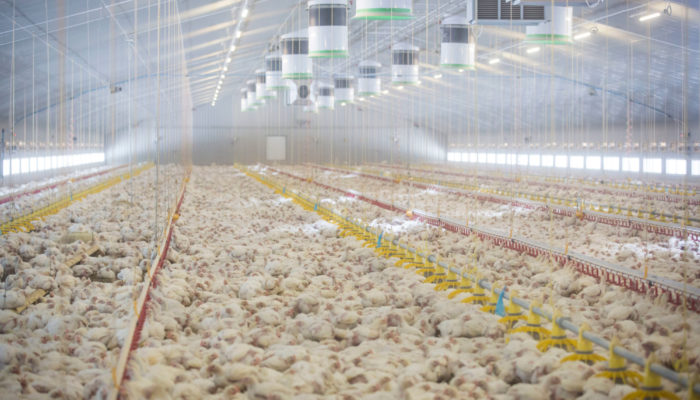
The scoop In the world of factory farming, public health risks are completely ignored.

Could applying “social distancing” rules to animals really help us all live healthier and safer lives?

Why it matters Most animals (both wild or domestic) carry some type of virus. It’s easy enough to learn from the recent outbreak and stay away from wildlife. But what about domesticated animals in factory farms? Farm animals carry many diseases.

As the world population increases, so does the demand for meat products. More meat = more crowded spaces in factory farms.

Bottom line Removing factory farming, or significantly improving its operations, is a contributing factor in preventing another public health disaster.

Dig deeper → 5 min
Weekly Newsletter

> Be Part of the Solution

Join our community of +220k Conscience Readers

Trending News | Innovations | ESG
Brand Reviews | Careers

Sustainable Review is copyright material. All rights reserved.

Exclusive Content Weekly

> Be Part of The Solution

Join our community of +220k Conscious Readers