People

  1. Lifestyle

How it stands

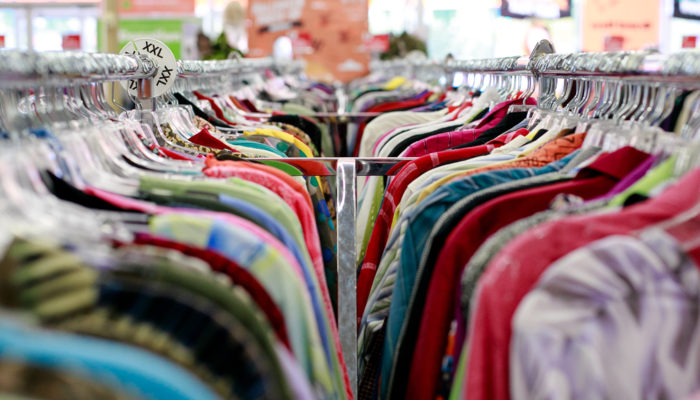
  • An estimated 45-70% of clothing donated in Western countries (US, UK, Germany) enters the global used clothing trade.
  • Clothing is sold to traders in Sub-Saharan Africa (Ghana, Kenya, Rwanda) and ends up in used clothing markets in cities, towns and villages.

Background

  • Starting in 1980, economic liberalization (i.e. reforms to open their borders to international trade) in Sub-Saharan Africa caused domestic manufacturing to decline and increased demand for imported, cheap, used clothing to the region. 
  • The used clothing trade is a lucrative profession for those with limited job prospects. A used clothing trader in Nairobi can make up to 1000 shillings a day ($9 USD), 10 times the prevailing wage.
  • In 2016, the East Africa Community (EAC)  - an intergovernmental organization of six East African countries - decided to ban all imports of used clothing by 2019 to boost local manufacturing and create employment opportunities. The effects of this ban are unclear.

What can we do

  • The problems plaguing the Sub-Saharan African textile industry are complicated to say the least. Limiting the used clothing trade is not enough to reinvigorate manufacturing.
  • Dominant trends like fast fashion encourage consumers to buy new and improved products and discard the old ones at the expense of manufacturing economies in developing nations. Next time you go to donate those old T-shirts, carefully consider the downstream impacts. Out of sight does not mean out of mind.

Dig deeper → 3 min

  1. Politics and Policy

The global spread of the coronavirus has caused layoff after layoff in the United States, forcing over 40 million Americans to file for unemployment in less than three months. How can America put its citizens back to work while fighting climate change?

What to know

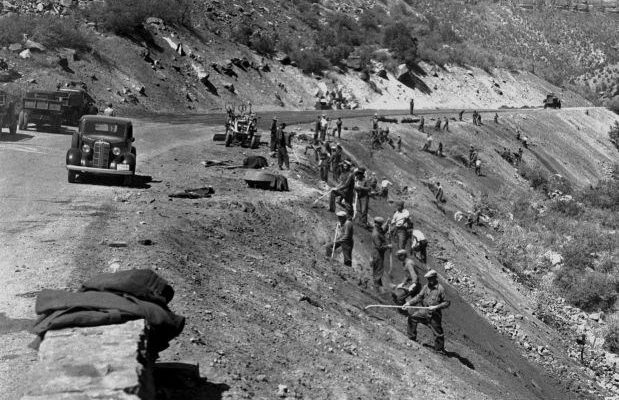
  • FDR kickstarted the economy in the Great Depression by creating the Civilian Conservation Corps to restore America’s infrastructure while employing jobless workers – similar programs could help unemployed workers during COVID-19
  • Other countries are already doing it – Pakistan has employed 63,000 people in its 10 Billion Tree Tsunami Programme
  • Governments control more than 70% of energy investments globally, so they can steer recovery in a positive direction for the climate and their people
  • With an additional $15 trillion in a global COVID-19 recovery plan, we can increase our global GDP by 2.4% and add tens of millions of jobs in energy and infrastructure

Bottom line

  • Implementing a green stimulus is necessary to effectively combat climate change as we emerge from the grips of COVID-19
  • Many communities disproportionately affected by the coronavirus are also disproportionately affected by climate change, so we must target a dualistic recovery

→ Dig deeper 5 min

  1. Lifestyle

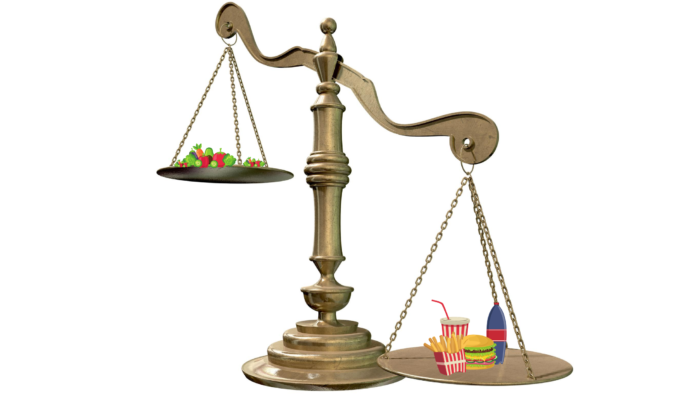
What’s the sitch? For all the innovations we have today, access to quality food is still a critical issue across the globe. Food disparity is driven by a number of factors, such as income inequality and local production levels.

Big picture The barriers that prevent many people from eating healthier are interconnected with race, inequality, and systemic biases embedded in our society. Race, education, careers, income, and housing all play a role in determining food access.

Why it matters Overcoming system inefficiencies like excessive subsidies for meat production helps to lower barriers to healthier foods but it will take a national and global effort to completely eradicate systemic inequalities.

Dig deeper → 1 min

  1. Politics and Policy

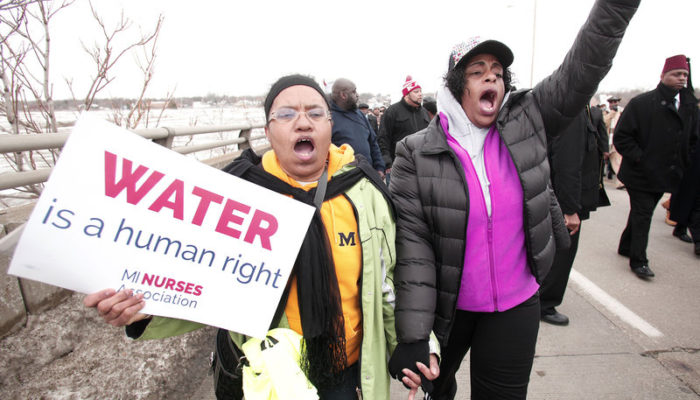
The scoop Flint, Michigan is still suffering from an unconscionable public health crisis six years later. We built a lengthy timeline of environmental injustice since 2014. Check it out.

Why it matters Despite municipal and federal efforts to remove the lead pipelines delivering water to residential areas, Flint residents and visitors are still wary. They often only drink bottled water, distrusting the city officials who lied to them for so many years and told them their water was “safe.”

Big picture Moving forward, Flint officials have a responsibility to ensure that every single lead pipe is pulled from the ground, including pipes that don’t currently connect to residents’ homes. They must file reimbursement requests to fund research to further decrease the lead parts per billion in drinking water to at least convey trust to rightfully dubious residents.

Dig deeper → 3 min

  1. Lifestyle
  2. People
  3. Thinking

What to know

  • Wealthy countries are perpetuating climate issues, but the strongest impact is felt in poorer nations. 
  • Between 1850 and 2011, developed countries accounted for 79% of global carbon dioxide emissions.
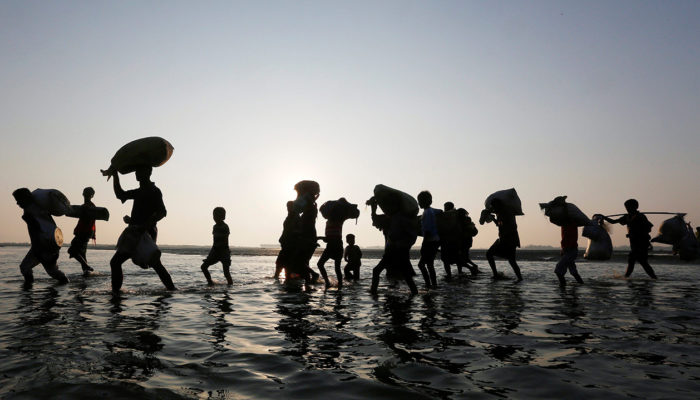
  • Developing countries in South Asia, Africa, The Caribbean and Latin America are especially vulnerable to the effects of climate change such as hurricanes, floods, and heatwaves but have limited resources to recover or avert these crises,leading to poverty and conflict.
  • By 2050, there could be 140 million climate change migrants.

Why it Matters

  • Climate change and social justice are inextricably linked
  • As we work towards a more sustainable planet, we need to focus on solutions that also address global inequality as a contributing factor.

Dig deeper —> (2 min)

  1. Politics and Policy

How environmental policy works

  • Congress enacts laws that enable federal agencies to create environmental regulations
  • Under the President’s guidance, the EPA Administrator sets national standards
  • State and local governments create and implement the actual policies
  • State-level policies can support investment in green energy.
  • Local officials set water policy to provide residents access to clean water.

Why your vote matters

  • By electing city council members, state congresspeople and representatives who champion environmental policies, voters can make their environmental concerns heard.

The bottom line

  • If voters prioritize climate change, politicians will too.
  • Though you may feel your vote doesn’t matter in elections, it does.

→ Dig deeper 4 min

  1. People
  2. Politics and Policy

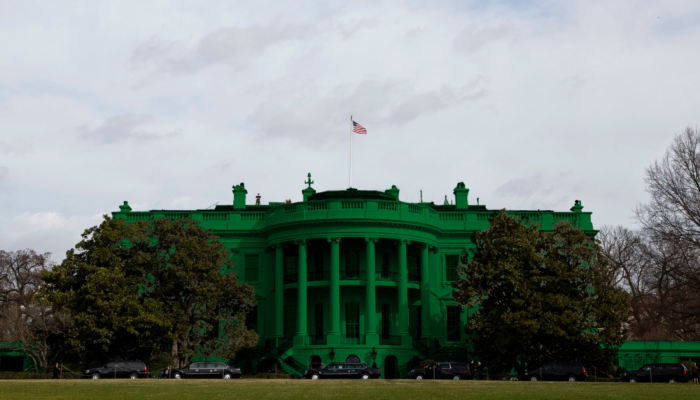
The scoop: Given recent developments in fiscal policy, there is a compelling case to be made for a green stimulus package.

The proposal:  Create millions of family-sustaining career-track green jobs, deliver strategic investments, Expand public and employee ownership, Make rapid cuts to carbon pollution

Bottom line: The Green Stimulus plan must decidedly advocate for ambitious measures and well-reasoned policies to correct the egregious destruction of American land and improve workers’ conditions nationwide. We must follow suit after several European countries’ green stimulus packages; the world is watching.

  1. Lifestyle

Lesson 1: Communicate Urgency

  • The brain has a tendency to react strongly to risks that seem novel, uncertain, uncontrollable, and life-threatening --i.e. COVID-19, immediacy
  • Even though it already kills people, Climate Change is predominantly seen as a risk to be faced in the future
  • Shaping awareness around climate change requires reframing its message

Lesson 2: Elevate the Voices of Trusted Messengers

We are learning valuable lessons from this Public Health Crisis

  • Gallup poll rates nurses as the most trusted profession 18 years in a row
  • Can the healthcare community can be more vocal on climate change? Think George Mason Program on Climate Change and Health, Hospital Coalitions, etc.
  • Pew demonstrated that six-in-ten Americans say scientists should play an active role in policy debates about scientific issues
  • Are you tired of hearing 97% of scientists agree on human-caused CC? Clearly that message isn't working.
  • Maybe it is time to hear more from scientists directly, rather than politicians, professors and children.

Lesson 3: Localized Scale Works Best

  • Simple attainable solutions that can be done from home are essential (i.e. telecommuting, leveraging video conferencing solutions, like Zoom, to facilitate remote work)
  • Decentralized response? Perhaps not the most effective, if we had responded sooner to COVID...
  • We are hearing from local leaders... In Atlanta, governor and mayor coordinated efforts...encouraged use of hand san and avoidance of public events
  • Global Covenant of Mayors, ICLEI, National Council of Local Governments, etc. building capacity at these hyper-local levels for climate action

More to know

  • Shift Perspective, Short-Term vs. Long-Term
    • Sacrificing convenience of globalized economy, at least temporarily
    • Amazon reducing stock, harder to access consumer goods, like toilet paper
  • Recognition of Vulnerable populations
    • Like climate change, people who are hit hardest are already vulnerable
      • Low-income, elderly, sick
    • People are banding together to help them

Be intentional, coronavirus feels personal

  1. On NPR, Dan Gilbert, Harvard psychologist, argued that climate change lacks four fundamental features that typically trigger an immediate response: Intentional, Immoral, Imminent, Instantaneous
  2. Show immediacy w/out compromising integrity
  3. “With some people, climate change is actually more of an imminent threat. I mean, I'm thinking about farmers who are seeing more ruined crops. I'm thinking about people who live in certain regions that are definitely getting more extreme weather.”

Dig deeper → 8 min

  1. Lifestyle

Lesson 1: Reduce or remove your vulnerability to ‘the system’

The globalized world today has allowed for the rapid spread of ideas, knowledge, goods, services, and people. Unfortunately, globalization has also proliferated the pandemic we face today. The interconnected world creates many issues, but also allows us to collaborate and work together to come up with innovative ways to solve crises that arise from that inter-connectivity.

Lesson 2: No one can bring you peace but yourself

The global pandemic is a perfect example of a time in which things outside of us can stifle our ability to live a life the way we see fit. You didn’t create the virus, you didn’t spread it, and if you’re one of the many people feeling stuck in your home right now, you may feel helpless ‘doing the right thing’ and watching others directly impact your experiences by not listening to authorities.

Lesson 3: 'Sustainability' is timeless

The principles of self-reliance and sustainability are timeless. Those words of Emerson ring true today. He had a deep passion for Nature and felt placing ourselves in the natural world, away from society, was the key to dropping the ego and living a more fulfilling life. The way I see it, he was practicing sustainability in his time.

Dig deeper → 8 min
  1. Lifestyle

Big picture: There is a lot of activism on campus, but we need to evaluate how effective it is.

Why it matters: 89% of youth believe they can make a difference on climate change. Students at colleges and universities commit to making a positive impact on the planet and crafting a more promising future. There is, however, a stark disconnect between young people’s passion for helping the planet and their understanding of how to make effective change.

College activist best practices: Explore specific career paths for peers to find meaningful work in the renewable energy sector or in startups that are actively practicing sustainability. Show everyday people how small individual changes, such as reducing red meat consumption, can have an impact. Demands for divestments and recycling programs only go so far.

Bottom line: Activism focuses on short-term problems such as university endowments or common initiatives. These issues have a streamlined pathway for success, but their impact is statistically uncritical.

Weekly Newsletter

> Be Part of the Solution

Join our community of +220k Conscience Readers

Trending News | Innovations | ESG
Brand Reviews | Careers

Sustainable Review is copyright material. All rights reserved.

Exclusive Content Weekly

> Be Part of The Solution

Join our community of +220k Conscious Readers