Planet

  1. Energy and Environment

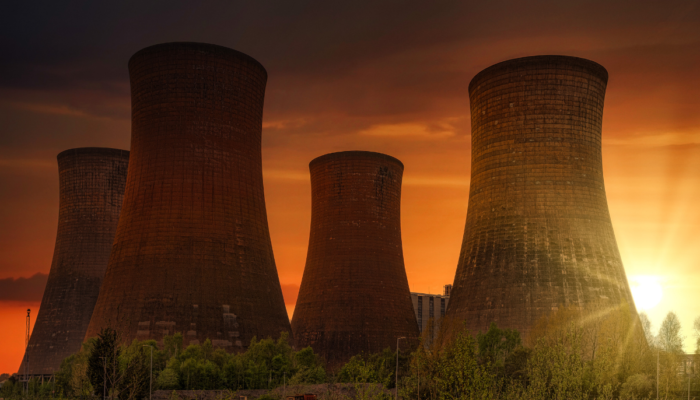
Europe faces an energy crisis, with short-term gas prices five times higher in the first quarter of 2022 than their 2021 average. The trouble, brought on by a myriad of factors, but most recently exacerbated by the war in Ukraine, underlines the risks of relying too heavily on fossil fuels. Nuclear energy can provide some much-needed help in Europe.

Dig deeper → 5 min

  1. Energy and Environment
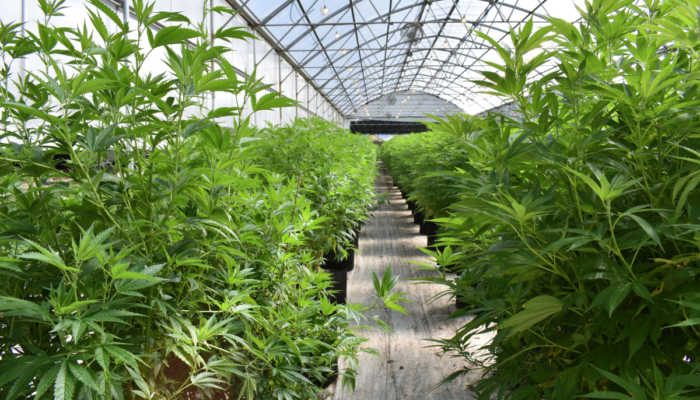
Cannabis farms around the US use carbon offsets to lower their environmental impact and claim sustainable certifications. Many criticize carbon offset programs as a band-aid solution to climate issues, as they allow broken operations and supply chains to persist through the purchase of carbon credits. We’re taking a closer look at carbon offsets for cannabis […]
  1. Energy and Environment

Last week, the Intergovernmental Panel on Climate Change (IPCC) released its sixth assessment report on the state of climate science.

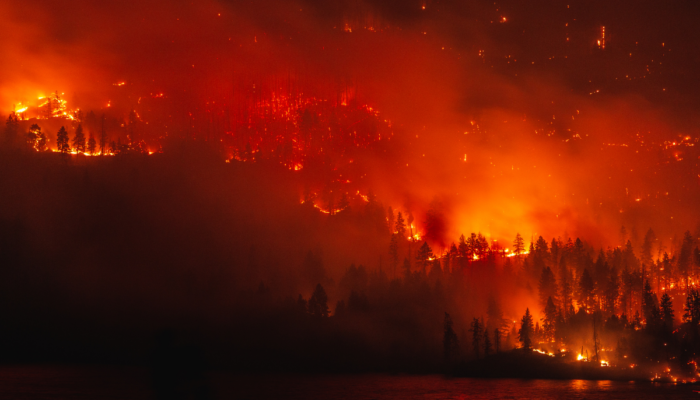
The latest report from the UN-sponsored body spoke of humanity's "unequivocal" contribution to climate change. Media headlines followed with phrases like "code red", "catastrophe", "frightening", "hell", paired with images of burning forests.

Humans may be screwed, but here's why I'm still optimistic about Earth's future.

Dig deeper → 3 min

  1. Science
Busy? Try the speed read.

The scoop: Tesla is probably the most famous and influential inventor/scientist you never heard of.

A few things Tesla did:

  1. In 1904, Tesla invented an efficient bladeless turbine.
  2. Tesla proposed electric power generation through geothermal, solar and wind energy.
  3. Tesla speculated on the existence of the ionosphere years before we discovered it.

Bottom line: Tesla imagined the world in many ways more like a philosopher than a scientist. But his scientific mind was as infallible as any. One thing is for sure: the modern world would be far behind without Nikola Tesla.

Dig deeper → 5 min.

  1. Energy and Environment

10 reasons why seaweed farms are both sustainable and practical:

  1. Seaweed farms require no land.
  2. Seaweed farms are quite efficient, and can be harvested for commercial use within 90 days.
  3. Seaweed farms by-pass negative side-effects like deforestation or pesticide-use.
  4. Seaweed farms work in harmony with surrounding wildlife.
  5. Seaweed farms don't interfere with boats or ships, and create economic opportunities where none exist.
  6. Harvesting seaweed requires very little biofuel; it is a scalable process.
  7. Seaweed has multiple uses: it can produce both food and fuel.
  8. Seaweed is biodegradable, unlike solar panels and wind turbines that require heavy metals and create waste.
  9. Seaweed yields 30x more energy per acre than biofuel land crops like soy or corn.
  10. Only 2% of the fertile ocean is covered by kelp forests, so there is much more room to grow.

Dig deeper → 2 min

  1. Energy and Environment
  2. Uncategorized

The scoop: Jersey Shore has clean water compared to many parts of the country, but certain beaches still test unsafe for swimming more than 40% of the time.

Key causes of water contamination:

  • outdated sewage systems
  • overdevelopment of beachfronts
  • factory farming spillovers
  • storm runoff

Bottom line: Jersey Shore water was much dirtier 30 or 40 years ago. But some Jersey Shore towns still need serious help improving their water infrastructure. Read below to learn how they can fix that.

Dig deeper → 4 min

  1. Energy and Environment
Busy? Try the speed read.

Big picture

  • If all sunlight received by Northern Africa converted into solar energy, it could power all of Europe more than 1000 times over.
  • Concentrated solar power (CSP) technology can use lenses and mirrors to store large amounts of solar heat. 
  • Tunisian transcontinental transmission of photovoltaic power (PV) and CSP prove this concept.
  • PV is more reliable for decentralized plants to power rural regions in Africa.

Between the lines

  • To better understand how a CSP plant works, check out the Ivanpah Solar Electric Generating System in California’s Mojave Desert (link below)
  • Desert solar panels can improve climate conditions in the region.
    • Compared to sand, panels reflect lower amounts of heat to space.
    • The result: surface heating in the desert and cloud formation.
    • Changing the desert’s heat budget may increase rain, but too many panels can raise temperatures to an unproductive level. Panels are less reflective than desert soil. 

Questions to consider

  • Which companies/countries would fund the project? 
  • Who benefits most from affordable solar electricity, Africa or Europe? 
  • How can you export energy to nations inside and outside of Africa?

Why it matters

  • CSP can release energy overnight, creating a 24-hour source of energy.
  • CSP has a high initial set-up cost but has long-term advantages over traditional forms of energy generation such as hydroelectricity.

Bottom line The developing world has a unique opportunity to learn harsh lessons from 20th century economic development principles. Using natural phenomena like the Sahara Desert for solar energy or the Congo River for hydro, Africa can become the energy superpower of the future.

Dig deeper ➝ 2 min

  1. Science
Busy? Try the speed read.

The report: A 2016 study of over 8,000 threatened or near-threatened species found that over-exploitation and agricultural activity posed a much greater threat to biodiversity than climate change.

Why it matters: Climate change is long-term and abstract. But it also gets all the breaking news coverage. In reality, harsh trends like deforestation and poaching pose immediate threats to wildlife. They need urgent attention, too.

These tangible problems deserve similar attention to carbon emissions. Most ESG funds pour cash into (trendy) clean energy while critical species face extinction from other causes.

Sustainable suggestion: Environmental solutions should be more well-rounded. How can we work more cooperatively with intersecting threats like wildfire risk mitigation and ecological restoration, for example.

A forestry organization may want to clean-up deadwood to prevent harsher wildfires, but a conservation group will sue them for cutting down a sacred forest. A conservation group may want to support hunting an invasive species , but an animal rights group will publicly condemn them.

Organizations with differing philosophies should work more closely through coalitions and associations to understand their perspectives.

Bottom line: Climate change is important, and intersects with basically every ecological issue. Not arguing we should take it less seriously. But that behemoth threat will be much easier to manage if we knock off smaller issues that we see, touch and feel.

We need smarter farming, more responsible animal agriculture, accountability for commercial hunting, fishing and logging. We need more stringent land protection in sensitive areas of the developing world. It's as important as climate change.

Dig deeper → 3 min

Weekly Newsletter

> Be Part of the Solution

Join our community of +220k Conscience Readers

Trending News | Innovations | ESG
Brand Reviews | Careers

Sustainable Review is copyright material. All rights reserved.

Exclusive Content Weekly

> Be Part of The Solution

Join our community of +220k Conscious Readers