Planet

  1. Energy and Environment

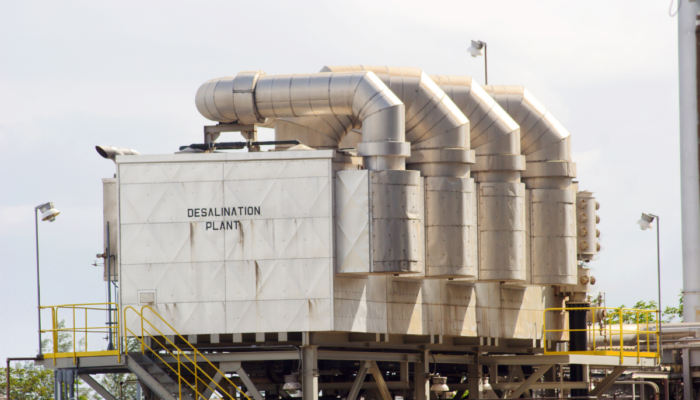
A scientific process called desalination could help solve a looming water crisis.

With a higher demand for freshwater, a growing population will continue to pressure natural freshwater resources. Today, 1 in 9 people already lack access to safe water. If current water consumption trends persist, the demand for water will exceed supply by 40% in 2030.

Only 0.7% of Earth’s water is readily accessible as freshwater and 96.5% of it is saltwater. Through the process of desalination, scientists can turn saltwater into safe, drinking water. This process is either thermal-based (solar desalination) or membrane-based (reverse osmosis).

Why not implement desalination worldwide? There are environmental and economic challenges. For example, brine, the concentrated salt byproduct of desalination plants, is known to disrupt ocean ecosystems. But path to more sustainable alternatives exist.

If global water scarcity worsens, sustainable desalination plants can help provide fresh, potable water to vulnerable populations across the world.

Dig deeper → 2 min

  1. Lifestyle
  2. Water
Busy? Try the speed read.

The scoop: Microplastics can be found in every crevice of the Earth. As they become more prevalent, they are more likely to impact human health.

Top ways to avoid microplastics:

  • Filtered tap water > bottled water.
  • Shellfish = microplastic.
  • Eat more fresh food, less takeout.

Zoom out: As the global production of plastic goes up, there will be more plastic to deal with. Research on the impact of microplastics on human health is still developing. Better to be safe than sorry.

Dig deeper → 4 min

  1. Science

The scoop: Bill Gates published a new book about climate change. Why are we praising a tech entrepreneur pretending to be a scientist and public health official?

Why it matters: I think people like Bill Gates make everyday people more suspicious of actual science. Gates should step aside and let real scientists do the talking. Because as it turns out, he isn't always right.

My proposal: Let's praise and highlight actual climatologists dedicated to the field. He's not even a professional writer.

We need to build communication platforms for researchers, doctors, and scientists to bridge the gap between complex subject matter and public skepticism. Businessmen like Bill Gates only widen the gap (imo).

Bottom line: Let's hear the talking points not from some obscure monolithic gospel, but science-backed, distinguished talking points from recognizable human faces.

Dig deeper → 3 min

  1. Energy and Environment

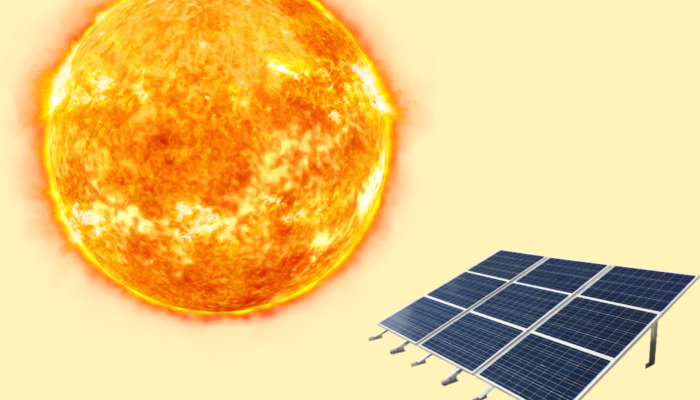
The International Energy Agency (IEA) rolled out its annual World Energy Outlook report with a bombshell. Solar power is expected to replace coal as the #1 source of energy production by 2025.

The backstory: In the last few years, governments and corporations flooded billions of dollars into the renewable energy space. Wind & solar energy have become cheaper than gas & oil as a result. It is now easier to manufacture and install solar panels than ever before.

By the numbers:

  • The IEA thinks 80% of new power generation will come from renewables.
  • We need to boost up investment in the energy grid by at least $460 billion in 2030 to hit our goals.
  • The global economy will return to pre-covid levels in 2021, but 7% smaller over long term compared to 2019 projections.

Between the lines: China alone will account for 40% of global growth for electricity demand over the next ten years. Southeast Asia and Africa will see major demand increases for energy over the next few decades.

Meanwhile, IEA's report found that global CO2 emissions will not return to 2019 levels until 2027, due to energy mix with renewables and coal's big drop in 2020.

Zoom out: We need a structural transformation of the global energy sector to hit on sdg's (those UN-sanctioned green goals we keep talking about), and that requires a lot of clean capital stock.

The report makes it clear that low growth of emissions ≠ a climate change solution. It's a means to an end.

Bottom line: Solar will replace coal as king sometime this decade.

Dig deeper → <2 min

  1. Energy and Environment

Question: How can sustainability succeed without laws protecting animals?

The science is out on animals. Man's outdated perceptions of our underwater and in-the-forest cousins are coming to light as science meets PETA.

Animals are sentient beings. It's not a romance novel, it's the world we live in. Animals experience a wide range of emotions.

The animal manifesto: Every squirrel, every rabbit, every bear, every fish serves a clear, identifiable role in Earth's ecosystem except for two creatures: invasive species like pythons in the Everglades.... and mankind.

Humans as protectors: Man certainly plays a role in this crazy floating ball universe, but we've drifted so far from our hunter-gatherer origins that our ecological purpose is becoming harder and harder to define. As such, it is the moral responsibility of man to act as benevolent stewards for the vulnerable, voiceless animal kingdom.

Animal lives matter: The next sustainability chapter of post-industrial society begins with a recognition of animals as they are, fellow Earthlings deserving of basic rights.

Bottom line Today, most advanced nations do not recognize animals as sentient beings. And we expect sustainable lifestyles to be widely adopted in our homes? You have to learn how to drive a car before lifting up the hood to fix it.

  1. Energy and Environment

What is vertical farming? Indoor agriculture (like greenhouses) using vertical space to optimize crop production in a controlled environment

Pros

  • Minimized pests and pesticides
  • Greater precision and control over water and nutrients, less waste
  • More food produced per acre of land, more sustainable for our planet in the long run
  • Reduced distribution supply chains delivering fresher produce to customers at greater speed

Cons

  • Higher costs
  • Deep know-how and expertise required 
  • Limited number of crops can be grown profitably (leafy greens vs. strawberries that require more sunlight and thus more electricity)

Why vertical farming? The COVID-19 pandemic disrupted food supply chains around the world. The shift to remote work increased office space vacancies... creating an opportunity to redesign spaces. Now is a good time to rethink ways to feed a growing population, especially in urban cities. We need to better adapt to supply and demand shocks.

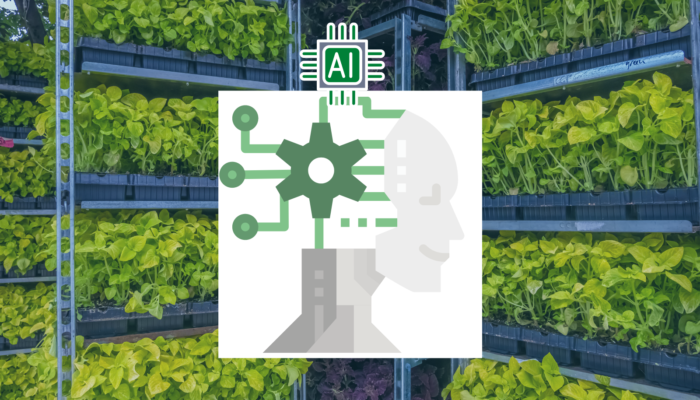
A touch on Big Tech Algorithmic or machine-learning solutions are applied to the biggest challenge in agriculture: optimization. Artificial intelligence (AI) helps minimize food waste by figuring out the right amount of energy, water, and nutrients required to produce food. 

Bottom line With increased pressure on supply chains around the globe, rethinking traditional farming and redirecting efforts toward vertical farming (and AI) will address food security challenges and reduce waste in the future.

Dig deeper → 4 min

  1. Energy and Environment

The scoop It's been 161 years since the US drilled oil for the first time. Let's talk about the history and future of oil, and where it fits into our plans for better planet.

Talking points

  1. We keep running out of oil and then find more.
  2. It seems like the world is moving away from oil, but the US is producing more today than ever before.
  3. Unconventional oil, which is oil that is extracted by non-traditional means, is more problematic given its more likely to use more costly and environmentally disruptive processes.
  4. If you stream videos, drive a car, or live in a colder climate, you probably use more fossil fuels than you think.
  5. To move away from oil, we need to either invest heavily in a climate plan at an institutional level (cons: more government market intervention, higher taxes) or create a marketplace where renewables are the more viable option for businesses and consumers.

Final thoughts More investment in renewables will help ‘fuel’ the transition away from oil. In the meantime, let’s get the Republican party to acknowledge climate change.

Dig deeper 2 min

  1. Science

How it works

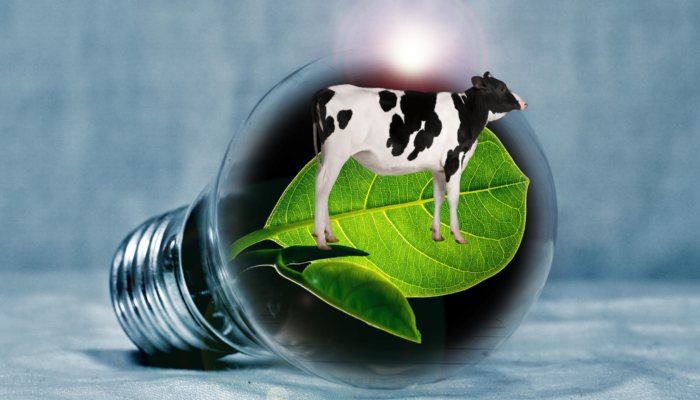
  • When microorganisms (e.g.bacteria) break down organic matter like manure and food waste anaerobically (without oxygen), biogas is released. Bio gas consists primarily of carbon dioxide and methane - one of the primary components of natural gas.
  • Farmers place animal manure, food waste and agricultural waste in an anaerobic digester with a pipe to extract the gas.
  • The solid byproduct is used as livestock bedding, soil amendments or in biodegradable planting pots, and the liquid byproduct is a nutrient-rich fertilizer.

Benefits of Biogas-based Energy

  1. Reduced greenhouse gas emissions. Biodigesters divert carbon dioxide and methane that would normally be released into the atmosphere. Greenhouse gas emissions from a dairy farm can be reduced by 35% when biogas-based electricity replaces grid-based electricity.
  2. Cost savings. On-site biodigesters help farmers save on electricity bills and fertilizer. A farmer told The Washington Post that he saved anywhere from $75,000 to $100,000 a year on electricity, heating, fertilizer, and animal bedding with a biodigester.
  3. Renewable. Biogas is generally considered renewable as it is produced by animal and plant waste and the source is not limited in quantity like coal or natural gas.

Bottom Line

  • Biogas generation is becoming increasingly popular. From 2000 to 2020, the number of operational anaerobic digesters in the United States has grown from 24 to 255.
  • Biogas is a popular mode of energy production in India and China, which have 4.54 million and 27 million biogas plants respectively.
  • As the world divests from fossil fuels, new and varied energy sources will be necessary to satisfy the energy needs of the world and biogas can help. Biogas just goes to show you that not all waste is useless. One cow’s waste is another man’s treasure.

Dig deeper → 4 min

  1. Energy and Environment

What to know

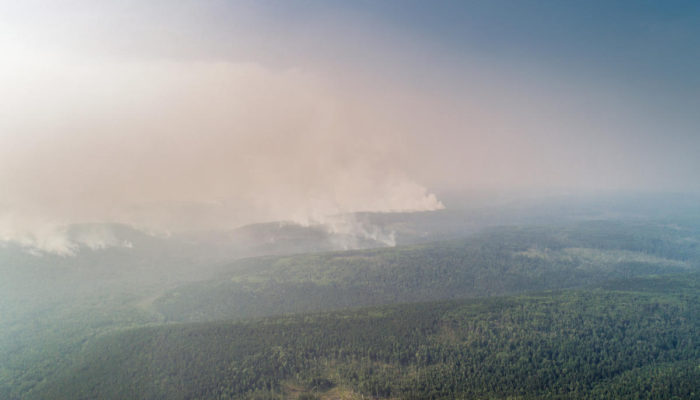
  • Over 332 active fires are burning over 1.6 million hectares of land in Siberia
  • Parts of the Arctic Circle have been burning since July 2019
  • These wildfires originated from a combination of natural causes including temperatures reaching 30 ℃, wind, and dry thunderstorms
  • The cost-benefit ratio of saving these ecosystems indicates that Siberia should let the wildfires burn until rain comes because most of them are not directly endangering civilization
  • These fires are so humongous their smoke blew across the North Pacific Ocean and the Bering Sea to reach Oregon, Alaska, and Canada

Key Takeaway

  • Wildfires are destroying valuable ecosystems in the Arctic Circle
  • High temperatures melted the permafrost early, releasing the carbon dioxide and other greenhouse gases trapped underneath and contributing to climate change
  • Temperatures in the Arctic Circle reached record highs within the past six months, only exacerbating the fires
  • Human-caused climate change intensified these fires in a variety of ways
  • We must act on climate change before other extreme weather events begin to seriously affect a greater number of humans

Dig deeper → 2 min
  1. Energy and Environment

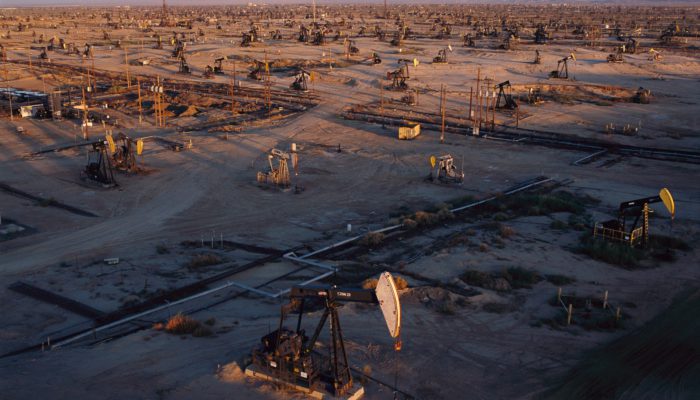
The scoop The price of crude oil plummeted following the outbreak of the novel COVID-19. As 2020 began, Brent crude oil - the global oil benchmark - cost $64/barrel. By April 21st, 2020, the price had dropped to $17/barrel. What happened? 

Future of Oil

  • The volatility and steep decline in oil prices may lead some producers to shut down operations. Shale oil extraction pioneer Chesapeake Energy recently declared bankruptcy. Many oil giants are delaying expansion projects.
  • Investors are now less inclined to invest in oil & gas --  lower prices = greater risk, less profit. Energy was the worst performing sector in the S&P 500 index for four out of the last six years.

Environmental impact Climate awareness already poses a threat to Big Oil. With this economic crisis, investors might turn to renewable energy. Renewables are more price stable, cheap, and cost-competitive, even during low prices of oil.

Bottom line It’s impossible to predict the future. Big Oil will certainly survive the pandemic, but its century-long domination of energy may soon end. One thing’s for sure -- clean technology has a strong outlook, and can certainly give oil and gas companies a run for their money. Not only from its greenness, but also in its economics.

Dig deeper → 3 min

Weekly Newsletter

> Be Part of the Solution

Join our community of +220k Conscience Readers

Trending News | Innovations | ESG
Brand Reviews | Careers

Sustainable Review is copyright material. All rights reserved.

Exclusive Content Weekly

> Be Part of The Solution

Join our community of +220k Conscious Readers