Planet

  1. Animals
  2. Climate Change
  3. Energy and Environment
  4. Planet
  5. Science
  6. Water

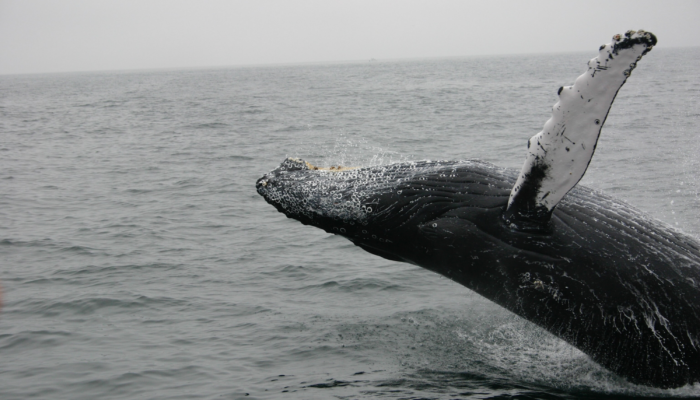
The scoop Whales accumulate carbon throughout their lifetime and die with it on the ocean floor. So they save around 33 tons of carbon from the atmosphere each.

Why it matters Today, whales number approximately 1.3 million, and conservation efforts to return them to their 4-5 million pre-whaling population could significantly reduce the greenhouse effect by lowering atmospheric carbon dioxide. However, they are constantly at threat of being hunted.

Big picture Recovering the global whale population to even half its original size is no easy feat, but we must do all in our power to multiply whale species’ populations in all of Earth’s oceans. Regardless of whether a high-tech carbon sequestration tool becomes widely available, harnessing the carbon-capturing power of these beautiful creatures will always positively enhance our atmosphere and marine ecosystems.

Dig deeper --> 3 min read

  1. Energy and Environment

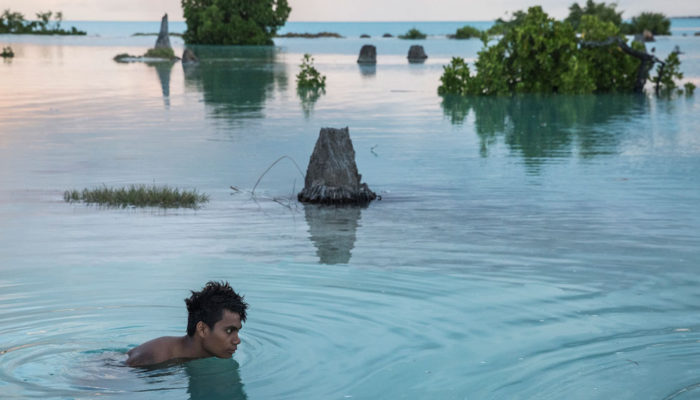
Big picture Did you know that 44 nations could disappear under the sea within your lifetime? Pacific Islanders face a desperate need for climate action.

What to know Back in 2017, I had the privilege to attend as a student observer at the United Nations Framework Convention on Climate Change (UNFCCC) International Conference of the Parties (COP 23) in Bonn, Germany.

The most striking presentation involved a group of representatives of the SIDS (small island developing states). The Pacific Climate Warriors spoke about the urgency of their daily and ever-present struggle against climate change.

A 2008 UN report found that the response of island nations to climate change is largely project-based, ad hoc, and heavily dependent on external resources. Australia and New Zealand have contributed financial support to adaptation efforts.

Bottom line For Pacific Islanders, climate action is more than just a school project, it is an existential threat.

Dig deeper → 4 min

  1. Energy and Environment

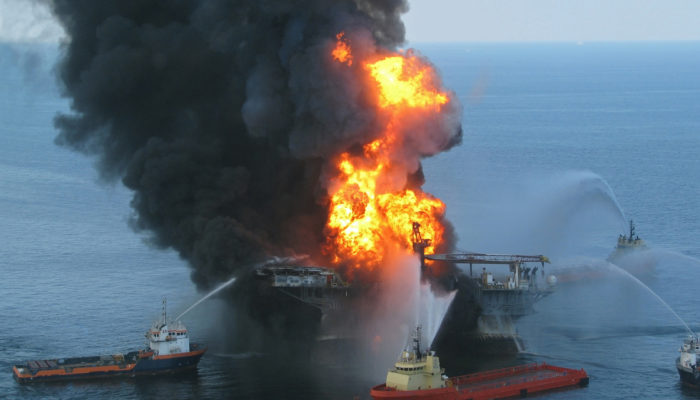
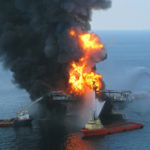
What happened On the evening of April 20th 2010, a blowout occurred on the Deepwater Horizon oil rig. High-pressure methane gas had risen into the drilling rig, quickly igniting and exploding.

Visible from 40 miles away, the flames overwhelmed first responders.

Two days later, the platform sank, leaving oil gushing at the seabed...until July, 87 days later. Containment started immediately, stopping the fires and oil burst. Clean up continued and ended...TBA.

Big picture Deepwater is not the first major spill, nor it seems, likely the last, and each disaster results in another human and environmental catastrophe. 

  • Deepwater killed 11 people, injured dozens of others, left vast swaths of ocean fatally contaminated, thousands of miles of beach polluted, killed over one million birds and continues to destroy pristine habitat and wildlife
  • There are 175 offshore rigs in the Gulf of Mexico with the global total growing to 497 by 2017

Why it matters Deepwater displayed the frailties of our petroleum addiction as clear as day. In 2010, the year of the disaster, the planet used about 86 million gallons of Black Gold every day. Now, we use 100 million gallons every day. Black Gold is unsustainable, damaging to the environment, and could be replaced with sustainable alternatives.

We need a global intervention, a massive mobilization focused on powering our planet with the bountiful clean energy nature so gracefully provides. And we must develop an economic model that hastens the long overdue demise of Black Gold. 

Dig deeper → 5 min

Weekly Newsletter

> Be Part of the Solution

Join our community of +220k Conscience Readers

Trending News | Innovations | ESG
Brand Reviews | Careers

Sustainable Review is copyright material. All rights reserved.

Exclusive Content Weekly

> Be Part of The Solution

Join our community of +220k Conscious Readers