






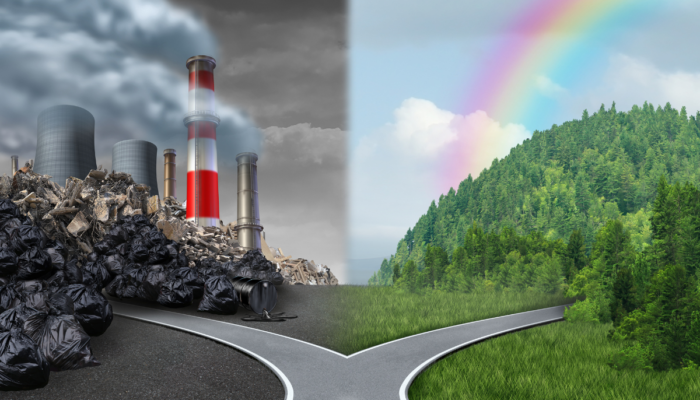



renewable energy

  1. Business
Electric Vehicles (EVs) are a sustainable option for transportation in America, but why are there so few on the highway? How long will it take for them to become prevalent?Key highlights of the current EV market:America sold 7 million EVs in 2021, but EVs are only 1% of all cars in the U.S.Domestic manufacturers like Chevrolet, Dodge, and Ford have unveiled plans for popular models to turn electric.Buyers are hesitant to buy EVs because of price, charging stations, and driving range.Some experts predict EV sales will outpace gas-powered vehicle sales by 2040.States like California, New York, and Washington have already set deadlines to ban the sale of gas cars by 2035.Dig deeper → 4 min
  1. Energy and Environment
The fossil fuel industry's harmful effects on the environment no longer hide in the shadows. Despite calls from climate advocates to reduce carbon emissions and transition to renewables, the oil industry continues its efforts to delay action on combating climate change.However, technological advancements — specifically energy storage — could signal the end of fossil fuels’ reign over the energy industry. Learn about energy storage's role in the green revolution, and what types of facilities are emerging to support the transition to renewables.Dig deeper → 3 min
  1. Energy and Environment
As the growing European energy crisis threatens a chilling winter, experts point toward renewable energy as the solution.The outbreak of war in Ukraine has halted the flow of Russia’s natural gas to the rest of Europe, leaving many countries scrambling for ways to heat their nation’s homes. Everything from steel companies to street lighting and transportation will be affected, so the evaluation of European dependence on fossil fuels is critical.There is significant hope for a cleaner and more reliable future with sustainable, renewable energy implementation as soon as possible.Dig deeper → 3 min
  1. Lifestyle

The scoop: Cycling is a simple but effective way for individuals to reduce their carbon footprint. On a larger scale, cycling is an important tool in fulfilling the UN's Sustainable Development Goals (SDGs).

Facts and figures:

Bottom line: Cycling allows individuals to lead a healthier, more sustainable lifestyle. And when an entire society adopts cycling, it can profoundly impact the climate.

Dig deeper → 4 min

  1. Science
Busy? Try the speed read.

The scoop: Tesla is probably the most famous and influential inventor/scientist you never heard of.

A few things Tesla did:

  1. In 1904, Tesla invented an efficient bladeless turbine.
  2. Tesla proposed electric power generation through geothermal, solar and wind energy.
  3. Tesla speculated on the existence of the ionosphere years before we discovered it.

Bottom line: Tesla imagined the world in many ways more like a philosopher than a scientist. But his scientific mind was as infallible as any. One thing is for sure: the modern world would be far behind without Nikola Tesla.

Dig deeper → 5 min.

  1. Politics and Policy
Busy? Try the speed read.

The scoop: El Salvador announced that Bitcoin is now legal tender. Citizens can pay taxes with it and stuff.

Why it matters: El Salvador is the first country to recognize a cryptocurrency as a legal form of currency. This marks a major shift toward government's view of decentralized financial systems, and a potential shift away from central banks.

The energy problem: We all know Bitcoin has an energy problem. To combat that, El Salvador plans to use geothermal energy from its volcanoes to produce cheap, clean energy for bitcoin mining. Let's see if they can build sophisticated infrastructure to match pent-up demand.

Bottom line: In the rush to make bets on the future of finance, governments around the world are responding with crypto plans for citizens.

Question: Will this push for legal forms of cryptocurrency help or hurt its climate impact in the long-run?

Dig deeper → 2 min

  1. Energy and Environment

10 reasons why seaweed farms are both sustainable and practical:

  1. Seaweed farms require no land.
  2. Seaweed farms are quite efficient, and can be harvested for commercial use within 90 days.
  3. Seaweed farms by-pass negative side-effects like deforestation or pesticide-use.
  4. Seaweed farms work in harmony with surrounding wildlife.
  5. Seaweed farms don't interfere with boats or ships, and create economic opportunities where none exist.
  6. Harvesting seaweed requires very little biofuel; it is a scalable process.
  7. Seaweed has multiple uses: it can produce both food and fuel.
  8. Seaweed is biodegradable, unlike solar panels and wind turbines that require heavy metals and create waste.
  9. Seaweed yields 30x more energy per acre than biofuel land crops like soy or corn.
  10. Only 2% of the fertile ocean is covered by kelp forests, so there is much more room to grow.

Dig deeper → 2 min

Weekly Newsletter

> Be Part of the Solution

Join our community of +220k Conscience Readers

Trending News | Innovations | ESG
Brand Reviews | Careers

Sustainable Review is copyright material. All rights reserved.

Exclusive Content Weekly

> Be Part of The Solution

Join our community of +220k Conscious Readers