A morning ritual for millions globally involves brewing a steaming cup of coffee and for good reasons. The moment coffee enters your stomach, a fascinating process unfolds, instantly beginning to perk you up and energize your day. More than just awakening your senses, this beloved beverage ushers in a sense of comfort, routine, and in many cases, a moment of solitude before the day’s demands kick in.
However, a dark truth lurks behind our beloved beverage, casting a long shadow over its enjoyable consumption. The coffee industry, as vast and global as it is, grapples with numerous ethical and environmental issues. From the exploitation of workers and unsustainable farming practices to the alarming rates of deforestation and biodiversity loss, the journey from bean to cup is fraught with challenges that demand our attention and action.
Thankfully, as consumers become more conscious of their choices environmental and social impacts, the demand for sustainable and ethical products, including coffee, is on the rise. Ready to take on this challenge, a growing number of coffee brands have committed to making this journey as sustainable and ethical as possible. These pioneers in the coffee industry ensure the welfare of the coffee farmers and their communities and zealously work towards minimizing their environmental impact.
In this article, we explore eight of the most sustainable and ethical coffee brands that embody responsible sipping, highlighting their commitment to fair trade, organic farming, and community empowerment.
Key Takeaways
- Sustainable and ethical coffee brands prioritize fair trade practices and environmental sustainability.
- These brands often support farmers by paying fair prices, promoting organic farming, and investing in community development.
- By choosing ethical coffee brands, consumers can enjoy their favorite beverage while supporting positive social and environmental impacts.
Spilling the Beans On The Sustainability Issues Plaguing the Coffee Chain
Before we reveal our top 8 choices for the most ethical coffee brands, let’s examine the sustainability problems along the coffee supply chain.
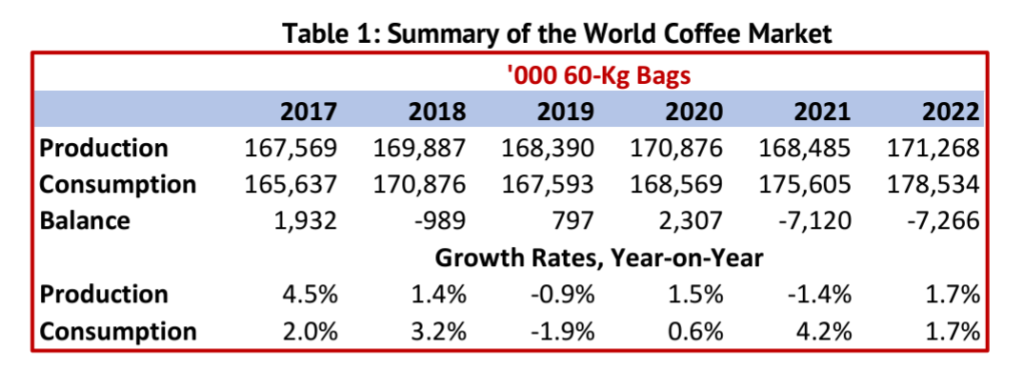
The International Coffee Organization recently reported a substantial increase in world coffee consumption, rising by 4.2% to 175.6 million bags in the coffee year 2021/22, following a modest 0.6% increase in the previous year. This significant surge can largely be attributed to the release of pent-up demand accumulated during the COVID-19 pandemic and a 6.0% spike in global economic growth in 2021, catalyzing a sharp rebound in coffee consumption.
However, this rapid uptick in coffee consumption spotlights significant sustainability challenges the coffee industry faces. A 2022 study noted that the coffee chain’s impact span the environmental, social, and economic domains.
Environmental Impact
The environmental implications of escalating coffee consumption are profound. Deforestation, a critical concern, emerges from the clearing of vast tracts of forest land for coffee cultivation, contributing to biodiversity loss and exacerbating climate change by releasing vast amounts of stored carbon into the atmosphere. The coffee industry’s carbon footprint extends further into the energy-intensive processes of roasting, packaging, and global distribution of coffee, amplifying its contribution to greenhouse gas emissions.
Moreover, coffee production is water-intensive in terms of the water used for irrigation and the water footprint associated with processing coffee beans, leading to heightened concerns over water scarcity and the sustainability of water resources. If not treated properly, the vast quantities of wastewater generated during the coffee processing phase pose a significant risk of contaminating freshwater ecosystems.
Social and Economic Concerns
As we delve into the social landscape of the coffee industry, issues such as unfair labor practices, inadequate wages, and exploitation of coffee farmers come into focus. The coffee supply chain is characterized by its complexity and the disparity in economic power between the producers at the beginning of the chain and the consumers at the end. This often results in farmers receiving a meager share of the coffee’s final retail price, undermining their economic stability and exacerbating poverty within coffee-growing communities.
Guilt-Free Caffeine Fix: Understanding Ethical Coffee
Recognizing the issues within the coffee supply chain, it’s clear that sustainability can no longer be relegated to a mere afterthought for the leading players in the coffee industry. This awakening is largely fueled by a growing awareness among consumers, who are now more informed and concerned about the origins of their coffee, the environmental impact of its production, and the well-being of the coffee farmers behind each bean. This shift in consumer awareness is why ethical coffee is rapidly gaining traction, marking a significant evolution towards more conscientious consumption within the coffee market.
What is ethical coffee?
Ethical coffee encompasses a range of practices that prioritize not only the quality of the coffee but also the sustainability of its production methods and the fairness of its trade practices. This includes fair trade coffee, organic coffee, shade-grown coffee, and direct trade coffee, aiming to address the social, economic, and environmental challenges plaguing the coffee industry.
- Fair Trade Coffee: By opting for fair trade certified coffee, consumers support a system that ensures coffee farmers receive a fair price for their crops, contributing to greater equity in international trade. Fair trade practices also often mandate rigorous social and environmental standards, including sustainable farming practices and workers’ rights.
- Organic Coffee: Certified organic coffee is grown without synthetic pesticides and fertilizers, reducing the environmental footprint of coffee cultivation. This practice supports healthier ecosystems, preserves biodiversity, and promotes cleaner water and safer conditions for coffee farmers.
- Shade-Grown Coffee: Shade-grown coffee is cultivated under a canopy of trees, which preserves forest habitats, protects wildlife, and combats deforestation. This traditional method of coffee farming has a lower environmental impact than coffee grown in full sun, as it supports greater biodiversity and natural pest management practices.
- Direct Trade Coffee: Through direct trade, coffee roasters and coffee companies engage directly with coffee farmers, bypassing the traditional coffee supply chain that often disadvantages producers. This model fosters closer relationships between producers and consumers, ensuring more profits return to the farmers. It’s an approach that assures fair compensation and encourages investment in quality and sustainability.
8 of the Most Sustainable and Ethical Coffee Brands
Understanding what constitutes ethical coffee is your first step towards a more conscientious approach to your daily cup of joe. If you’re eager to make the switch but uncertain where to start, here are our top recommendations for the most sustainable and ethical coffee brands. Each brand is selected for its commitment to fair trade practices, organic farming, and direct relationships with coffee farmers, ensuring that your coffee choice not only tastes good but also does good.
1. Counter Culture Coffee
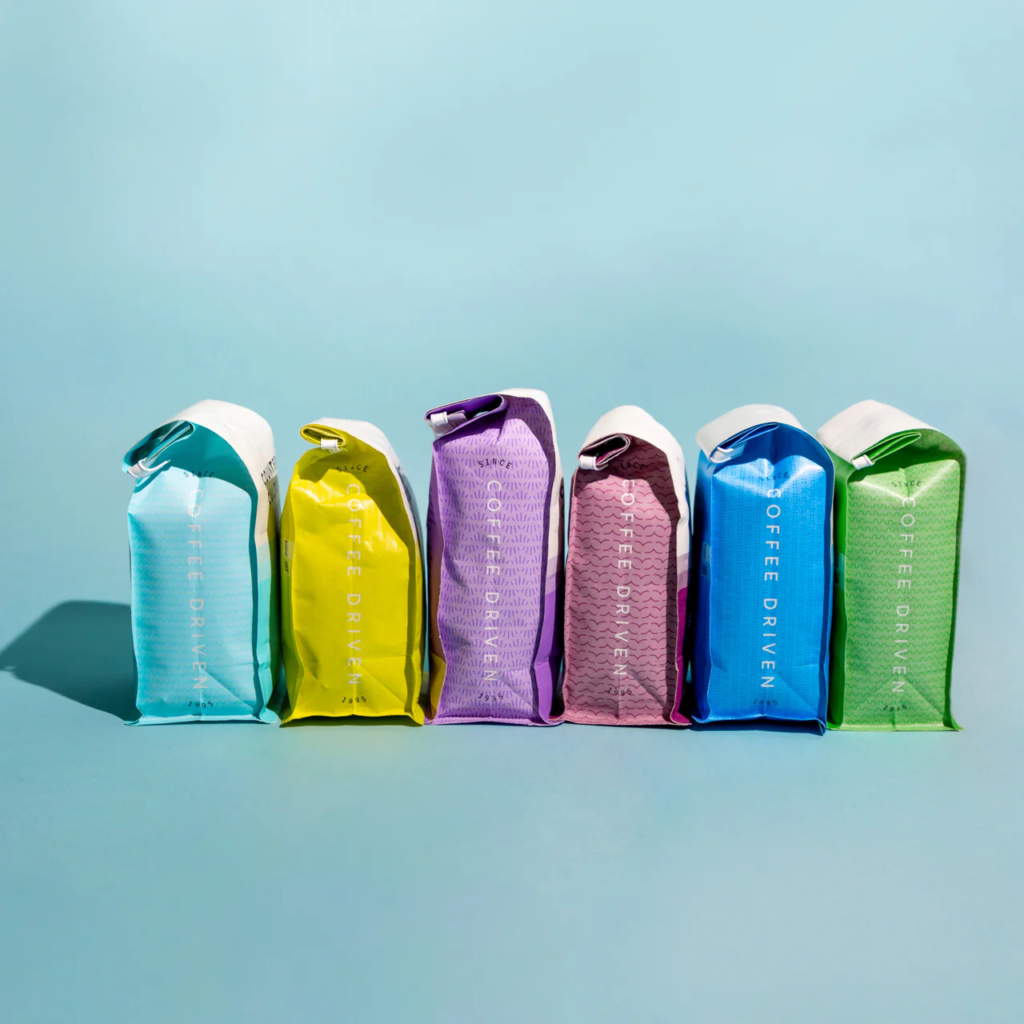
Counter Culture is dedicated to sustainability and transparency. Known for its direct trade model, Counter Culture goes beyond fair trade coffee by engaging in direct partnerships with farmers around the globe. As of 2021, Counter Culture sources 71% of its coffee from producers with whom it has maintained long-term relationships. This ensures higher compensation for coffee producers and fosters sustainable agricultural practices.
Counter Culture’s environmental commitment extends beyond sourcing practices. The brand demonstrates its dedication to environmental stewardship through its detailed annual sustainability reports. Since 2010, this B Corp certified brand has also diligently measured its carbon footprint, taking proactive steps to mitigate its impact on the environment. One notable initiative includes partnering with Trees, Water & People (TWP) to introduce clean cookstoves in rural Honduran households, effectively offsetting carbon emissions.
Moreover, Counter Culture actively supports World Coffee Research, an organization focused on enhancing the resilience of coffee plants to climate change and improving the livelihoods of coffee farmers worldwide.
What to Try
Coffee Culture presents an extensive array of coffee choices, featuring year-round blends and single-origin offerings. Unsure which product aligns with your taste preferences? Coffee Culture offers a convenient quiz to guide your selection. Alternatively, indulge in the brand’s Blend Box Subscription, granting you access to every Counter Culture blend. Explore renowned favorites like Apollo, Big Trouble, Fast Forward, Forty-Six, Hologram, and Gradient alongside the brand’s seasonal blends, ensuring a delightful journey through its coffee offerings.
2. Stumptown Coffee Roasters
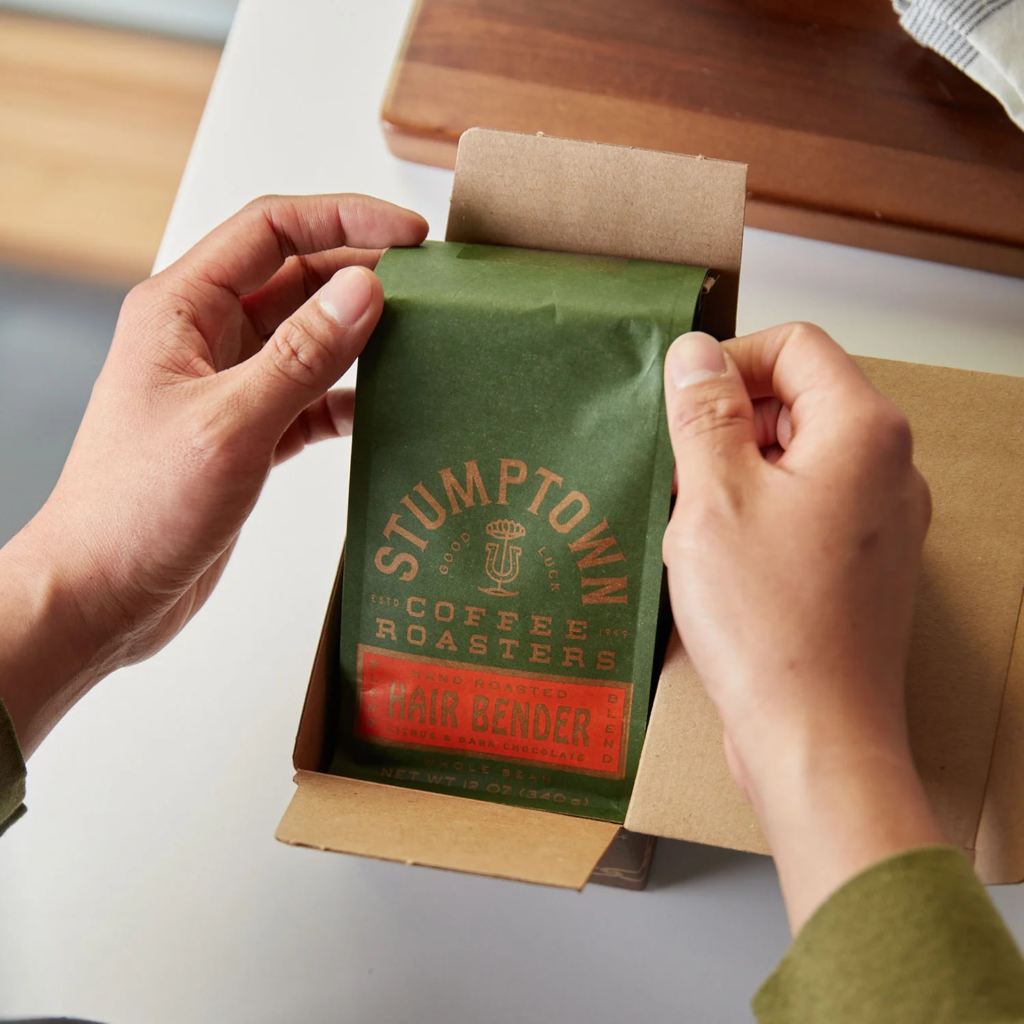
Esteemed for its exceptional quality and ethical sourcing practices, Stumptown Coffee Roasters works directly with coffee farmers to develop and maintain high standards of environmental and economic sustainability. It also invests in community-building initiatives in coffee-growing regions, including Colombia, Guatemala, Peru, and Rwanda.
In 2023, Stumptown intensified its commitment to eco-friendliness by bolstering waste reduction efforts at its headquarters. Embracing alternative recycling systems like Ridwell, the brand efficiently disposes of challenging-to-recycle materials such as plastic film, clamshells, light bulbs, styrofoam, and batteries. Moreover, Stumptown remains dedicated to sustainability by recycling its GrainPro bags, which preserve coffee freshness during shipment, and composting 100% of spent coffee grounds in its cold brew production.
Striving for further environmental impact, Stumptown is on track to meet its greenhouse gas emission reduction target of 25% by 2030. This goal is supported by initiatives such as sourcing solar energy for its Portland headquarters, brewery, and cafes, alongside implementing various energy efficiency measures.
Stumptown’s commitment to transparency and direct trade practices makes it one of the most ethically responsible coffee roasters in the market.
What to Try
Stumptown offers a range of organic coffee options. If you prefer classic flavors, Stumptown’s best-selling organic coffee, Holler Mountain, is a timeless choice. Alternatively, you can delve into single origins with year-round options like Ethiopia Mordecofe and Indonesia Bies Penantan, cherished by both customers and staff alike. Once you’ve discovered your perfect match among Stumptown’s offerings, simplify your coffee routine with the ‘Favorite on Repeat’ subscription, ensuring your preferred brew is readily available whenever you need it.
3. Bird & Wild
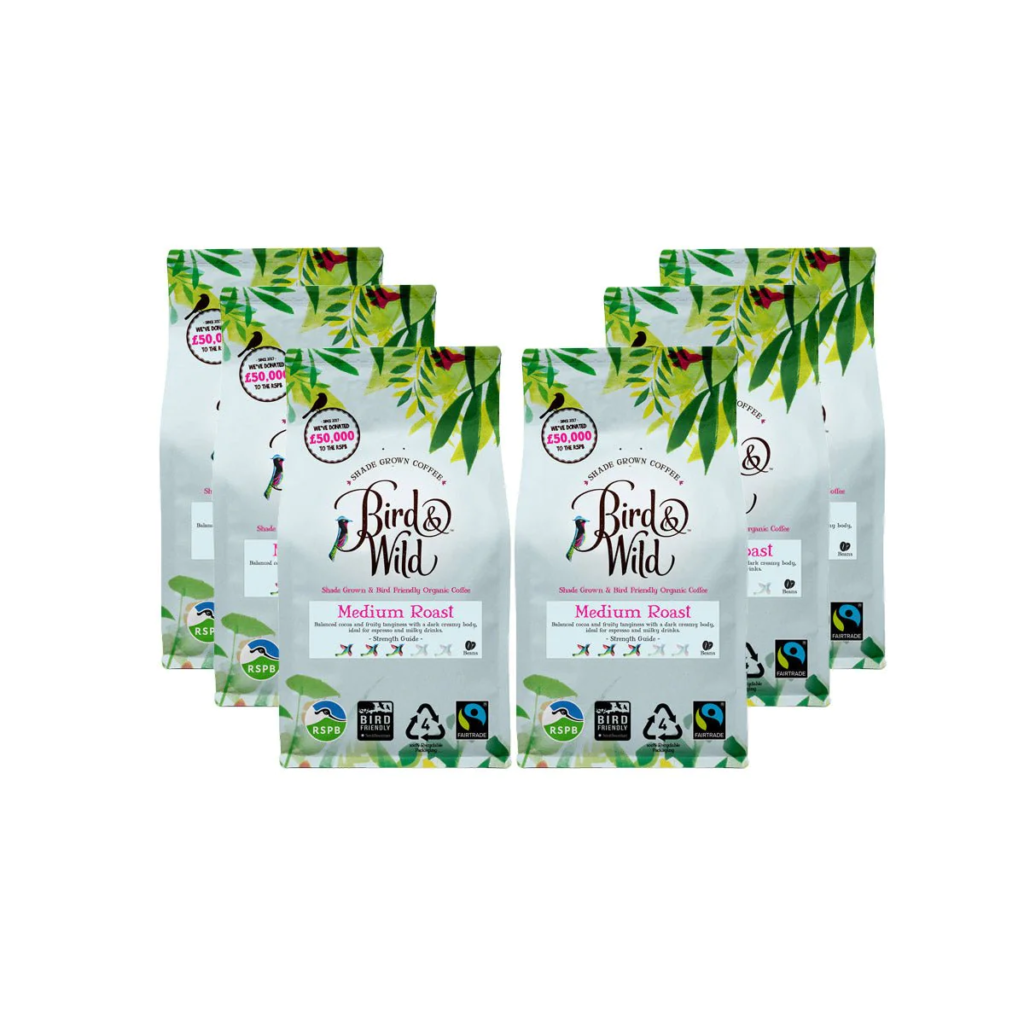
As a champion of shade-grown coffee, UK-based coffee brand Bird & Wild goes to great lengths to ensure its coffee is bird-friendly and organic, highlighting the importance of biodiversity preservation. The brand’s coffee is certified by the Smithsonian Migratory Bird Center, emphasizing its commitment to habitats that foster wildlife conservation alongside coffee cultivation. It also supports the Royal Society for the Protection of Birds (RSPB) Wildlife Charity by donating 6% of its sales.
As a Fairtrade certified enterprise, Bird & Wild prioritizes partnerships with coffee producers in developing nations committed to sustainable farming practices and equitable trade conditions. By supporting improved working conditions for coffee farmers, the brand empowers them to adequately support their families while fostering a more sustainable coffee industry.
What to Try
Bird & Wild proudly offers a 100% organic coffee selection, certified by the Soil Association in the UK. This guarantees that each coffee variety is produced using methods that prioritize resource cycling, ecological balance, and biodiversity conservation. Whether you prefer a lighter taste profile or crave bold, low-acidity flavors, Bird & Wild has you covered with its light and dark roast options respectively. Additionally, for cafe owners, retailers, or those who simply want to ensure their coffee stash never runs dry, Bird & Wild accommodates bulk orders by the case for both beans and ground coffee, ensuring your caffeine fix is always within reach.
4. Thrive Farmers
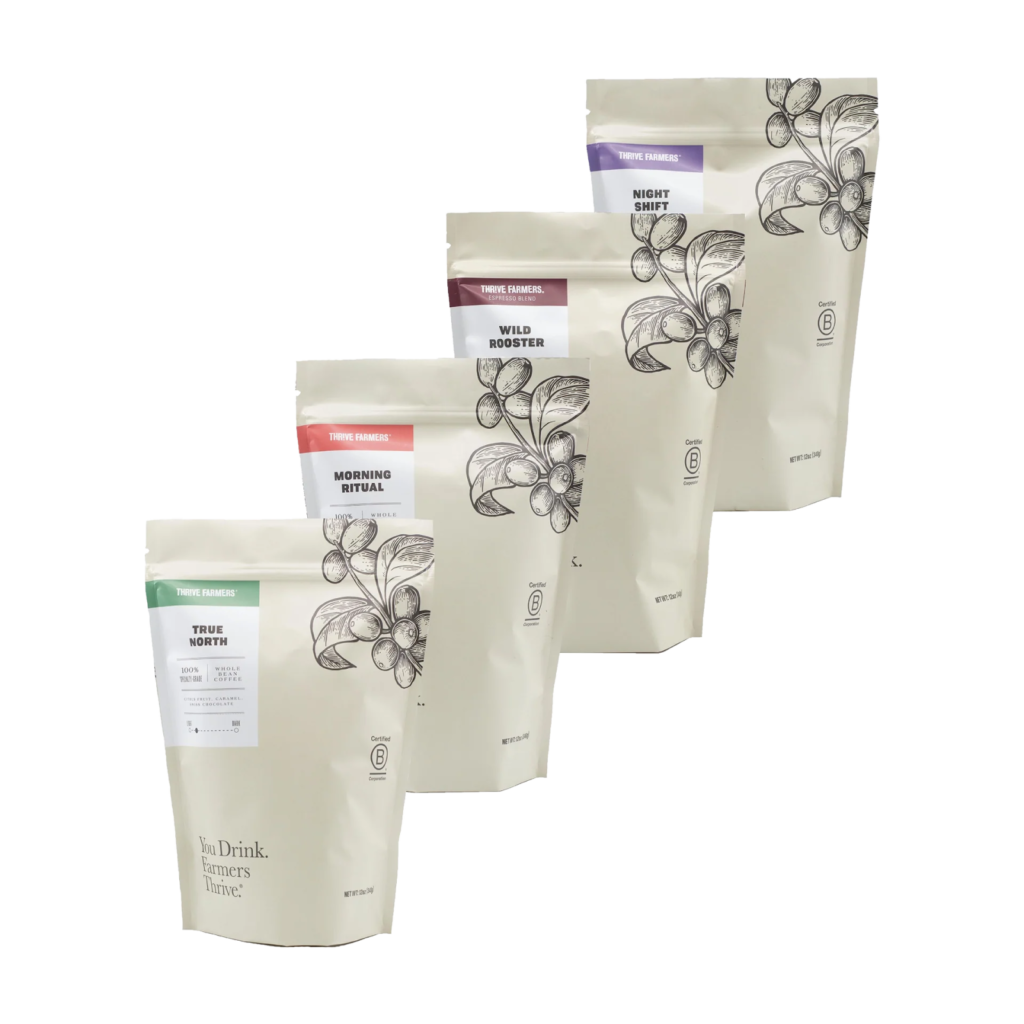
Thrive Farmers has revolutionized the coffee supply chain with their farmer-direct revenue sharing model. This approach ensures that coffee farmers receive a much larger share of the profits by linking their income directly to the sales price. As a certified B-Corporation, Thrive’s commitment to sustainable and fair trade coffee has made it a significant player in the industry, offering organic and ethically sourced coffee options that genuinely impact producers and their families.
Furthermore, through its private operating foundation, Thrive Workx, Thrive Farmers actively combats poverty by leveraging business acumen, local leadership, nonprofit organizations, and government support to develop impactful poverty solutions. Thrive Workx catalyzes movements that propel communities toward prosperity worldwide by establishing a sustainable success sequence. To date, the foundation has positively impacted 45,555 individuals across 34 communities in Guatemala and Costa Rica.
What to Try
Thrive Farmers offers a diverse selection of coffee options, including exclusive subscription-only blends to support the farmers who cultivate its coffee. The Growers’ Reserve line provides an excellent opportunity to taste coffee directly sourced from farmers who benefit from predictable, stable, and higher incomes, thereby supporting their families and communities. Choose from standout products such as The Adventurer (available through subscription only), Urisar Ferneldy de Leon (named after the third-generation coffee farmer responsible for growing this exceptional coffee), and Flor Mar Costa Rica. Thrive offers the Coffee Sampler and The Explorer subscriptions for those eager to explore multiple blends. The Coffee Sampler features two distinct flavors, True North and Morning Ritual. At the same time, The Explorer offers a rotating selection of the brand’s favorite blends each month, ensuring a delightful coffee journey with every sip.
5. Pachamama Coffee
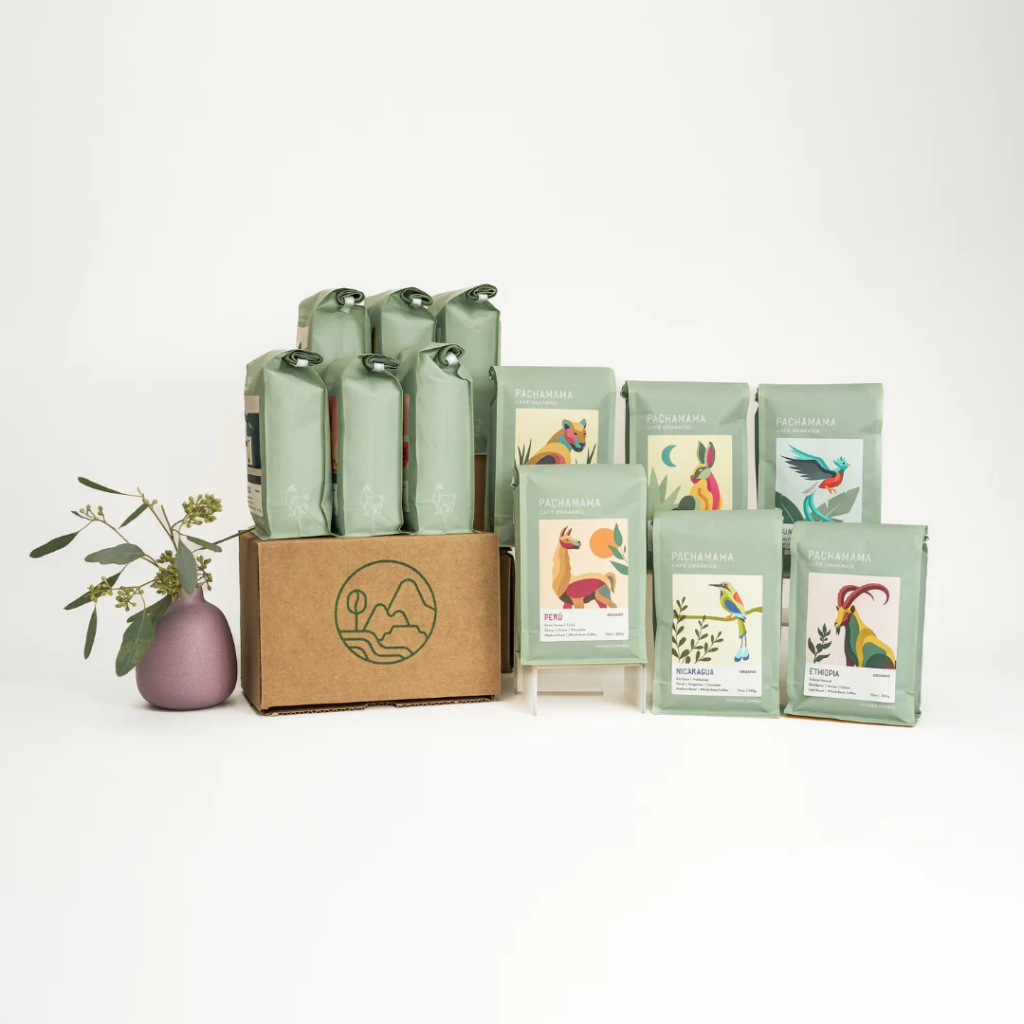
Unique in its farmer-owned cooperative model, Pachamama is a global network of coffee producers that has been directly marketing its organic and fair trade coffee to consumers since 2006. This direct-to-consumer approach maximizes farmers’ profits and ensures the coffee meets the highest ethical and quality standards.
Likewise, such sustained profits enable its farmers to reinvest in their farms, communities, and families, thereby fostering a higher quality of life.
Moreover, the brand’s commitment goes beyond mere rhetoric. As the first vertically-integrated coffee roaster wholly owned by growers, its business model was honored with the Specialty Coffee Association’s Sustainability Award for Business Model in 2021.
Pachamama’s dedication to sustainability extends to its product offerings. All of its coffees are organically grown under shade canopies, utilizing methods that regenerate valuable topsoil. While organic farming demands more time, effort, and dedication, it fosters long-term resilience in ecosystems, soil health, and the well-being of plants, animals, and communities for generations to come. Additionally, the brand employs plant-based and compostable packaging without compromising the quality of its coffee.
Pachamama’s dedication to environmental and social sustainability makes the brand a standout choice for ethically minded coffee enthusiasts.
What to Try
Pachamama’s coffee consistently receives rave reviews for its rich flavor and enticing aroma. With many options available, finding a blend to suit your palate should be effortless. For a dependable choice in both beans and ground coffee, consider trying the Five Sisters’ blend, renowned for its balanced caramel citrusy base. Alternatively, indulge in the Perú blend for a deep, flavorful cup with delightful notes of cherry and chocolate. Should you find yourself enamored with Pachamama’s coffee offerings, consider opting for a prepaid monthly subscription to ensure a steady supply of your favorite brew.
6. Dean’s Beans Organic Coffee Company
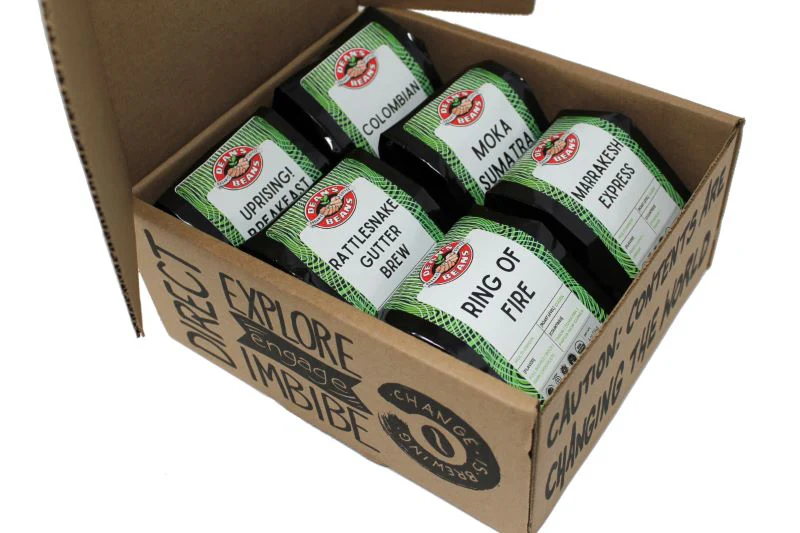
Established in 1993 by Dean Cycon, a former environmental and indigenous rights lawyer, Dean’s Beans epitomizes how a for-profit enterprise can enact significant change through ethical business practices centered on reverence for the earth, farmers, co-workers, and consumers alike.
Dean’s Beans’ commitment to positive change is evident in its approach to sourcing organic and fair trade coffee. It engages in sustainable business practices, including renewable energy and eco-friendly packaging, and works directly with coffee-growing communities to implement development projects. Dean’s Beans proves ethical coffee can be accessible, affordable, and delicious.
What to Try
Each coffee offered by Dean’s Beans originates from a distinct society or cooperative and geographical region, spanning Colombia, East Timor, Ethiopia, Guatemala, Honduras, and more. Consequently, every coffee origin boasts its unique flavor profile, acidity, body, and mouthfeel. Choose from an array of light roasts such as Guatemalan Los Jovenes, Peruvian Carbon Neutral Coffee, and Washed Ethiopian Sidama Boa Bedegelo. For aficionados of robust brews, explore the brand’s dark roast selections, including Ahab’s Revenge, Berkeley Shark Bite, Ethiopian Oromia, Guatemalan French Roast, Ring of Fire, and Sumatran French Roast, among others. Can’t settle on a single coffee? Opt for Dean’s Beans sampler, featuring six 4 oz. packs of the brand’s most popular regular roasts, offering ample variety for your discerning palate.
7. Larry’s Coffee
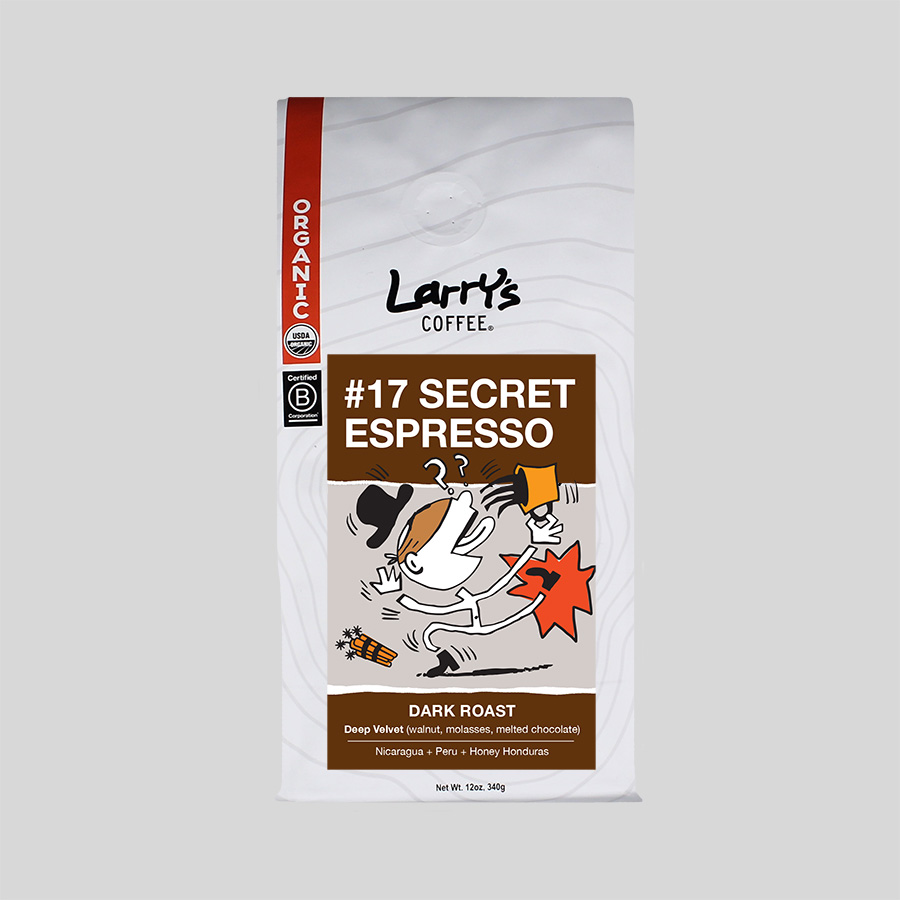
Larry’s Coffee, a Raleigh-based coffee company, seamlessly blends coffee excellence with a commitment to social impact. As a certified B-Corporation, Larry’s is renowned for its unwavering dedication to sustainability, which is evident in every facet of its operations. Occupying a trio of interconnected buildings with a central roastery, Larry’s Coffee incorporates innovative features such as solar water-heated floors, rainwater-driven restrooms, and a substantial passive-solar clear story. Additionally, the brand actively tackles waste management through initiatives like worm composting to divert food waste from landfills. Embracing eco-conscious practices, Larry’s utilizes fully recyclable K-cups to serve its brews to customers.
Larry’s Coffee is steadfast in its commitment to fair trade, organic, and shade-grown coffee. It ensures that each product it offers meets stringent environmental and ethical standards. Larry’s Coffee is about high-quality coffee and fostering a sustainable and equitable coffee culture.
What to Try
Larry’s Coffee offers diverse organic coffees tailored to suit various palates. The brand’s Secret Espresso #17 is a must-try for discerning coffee aficionados. Described as the pride and obsession of Larry’s, this blend undergoes meticulous sourcing from around the globe to ensure perfection. It boasts a rich, creamy texture with refreshingly tangy acidity, complemented by notes of dark chocolate and toasted tobacco. Another standout option is Bad Kitty, renowned for its dark, sweet, complex, and bold flavor profile. Crafted specifically for Kitty Kinnin in 2010 for the Foundation of Hope, purchasing this brew guarantees a delightful cup of joe and supports individuals battling mental illness, as Larry’s donates 10% of proceeds from this product to the Foundation of Hope.
8. Wonderstate Coffee
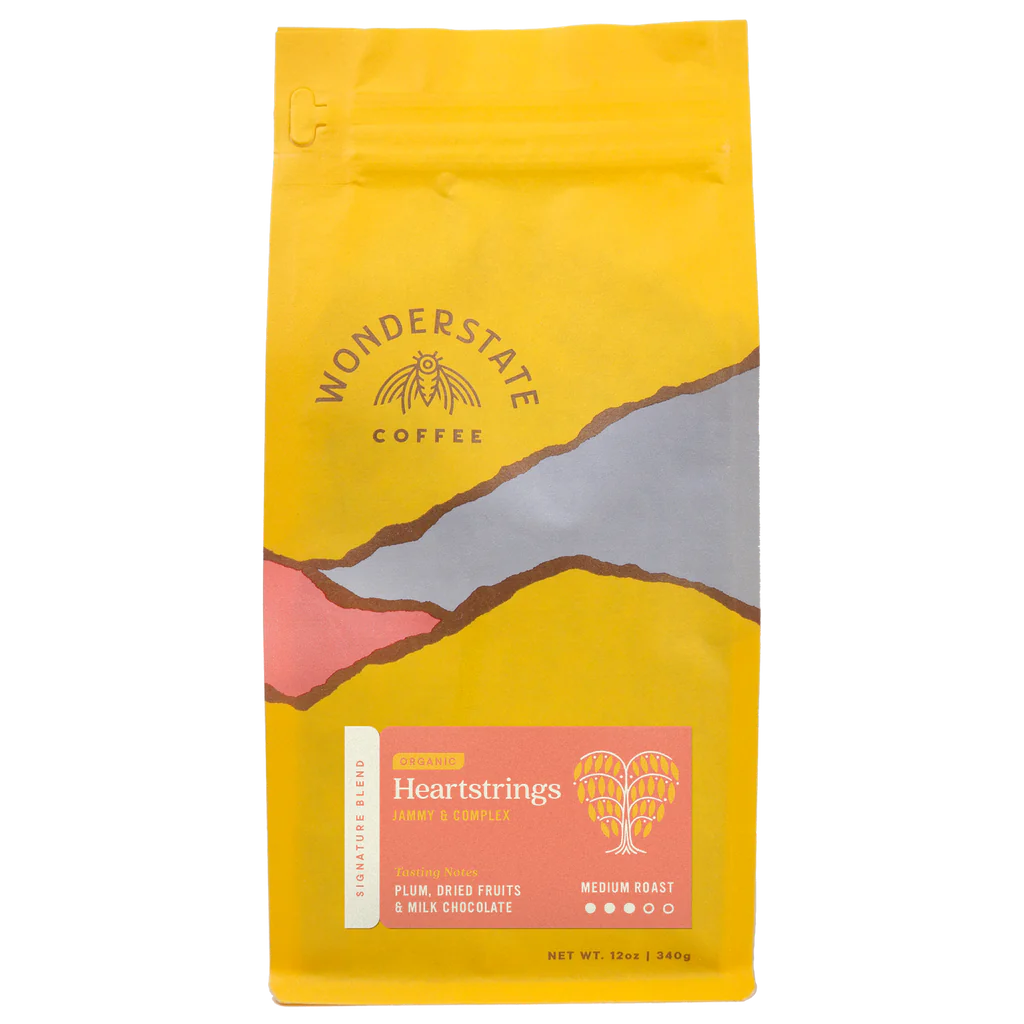
Wonderstate Coffee (formerly Kickapoo Coffee) is committed to fairness and sustainability in the coffee trade. With a direct trade model called “Sourcing Coffee for the Collective Good,” Wonderstate Coffee works closely with farmers and prioritizes organic practices. Such approach ensures that the brand can offer farmers an industry-leading minimum price of $3.10 per pound of green coffee—55% higher than Fair Trade and 29% higher than Fair Trade Organic prices. Moreover, the brand donates $0.03 per pound of coffee purchased through Cooperative Coffee to its Impact Fund, supporting farmer education and regenerative agriculture practices to foster climate resilience.
In addition to fair compensation, Wonderstate demonstrates its commitment to sustainability through renewable energy initiatives. Since 2015, the brand has operated as one of the world’s first 100% solar-powered coffee roasteries. Furthermore, Wonderstate offsets carbon emissions from all wholesale shipping orders, reducing its ecological footprint and mitigating environmental impact.
What to Try
Wonderstate’s Kenya Kamavindi Gesha stands as one of its top-rated coffees, sourced from the Mbature family, renowned for producing some of Kenya’s finest coffees. With opulent stone fruit and blackberry tones, luxurious floral aromas of jasmine, and a tropical finish of passion fruit, this coffee offers an extraordinary experience for those seeking legendary cups. For a delightful morning pick-me-up, consider trying Heartstrings—a rich blend of washed and naturally processed coffees. With its deep, complex taste and jammy, strawberry splash, this brew will surely tug at your heartstrings and invigorate your coffee routine.
Why and How to Choose a Sustainable and Ethical Coffee
Known that your choice of coffee goes beyond your preference. It extends to the ethical and sustainable practices employed by coffee brands. With terms like fair trade, organic coffee, and sustainable coffee brands gaining traction, understanding why and how to choose a sustainable and ethical coffee becomes essential.
Why Choose Sustainable and Ethical Coffee?
- Supporting Fair Trade Practices: Opting for fair trade coffee ensures that coffee farmers receive fair compensation for their labor, enabling them to support their families and invest in their communities.
- Promoting Environmental Sustainability: Sustainable coffee brands prioritize organic coffee cultivation methods, avoid harmful pesticides, and preserve biodiversity. By choosing such brands, consumers contribute to healthier ecosystems and mitigate environmental degradation.
- Ensuring Ethical Sourcing: Ethical coffee brands maintain transparent supply chains, responsibly sourcing coffee beans and ensuring that farmers are treated fairly throughout production. This ethical sourcing fosters equitable trade relationships and supports local communities.
How to Choose Sustainable and Ethical Coffee
- Look for Certifications: Seek out coffee brands with recognized certifications. According to Smithsonian Magazine, some certifications to look for in a brand are Fair Trade Certified, Rainforest Alliance Certified, UTZ Certified, and Bird-Friendly Certified. The last one may be the least known coffee certification but is actually important as it means that a coffee adheres to the extremely strict guidelines of shade-grown coffee set by the Smithsonian Migratory Bird Center. Generally, however, the mentioned certifications provide assurance that the coffee you purchase meets stringent ethical and environmental standards.
- Research Brand Practices: Dive deeper into a coffee brand’s practices and values. Investigate whether it engages in direct trade relationships with farmers, prioritizes sustainable farming methods, and supports community development initiatives.
- Consider Packaging: Sustainable coffee brands often use eco-friendly packaging options, such as compostable bags or recyclable materials. Pay attention to the brand’s packaging choices and opt for those that minimize environmental impact.
- Support Transparent Brands: Choose brands that are transparent about their sourcing practices, pricing structures, and impact on coffee-producing communities. Transparency fosters trust and accountability, ensuring your coffee purchase aligns with your values.
- Explore Specialty Coffee: Specialty coffee roasters often prioritize quality, sustainability, and ethical sourcing. Explore specialty coffee options in your area or online, as these brands are more likely to adhere to ethical and sustainable practices.
Conclusion
Choosing sustainable and ethical coffee brands is a way to enjoy a delicious cup of coffee and a means of supporting positive social and environmental change. By opting for brands that prioritize fair trade, organic farming, and community development, consumers can contribute to a more equitable and sustainable coffee industry. With these eight brands leading the way, responsible sipping has never tasted better!
Frequently Asked Questions
An ethical coffee brand ensures fair compensation and working conditions for its farmers and actively invests in community development and environmental sustainability.
Not necessarily. While organic coffee is grown without synthetic pesticides or fertilizers, it needs to ensure that farmers are paid fair prices and adhere to ethical labor practices to be considered an ethical coffee.
Absolutely. Sustainable coffee often tastes better due to the high-quality beans produced through organic and eco-friendly farming practices.
Yes, several sustainable coffee brands offer biodegradable or compostable coffee pods as an eco-friendly alternative to traditional plastic or aluminum pods.