
In an age where sustainability intersects with health, cycling emerges as one of the most eco-friendly modes of transportation available. Not only does cycling significantly lower carbon emissions compared to driving, but it also benefits one’s physical well-being. Health benefits of cycling include lower risk of cancer and heart disease, reduced body fat levels, and improved mental health and brain power, just to name a few.
However, not all bikes are made equal regarding their environmental footprint. So, to align with your values of sustainability, we meticulously researched and identified 10 eco-friendly bike brands that are revolutionizing the way towards a more sustainable and healthy daily commute. More than just producing bikes, they’re leading the charge in innovative designs that maximize the use of recycled materials and minimize energy consumption during production. By adopting rigorous sustainable practices, these bike companies show that bicycles can be a wholly green solution to urban mobility and personal health.
Beyond highlighting these trailblazers, we also delve into the environmental impact of bicycle manufacturing and disposal. Our goal is to illuminate not just the choice of purchasing an eco-friendly bike but also the broader implications of how bikes contribute to an eco-conscious lifestyle. Moreover, we explain the importance of choosing an eco-friendly bike and the considerations you need to take into account when you need to buy a new bike.
Key Takeaways
- Eco-friendly bikes are designed to reduce environmental impact, utilizing recycled materials and sustainable manufacturing practices.
- Opting for an eco-friendly bike can significantly decrease your carbon footprint and promote a healthier lifestyle.
- The brands listed below are noteworthy for their commitment to sustainability. They showcase how the cycling industry can lead in eco-conscious innovation.
- From urban commuters to rugged e-bikes, the variety available ensures there’s an eco-friendly option for every type of cyclist.
The Environmental Impact of Bike Manufacturing and Disposal
The environmental impact of biking is well-documented. Research from sources like the World in Data highlights significantly lower carbon emissions from cycling than other transportation modes. While not explicitly stated in the provided data below, cycling typically yields a carbon footprint ranging from 16 to 50 grams CO2eq per kilometer, influenced by cycling efficiency and dietary choices. Also, substituting short car trips with biking can slash an individual’s travel emissions by approximately 75%.
source: https://ourworldindata.org/grapher/carbon-footprint-travel-mode
However, the environmental impact of bike manufacturing and disposal is an often overlooked aspect when shifting towards more sustainable modes of transportation. The production and end-of-life treatment of bicycles themselves carry a substantial environmental footprint. Understanding these impacts is crucial for consumers and manufacturers to make informed decisions supporting a sustainable bike supply chain.
The environmental impact of bicycle manufacturing primarily resides in the materials used and the energy consumed during production. Traditional bike frames are crafted from materials like steel, aluminum, and, increasingly, carbon fiber, all of which require significant energy inputs and generate considerable CO2 emissions during extraction and refinement. For instance, the production of aluminum—a popular choice for lightweight bikes—can be particularly energy-intensive and environmentally taxing due to the high emissions associated with its extraction and processing. As per the Royal Institution of Chartered Surveyors (RICS), aluminum production contributes roughly 1.1 billion tons of CO₂ annually, constituting about 2% of human-induced greenhouse gas emissions.
Further, the popularity of carbon fiber bikes introduces additional environmental concerns. While carbon bike frames offer benefits in terms of weight and strength, the production process is highly energy-intensive. Recent research indicates that carbon fiber manufacturing consumes between 100 and 900 megajoules of energy per kilogram of fibers produced. Unfortunately, the resulting composite material is not as good either, as it is notoriously difficult to recycle, often ending up in landfills at the end of its lifespan.

Moreover, despite the durability of most bicycles, disposal remains a pertinent issue, particularly for bikes made from materials that are not readily recyclable. A study published by The International Review for the Sociology of Sport (IRSS) highlighted that the end-of-life phase for bicycles has a significant environmental impact. This is especially true for those constructed from mixed or composite materials like carbon fiber, which complicates recycling, and when the number of bikes outpaced their demand, just like what happened to the bike-sharing services in China.
As per The Atlantic, the rapid proliferation of millions of shared bicycles overwhelmed Chinese cities, which lacked the infrastructure and regulations to manage such a sudden influx of this mode of transportation. Consequently, riders would abandon bikes haphazardly, leading to piles of bicycles obstructing streets and pathways.
10 of the Most Eco Friendly Bike Brands
Encouragingly, the cycling industry has acknowledged these pressing concerns and is actively implementing strategies to minimize environmental impact. Many bike brands are now prioritizing sustainability throughout their production processes. This includes utilizing recycled materials for bike construction, transitioning to renewable sources in manufacturing, and designing bikes with recyclable or biodegradable components. Here are our top 10 picks for eco-friendly bike brands that offer responsible commuting solutions for environmentally conscious individuals.
1. Brooklyn Bicycle Co.

Brooklyn Bicycle Co. stands out for its commitment to sustainable urban biking. The company focuses on crafting bikes that are stylish and built to last, using high-quality, sustainable materials like steel. Their Driggs 3 model, for example, uses eco-friendly rubbers and metals, emphasizing durability and minimal environmental impact.
Brooklyn Bicycle Co. upholds responsible manufacturing practices in addition to the quality of its bikes. It carefully selects factories that align with its values, ensuring fair treatment of workers, meticulous product handling, and a commitment to customer safety and satisfaction.
The brand’s dedication to ethical production is also evident through regular factory visits. With onsite consultants overseeing each production run, it maintains a hands-on approach to ensure adherence to its rigorous standards. Brooklyn Bicycle Co. enters partnerships only after rigorous vetting, working exclusively with factories that meet or exceed its exacting criteria. Any factory unable to meet these standards is promptly dismissed, reflecting the brand’s unwavering commitment to integrity and quality assurance.
2. Bamboocycles

Bamboocycles, founded by Diego A. Cárdenas Landeros in Mexico City in 2008, specializes in designing and crafting bicycle frames from bamboo. The company emerged from a shared vision of enhancing quality of life and engaging in a transformative project. With its inaugural bike sold in 2010, Bamboocycles has progressively expanded its product lineup, introducing new models over time.
Derived from one of the most sustainable raw materials, bamboo, Bamboocycles offers bikes with exceptional vibration dampening and strength. The brand’s unique construction method ensures that every bike is an eco-friendly piece of art. Bamboo’s rapid regrowth makes it a renewable resource, showcasing Bamboocycle’s commitment to sustainability.
Bamboocycle currently offers 12 bike models, meticulously crafted by hand and tailored to individual orders. This personalized approach minimizes excess bike inventory, aligning with their commitment to sustainability and efficient production practices.
3. Detroit Bikes

Founded in 2011, Detroit Bikes is dedicated to enhancing its customers’ enjoyment and satisfaction throughout their bike ownership journey. Proudly made in the USA, the brand embodies sustainability through local manufacturing and high-grade Chromoly sustainable steel frames, which are strong, lightweight, and highly recyclable. The A-Type model is a prime example of its eco-friendly approach, with each part sourced as locally as possible to reduce transport emissions and support local economies.
Operating from a sprawling 50,000-square-foot factory, Detroit Bikes manufactures its signature US Chromoly bikes locally, ensuring a streamlined production process and contributing to the economic vitality of its community.
4. Pashley Bikes
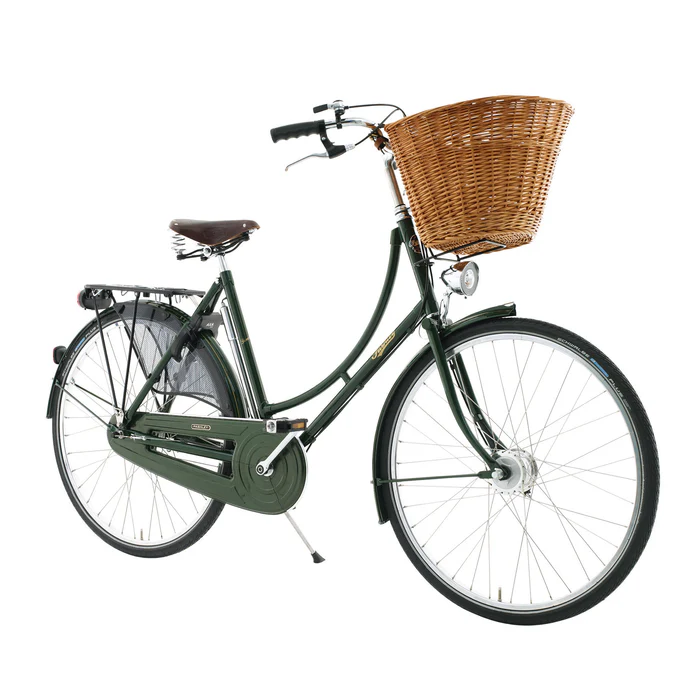
With a rich history dating back to 1926, Pashley Bikes is the oldest cycle manufacturer in England. It emphasizes traditional craftsmanship and durable materials, which is evident in its bicycle quality.
The brand’s bikes, made in the UK, integrate eco-conscious practices through the use of sustainable materials and long-lasting design. The Princess Sovereign model epitomizes this ethos, blending elegant sustainability with the timeless English cycling tradition. Featuring a sustainable steel frame, this model reflects Pashley’s heritage dating back to the 1920s.
Furthermore, Pashley prioritizes a small-scale, hands-on approach to production, fostering exceptional quality and longevity in each bicycle while minimizing production surplus. This meticulous manufacturing process allows for close attention to detail and craftsmanship, resulting in bicycles that stand the test of time.
Pashley’s expertise extends beyond traditional bicycles to include a range of handcrafted foldable bikes and carriers. These products are meticulously designed to cater to diverse needs, whether for individual commuters or industrial applications.
5. Fairlight Cycles

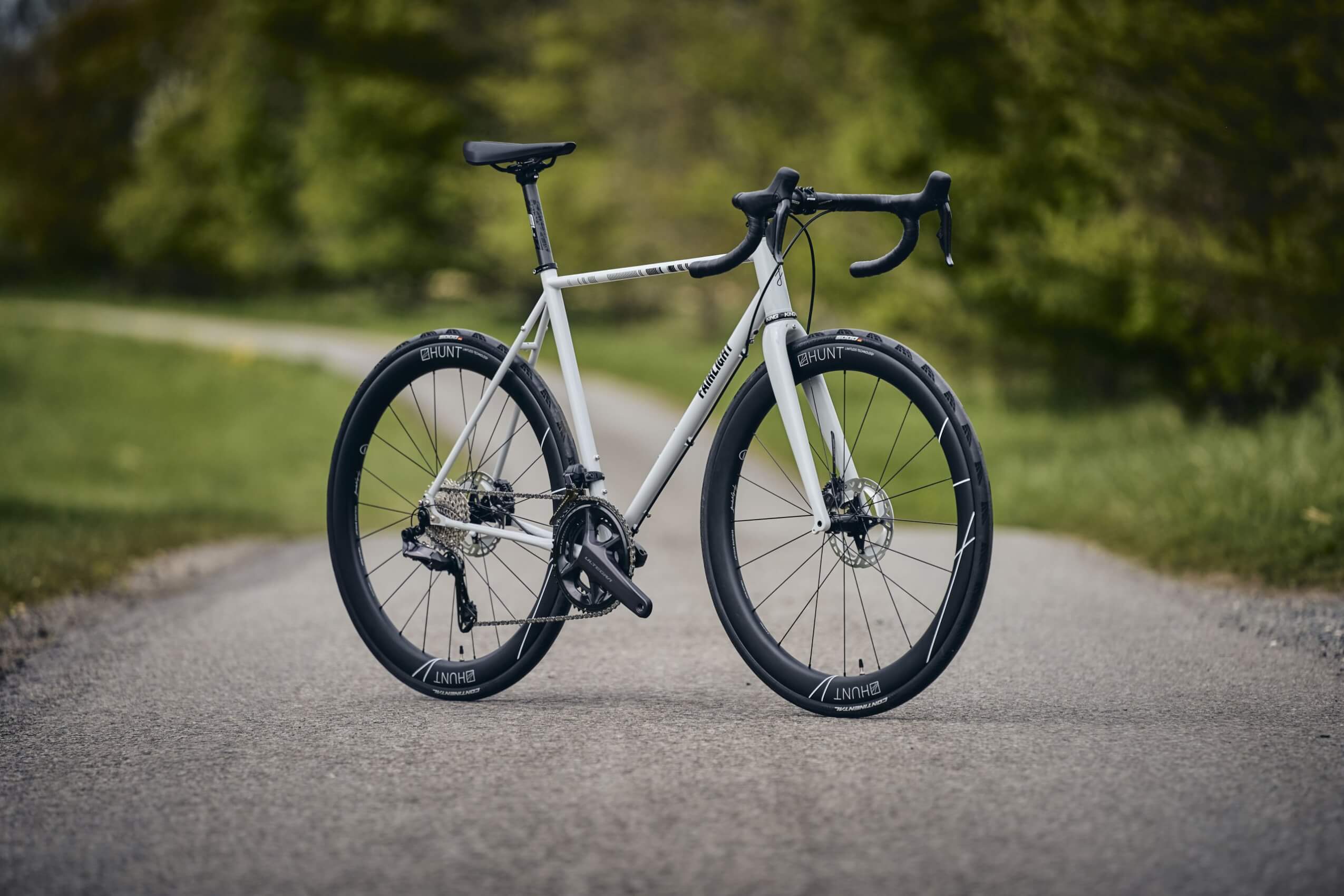
Fairlight Cycles is noted for its precision in creating sustainable and high-performing bicycles. The brand uses sustainable steel and aluminum in its frames, which are recyclable materials, making its bikes both durable and environmentally friendly.
The Strael model combines sustainability with state-of-the-art performance with its Reynolds 853 and 725 steel tubing and unrivaled functionality and durability.
Collaboration plays a pivotal role in Fairlight Cycle’s production ethos. The company strategically partners with industry experts like Reynolds Technology, known for its dedication to sustainability. Reynolds Technology actively assesses and mitigates carbon emissions associated with production, contributing to Fairlight Cycle’s commitment to reducing environmental impact.
6. REI Co-op Cycles

Recreational Equipment, Inc. (REI) Co-op, established in 1938, is renowned for its commitment to environmental activism. This ethos extends to its bike brand, REI Co-op Cycles.
The brand distinguishes itself through its unwavering dedication to sustainability. From utilizing eco-friendly packaging to constructing bikes, such as the CTY model, from 80% recycled materials, REI sets a precedent for eco-conscious practices among major brands.
REI prioritizes collaboration to advance sustainable business practices. Through initiatives like its Product Impact Standards, the company empowers brand partners to embrace sustainability and inclusivity in product development. These standards outline expectations for managing environmental and social impacts, while also promoting “preferred attributes” that reduce carbon emissions and foster positive outcomes.
Annually, REI evaluates brand partners’ sustainability performance to track collective progress and inform assortment decisions. By rewarding brands with strong sustainability practices, REI drives meaningful change within the industry.
7. Pedego Electric Bikes
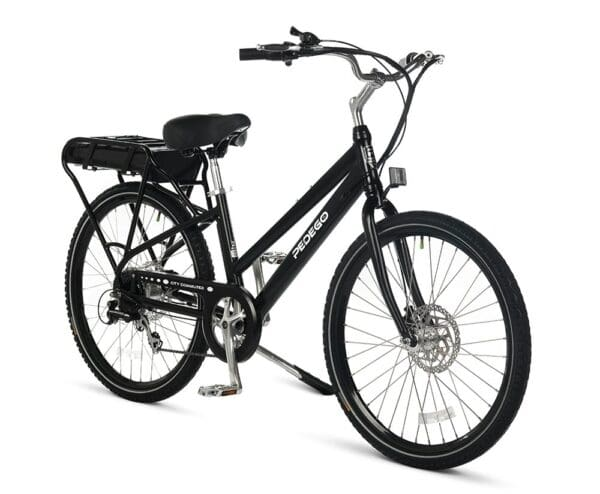
Pedego focuses on e-bikes, which offer an environmentally friendly alternative to gas-powered vehicles. The brand’s electric bikes use rechargeable batteries and efficient motors, reducing carbon emissions for daily commutes. The Pedego City Commuter is an ideal choice for those transitioning to electric bikes, boasting premium components sourced from top manufacturers. Its lithium-ion cells comply with UL2580 standards, ensuring a superior and responsible riding experience.
In addition to its sustainable e-bike components, Pedego implements a robust recycling program. Upon reaching the end of their lifecycle, Pedego assists customers in safely disposing of their e-bikes and batteries. As part of Canada’s Call2Recycle® electric bike battery collection and recycling initiative, Pedego facilitates the safe collection, transportation, and recycling of batteries. Recycling batteries diverts harmful materials from landfills and promotes material circularity by sourcing lithium from recycled batteries.
8. Specialized Turbo
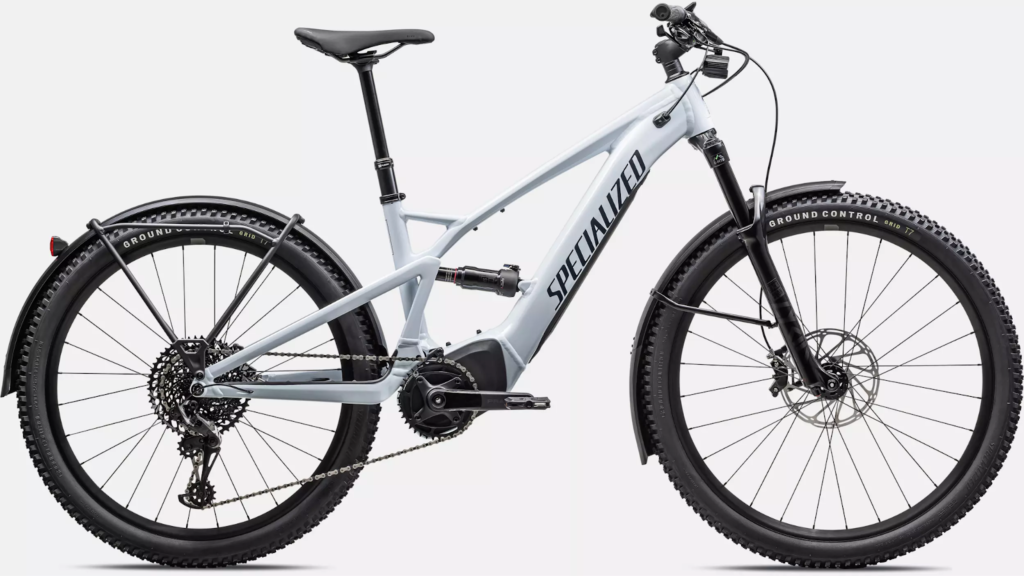
Specialized has been at the forefront of bike innovation, and their Turbo line of e-bikes is no exception. These bikes offer a sustainable alternative for faster commuting, built with eco-friendly materials and featuring electric assistance to reduce effort and increase speed without sacrificing eco-friendliness.
Specialized has been at the forefront of bike innovation, and its Turbo line of e-bikes is no exception. These bikes offer a sustainable alternative for faster commuting, built with eco-friendly materials and featuring electric assistance to reduce effort and increase speed without sacrificing eco-friendliness.
Specialized demonstrates a steadfast commitment to environmental responsibility across its operations. The brand maintains close engagement with manufacturing partners, conducting thorough audits encompassing aspects like occupational health and safety, labor law compliance, and environmental regulations. As a founding member of the Sporting Goods Industry Responsible Sporting Initiative (RSI), Specialized collaborates with leading brands and suppliers to establish shared standards and tools, facilitated by the Fair Factories Clearing House. This initiative has proven instrumental in swiftly enhancing labor and environmental performance within the supply chain, serving as a model for collaborative problem-solving.
Moreover, Specialized operates a robust reuse and recycling program. The Turbo team in Switzerland has developed cutting-edge battery and charging systems to optimize performance and longevity. Through a partnership with Redwood Materials, a renowned lithium-ion battery recycling firm, Specialized endeavors to recover materials for reintegration into manufacturing processes and assesses design practices to enhance end-of-life reuse or recyclability. The brand’s apparel division also contributes to environmental sustainability by incorporating recycled fabrics like polyester and nylon into its designs, diverting materials from oceanic and landfill disposal. Notably, Specialized ensures that returned carbon frames in the US are diverted from landfills.
Specialized is actively exploring avenues to expand its carbon take-back program globally by developing products that repurpose carbon fibers. While these fibers may not be suitable for bike frames, they can be blended with plastics to reinforce materials, akin to traditional glass fiber applications. This initiative reflects Specialized’s ongoing commitment to innovative environmental conservation and sustainability solutions.
9. Chris King Precision Components

Established in 1976, Chris King Precision Components is dedicated to manufacturing top-quality bike parts in an environmentally responsible manner. It prioritizes longevity to keep products on bikes and out of landfills.
While not a bike manufacturer, Chris King is renowned for producing sustainable bike components. The brand’s components can make any bike more sustainable, from eco-friendly bearings to fully recyclable headsets and bottom brackets.
Chris King Precision Components sets a high bar by becoming the first company in the bike industry to achieve B Corporation certification, aligning with the movement to leverage “business as a force for good™.” In manufacturing, the brand emphasizes resource reclamation, meticulously capturing and separating aluminum and steel by-products to be compacted into dense, recyclable pucks.
Operating from a 73,000-square-foot facility in Portland, Oregon, Chris King implements innovative solutions to minimize energy consumption. Notably, the company designed and implemented a 3000-gallon water mass loop system to regulate heating and cooling throughout the building efficiently.
Chris King Precision Components offers an example of how sustainability can permeate all aspects of cycling.
10. Gazelle Bikes

Gazelle has been producing bikes since 1892, focusing on durability and sustainability. The brand’s e-bikes, like the Ultimate T10, combine the ease of electric biking with its commitment to eco-friendly manufacturing processes, making them a top choice for environmentally conscious commuters.
Drawing upon over 130 years of expertise, Gazelle Bikes actively contributes to UN Sustainable Development Goal 9, focusing on Industry, Innovation, and Infrastructure. The company prioritizes research and modernization to enhance technological capabilities and establish resilient, sustainable infrastructure, thereby supporting economic development in the Dieren region and beyond through its international production facilities.
Gazelle has initiated steps toward establishing a carbon-neutral factory in alignment with its commitment to achieving climate neutrality across the value chain by 2050. This includes integrating energy-efficient features such as LED lighting and heat pumps throughout the production facility, while solar panels fulfill the company’s energy requirements. Additionally, Gazelle emphasizes waste management by implementing continuous waste stream separation practices.
Gazelle aims to inspire its value chain partners to adopt similar practices by pursuing a climate-neutral production environment and transparent communication about its sustainability efforts. The company fosters long-term relationships with suppliers, prioritizing collaboration over imposing strict deadlines for sustainability targets. Gazelle strives towards a sustainable value chain that prioritizes people, the environment, and society by nurturing mutual trust and cooperation.
The Importance of Choosing an Eco-Friendly Bike
Selecting an eco-friendly bike reduces one’s carbon footprint and supports companies committed to environmental stewardship. These brands often go beyond producing sustainable bikes; they embark on initiatives to decrease workshop waste, utilize renewable energy sources, and engage in community upliftment. Choosing a sustainable bike plays a critical role in driving industry-wide changes towards more eco-conscious production practices.
What sets these eco-friendly bicycles apart is their reduced environmental impact during production. Many of these bikes are designed with longevity in mind, promoting a culture of reuse and reducing the need for frequent replacements. This, combined with the health benefits of cycling, emphasizes the multifaceted advantages of switching to an eco-friendly bike for daily commuting.
Considerations When Choosing an Eco-Friendly Bike
Once you are ready to purchase an eco-friendly bike, know that recognizing the best one for your needs requires understanding what sustainability means in the context of cycling. Your choice of a sustainable bike can significantly impact your carbon footprint, promote a healthier lifestyle, and support ethical manufacturing practices. Here are essential considerations to guide you in selecting the most sustainable bicycle that aligns with your needs and values:
| Aspect | Description |
|---|---|
| Materials and Sustainability | Eco-friendly bikes often utilize materials like recycled steel and aluminum or innovative compounds like bamboo. These materials are not only sustainable but also ensure the durability and longevity of the bike. For instance, choosing a bike made from recycled aluminum can drastically reduce the demand for new raw materials, lowering the bike’s overall carbon emissions associated with its manufacturing process. Similarly, bamboo is a highly renewable resource known for its strength and resilience, offering an excellent alternative to traditional bike frame materials while contributing to reduced carbon footprint. |
| Manufacturing Process and Energy Consumption | Understanding the energy consumption and manufacturing processes of eco-friendly bikes is crucial. Opt for brands that are transparent about their supply chain and manufacturing practices. Look for companies that use renewable energy sources in their production processes, such as solar or wind power, which significantly reduces carbon emissions. Additionally, manufacturers that streamline their operations to minimize waste and use eco-friendly packaging contribute further to sustainability. |
| Lifecycle and Recyclability | The lifecycle of the bike, including its recyclability, plays a significant role in its sustainability. A genuinely sustainable bike is crafted to last, reducing the need for frequent replacements and, consequently, less waste. Moreover, consider whether the bike’s components are recyclable at the end of their life. Brands that design bikes with disassembly and recycling in mind are leading the way in ensuring that bikes do not end up in landfills, thereby promoting a more sustainable cycling industry. |
| Company Practices and Ethical Considerations | The bike company’s broader practices are equally important. Investigate whether the company engages in ethical labor practices, uses locally sourced materials to shorten the supply chain, and participates in initiatives that give back to the community or contribute to environmental conservation. Companies with a strong commitment to eco-friendly practices often have initiatives in place for bike recycling or trade-in programs, further emphasizing their dedication to sustainability. |
| Customization and Repairability | Consider the bike’s customization and repairability. An eco-friendly bike should fit your current needs and be adaptable in the future. The ease of repair and the availability of spare parts contribute to the bike’s longevity, making it a more sustainable choice over time. Opting for a bike that can be easily upgraded or repaired extends its life and supports a culture of reuse over replacement. |
Conclusion
The availability of eco-friendly bikes greatly advances the journey towards a more sustainable and healthy daily commute. The brands we have listed above exemplify a commitment to sustainability through innovative design, the use of recycled materials, and responsible manufacturing practices, making them an excellent choice when purchasing a new bike.
As cycling continues to gain popularity as a form of transport and a leisure activity, choosing an eco-friendly bike becomes an impactful decision for the planet and personal health. By opting for eco-friendly bikes, you contribute to reducing carbon emissions and fostering a greener, healthier world.
Frequently Asked Questions
Eco-friendly bikes are designed with sustainability in mind, utilizing recycled materials and sustainable manufacturing practices, and they aim for durability to minimize the environmental impact.
While initial costs may be higher, the long-term benefits, including lower maintenance and environmental impact, often outweigh the initial investment.
Look for brands that prioritize sustainable materials, manufacturing processes, and end-of-life considerations, such as recycling and refurbishing programs.
Electric bikes can be eco-friendly depending on factors such as their source of electricity and materials used in manufacturing. Look for models with renewable energy sources and minimal environmental impact.
You can make your bike more eco-friendly by upgrading components with sustainable alternatives, regularly maintaining it, and choosing environmentally friendly transportation habits.
Sustainable bike brands prioritize using eco-friendly materials, reducing carbon emissions in manufacturing and transportation, and promoting a circular economy through repair, reuse, and recycling initiatives.