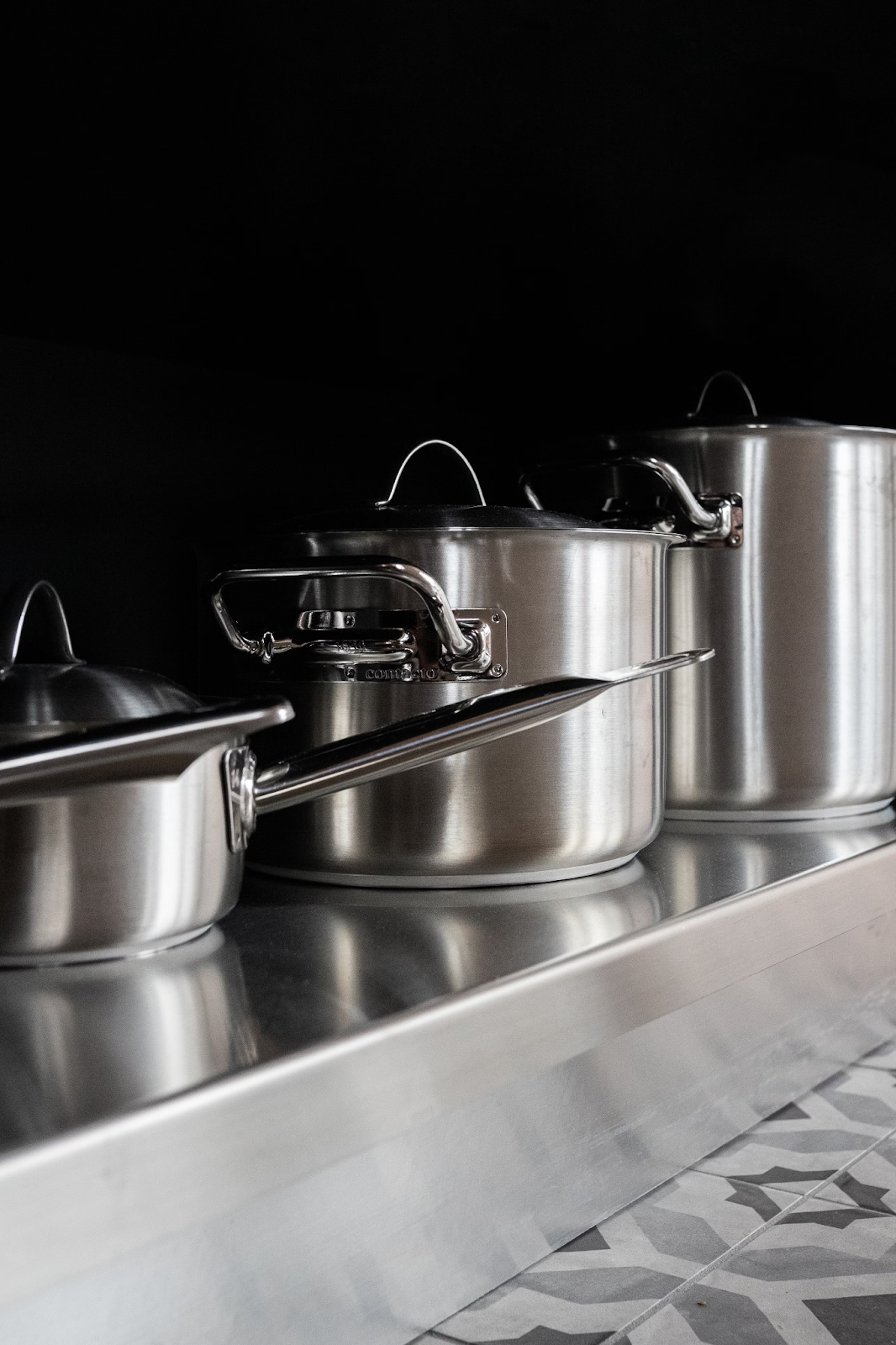

Stainless steel cookware has long been a staple in kitchens worldwide, favored for its durability, versatility, and sleek appearance. However, concerns about the safety of cooking with stainless steel have arisen due to the presence of metals like nickel and chromium in its composition. This poses the question is stainless steel safe to cook with?
In this comprehensive guide, we’ll delve into the safety aspects of stainless steel cookware, addressing concerns about potential toxicity. We’ll also highlight the top six stainless steel cookware brands that guarantee a toxic-free culinary adventure. Plus, we’ll provide essential maintenance tips to help you prolong the lifespan of your stainless steel cookware while preserving its non-toxic attributes.
Key Takeaways
- Stainless steel cookware offers durability, versatility, and a sleek appearance for your kitchen.
- While stainless steel is generally safe for cooking, concerns exist about the potential leaching of metals like nickel and chromium into food.
- Opting for high-quality stainless steel cookware from reputable brands can minimize the risks of metal leaching.
- Proper care and maintenance, including avoiding abrasive cleaners and acidic foods, can help prolong the lifespan of stainless steel cookware.
- Always ensure that stainless steel cookware is compatible with your cooking surface, whether it’s gas, electric, or induction.
Significance of Quality Cookware in Culinary Success
Choosing the right cookware is essential for crafting good dishes that delight the palate and nourish the body. The type of material your pots and pans are made from can significantly affect your food’s taste, nutritional value, and safety.
Among the cookware materials available, stainless steel has long been favored by professional chefs and enthusiastic home cooks seeking durability and purity in their cooking tools. Its widespread acclaim is attributed to a multitude of compelling reasons:
- Exceptional Durability: Stainless steel’s robustness is unmatched, boasting superior resistance to warping, scratches, and dents. This resilience ensures that your cookware can withstand the rigors of daily use, making it a long-lasting addition to your kitchen arsenal.
- Heat Mastery: The art of cooking demands precise temperature control, and stainless steel cookware excels in this regard. Many high-end stainless steel options incorporate a core of aluminum or copper, materials renowned for their excellent heat conductivity. This clad construction facilitates even heat distribution, eliminating hot spots and ensuring your dishes are perfectly evenly cooked.
- Versatility for Every Culinary Venture: Whether searing a steak to golden perfection or simmering a delicate sauce, stainless steel cookware’s compatibility with various cooking methods makes it indispensable. It is safe for use with induction cooktops, ovens (at high temperatures), and even under the broiler, offering unmatched flexibility in the kitchen.
- Ease of Maintenance and Hygiene: The non-porous surface of stainless steel cookware is easy to clean and prevents bacteria and odors from infiltrating. Whether you hand wash or utilize a dishwasher, these pots and pans retain their luster and hygiene with minimal effort, ensuring your cooking environment remains pristine.
- Recyclability: Stainless steel’s recyclability is one for the books, with an impressive 85% of products made from this material being recycled to create new steels or serve as a valuable iron source for carbon steels. When stainless steel cookware reaches the end of its life cycle, it can be recycled and repurposed into new products, reducing the demand for raw materials and minimizing environmental impact.
- Energy Efficiency: Stainless steel has excellent heat conductivity properties, allowing for efficient cooking and reducing energy consumption. Cooking with stainless steel cookware can help lower energy bills and decrease carbon emissions associated with cooking activities.
Is Cooking in Stainless Steel Safe?
Despite its widespread use, concerns have been raised about the safety of cooking with stainless steel cookware, particularly regarding the potential leaching of metals into food.
Stainless steel is an alloy containing iron, carbon, and at least 10.5% chromium. The addition of chromium gives stainless steel its renowned corrosion resistance. Higher-quality stainless steel cookware may also contain nickel, molybdenum, and other metals to enhance its strength and heat-resistance properties.
While exposure to the metals above is generally considered safe in small amounts, prolonged exposure or high concentrations may pose health risks. Nickel and, to a lesser extent, chromium are recognized as common triggers for allergic contact dermatitis (ACD). Yet, research indicates that the severity of dermatitis correlates with the dosage of nickel consumed orally.
However, stainless steel is generally recognized as one of the safest when considering the overall safety of cookware materials. It doesn’t require a synthetic coating or finishing material, making it free from toxic chemicals often found in non-stick cookware, such as polytetrafluoroethylene (PTFE) or Teflon.
As long as it’s properly maintained and used as recommended, stainless steel cookware doesn’t leach harmful amounts of metals into food, making it a preferred choice for many health-conscious cooks.
Dangers in Some Cookware Products
It’s essential to be aware of the dangers present in some cookware materials to understand why stainless steel cookware is a safer choice.
Non-stick pans, for example, may release toxic fumes when overheated, particularly those containing PTFE coatings. Aluminum cookware, while an excellent conductor of heat, raises concerns due to its tendency to leach into food, especially when cooking acidic ingredients. This has led to an ongoing debate about its association with various health issues, though no direct link has been conclusively established.
Compared to these materials, the risk associated with stainless steel is significantly lower, particularly when considering high-grade cookware that is designed to minimize leaching.
Top 7 Non-Toxic Stainless Steel Cookware Brands for Healthier and Safer Cooking
With the safety concerns regarding stainless steel cookware addressed, let’s dive into our curated selection of the top 7 cookware brands known for providing premium, non-toxic stainless steel cookware, ensuring a delightful and safe culinary journey.
1. All-Clad
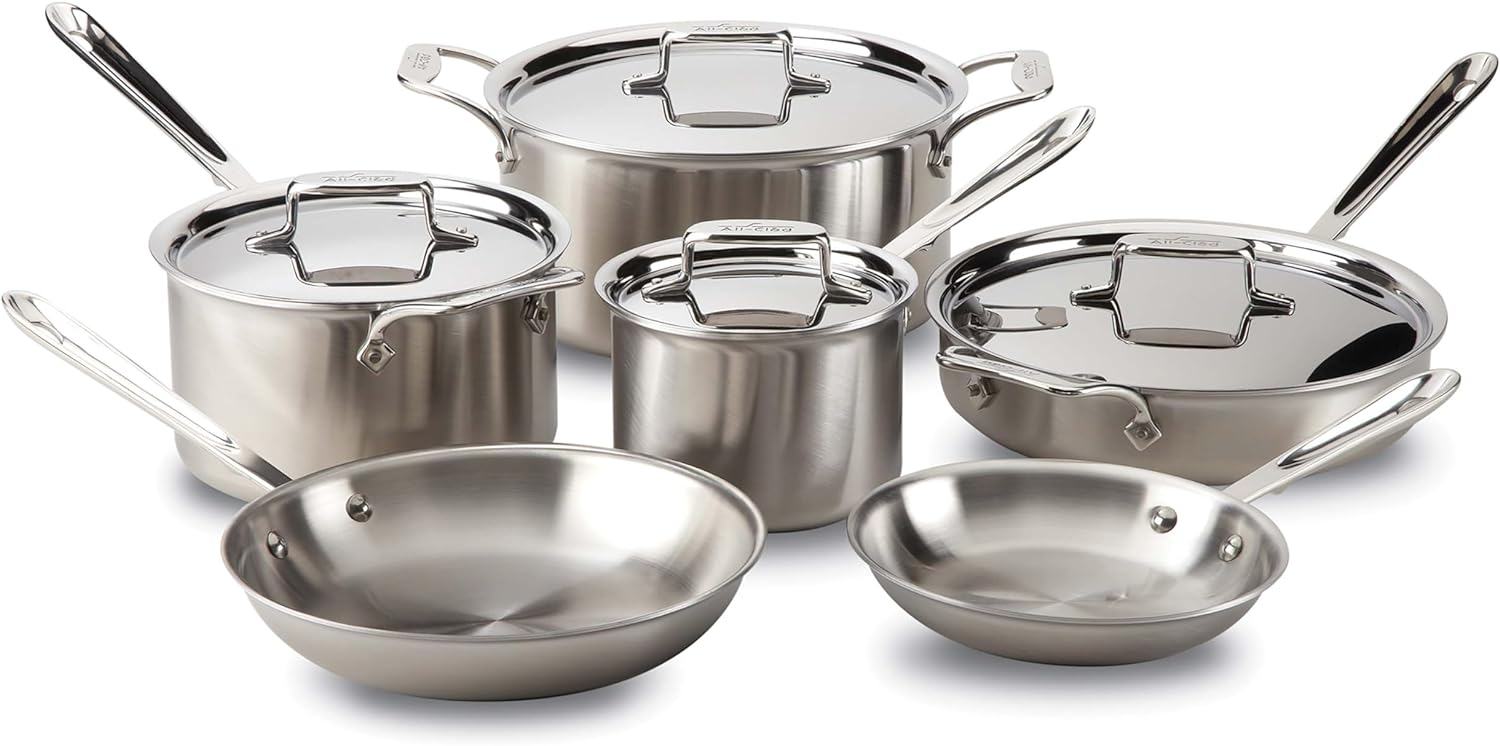
All-Clad is a leader in high-end stainless steel cookware, renowned for its tri-ply construction that ensures even heat distribution, excellent heat retention, and superior durability. Its cookware, made in the USA, often features a core of aluminum or copper sandwiched between layers of stainless steel. It offers optimal cooking performance without compromising safety, making it ideal for various cooking techniques. All-Clad’s commitment to quality and craftsmanship has made it a favorite among culinary enthusiasts worldwide.
2. Cuisinart
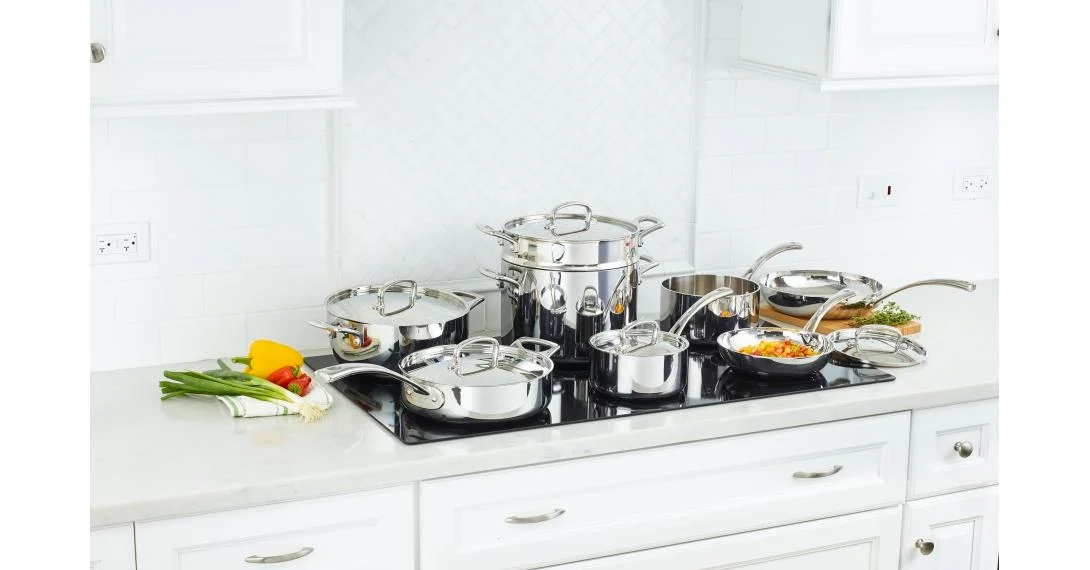
With a reputation for producing high-quality kitchen appliances, Cuisinart offers a selection of stainless steel cookware that combines performance and durability. Their multi-ply construction ensures efficient heat distribution and retention, while the stainless steel cooking surface is resistant to corrosion and staining. Cuisinart’s cookware is compatible with all stovetops, including induction, making it versatile for any kitchen.
3. Calphalon
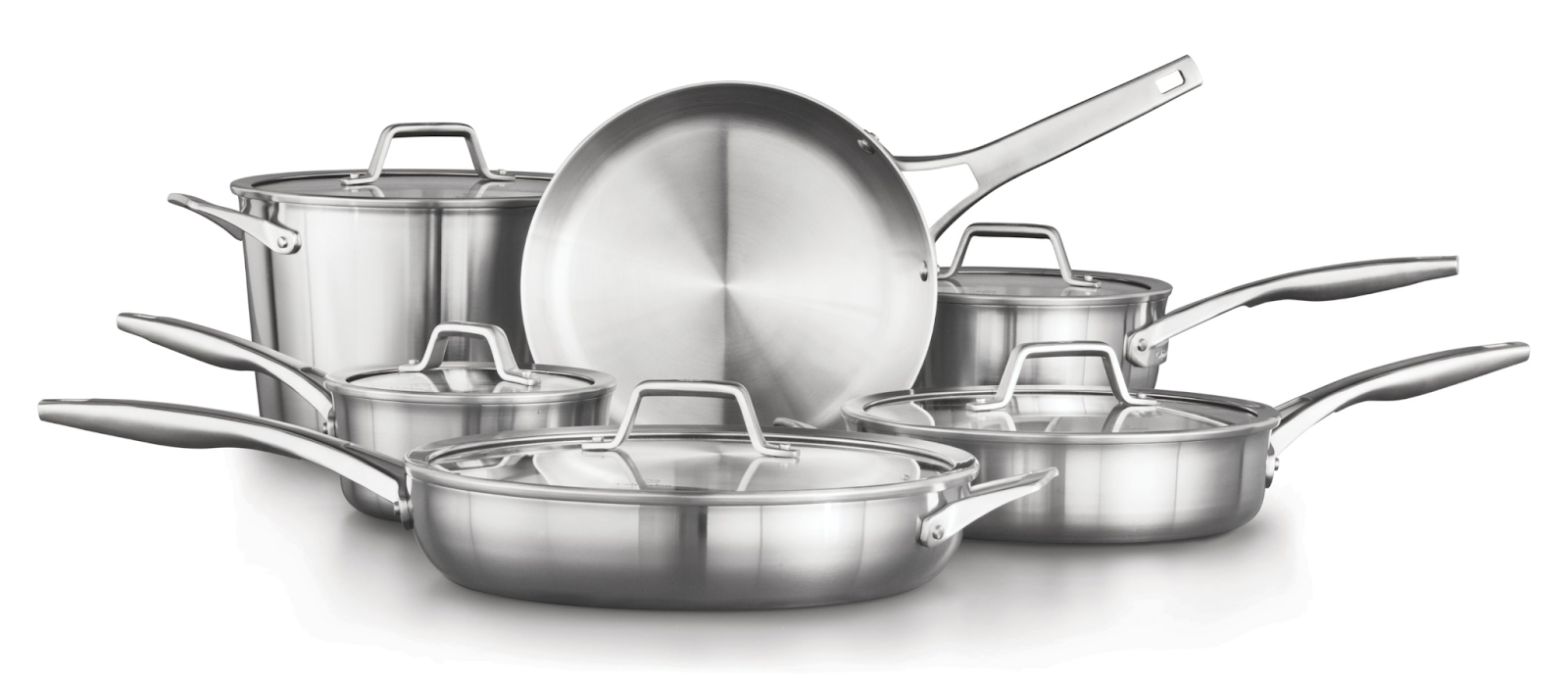
Calphalon impresses with its line of stainless steel cookware that caters to both novice cooks and experienced chefs. Its products boast a multi-ply construction, combining stainless steel with an aluminum core, providing excellent heat conduction and ensuring the cookware remains free from toxic materials. Additionally, Calphalon’s cookware is dishwasher safe and built to withstand the rigors of everyday cooking.
4. Made In
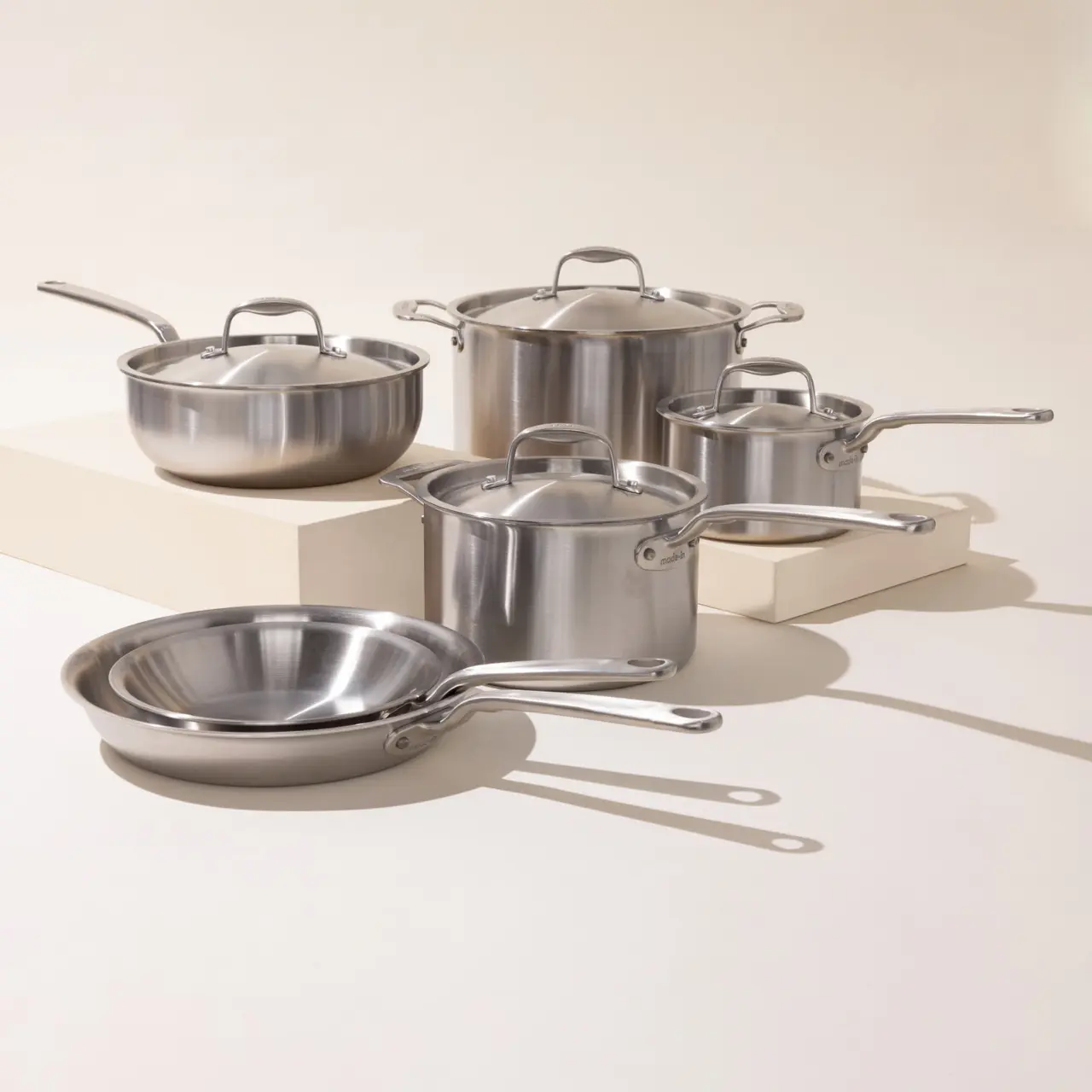
Committed to providing consumers with premium cookware at an affordable price, Made In offers a range of stainless steel pots and pans designed for professional performance. Its products’ 5-ply construction ensures optimal heat distribution and retention, while the stainless steel cooking surface is non-reactive and easy to clean. Made In’s stainless steel cookware is backed by a lifetime warranty, making it a trustworthy choice for health- and budget-conscious cooks.
5. Zwilling J.A. Henckels
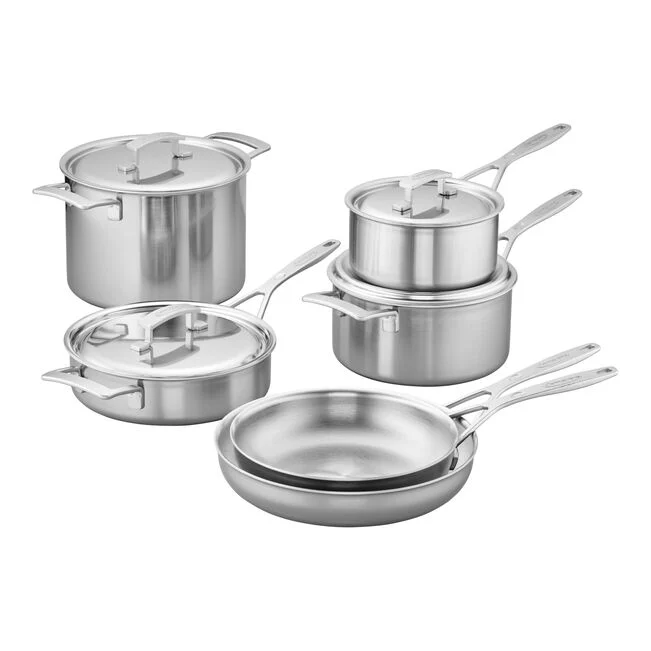
Known for its impeccable German engineering, Zwilling offers stainless steel cookware that excels in form and function. Its products are designed to resist corrosion and minimize metal leaching, ensuring a safe cooking environment without sacrificing performance. Likewise, their mirror-polished exterior finish ensures scratch resistance, making them safe to use with metal utensils.
6. Le Creuset
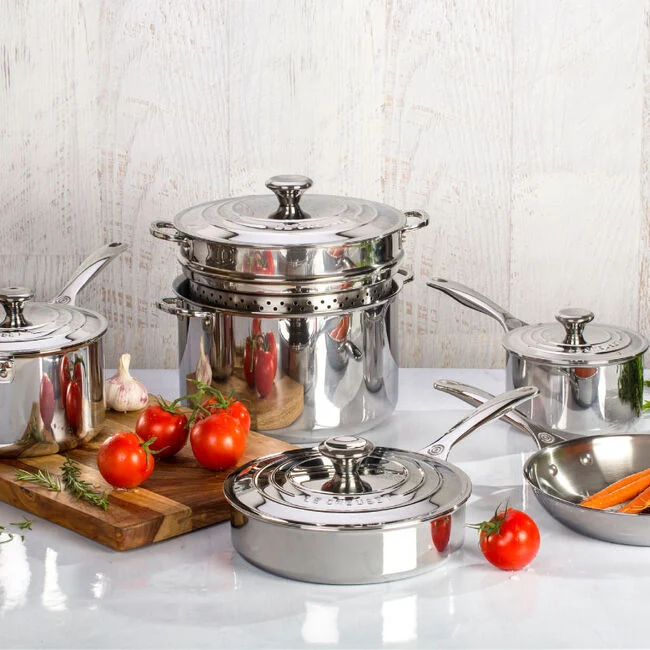
While famous for its colorful enameled cast iron cookware, Le Creuset also offers a stellar line of stainless steel products that uphold the brand’s reputation for quality and craftsmanship. Their tri-ply construction ensures even heating, while the stainless steel cooking surface is durable and non-reactive. Le Creuset’s cookware is dishwasher-safe and resistant to corrosion, scorching, and discoloration at high temperatures. It is also compatible with all stovetops, offering versatility in meal preparation.
7. Tramontina
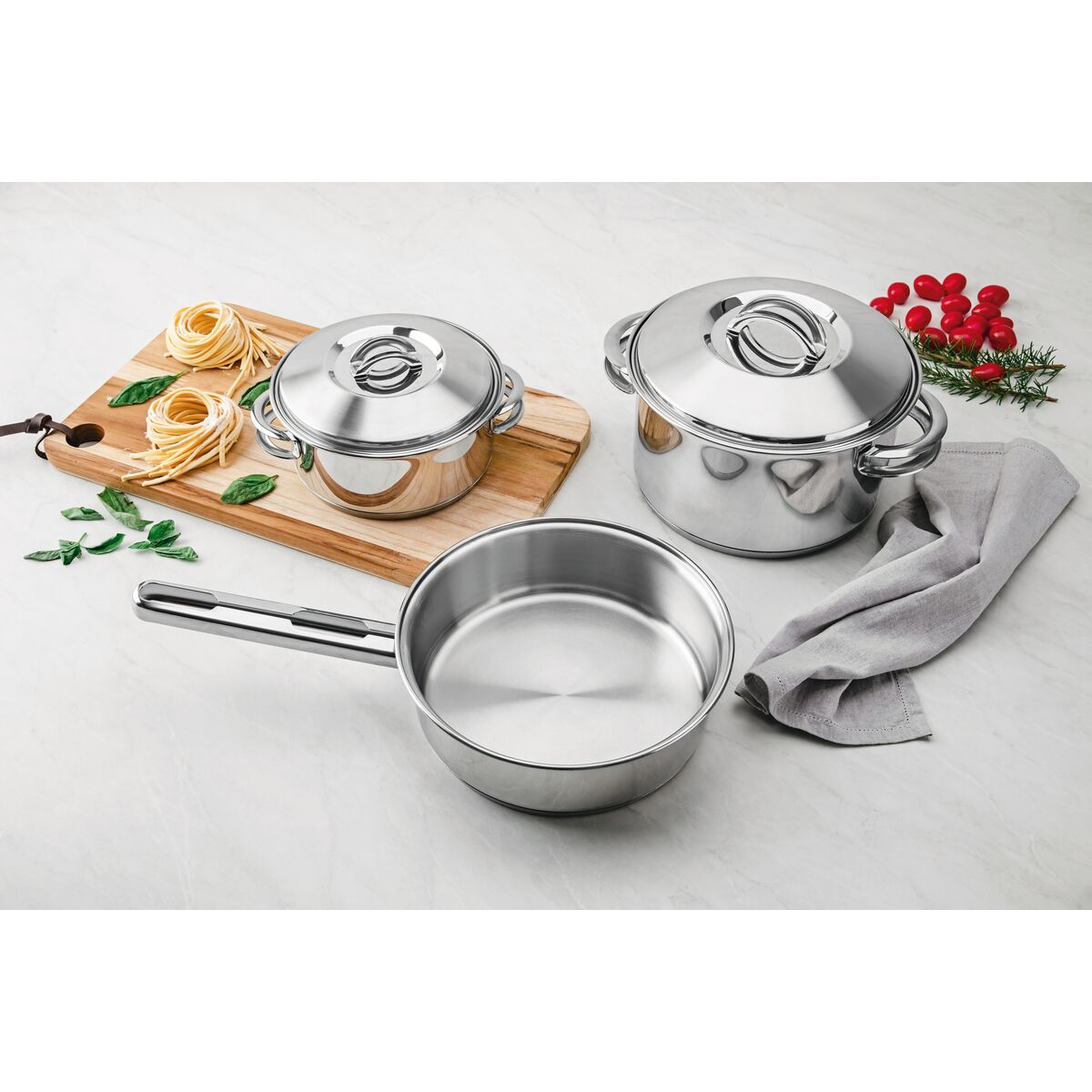
Trusted by home cooks and professional chefs alike, Tramontina features a stainless steel cookware line renowned for its exceptional quality and value. Each piece’s tri-ply construction features an aluminum core for superior heat conductivity, while the exterior, made from premium 18/10 stainless steel, provides a durable and easy-to-clean surface. Moreover, Tramontina’s cookware is oven safe and compatible with all stovetops, including induction.
Stainless Steel Cookware Use and Upkeep: Maintaining Non-Toxic Cookware
Ensuring the longevity and safety of your stainless steel cookware involves proper use and maintenance practices. Doing so can help preserve its aesthetic appeal, minimize the risk of metal leaching, and maintain its non-toxic properties. Here are essential tips for properly using and keeping your stainless steel cookware in top condition:
- Temperature: Cooking with stainless steel at moderate temperatures is generally safe. Avoid overheating the cookware or using high heat for prolonged periods, as this can increase the likelihood of metal leaching.
- Avoiding Acidic Foods: Stainless steel is generally resistant to corrosion, but prolonged exposure to acidic foods can compromise its non-toxic properties. Minimize the risk of metal leaching by avoiding cooking highly acidic dishes for extended periods in stainless steel cookware.
- Compatibility: Ensure that your stainless steel cookware is compatible with your cooking surface, whether it’s gas, electric, or induction. Using cookware on an incompatible surface can lead to uneven heating and potentially increase the risk of metal leaching.
- Gentle Cleaning Methods: When cleaning stainless steel pots and pans, opt for mild cleaning agents and avoid harsh abrasives that can damage the cooking surface. Using soapy water and a non-abrasive sponge is often sufficient for removing food residues and stains without compromising the integrity of the cookware.
- Proper Storage: Store stainless steel cookware properly to prevent scratching and damage. Consider using soft liners or stack protectors between pots and pans to prevent friction that could lead to scratches or abrasions on the cooking surface.
- Regular Inspection: Inspect your stainless steel cookware for signs of wear or damage, such as scratches, dents, or discoloration. Address any issues promptly to prevent deterioration and maintain the cookware’s non-toxic properties.
- Seasonal Maintenance: Perform seasonal maintenance on your stainless steel cookware to keep it in optimal condition. This may include deep cleaning to remove stubborn stains or discoloration and applying protective coatings or polishes to enhance its longevity and appearance.
Conclusion
The journey through numerous options of cookware materials brings us back to a familiar, trustworthy choice: stainless steel. While there are concerns about the safety of cooking with stainless steel, choosing high-quality cookware from reputable brands and following proper use and maintenance guidelines can help minimize risks. By understanding the potential dangers and taking appropriate precautions, you can enjoy the benefits of stainless steel cookware and add it to your eco-friendly, zero-waste kitchen with confidence.
Frequently Asked Questions
Does stainless steel leach into food?
Stainless steel can leach small amounts of metals like nickel and chromium into food, especially when cooking acidic dishes or using low-quality cookware. However, high-quality stainless steel cookware is less likely to leach metals into food.
How do I clean stainless steel cookware?
To clean stainless steel cookware, wash it with warm, soapy water and a non-abrasive sponge. Avoid using abrasive cleaners or scrubbing pads, as these can damage the cookware’s surface and increase the risk of metal leaching.
Is stainless steel cookware dishwasher safe?
Many stainless steel cookware brands are dishwasher safe, but it’s always best to check the manufacturer’s instructions to ensure proper care and maintenance. Some dishwasher detergents may contain abrasive ingredients that can damage the cookware’s surface over time.
Can I use stainless steel cookware on an induction cooktop?
Yes, stainless steel cookware is compatible with induction cooktops, provided that the cookware has a magnetic bottom. Induction cooking relies on magnetic fields to heat the cookware, so non-magnetic stainless steel may not work effectively on induction cooktops.
How do I minimize sticking with stainless steel cookware?
Preheat your pan before adding oil, then add your food once the oil is hot. This technique creates a natural barrier that prevents sticking.
Is it safe to cook acidic food in stainless steel pots and pans?
Yes, high-quality stainless steel cookware can safely cook acidic foods. However, prolonged exposure to acidic ingredients should be avoided, especially in lower-grade stainless steel, to minimize metal leaching.
How do I choose the safest stainless steel cookware?
Look for high-grade stainless steel (304, 316), and consider products from reputable brands that are transparent about their materials and manufacturing processes.