Science

  1. Lifestyle
  2. People
  3. Science

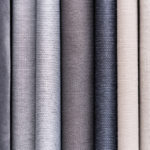
In a world where sustainability is no longer a choice but a necessity, the materials we use daily play a crucial role. From the food we eat to the clothes we wear, our choices can have a significant impact on the health of our planet. One material that has gained popularity in recent years is Modal fabric. But what exactly is it, and how sustainable is it? In this article, we'll delve into the origin, properties, manufacturing process, and potential environmental impact of Modal. Whether you're looking to make more eco-friendly wardrobe choices or simply interested in learning about this fabric, keep reading.

  1. Science
Busy? Try the speed read.

The scoop: 40% of insect species are at risk of extinction.

Why it matters: We need bugs to survive and thrive.

  • Pollination: Pollinators pollinate plants; we need them to keep doing that.
  • Pest control: Paradoxically, predatory and parasitic insects kill pests.
  • Decomposition: Some insects are primary or secondary decomposers. They serve an important function to clean-up animal waste.
  • Food security: Many mammals, birds, reptiles and amphibians depend on bugs for food. They are a quick and easy resource for a nutritious meal.
  • Research and innovation: Technology mimics nature (think birds and planes). Researchers can observe the ethology of insects and learn new ways to innovate. An example? Ant colony optimization in computer science.

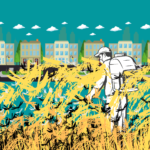
What's causing the insect decline: Habitat loss from agriculture and urbanization is the #1 driver. Agro-chemical pollutants (think pesticides), invasive species and climate change also play a role. You can check out some cool charts and figures below to learn more.

How to help: Contribute to the fight against pesticides, support or start a small farm, and educate others about the importance of insects. A more positive perception of 'bug people' can also lead to change.

Bottom line: We need bugs to survive, yet insect populations are on the decline. This issue deserves more recognition.

Dig deeper → 4 min

  1. Science
Volatile organic compounds (VOCs) are emissions from ordinary household goods.Sources include paint, cleaning products, gasoline, and flooring.Side effects depend on the amount of exposure and VOC concentration in the room.Long-term exposure can lead to liver and kidney damage and problems with the central nervous system.Experts are concerned with VOCs in the air because they form ground-level ozone during reactions with nitrogen oxide.Some products are more friendly to humans and the environment because they reduce the impact of VOCs.Dig deeper → 5 min

Weekly Newsletter

> Be Part of the Solution

Join our community of +220k Conscience Readers

Trending News | Innovations | ESG
Brand Reviews | Careers

Sustainable Review is copyright material. All rights reserved.

Exclusive Content Weekly

> Be Part of The Solution

Join our community of +220k Conscious Readers