Business

  1. Business
Busy? Try the speed read.

The scoop: Lululemon is a cultural staple in the world of athleisure. Sustainability is not a core aspect of their brand strategy.

Some talking points:

  • Lululemon uses polybags (plastic) for finished products sent to distribution centers.
  • Most of their materials are not eco-friendly. They are working on that.
  • Four of five global distribution centers are zero-waste.
  • Lululemon is pretty transparent about their carbon footprint and accountability.

Bottom line: They are taking some steps toward sustainability, but I have to hold Lululemon to a higher standard than that. They have an opportunity to lead the athleisure industry, and they don't even come close.

Dig deeper → 4 min

  1. Business
The scoop: Patagonia is a forward-thinking billion-dollar brand. But there is always work to be done. Let's see how they chalk up.Is Patagonia sustainable?Patagonia uses primarily recycled materials.They have a lifetime return and repair program for all of their products.Patagonia still uses animals in its supply chain, but they try to do it responsibly. I'd rather see no animal use.They are slightly above average when it comes to labor conditions.Patagonia looks to go carbon neutral by 2025.In September 2022, their founder donated non-voting shares of the company, amounting to $3 billion, toward a climate pledge trust. All Patagonia profits are now dedicated to climate change causes.Zoom out: Patagonia hits on the environmental side, but they have some work to do operationally, especially regarding transparency & ethics surrounding suppliers and animal welfare. No corporation is perfect; Patagonia is one of the best.Dig deeper → 3 min
  1. Business
The scoop: Starbucks does a lot of reacting instead of acting. In that light, I do not consider Starbucks a cultural or sustainable leader in the food & beverage space.Sooo is Starbucks sustainable? No. Especially in today's climate, you're better off making your cup or supporting a local indie coffee shop. It's worth the extra few cents to help a business owner put food on their family dinner table.Dig deeper → 3 min.
  1. Business

This week, we sat down with Closed Loop Partners CEO Ron Gonen. Closed Loop Partners is a New York based investment firm comprised of venture capital, growth equity, private equity and project finance as well as an innovation center focused on building the circular economy.

During our conversation, we covered pressing topics like social entrepreneurship, sustainable investing, and climate optimism.

Dig deeper ➝ 3 min

  1. Business

This week, I had the chance to sit down with Madison Rifkin, founder of Mount. Mount is a SaaS platform that enables private property (think airbnb) to launch, track and monetize their guest amenities. Those amenities can include things like bikes and e-scooters.

Mount allows travelers to use more sustainable modes of short distance travel in place of ubers or car rentals. And it accomplishes this without causing a scooter-frenzied-tourist headache for city administrators, because all of the equipment is completely owned and controlled by the host.

If you'd like to learn more about Mount and how they're disrupting the hospitality industry, check out the full Q&A below.

Check out our full interview.

  1. Business
Busy? Try the speed read.

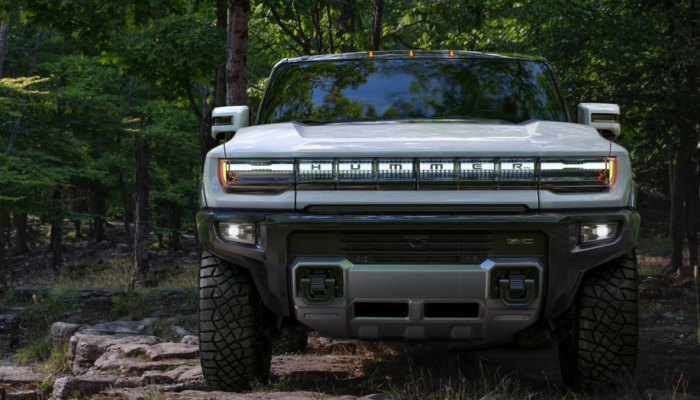
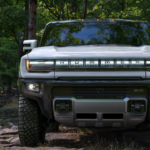
Big picture: GM announced plans to release an electric Hummer in 2023. It got me thinking, is it time to make the switch to electric vehicles?

Benefit of electric vehicles:

  1. Lower carbon footprint... social impact ✓
  2. Lower maintenance costs... convenience factor ✓
  3. Tax credits... financial incentive ✓

Cost of electric vehicles:

  1. EVs require minerals like cobalt and lithium to function. Mineral mining is a tough industry with poor standards in developing countries like Bolivia and Chile. Organizations are working to change that.
  2. Electric vehicles have a limited driving range compared to their gas cousins. You may find yourself charging up more than usual.
  3. High sticker prices: The average price of a new electric vehicle is almost double the price of a gas car.
  4. Limited amount of charging stations: this is a tricky one, because there are still more charging stations per EV on the road than there are gas stations for gas cars. Unless you go on a road trip, most of your charging will probably be at home anyway.

Bottom line: With billions of dollars flowing in, electric vehicles are not only here to stay, they are booming.

If you 1) need a car in your life 2) want to be a part of a cleaner future and 3) can afford the extra monthly cost (for now), then making a switch to electric vehicles is the right thing to do.

Dig deeper ➝ 3 min

  1. Business
Busy? Try the speed.

The scoop: Biking connects billions of people from around the world. It can be a great tool to reduce personal carbon footprints too. But not all bike companies focus on ethics and sustainability.

The manufacturing problem: Since the 2000s, most bikes are manufactured in Asia, where workers’ rights are less transparent. It is difficult to track worker conditions in these parts of the world.

Steel requires energy: Metal itself can be sustainable, but certain forms of steel require lots of energy to extrapolate. It is important to look for sustainably-sourced steel.

Read below for a full list of ethical bike manufacturers.

Dig deeper → 4 min

Weekly Newsletter

> Be Part of the Solution

Join our community of +220k Conscience Readers

Trending News | Innovations | ESG
Brand Reviews | Careers

Sustainable Review is copyright material. All rights reserved.

Exclusive Content Weekly

> Be Part of The Solution

Join our community of +220k Conscious Readers