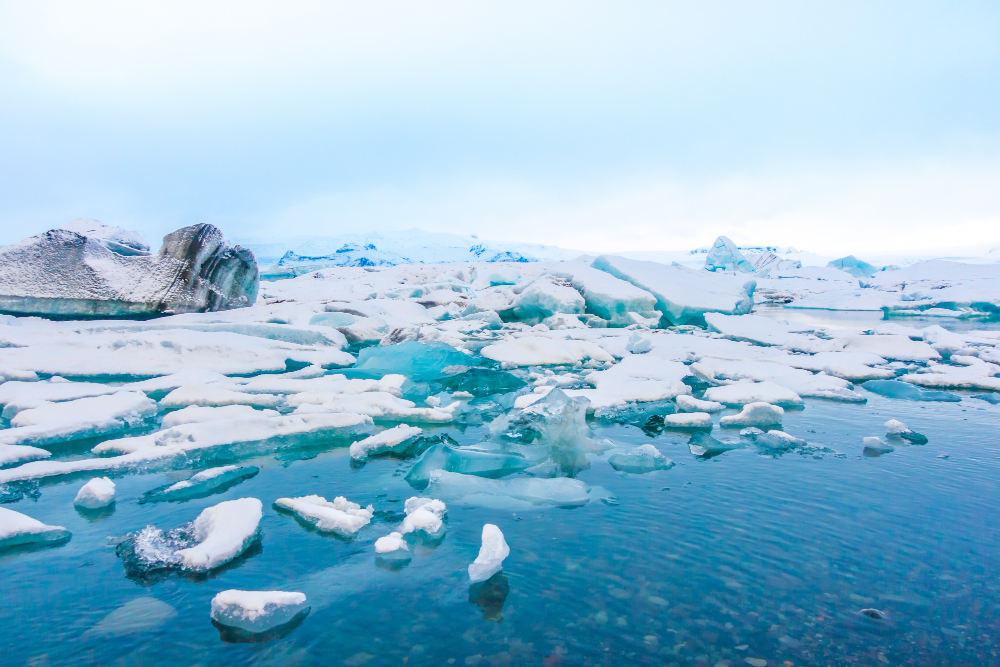

In the Arctic, a significant change is underway. The area that was once covered in ice is slowly becoming ice-free. This change is about more than just less ice. It means the region, known for its polar bears and large ice sheets, is facing a considerable challenge. This looming problem will affect not just the Arctic but the whole world.
In this post, we’ll examine the Arctic’s shift from icy to ice-free. We will explore what’s causing this change and its potential impact on our planet. We will also discuss why immediate action is needed to address this pressing issue.
Key Takeaways
- According to climate models, the Arctic could experience ice-free summers by the 2030s.
- Human-created climate change is the main culprit behind the accelerated warming and sea ice decline.
- The loss of Arctic sea ice could have far-reaching consequences for ecosystems, weather patterns, and global sea levels.
- Urgent climate action, both on a governmental and individual level, is essential to mitigate the impacts and preserve the Arctic’s future.
Melting Horizons: Ice-Free Arctic Summers Are Looming
The Arctic has long been a barometer of global climate change, and nowhere is this more evident than in the rapid decline of its sea ice. Over the past few decades, satellite observations and climate models have documented a disturbing trend: the Arctic sea ice is dwindling at an alarming rate. While fluctuations in ice cover are natural, the scale and pace of current melting are unprecedented.
Scientists have uncovered startling evidence that suggests the Arctic Ocean could experience ice-free summers much earlier than anticipated.
A recent study published in the journal Nature has revealed that the Arctic may witness months-long periods without summer sea ice as early as the 2030s, even if substantial reductions in greenhouse gas emissions are achieved.
The research team, led by Professor Seung-Ki Min from Pohang University of Science and Technology in South Korea, has shed light on the discrepancy between climate models and observed sea ice decline.
To better understand the factors contributing to sea ice loss, the researchers sought to isolate the influence of greenhouse gases from other variables such as aerosols and natural events like volcanic eruptions.
The study concluded that aerosols have a negligible effect on sea ice, while natural events contribute no more than 10% to the observed decline. By accurately scaling up the impact of greenhouse gases in their climate model, the scientists achieved a more precise fit with satellite images of ice cover.
Previous estimations suggested that Arctic summer sea ice would disappear no earlier than the 2040s, with the possibility of year-round ice persistence under reduced emissions.
However, by aligning their model with real-world data, the researchers significantly advanced the timeline for ice-free summers. The projected range now spans from 2030 to 2050, with even the most optimistic emission scenario resulting in an ice-free Arctic.
Professor Min emphasizes that while certainty is elusive, the ice-free Arctic by 2030 is highly probable.
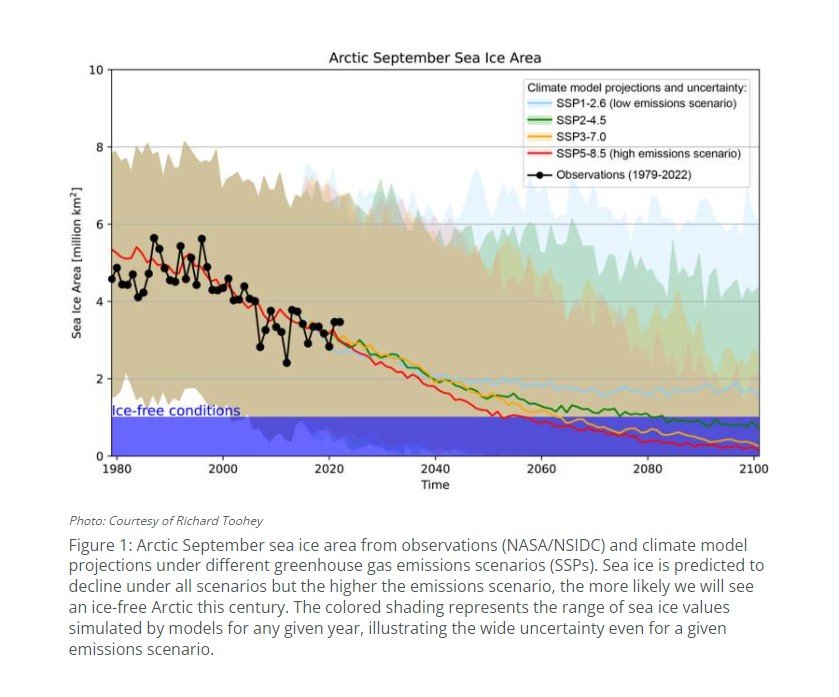
Image Source: https://polarbearsinternational.org/news-media/articles/future-of-arctic-sea-ice-revisited
Unveiling the Main Culprit

According to Polar Bears International, the main issue facing the Arctic is climate change caused by human actions. When we burn fossil fuels and cut down forests, we release greenhouse gases. These gases act like a blanket around the Earth, holding in heat and warming the planet. This process is even more intense in the Arctic. Here, warming leads to faster melting of ice and significant environmental changes.
The Natural Resources Defense Council revealed that as of 2022, the levels of greenhouse gases such as carbon dioxide, methane, and nitrous oxide are the highest they’ve been in nearly 800,000 years. Some of these gases, like HFCs (hydrochlorofluorocarbons), don’t even occur naturally. Their increase in our atmosphere has led to the Earth’s temperature rising by about 1.9 degrees Fahrenheit throughout the 20th century.
This increase in temperature isn’t just because we’re burning fossil fuels and cutting down forests. It’s also due to how we produce electricity and heat, our transportation methods, our buildings and industries, how we use land, and our consumer habits. These activities consistently contribute to climate change. Even though the amount of greenhouse gases from each activity might vary, these sources remain the same over time.
Dire Consequences: What This Catastrophic Event Could Mean to Everyone
The potential loss of Arctic summer sea ice carries profound implications for the region’s delicate ecosystem and the global climate system.
The accelerated warming of the surrounding lands, which are already experiencing three times the global average, would be intensified. The precise influence of Arctic warming on climates at lower latitudes remains a topic of ongoing debate among experts.
The absence of summer sea ice opens up new shipping routes, potentially exacerbating emissions and pollution in the region.
Likewise, With less sea ice, animals relying on it face a tough choice: adapt quickly or face extinction. Polar bears, walruses, arctic foxes, snowy owls, and reindeer are struggling with the ice loss and permafrost melt. This doesn’t just affect these animals; it has ripple effects across the ecosystem. Other species that depend on them, including humans, are also impacted.
As their icy homes vanish, wildlife is forced to venture closer to human settlements in the Arctic in search of refuge. This leads to more frequent interactions between people and animals—and not always peacefully. The changing environment pushes wildlife into Arctic communities, creating challenging situations for animals and people.
The video below, produced by Vox, provides deeper insights into life in the Arctic in the face of rapidly melting sea ice.
However, the Arctic and its surrounding regions are not the only ones that will be affected by such a catastrophic event. The findings from the study mentioned above signal grave consequences that would reverberate worldwide.
The disappearance of sea ice amplifies global warming, as the darker ocean surface absorbs more heat, initiating a feedback process known as “Arctic amplification.”
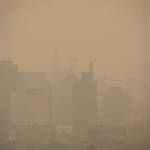
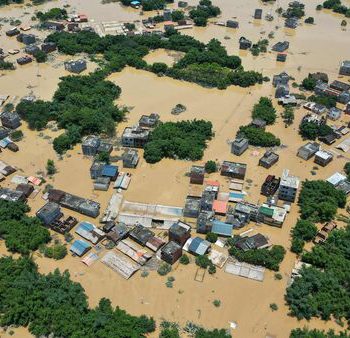
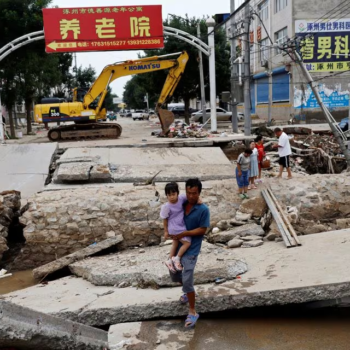
Extreme weather events such as heatwaves, wildfires, and floods may materialize at an accelerated pace, surpassing previous predictions due to Arctic warming.
Researchers underscore the urgent need to prepare for a rapidly warming Arctic, recognizing the accelerated ice loss as a critical threshold that has been crossed.
Racing Against Time: Urgency in Climate Action
The accelerated melting of Arctic sea ice is a stark reminder of the pressing need to address climate change comprehensively.
The study’s results highlight the imperative for global efforts to reduce greenhouse gas emissions and mitigate the repercussions of a warming climate.
Governments, businesses, and individuals must collectively commit to reducing greenhouse gas emissions, transitioning to renewable energy sources, and adopting sustainable practices. International cooperation is essential to address the global nature of climate change and ensure that no region, including the Arctic, is left behind.
On the governmental front, policymakers must prioritize climate action, enacting ambitious policies to limit emissions, protect vulnerable ecosystems, and support communities affected by climate change. Meanwhile, individuals can make a difference through small but meaningful actions, from reducing energy consumption to advocating for climate-conscious community policies.
Conclusion
As we stand on the brink of an ice-free Arctic summer, the choices we make today will shape the future of the polar regions and the entire planet. From melting ice caps to rising sea levels, the consequences of inaction are too dire to ignore.
By coming together to address the root causes of climate change and chart a course toward a sustainable future, we can ensure that future generations inherit a world where the Arctic remains a symbol of resilience rather than a casualty of our collective neglect.
Frequently Asked Questions
How could the Arctic see an ice-free future?
According to projections, the Arctic could see ice disappear in the summer months a decade earlier than previously thought.
What is Arctic amplification, and how does it relate to the loss of sea ice?
Arctic amplification is a phenomenon where the Arctic warms at a rate four times faster than the global average. This warming contributes to the rapid decline of sea ice in the region.
How significant is the impact of declining sea ice on the Arctic ecosystem?
The decline of sea ice has profound implications for the future of the Arctic ecosystem, affecting various species and the overall climate system.
How early could the Arctic be ice-free during the summer months?
The study indicates that the arctic sea ice could disappear during the summer months a decade earlier than previously anticipated.











No Comments