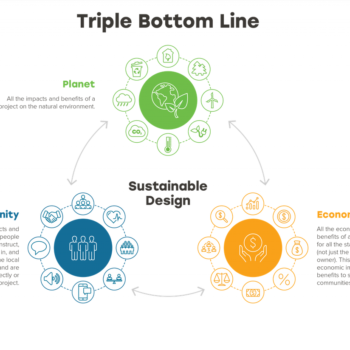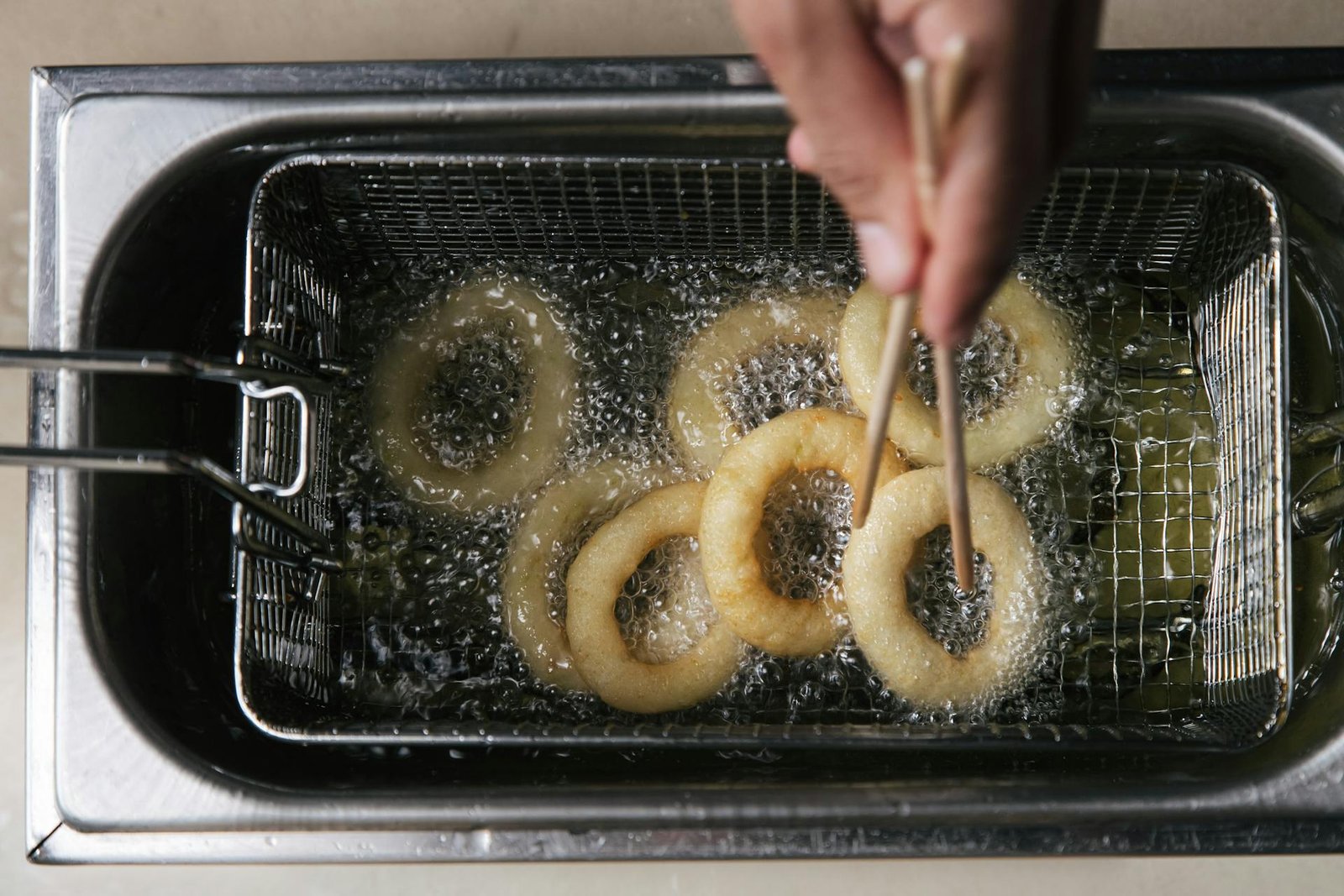

Restaurant operators discard millions of gallons of cooking oil prematurely each year, unnecessarily increasing operational costs while creating environmental challenges.
Progressive food service establishments have demonstrated that systematic approaches to oil management, including the use of a fryer oil filtration system, deliver substantial financial benefits while supporting sustainability goals.
Let’s explore a structured approach to managing cooking oil that reduces waste, saves money, and promotes environmental responsibility without compromising food quality.
The Real Cost of Edible Oil Waste
Edible oil waste creates multiple financial burdens beyond the obvious replacement costs. Each premature oil disposal equates to lost value that directly impacts the bottom line.
You should calculate your complete oil-related expenses to understand the full financial impact. Beyond the purchase price, these costs include labor for changing oil, disposal fees, potential environmental compliance issues, and the increased frequency of deep cleaning for fryer equipment. For a typical restaurant with two fryers, premature oil disposal can result in annual direct costs of $3,000 to $5,000.
The environmental impact compounds these financial concerns. Improper disposal and even unintentional spills of used cooking oil can have detrimental effects on aquatic life, contaminate water supplies, and create infrastructure problems in municipal systems. Such an environmental liability creates both potential regulatory exposure and ethical concerns.
Creating a Systematic Oil Management Program
Effective oil management requires coordinated procedures that maintain quality while maximizing the usable life of the oil. Successful programs address each stage of the oil lifecycle.
Develop written protocols that cover daily maintenance, filtration schedules, quality testing, and proper disposal procedures. These procedures require clear ownership within your operation, with specific staff members assigned responsibility for implementation and oversight. Training should emphasize both the financial and environmental benefits of proper management, creating motivation that extends beyond simple compliance.
The most effective systems incorporate several key elements:
- regular skimming to remove floating food particles
- scheduled filtration based on cooking volume rather than fixed time intervals
- objective quality testing to determine actual replacement needs
- proper storage of used oil awaiting recycling
- documentation of all oil-related activities
Having a systematic approach in place can help reduce oil consumption by 35-50% compared to operations without formal oil management programs.
Proper Filtration for Oil Extension
Strategic filtration removes contaminants that accelerate oil breakdown while maintaining cooking performance. Different filtration methods offer varying benefits and should be selected based on your specific operation.
You should implement daily filtration as a minimum standard, with more frequent intervals for high-volume operations. The filtration process should include complete removal of large particles, followed by fine filtration to remove smaller contaminants.
Many operations benefit from portable filtration systems that facilitate the process while reducing employee strain and the risk of potential injuries associated with manual handling.
Advanced options include:
- continuous filtration systems that process oil during operation
- cold filtration techniques that remove dissolved contaminants
- powder-based treatments that adsorb breakdown products
- microfiltration systems that remove particles as small as 0.5 microns
When selecting filtration equipment, consider both initial cost and long-term operational impact. Even basic filtration systems typically deliver a return on investment (ROI) within 3-6 months through extended oil life.
Oil Quality Testing and Decision-Making
Objective testing eliminates guesswork and emotion from oil replacement decisions, preventing both premature disposal and quality issues that can arise from extended use.
You should implement regular testing using reliable measurement tools rather than subjective assessment.
- Test strips that measure free fatty acids or total polar compounds provide quantifiable data to support informed decision-making.
- Digital testers offer greater precision but require a higher initial investment.
Establishing clear thresholds for replacement—typically 24-27% total polar compounds—creates consistency while maximizing usable life.
Additionally, documenting test results helps identify patterns affecting oil performance. Recording variables such as cooking volume, menu mix, and filtration frequency, alongside test results, reveals operational factors that influence oil degradation. The insights gained from these steps can help you make proactive adjustments to extend oil life further.
Creating a Closed-Loop Recycling Program
Used cooking oil retains value when properly managed through recycling programs. Establishing relationships with reputable recyclers completes the sustainability cycle while potentially generating additional revenue.
Research collection services in your area by comparing compensation rates, collection frequency, and container options to determine the best fit for your needs.
Many recyclers provide storage containers at no cost, with scheduled pickups based on your volume. Some services offer premium rates for higher-quality used oil, creating an incentive for proper management throughout the oil lifecycle.
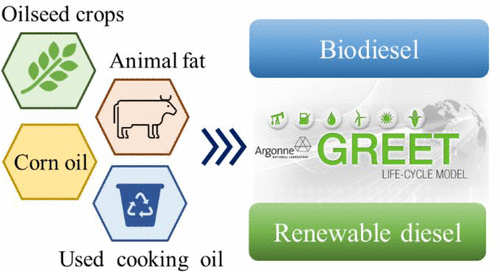
The environmental benefits of recycling don’t end in simple waste reduction. Used cooking oil can be converted into valuable products, including biodiesel, animal feed components, and industrial lubricants. Studies also show that biodiesel produced from recycled cooking oil reduces greenhouse gas emissions by approximately 86% compared to petroleum diesel.
Conclusion
Implementing a comprehensive oil management system yields multiple benefits, including extended oil life, reduced labor, and enhanced sustainability. The financial return typically exceeds the required investment within the first year, with ongoing savings contributing directly to profitability. Beyond cost reduction, these systems support broader sustainability goals, potentially creating marketing advantages for environmentally conscious consumers.
As shown in this post, implementing successful oil management entails an integrated system rather than isolated practices. That includes simultaneously addressing filtration, testing, staff procedures, recycling, and food service operations. Doing so can help you maximize both financial and environmental benefits while creating sustainable practices for the long term.
Frequently Asked Questions
1. How does cooking oil management affect food quality and consistency?
Proper oil management ensures consistent frying results by removing impurities that cause off-flavors and premature breakdown of the oil. Well-maintained oil enhances taste, texture, and cooking performance, leading to reliable customer satisfaction.
2. What training approaches are most effective for staff implementing new oil management systems?
Hands-on demonstrations, visual guides, and smartphone-accessible tutorials reinforce proper oil handling. Regular refresher training keeps staff engaged and ensures long-term adherence to best practices.
3. How can smaller operations with limited budgets implement effective oil management?
Affordable solutions, such as manual filtration, skimming techniques, and test strips, help extend oil life. Many recycling services offer free collection, allowing small businesses to reduce waste without high upfront costs.
4. What documentation should be maintained for oil management programs?
Tracking filtration schedules, oil test results, fryer maintenance, and recycling details supports compliance and cost analysis. Digital tools help streamline record-keeping for efficiency and sustainability efforts.