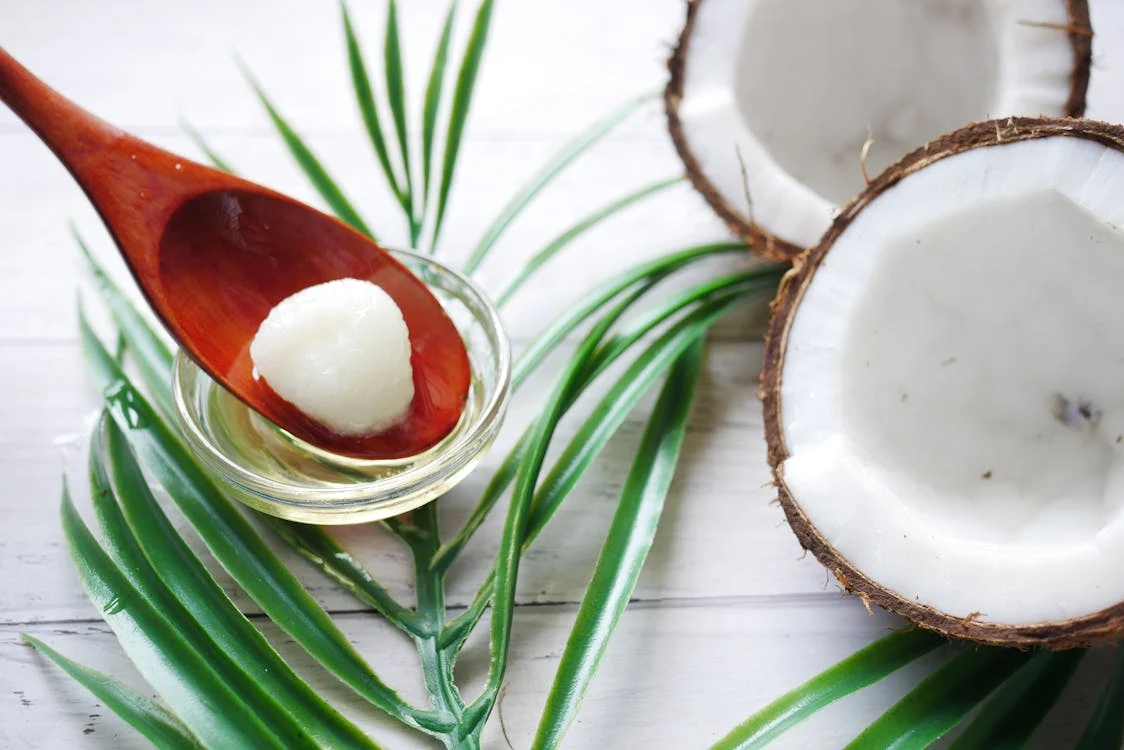

Coconut oil has surged in popularity among professional chefs, home cooks, and bakers due to its versatility and health benefits. Among the various types, unrefined coconut oil stands out for its purity and retention of natural nutrients. But the question is what distinguishes it from its refined counterpart, and is it any better?
This guide will answer that question, clarifying the differences between refined and unrefined coconut oils and dissecting the latter’s benefits. Most importantly, it will explore the seven best unrefined coconut oil brands ideal for healthy baking and cooking. From their origins to their sustainability practices, we’ll delve into what makes each brand exceptional, ensuring that your choice will make your culinary creations delicious and loaded with nutritional benefits.
Key Takeaways
- Coconut oil is a versatile and popular edible oil extracted from the meat of mature coconuts.
- Regular consumption of coconut oil has been linked to various health benefits, making it a valuable addition to a balanced diet.
- The primary difference between refined and unrefined coconut oil lies in their extraction and processing methods.
- Unrefined coconut oil retains its natural flavor and nutritional content, unlike its refined counterparts.
- The best unrefined coconut oil brands prioritize organic farming, ethical sourcing, and minimal processing.
- Incorporating unrefined coconut oil into your diet can contribute to improved health and well-being.
- Sustainable production practices are a key consideration when choosing the best coconut oil brand.
What is Coconut Oil, and What are Its Health Benefits?
Coconut oil is a versatile and popular edible oil extracted from the meat of mature coconuts. Beyond its rich flavor and aroma, coconut oil is loaded with unique fats called medium-chain triglycerides (MCTs), making it healthy. In fact, regular consumption of coconut oil has been linked to various health benefits that make it a valuable addition to a balanced diet.
- Energy Boost: The body absorbs MCTs more rapidly than long-chain fatty acids found in other cooking oils. They’re sent directly to the liver, where they have a thermogenic effect and the ability to positively alter metabolism. For those seeking a quick energy boost, incorporating coconut oil into your diet can yield immediate benefits, making it a favorite among athletes and fitness enthusiasts.
- Heart Health: Contrary to outdated beliefs that all saturated fats are bad, the specific saturated fats in coconut oil can actually improve heart health. Studies indicate that coconut oil can increase HDL cholesterol levels (the “good” cholesterol) in the body, potentially lowering the risk of heart disease. Regular consumption of virgin coconut oil has been linked to improved cardiovascular health markers.
- Weight Management: The MCTs in coconut oil can also aid in weight management. Their metabolism-boosting properties may increase the calories your body burns daily, helping in weight loss or maintenance efforts. Furthermore, coconut oil has been found to reduce hunger, leading to a reduced calorie intake throughout the day.
- Antimicrobial and Antifungal Properties: Lauric acid, a major component of coconut oil, can have beneficial antimicrobial and antifungal effects. Upon digestion, lauric acid forms a substance called monolaurin, which can help kill harmful pathogens like bacteria, viruses, and fungi. This makes coconut oil a strong ally in supporting the body’s immune system.
- Skin and Hair Care: Beyond consumption, coconut oil has profound effects when applied topically. Its moisturizing properties make it a natural choice for skin care, helping to soften skin and reduce symptoms of eczema. For hair, coconut oil’s ability to penetrate the hair shaft can protect against environmental damage, increase strength and shine, and prevent protein loss.
- Brain Function: Some studies suggest that MCTs found in coconut oil could offer benefits for brain disorders, including epilepsy and Alzheimer’s disease. The ketones produced by the liver from MCTs provide an alternative energy source for the brain, which may reduce symptoms of Alzheimer’s and increase rates of seizure control in epilepsy.
A Comparison of Refined and Unrefined Coconut Oil
Now that you’re acquainted with coconut oil’s health benefits, let’s delve into its types.
Coconut oil can be categorized into two main types: refined and unrefined.
The primary difference between refined and unrefined coconut oil lies in their extraction and processing methods.
Unrefined coconut oil, often referred to as virgin coconut oil, is extracted from fresh coconut meat using two primary methods: dry and wet. The dry method involves pressing oil out of dried coconut flesh, known as copra, while the wet method presses both coconut milk and oil from fresh coconuts, subsequently separating the two.
Most unrefined coconut oil on the market is derived using the wet process, with some labels indicating “cold pressed,” denoting that no heat was used during extraction. This type of coconut oil is solid at room temperature and carries a distinctive coconut flavor and scent, capable of imparting these qualities to foods. However, it has a relatively low smoke point at 350°F (177°C), making it less ideal for high-heat cooking methods but prized for its natural, robust flavor.
On the other hand, refined coconut oil is extracted from dried coconut meat and goes through various processes to better suit it for cooking applications.
Starting with crude coconut oil pressed from copra, the refining method can include several steps like degumming to remove texture-altering gums; neutralizing, using sodium hydroxide to eliminate free fatty acids that could lead to rancidity; bleaching, filtering the oil through activated clay (without using actual bleach) to purify it; and deodorizing, to remove any residual coconut odor or taste.
Such extensive processing boosts the refined coconut oil’s smoke point to 400–450°F (204–232°C), rendering it more suitable for high-temperature cooking methods like frying and roasting. However, it lacks the robust nutritional profile of its unrefined counterpart.
So, Which is Better?
When choosing coconut oil, the decision between refined and unrefined varieties depends on your priorities and preferences.
Refined coconut oil may be the better option if you prioritize a neutral flavor, higher smoke point, and versatility in cooking methods. However, unrefined coconut oil is the superior choice if you value natural nutrients and rich flavor or adhere to a diet comprising minimally processed foods.
If you’re considering using coconut oil as part of your daily hair and skin care, refined coconut oil might be a good choice if you are sensitive to strong scents, as it does not have the overpowering aroma of coconuts. Its milder scent makes it a versatile addition, enabling it to blend seamlessly with other beauty products without altering their fragrance profiles.
If scent isn’t a concern, however, unrefined coconut oil presents an unparalleled option. The minimal processing it undergoes ensures that it retains a higher level of phytonutrients and antioxidants, which are beneficial for skin and hair health. This means that unrefined coconut oil can offer enhanced hydrating and restorative benefits. It is particularly effective for nourishing dry skin, reducing hair frizz, and promoting overall hair and scalp health.
Our Choice of 7 Best Organic and Unrefined Coconut Oil Brands
Regardless of which type of coconut oil you choose, both varieties offer abundant healthy fats and MCTs, providing a wealth of health benefits. For now, we’re leaning more towards the unrefined type for its minimal processing, which helps retain more of the oil’s natural nutrients and flavor.
To enhance your culinary creations and beauty routines, here’s our selection of the best organic and unrefined coconut oil brands. These brands prioritize quality, sustainability, and purity, ensuring that you get the most out of your coconut oil experience.
1. Nutiva Organic Virgin Coconut Oil
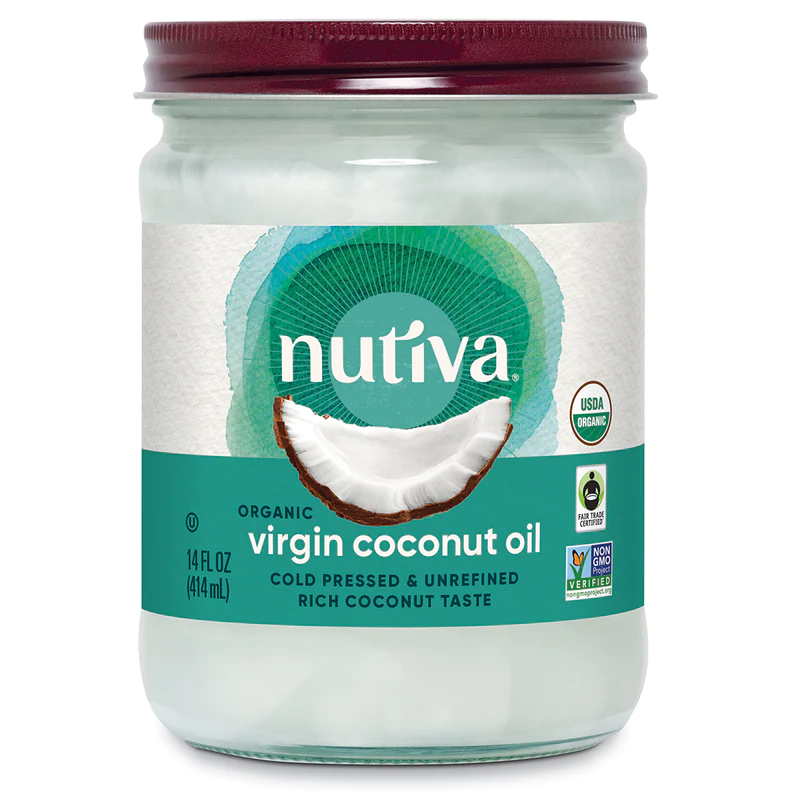
Nutiva is known for its commitment to organic, non-GMO products and sustainable agriculture. Nutiva’s organic virgin coconut oil is cold-pressed from fresh, organic coconuts, ensuring a rich flavor and nutrient profile, ideal for baking, frying, and sautéing.
Nutiva prioritizes sustainability by sourcing coconuts from small organic farms and implementing eco-friendly production methods. Additionally, it has collaborated with the Grameen Foundation to introduce The FarmerLink Program in the Philippines. This initiative aids organic coconut farmers in enhancing crop productivity, managing crop pests and diseases, and fostering the sustainability of their farms.
2. Viva Naturals Organic Extra-Virgin Coconut Oil

Sourced from organic coconuts grown in the Philippines, Viva Naturals’ extra-virgin coconut oil is unrefined and cold-pressed, capturing coconut’s fresh essence and health benefits. No wonder it is certified organic by the USDA and the Non-GMO Project. The oil’s versatility and mild flavor make it an excellent choice for energy-boosting recipes and ketogenic diets.
Viva Naturals prioritizes quality and sustainability, ensuring fair trade practices and environmentally friendly production.
3. Garden of Life Raw Extra Virgin Coconut Oil

Renowned for its high-quality supplements and health foods, Garden of Life’s raw extra virgin coconut oil is no exception. Ethically sourced and non-GMO Project verified, this oil is an excellent vegetable oil substitute and a fantastic option for those looking to add a healthful touch to their cooking, skincare, and haircare routine.
In addition to sourcing sustainable ingredients for its products, Garden of Life is a certified B Corporation, demonstrating its commitment to social and environmental responsibility. Moreover, the company has achieved carbon neutrality, further showcasing its dedication to reducing its environmental footprint.
4. Dr. Bronner’s Whole Kernel Organic Virgin Coconut Oil

Dr. Bronner’s reputation for ethical business practices and organic products extends to its whole kernel organic virgin coconut oil. Extracted from fresh, ripe coconut meat, this oil maintains all its natural qualities, suitable for cooking, baking, and even as a moisturizing hair treatment. The product is called whole kernel as it retains the coconut’s brown inner skins, imparting it with a rich flavor and nutty aroma.
Dr. Bronner’s also supports regenerative organic agriculture and fair wages for farmers, ensuring that purchasing the brand’s coconut oil supports sustainable farming practices and equitable livelihoods for agricultural workers.
5. Thrive Market Organic Virgin Coconut Oil

Thrive Market’s virgin coconut oil is ethically sourced from small farms in the Philippines and Sri Lanka, ensuring high quality and sustainability. This certified organic, fair trade, and non-GMO coconut oil is perfect for those who prefer a stronger coconut flavor in their dishes. It’s also an excellent organic alternative to conventional body moisturizers and hair conditioners.
6. Carrington Farms Organic Liquid Coconut Oil

Carrington Farms focuses on nutritional purity and integrity. The brand’s organic coconut cooking oil is mechanically pressed without chemicals, retaining its natural antioxidants and flavor. What sets it apart is its concentration of calorie-burning Medium Chain Triglycerides (MCTs), boasting five times more than traditional virgin coconut oil. This versatile organic liquid coconut oil boasts a high smoke point, making it perfect for frying, roasting, and baking, offering health benefits and culinary flexibility.
Carrington Farms is committed to organic farming practices and transparency in sourcing.
7. La Tourangelle Organic Virgin Coconut Oil

La Tourangelle brings artisan French craftsmanship to coconut oil. Its organic virgin coconut oil undergoes expeller pressing just four days after the coconuts are hand-harvested, resulting in a product with a deep, fresh coconut flavor, ideal for baking, cooking, and body care.
La Tourangelle promotes sustainability, organic farming, and regenerative agricultural practices. Additionally, it actively supports Yolo Farm to Fork, a non-profit organization committed to enhancing young people’s health through edible gardens, showcasing the brand’s commitment to community well-being and environmental stewardship.
Tips to Make the Most of Unrefined Coconut Oil
Unrefined coconut oil is a remarkably versatile ingredient that can enhance your culinary, health, and beauty routines. To fully harness its benefits, consider the following tips that maximize its potential.
- Start with Quality: Choosing a high-quality, organic virgin coconut oil ensures you’re benefits. Look for cold-pressed and unrefined oils, as these have undergone the least processing, retaining most of the oil’s natural nutrients, antioxidants, and fresh coconut flavor.
- Cooking and Baking: Utilize unrefined coconut oil in cooking and baking for a nutritious alternative to other fats. Its unique flavor profile can add a tropical twist to various dishes. Remember, unrefined coconut oil has a lower smoke point (350°F or 177°C), so it’s best suited for baking, sautéing at medium heat, or as a dairy-free alternative in recipes that don’t require high-temperature cooking.
- Dietary Supplement: Incorporate a tablespoon of unrefined coconut oil into your diet to reap the health benefits of its MCTs. Add it to smoothies, oatmeal, or coffee for an energy boost and to promote satiety. This can aid in weight management and improve metabolic health.
- Skin Care: Apply unrefined coconut oil directly to your skin for a natural moisturizer. Its hydrating properties make it excellent for addressing dryness, eczema, and other skin conditions. The oil’s natural antioxidants also provide a protective barrier against environmental damage.
- Hair Care: Use unrefined coconut oil as a deep conditioning treatment to nourish and strengthen your hair. Its ability to penetrate the hair shaft can help reduce protein loss, leading to healthier, shinier hair. Apply it to the ends of your hair or use it as a scalp treatment to improve hair health.
- Oral Health: Engage in oil pulling with unrefined coconut oil to improve oral hygiene and remove bacteria. Swish a tablespoon of oil in your mouth for 15–20 minutes before brushing your teeth. This practice can contribute to healthier gums and fresher breath.
- Natural Remedy: Leverage unrefined coconut oil’s antimicrobial and antifungal properties in your wellness routine. Apply it to minor cuts, scrapes, and fungal infections for its healing benefits. Its lauric acid content aids in reducing inflammation and battling harmful pathogens.
Conclusion
Choosing the best unrefined coconut oil involves more than just picking a brand off the shelf. It’s about understanding the impact of the product on your health, the environment, and global communities. The brands listed above have demonstrated a commitment to quality, sustainability, and ethical practices, making them excellent choices for health-conscious cooks and bakers.
Incorporating unrefined coconut oil into your diet and kitchen practices can contribute significantly to your overall well-being, all while enjoying the rich, authentic flavor that only the best coconut oils can provide.
Frequently Asked Questions
Unrefined coconut oil has a lower smoke point than refined coconut oil, making it less suitable for high-heat cooking methods like frying. It’s best used for baking, sautéing at low to medium heat, or as a finishing oil.
Store unrefined coconut oil in a cool, dark place. It doesn’t require refrigeration but keeping it away from direct sunlight will preserve its quality and shelf life.
Unrefined coconut oil can be a healthier alternative to butter in baking due to its beneficial fatty acids and lower cholesterol content. It also provides a wonderful coconut flavor to baked goods, which might be a delightful twist, depending on the recipe.
Yes, unrefined coconut oil is excellent for skin and hair care. Its moisturizing properties make it ideal for use as a natural lotion or hair conditioner.
Yes, organic coconut oil is worth the extra cost as it’s free from pesticides and synthetic chemicals, offering superior quality and health benefits.