Profit

  1. Tech

What's the situation? A stricken ship has leaked over 1,000 tons of oil over the coast of Mauritius. Experts fear that the ship may soon break in half, which could have devastating effects on the surrounding environment.

How did it happen? It is believed that harsh weather conditions caused the leak.

Who caused it? The cracked vessel, MV Wakashio, is operated by the Japanese Mitsui OSK Lines.

More facts The spill occurred near two environmentally protected marine ecosystems, as well as the Blue Bay Marine Park reserve. There are also mangrove plantations and well-known beaches nearby.

Threatened birds, captive fruit bats, and thousands of plants were removed from a nearby island, Ile aux Aigrettes by conservation activists.

Using technology to mitigate spills Human error is the leading cause for maritime accidents.

By integrating AI into the complicated world of global transportation, we can reduce and possibly even eliminate the risks associated with long-distance, heavy-duty shipping routes.

AI can…

  • Use predictive analysis to prevent spills
  • Expedite response-time
  • Mitigate risks for clean-up efforts

Bottom line Using AI in shipping and clean-ups lessens the risk of future spills, and reduces the impact of existing disasters.

Dig deeper → 5 min

  1. Business

What to know American aluminum can suppliers are experiencing a shortage. Unpredictable consumer behavior and increased demand led suppliers to miss production levels and now beverage brands must scramble to compete for what's left.

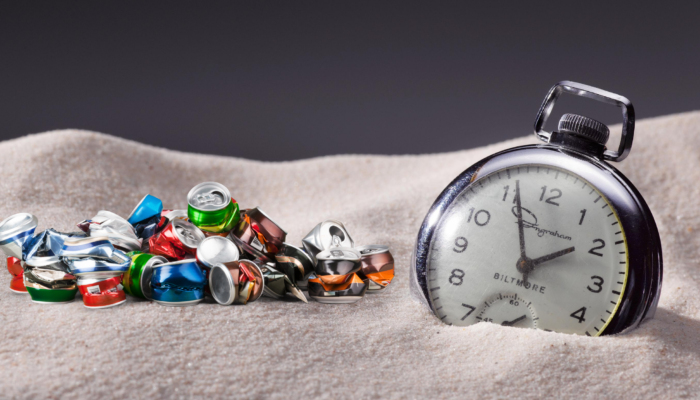
Why it matters The overall shift from single-use plastics has also led major drink makers to shift from plastic bottles to aluminum cans. And while aluminum cans don't last in the atmosphere forever, they still can have damning effects on waste management. We are living in a world where China doesn't want our trash anymore, and recyclable aluminum cans are more of a band-aid solution of a larger problem.

The silver lining Consider it a stress test. With real-world examples about the fragility of our global system in place, we can now create applicable solutions outside the classroom.

Key recommendations for the shortage

  1. Brands can adapt by providing bulk alternatives to the traditional 12 oz can.
  2. Brands can also educate consumers on the label about the importance of maintaining a can's shape for recycling purposes. I was a beer can crusher in college, and I had no clue that crushing a beer can would make it near impossible to recycle.
  3. To consumer, do you love beer? Me too. Go to your local brewery, and fill up a growler. You can fill up a lot of beer for a great price, straight from the tap. You can support a local business, and the beer tastes fantastic if you pick the right brewer. There are more quality independent breweries out there today than ever before.

Dig deeper → 1 min

  1. Business

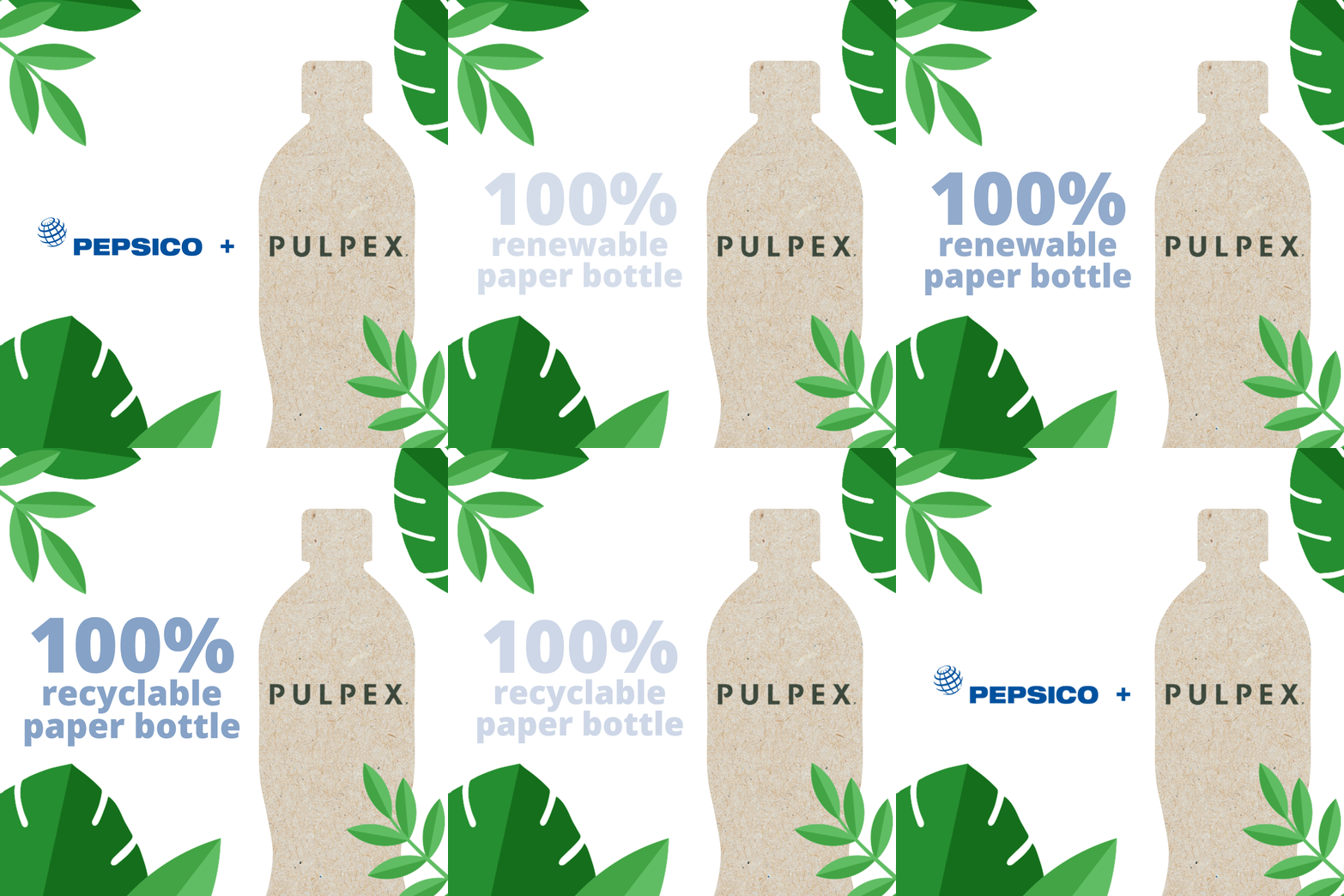
The scoop As consumer goods go green, PepsiCo announced last week its plan to further develop and scale the world’s first recyclable paper bottle.

Paper bottles PepsiCo will begin testing on the new paper bottle in 2021. The bottle is made from sustainably sourced pulp to meet food-safe standards and is designed to be fully recyclable in standard waste streams.

Bottom line

  • We need innovation and ambition in the food & beverage space, this is a good place to start
  • Limiting the amount of waste in the ocean is always a win, but Pepsi still has a long way to go
  • Organizations are building new, innovative ways to clean up Pepsi’s mess.
  • This is definitely a bit of greenwashing
    • The announcement calls for R&D testing in 2021, so we may not see paper bottles on the shelf for some time.
    • Furthermore, Pepsi did not elaborate on its major paper proposal’s inevitable impact on trees.
    • Will there be ecological offsets for the increased production of PepsiCo recyclable paper bottles?

Dig deeper → >1 min

  1. Business

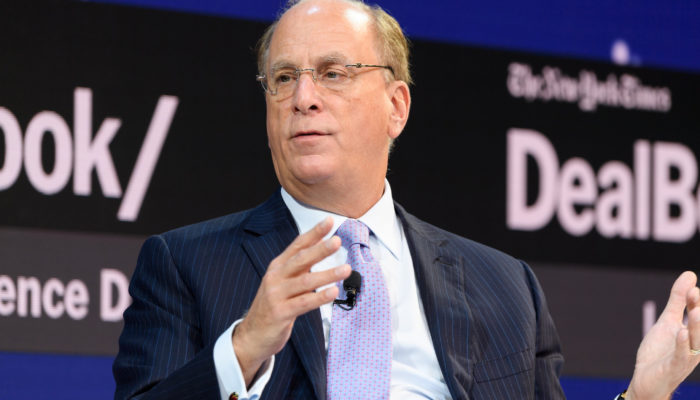
The scoop BlackRock’s Larry Fink warns CEOs that the risks associated with climate change will compromise returns without reallocation of capitol, calling for potentially the biggest divestment in finance history.

Why it matters BlackRock, the world’s largest asset manager, pledges to divest from fossil fuels and coal, increase investment transparency, and promote firm accountability throughout their sustainable transition.

Bottom line Though his letter is a step in the right direction, it merely foreshadows the significant changes yet to come. Executives will either embrace innovation today or be overshadowed by forward-thinking leaders.

Dig deeper → 3 min

  1. Business

How it stands

  • Companies frequently implement corporate social responsibility (CSR) programs (which include sustainability initiatives) in order to improve their image in the eyes of investors and customers, which in turn boosts profits.
  • But it is unclear if CSR programs actually make the world a better place
  • Most of the information about a company’s environmental footprint is only available through the company itself, presenting an obstacle to objective evaluation.

Examples

  • Coca-Cola claims to have reduced the water footprint of their drinks. But their calculations do not include the water used in the supply chain that provides the ingredients and packaging for the final product.
  • CSR programs (like Coca-Cola’s) often use offsets which instead of conserving limited resources lead to increased consumption.
  • Unilever claims to use a scientific approach to sustainability, trying to reduce their own emissions instead of investing in offsets for carbon neutrality.
  • More recently, Unilever announced the addition of carbon footprint labels on all products to increase transparency.

Bottom line

  • While the effectiveness of corporate sustainability programs is mixed, the fact that sustainability is on their radar and part of their marketing strategy is a big step forward. 
  • Don’t take everything you hear at face value. Take a deep dive into a company’s sustainability practices and decide for yourself.

Dig deeper → 5 min
  1. Business

The scoop Market research firm JD Power released a new index based on environmental, social and governance (ESG).

Key findings

  • Consumer awareness and engagement with utility climate initiatives are very low
  • Most concerned cities: NYC, LA and Portland are most concerned cities on climate change
  • Climate change skeptics: Wyoming and Alabama have the largest percentages of climate change skeptics
  • Business customers more engaged in sustainability than residential customers

Why it matters Sustainability has a communication and education problem. Companies in traditional industries like electricity need to adapt marketing initiatives to match 21st century tools, and communicate better with consumers.

Dig deeper → 2 min

  1. Business

The billion-dollar banana maker announced an ambitious plan to eliminate fossil-based plastic packaging by 2025, and reach net-zero carbon emissions by 2030.

Dole's plan Turn food waste into repurposed solutions like...

  1. Pineapple skin packaging
  2. New snacks made from rejected fruit
  3. Facilities powered by food waste converted into electricity.

What to expect Other major food producers will respond. The goal-setting sustainability trend continues, and only time will tell whether R&D goal-making converts into tangible results.

In the meantime, you can feel a little bit better about your next purchase of a Nicaraguan-born Dole banana.

Dig deeper --> 1 min

  1. Business

What’s the matter: Greenhouse gas emissions fell sharply with COVID-19 lockdowns, but as governments ease restrictions, emissions are rebounding faster than expected. It begs the question: if a global pandemic can’t meaningfully cut emissions, what can?

By the numbers

  • Of the nearly $12 trillion committed by the world’s 50 largest economies to the coronavirus recovery, “only about $18 billion has been targeted at post-carbon economic priorities such as developing renewable energy or incentivizing clean industry.”
  • To achieve the 1.5 degrees Celsius threshold targeted by the Paris Agreement in 2015, we would need to cut emissions by at least 7% every year indefinitely

Next Steps: As we wrote about earlier this month, Europe has proposed an $826 billion green COVID-19 recovery plan. But the rest of the developed world, especially America, is still thinking brown. COVID-19 makes it clear that individual action will not be enough to fix the climate crisis. We need major structural changes at the governmental (and multinational) level to move forward.

→ Dig deeper (3 min. read)

  1. Business

What they do KAJ is a B2B entertainment consultancy that offers full service solutions ranging from brand experience; marketing, strategy, sponsorship and content creation and more.

Talking points

  • Forbes inc. estimates a $7 billion dollar revenue loss for the US concert and live event industry. This will inevitably lead to the downfall of startups like KAJ. 
  • PPE prices have more than tripled in price as a reflection of increased demand from COVID 19.  

Why it matters PPE shortages are increasingly likely, and life threatening.

The pivot KAJ partnered with ApeironMed, a PPE supplier to co-sign a fundraiser to supply PPE at cost for Canadian hospitals in need.

For the people It’s important for small businesses and community members to do their part. KAJ listened to their community and saw an opportunity to connect a network to a cause. To learn more how they did it dive a little deeper below.

Dig deeper → 3 min

  1. Business

Why it matters

  • The program failed to exclude big businesses and smaller firms in good standings from receiving the low-interest loans as part of the PPP. 
  • Small businesses received little to no help through the program.
  • A large number of big businesses and small firms that received funding through PPP experienced financial hardship long before the COVID-19 crisis, according to an Associated Press Investigation.

Corporations facing backlash

  • Several large beneficiaries have decided to return the loans received through the PPP.
  • The LA Lakers, Kura Sushi USA and Sweetgreen have returned loans they received through PPP.

Between the lines

  • Small business owners and executives found the PPP process of application ambiguous and confusing. 
  • The Small Business Administration and Treasury Department had given businesses that wrongfully received loans till May 7th to return funds.
  • Corporations and small businesses that received over $2 million in loans will be audited and criminally prosecuted if found guilty of financial wrongdoing. 

Actions taken

  • Publix announced that it will purchase excess milk and food produce from farmers and donate it to Feeding America food banks.
  • Eateries such as Ho Foods and Roku have been feeding healthcare workers through fundraisers, while using their own resources too.

Dig deeper → 4 min

Weekly Newsletter

> Be Part of the Solution

Join our community of +220k Conscience Readers

Trending News | Innovations | ESG
Brand Reviews | Careers

Sustainable Review is copyright material. All rights reserved.

Exclusive Content Weekly

> Be Part of The Solution

Join our community of +220k Conscious Readers