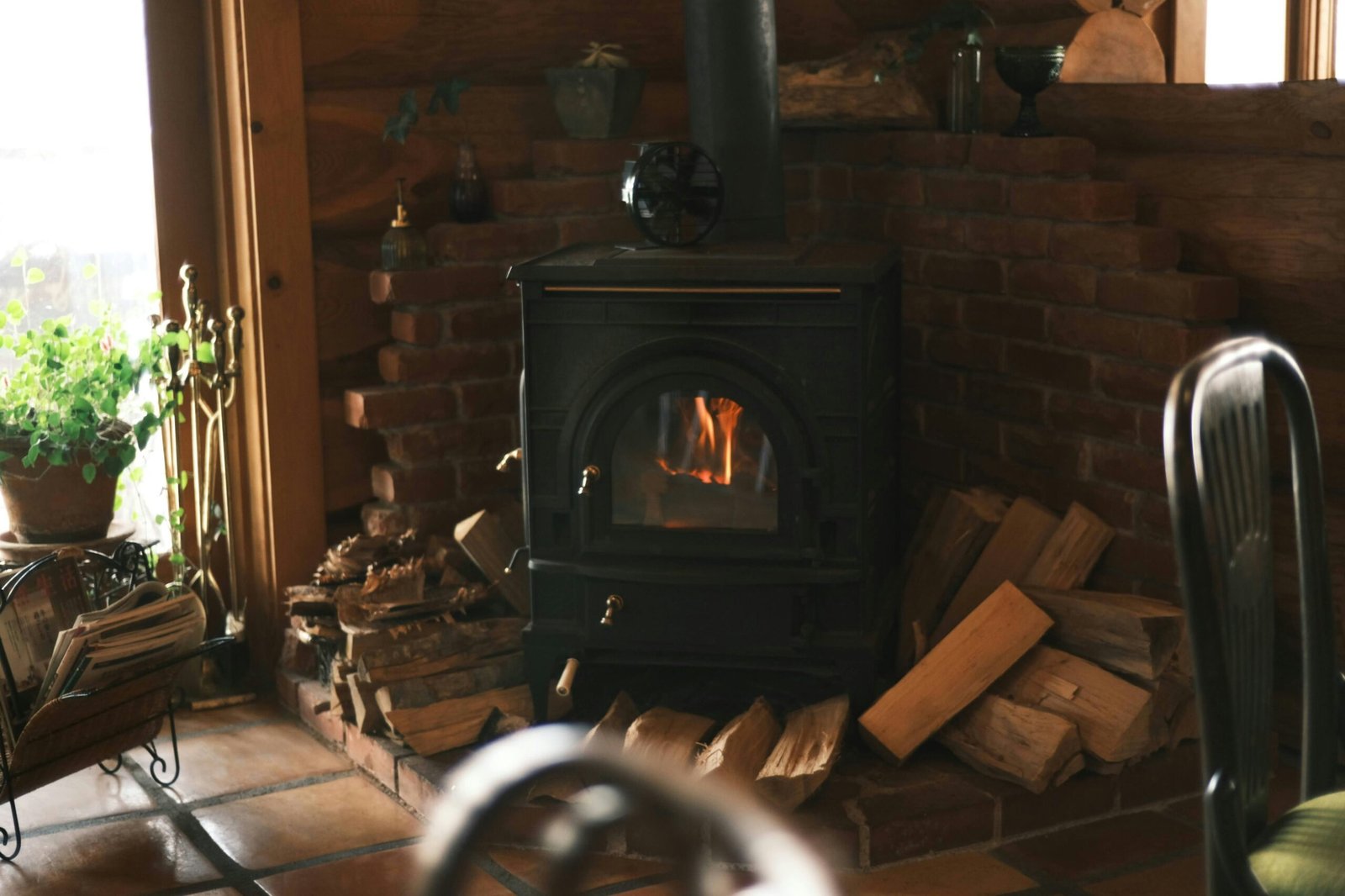

Good airflow is the key to getting the most heat from a wood-burning stove. It helps the fire burn completely, keeps the stove in an efficient temperature range between 260°C and 460°C, and stops the “fire triangle” (fuel, heat, oxygen) from collapsing into a smoky, weak fire. By carefully controlling how much oxygen reaches the fire, you allow the stove to burn the gases released from the wood-which hold nearly half of the wood’s energy-instead of sending them up the chimney as wasted smoke. When airflow is balanced, your stove goes from being a simple metal box to a strong, steady heat source that can warm your whole home.
Once you understand how airflow works, you move from simply “having a fire” to running your stove in a controlled, efficient way. It’s more than just opening a vent; it’s about understanding how your stove “breathes” and how that airflow affects the strength and warmth of the flames.
How Proper Airflow Influences Heat Output in Wood-Burning Stoves
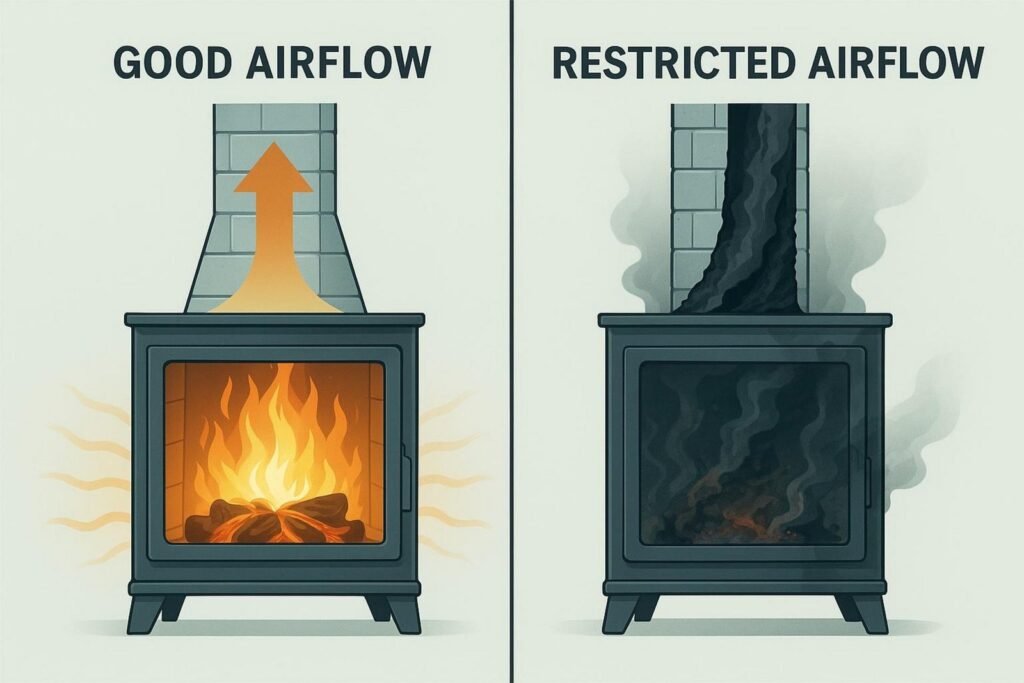
What Happens When Airflow Is Restricted?
If you cut down the airflow too much, you starve the fire of the oxygen it needs. This leads to a smoldering fire. In this state, the wood gets hot enough to release burnable gases, but there isn’t enough oxygen for those gases to ignite and give off heat. Instead of a strong, bright fire, you get a slow, cool one that makes thick smoke and very little warmth.
Restricted airflow is also the main cause of creosote buildup in the flue. When the fire is too cool, it doesn’t burn off the wood’s gases. These sticky, unburnt particles go up the chimney, cool down, and stick to the walls as creosote. This creates a serious fire risk and also acts like insulation, blocking heat transfer and cutting down the stove’s performance even more.
The Role of Combustion Efficiency in Heat Production
Combustion efficiency is a measure of how much of the wood’s stored energy is turned into useful heat. In a very efficient burn, all the burnable material becomes heat, CO₂, and water vapor, leaving only a small amount of fine ash. Modern stoves, especially Ecodesign models, can reach close to 90% efficiency, which is a huge improvement over old open fireplaces.
To reach this level, the fire needs two main burning stages, both supported by correct airflow:
- Stage 1: Burning the solid wood.
- Stage 2: Burning the gases driven off as the wood heats up.
When airflow is set up correctly, these gases mix with pre-heated air near the top of the firebox and ignite in a secondary burn. This “re-burn” is where a large part of the heat is made, and it greatly reduces the amount of energy lost as smoke.
Key Factors Affecting Airflow and Heat Output
Primary and Secondary Air Controls: What Do They Do?
Most modern stoves have two main air controls to help you manage the fire at each stage of its burn.
The primary air vent is like the starter. Usually placed at the bottom or on the door, it sends air under or through the fuel to get kindling and small logs burning. Once a good bed of hot embers has formed, the primary vent is often closed or turned down quite low.
The secondary air vent then becomes more important. This vent usually sends air across the top of the firebox or down over the glass (often called an “airwash”). The stove normally pre-heats this air before it reaches the flames. This warm air lets the rising gases burn for a second time, lifting heat output, keeping the glass clearer, and reducing smoke and emissions.
How Stove Design and Chimney Draft Affect Airflow
The way the stove is built—including baffles, internal plates, and the shape of the firebox—directs how air and hot gases move through it. Baffles make the hot gases travel a longer path before they leave the stove. This extra time inside the stove allows more complete burning and keeps heat in the stove longer so it can warm the room instead of racing straight up the chimney.
The chimney draft is what pulls the air and gases through the stove. Draft happens because hot air in the flue is lighter than the cooler air outside. A clean, well-insulated chimney gives a steady, strong pull. If the draft is too weak, the fire will struggle, may go out, or may push smoke into the room. If the draft is too strong, it can suck heat out of the stove too quickly, making it run too hot (“overfiring”) and burning through fuel faster than needed.
“The design of the stove and the quality of the chimney draft work hand in hand. When airflow is properly controlled, you get cleaner combustion, better heat retention, and safer operation overall,” explains Michael Janssen, Heating & Chimney Systems Expert at Flue-Pipes.com.
The Impact of Room Ventilation on Stove Performance
A wood stove uses a lot of air and needs a constant supply from the room. In older, leaky houses, enough air usually seeps in through cracks and gaps. In modern, well-sealed homes, however, the stove may end up competing with extractor fans, bathroom fans, or other devices that also pull air out of the house. If the home is too airtight, the stove can struggle to draw air, and smoke may spill back into the room.
To solve this, many people use “direct air” or “external air” kits. These run a pipe straight from outside to the stove’s air inlet. This gives the stove its own supply of fresh air without creating cold drafts in the room or wasting already heated indoor air. The result is safer, more effective stove operation in modern houses.
Choosing the Right Firewood and Its Effect on Airflow
Why Seasoned Wood Burns Hotter and Cleaner
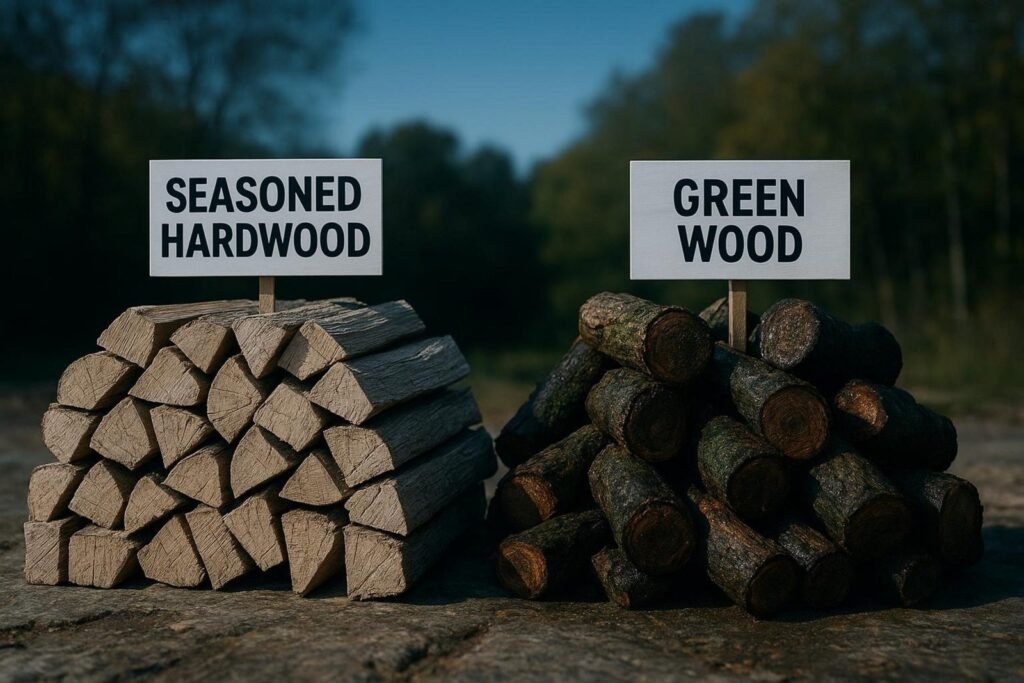
The quality of your firewood has a direct effect on how well airflow works in the stove. Seasoned wood-wood dried to a moisture content below 20%-is key. With dry wood, the fire’s heat can go straight into burning the fuel rather than boiling off water inside the log. This helps the stove reach the higher temperatures (above about 600°C in the main burning area) needed for gases to ignite easily.
Properly seasoned wood has around 12% more usable energy than freshly cut (“green”) wood. Because it catches quickly and burns strongly, it helps the chimney warm up faster and builds a solid draft. Dense hardwoods such as oak, ash, and hickory are especially valued because they burn for a long time and give a steady heat, making it easier to use the stove’s air controls efficiently.
Problems Caused by Damp or Resinous Woods
Burning wet wood is like trying to burn water. A lot of the fire’s energy goes into turning the moisture in the log into steam before much real burning begins. This keeps the fire cooler and makes more smoke. Cooler fires make it harder for secondary combustion to happen, no matter how far open the vents are. The steam and unburnt particles also go into the flue and speed up creosote buildup.
Resinous softwoods, such as pine or fir, can also cause trouble. They are excellent for kindling because they light quickly, but using them as your main fuel often gives a fast, “dirty” burn. Their high sap content can make heavy smoke and soot, which may block air paths in both the stove and the chimney, reducing airflow and efficiency over time.
Best Practices for Lighting and Maintaining an Efficient Fire
How Proper Airflow Affects Fire Starting
Starting a good fire is about building a strong draft as fast as possible. Many stove owners now use the top-down method:
- Place larger logs at the bottom.
- Add smaller pieces and kindling on top of them.
- Put firelighters or tinder on the very top and light them.
Lighting from the top sends heat upward through the flue straight away, warming it and creating an upward pull quickly.
During this early stage, all vents should be fully open. Some people also crack the stove door slightly for a few minutes to provide extra oxygen. Once the chimney is warm and the larger logs are burning well, close the door and start to reduce the primary air a bit at a time.
Fuel Load and Arrangement: Maximizing Air Contact
The way you place the wood inside the firebox has a big effect on airflow. Overfilling the stove is a common error. If logs are jammed together with no gaps, air can’t get between them, and parts of the pile will smolder instead of burn. Aim for a stack with logs fairly close so they share heat, but with visible gaps so air can flow around each piece.
It is usually better to add logs in small amounts once the stove is hot. Adding one or two pieces at a time lets them catch quickly without dragging down the firebox temperature. Dropping in a full load of cold wood can smother the flames for a while and upset the air balance.
Keeping the Stove and Flue Clean for Better Airflow
Good airflow also depends on regular cleaning. Too much ash in the base of the stove can block primary air inlets. Leaving a thin layer of ash (around 1-2 cm) is helpful because it insulates and holds heat, but you should empty out extra ash often so air can reach the fire from below.
The flue and chimney also need attention. Even a thin soot coating or a bird’s nest can slow the flow of gases, weaken the draft, and make the stove harder to run. Yearly chimney sweeping by a professional is strongly recommended for both safety and efficiency. A clear flue lets exhaust gases leave easily, which pulls fresh air into the stove more effectively.
Adjusting Airflow for Maximum Heat
When to Open or Close Air Vents
Good control of vent timing is what separates basic use from skilled use. Keep vents fully open when you light the fire and each time you add new logs. This gives the extra oxygen needed to bring fresh fuel up to burning temperature. When the logs are burning well and your stove thermometer shows you’re in the active operating range, you can begin to slowly close the vents.
You are aiming for a level where the flames are lively and bright but not roaring wildly. If the flames look like a jet of fire, the stove may be overfiring and wasting heat. If the flames are dull, dark orange, or producing smoke, you have probably closed the vents too far. Ideally, you will see light, moving flames at the top of the firebox-the sign that the secondary air is burning off gases correctly.
How to Balance Burn Rate and Heat Retention
To heat the room well, you want the body of the stove to get hot and stay hot for a long time. This means finding a middle ground. With vents left too far open, wood burns very fast and a lot of heat goes straight up the chimney. By partly closing the vents after the stove is hot, you slow the burn and give the stove walls (cast iron or steel) more time to soak up heat and release it into the room.
This is often called “banking” the fire. When you have a deep bed of glowing embers, the fire needs much less air than it did when there were big flames. This is a good time to turn the air down further. The embers will still give off strong heat for a long while without needing as much oxygen as a full flame.
Signs of Optimal versus Poor Airflow
| Condition | Good Airflow | Poor Airflow |
| Glass | Mostly clear | Blackened, sooty |
| Flames | Bright yellow/light orange, lively | Sluggish, dark orange, dull |
| Chimney smoke | Little or no visible smoke | Thick gray or black smoke |
| Firebox interior | Relatively clean, little black soot | Charred, dark, heavy deposits |
If you see heavy smoke from the chimney, dirty glass, and lazy flames, your airflow is restricted or your wood is too damp. In that case, you are wasting fuel and heating the outside air instead of your home.
Circulating and Distributing Heat from Wood-Burning Stoves
Ways to Improve Heat Circulation in Your Home
Once your stove is running well, the next step is moving that heat around. Hot air naturally rises, so it can collect near the ceiling in the stove room. Leaving internal doors open is the simplest way to let warm air move into nearby rooms. Some homes also add small vents or grilles high in walls or ceilings so heat can move into rooms above.
Furniture placement also affects how well heat spreads. Avoid placing large items like sofas directly in front of the stove. These can soak up most of the radiant heat and stop it from reaching the rest of the space. Keeping a clear area in front of the stove lets the heat travel further and warm walls, floors, and furniture around the room.
Should You Use Stove Fans or Blowers?
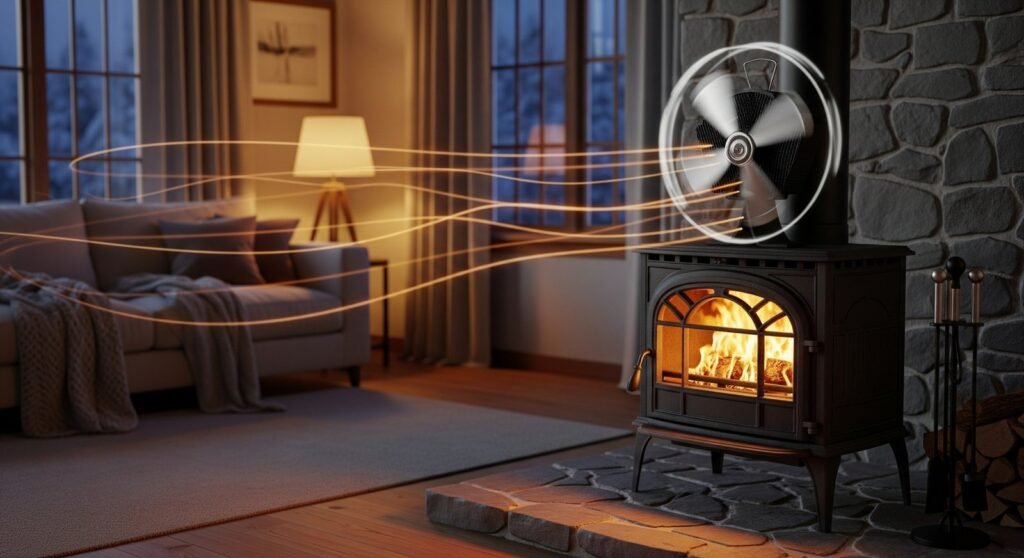
Stove fans are a simple and effective way to move warm air. These fans sit on top of the stove and are powered by the stove’s heat using a small thermoelectric generator-no batteries or mains power needed. They push warm air sideways into the room instead of letting it just rise straight up, helping even out the temperature.
Some stoves also have built-in electric blowers or optional fan kits. These are stronger than simple stove-top fans and are useful in bigger or open-plan spaces. By blowing room air across the hot surfaces of the stove, they speed up heat transfer and can warm a cold room much faster than radiant heat alone.
Safety Concerns with Airflow and Heat Output
Risks of Closing Air Supply Too Much
Trying to make wood last longer by nearly shutting off the air can be unsafe. A starved fire can produce high levels of carbon monoxide (CO), which has no smell or color and is very dangerous. If the stove door seals or flue joints are not perfect, or if the draft reverses, this gas can leak into the room.
A smoldering fire also runs too cool to keep a strong upward draft. When draft weakens, smoke and gases can slow down or sit in the chimney and then seep back into the house. Keep enough air going to maintain a clean-burning flame, and avoid leaving the stove unattended if you have turned the vents down very low.
Avoiding Excessive Smoke and Creosote Build-Up
Heavy smoke is simply unburnt fuel leaving your chimney. Whenever you see smoke, you are losing heat that could have stayed in your home. That smoke also turns into creosote on the flue walls. Creosote is highly flammable and is a main cause of chimney fires. By keeping airflow correct and letting your stove run hot enough (roughly 260-460°C at the flue), you burn off most of these particles before they reach the chimney.
A stove thermometer is one of the most useful safety tools you can buy. It lets you see when the stove is running too cool (the “creosote zone”) or too hot (the “overfire zone”). Keeping the temperature needle in the marked “best” range helps you get strong heat with lower risk.
Frequently Asked Questions
Can Better Airflow Make My Stove Burn Overnight?
Yes, good airflow control can help you keep a fire going overnight, but it takes planning rather than simply closing the vents. You will need a deep bed of hot coals and some large, dense logs of seasoned hardwood. Once these big logs are fully burning, you can turn the air down to a low setting-but never shut it off completely. The aim is to give just enough oxygen for the logs to slowly burn and the coals to stay alive. This keeps the flue warm enough to maintain draft while stretching the burn through the night.
What Are Common Mistakes in Adjusting Airflow?
Here are some frequent errors people make with stove airflow:
- Closing vents too soon: Seeing bright flames and cutting air early to “save wood,” which makes the fire cool and start to smolder.
- Ignoring secondary air: Using only the primary vent and not adjusting the secondary air, leading to poor gas burning and wasted heat.
- Not allowing for weather changes: On very cold or windy days, chimney draft is stronger, so vents may need to be closed more to prevent the stove from running too hot.
Wood-burning stoves also play a valuable role in emergency planning. In times when energy supply can be uncertain, having a wood stove gives you a level of independence. With a supply of dry wood and a well-kept chimney, you can heat your home and cook food even during power cuts or grid problems. With the current Biomass Stove Tax Credit and similar schemes, this is also a good time to upgrade to a high-efficiency stove that makes better use of every bit of air and fuel.