Makeup has long been used to enhance or alter the appearance of the human face. It can be subtle or bold, traditional or avant-garde, allowing wearers to sculpt their identity and how the world perceives them.
However, not all makeups are safe to use. From lead and mercury to formaldehyde and triclosan, many cosmetics in the market contain chemicals and contaminants that are harmful to health.
Fortunately, increasing awareness about the potentially harmful effects of chemicals in cosmetics encourages consumers to seek products that are gentle on their skin and the environment. Brands are now challenged to create formulations that meet these criteria without compromising quality and efficacy.
If you’re looking to revamp your beauty regimen with clean makeup products that prioritize non-toxic, natural, or organic ingredients, we’ve got you covered.
In this article, we’ll introduce you to eight chemical-free makeup brands revolutionizing the beauty industry. From foundations to lipsticks, these makeup brands offer a wide range of products to enhance your natural beauty while staying committed to purity, ethics, and radiant results.
Key Takeaways
- Embracing chemical-free makeup brands can promote healthier skin and contribute to a more sustainable beauty routine.
- Look for certifications such as USDA Organic, EWG, or COSMOS to ensure the products meet rigorous standards for organic ingredients.
- Experiment with different products from these brands to find the ones that best suit your skin type and preferences.
- Consider factors such as cruelty-free practices and eco-friendly packaging when choosing a clean makeup brand or product.
The Transformative Power of Makeup
Makeup has long been celebrated as a tool for self-expression, creativity, and confidence. From subtle enhancements to bold statements, the power of makeup lies in its ability to transform our outward appearance and our inner sense of self. Whether a swipe of lipstick before a big presentation or a dramatic smoky eye for a night out, makeup empowers us to put our best face forward and embrace our individuality.
Several studies have delved into the impact of makeup on perception, consistently revealing that adorned female faces tend to be perceived as more attractive. Notably, studies highlighted by the American Psychological Association (APA) revealed that cosmetics-wearing faces evoke positive implicit responses and trigger heightened activation of reward centers in viewers’ brains. Clearly, makeup alters the perception of facial attractiveness, emphasizing its transformative influence.
Considering makeup’s positive effects, it is easy to understand why the cosmetics industry keeps on thriving. Despite a brief setback in 2020 due to the COVID-19 pandemic, the global cosmetics market has experienced consistent expansion since 2004, with projected revenues nearing $129 billion by 2028, according to Statista.
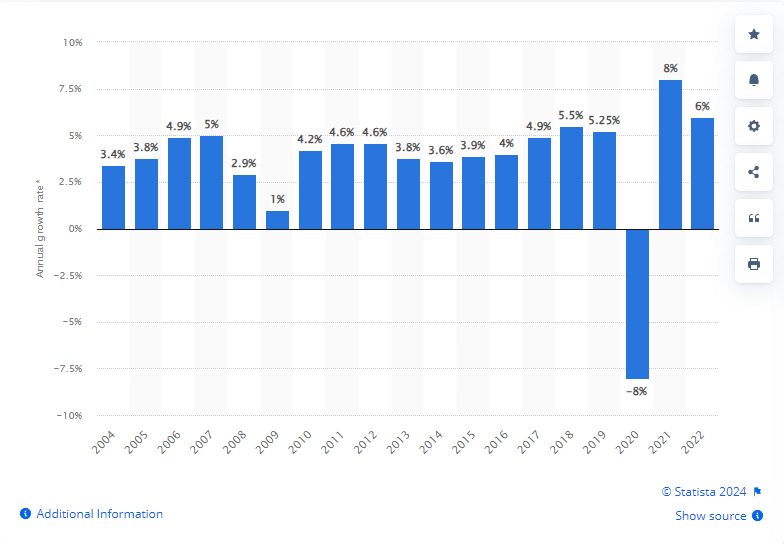
Image Source: https://www.statista.com/statistics/297070/growth-rate-of-the-global-cosmetics-market/
The emergence of social media platforms like Instagram and YouTube significantly bolsters this industry’s prosperity. These platforms have created a new generation of influencers and makeup enthusiasts, enabling a shared space for learning, creativity, and discussion. This connectivity has fostered a global community where trends rapidly evolve, and information about techniques and products is readily accessible.
Additionally, technological advancements have paved the way for virtual try-ons and personalized beauty apps, revolutionizing how consumers interact with makeup products. These developments fuel demand for beauty products and bridge the gap between cosmetics brands and consumers, ensuring a mutually beneficial relationship.
The Dark Side of Makeup
Behind the enduring popularity of makeup lies a less glamorous reality: the presence of harmful chemicals in many conventional beauty products. For decades, cosmetics have been formulated with ingredients like parabens, phthalates, and synthetic fragrances, which have been linked to a range of health concerns, including skin irritation, hormonal disruption, and even cancer.
In his 2020 article on cosmetic chemicals and contaminants, Scott Faber, EWG’s senior vice president of government affairs, referenced a study conducted by the California Department of Public Health. The study revealed a concerning trend: since 2009, 595 cosmetics manufacturers have acknowledged the utilization of 88 chemicals across over 73,000 products. These chemicals have been associated with grave health risks, including cancer, birth defects, and reproductive harm.
Among the identified hazardous substances are:
- Formaldehyde
- Paraformaldehyde
- Methylene glycol
- Quaternium 15
- Mercury
- Dibutyl and diethylhexyl phthalates
- Isobutyl and isopropyl parabens
- The long-chain per- and polyfluoroalkyl substances known as PFAS
- M- and o-phenylenediamine
Notably, these toxic ingredients have already been prohibited by the European Union. Moreover, over 40 nations globally have initiated measures to either ban or restrict more than 1,400 chemicals or contaminants found in cosmetics and personal care products. These measures are intended to curb the usage of substances linked to cancer, reproductive harm, and neurological disorders. However, the United States lags behind in this regard, having only banned or restricted a handful of over 10,000 chemicals commonly employed in cosmetic formulations.
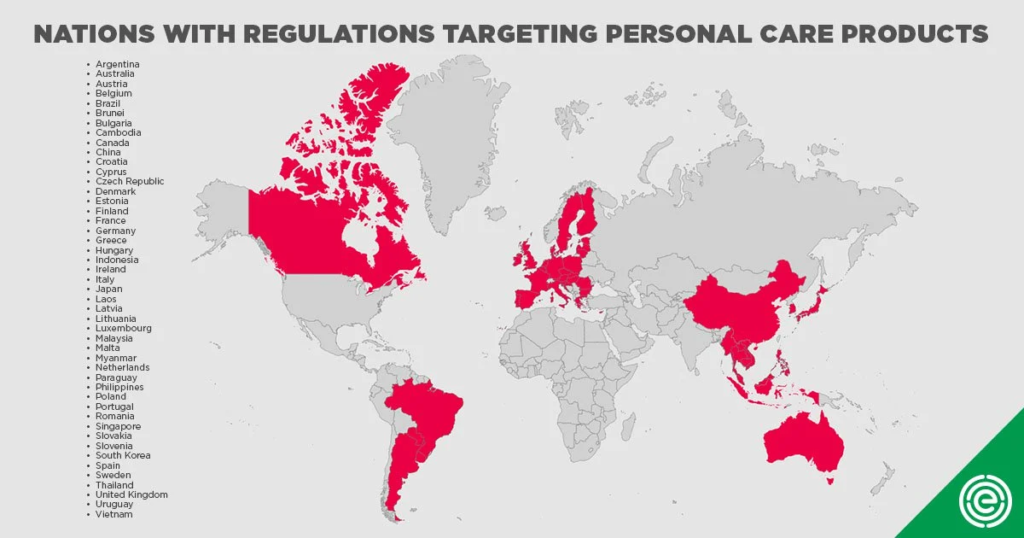
Image Source: https://www.ewg.org/the-toxic-twelve-chemicals-and-contaminants-in-cosmetics
Despite this sad reality, awareness of the potential risks associated with these chemicals has prompted consumers to demand clean, chemical-free makeup. This clean beauty movement is built on the foundation of transparency and safety in skincare and makeup products. It champions formulations free from controversial chemicals, prioritizing naturally derived, organic, or certified organic ingredients. This push toward non-toxic cosmetics is not just about what’s being left out but also about what’s being included to ensure products are beneficial for the skin and body.
8 Chemical Free Makeup Brands Worth Knowing
Choosing chemical-free makeup is a personal health decision that also benefits the environment. If you are in the market for quality makeup that boasts non-toxic ingredients, the brands listed below typically avoid parabens, phthalates, synthetic fragrances, and other known irritants, making their products ideal for sensitive skin and individuals aiming to minimize their chemical exposure. They also employ sustainable practices, from sourcing ingredients responsibly to using recyclable packaging, thus significantly reducing the beauty industry’s carbon footprint.
1. Ilia Beauty
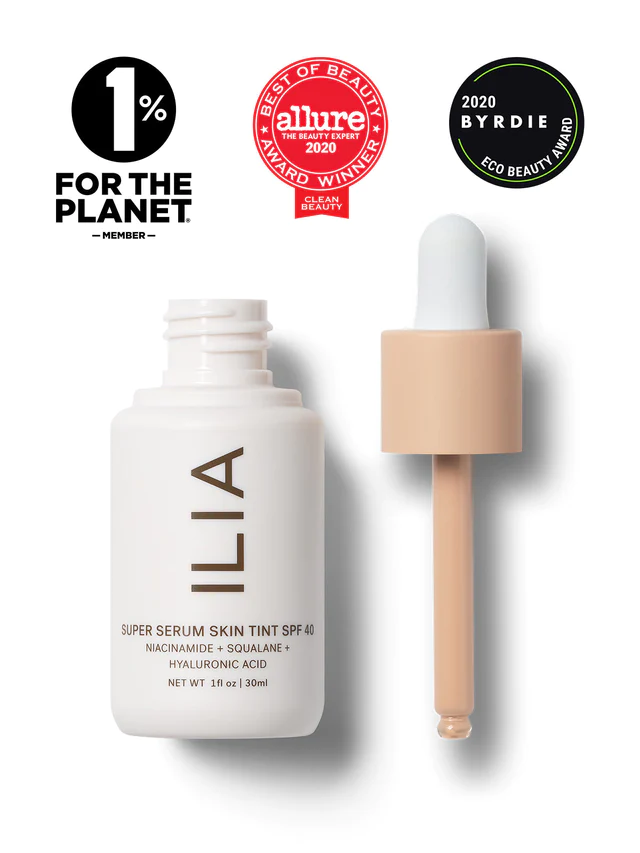
Ilia Beauty is renowned for its clean, high-performance makeup products, which aligns with its philosophy that clean makeup should be an extension of skincare. The brand’s ingredient list includes a blend of organic botanicals, safe synthetics, and active levels of skincare ingredients. It also avoids harsh chemicals like parabens and phthalates, promising a makeup experience that improves skin over time.
Ilia Beauty’s range includes everything from lightweight foundation to vegan and cruelty-free lipsticks designed to enhance your natural beauty without compromising quality. The brand’s acclaimed Super Serum Skin Tint SPF 40 has garnered praise for its vegan, non-comedogenic, fragrance-free formulation, backed by clinical evidence showcasing its efficacy in addressing common skin concerns. This multi-tasking product is scientifically validated to diminish dryness, blemishes, redness, wrinkles, and uneven skin tone with continued use.
2. RMS Beauty

RMS Beauty is committed to creating clean beauty products that look good and nourish the skin. Its formulas are made with raw, food-grade, and organic ingredients that provide skincare benefits while giving you a radiant makeup look.
This brand is a pioneer in the clean beauty space, offering a wide range of clean makeup options since 2009. Its cult-favorite “Un” Cover-Up concealer delivers flawless, customizable coverage, leaving a seamless, skin-like finish. Additionally, its nourishing cream Luminizer provides a natural, radiant finish without compromising ingredients or performance.
3. W3LL PEOPLE
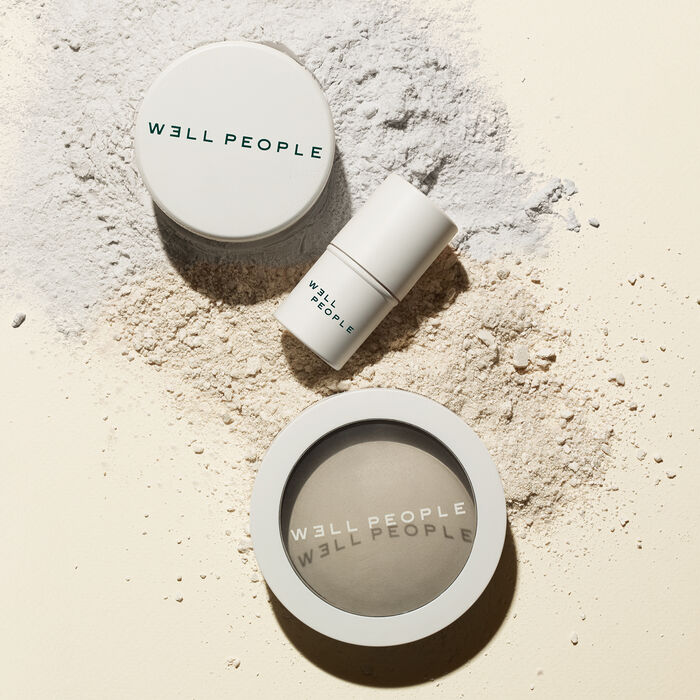
Founded in 2017, W3LL PEOPLE combines the best of science and nature to create products that combine clean ingredients and high performance. Its products are free from potentially harmful chemicals like parabens, phthalates, and artificial preservatives, blurring the lines between safe makeup and effective skincare. With a focus on sustainability and transparency, W3LL PEOPLE is a brand you can trust for your clean beauty needs.
The brand’s Loose Superpowder Brightening Powder is a crowd favorite thanks to its proficiency in setting makeup and diminishing fine lines, all while imparting a flawless, luminous complexion. Notably, its formulation, free from cruelty, GMOs, and gluten, caters to those with sensitive skin, ensuring a gentle yet effective makeup setting experience.
4. Kosas
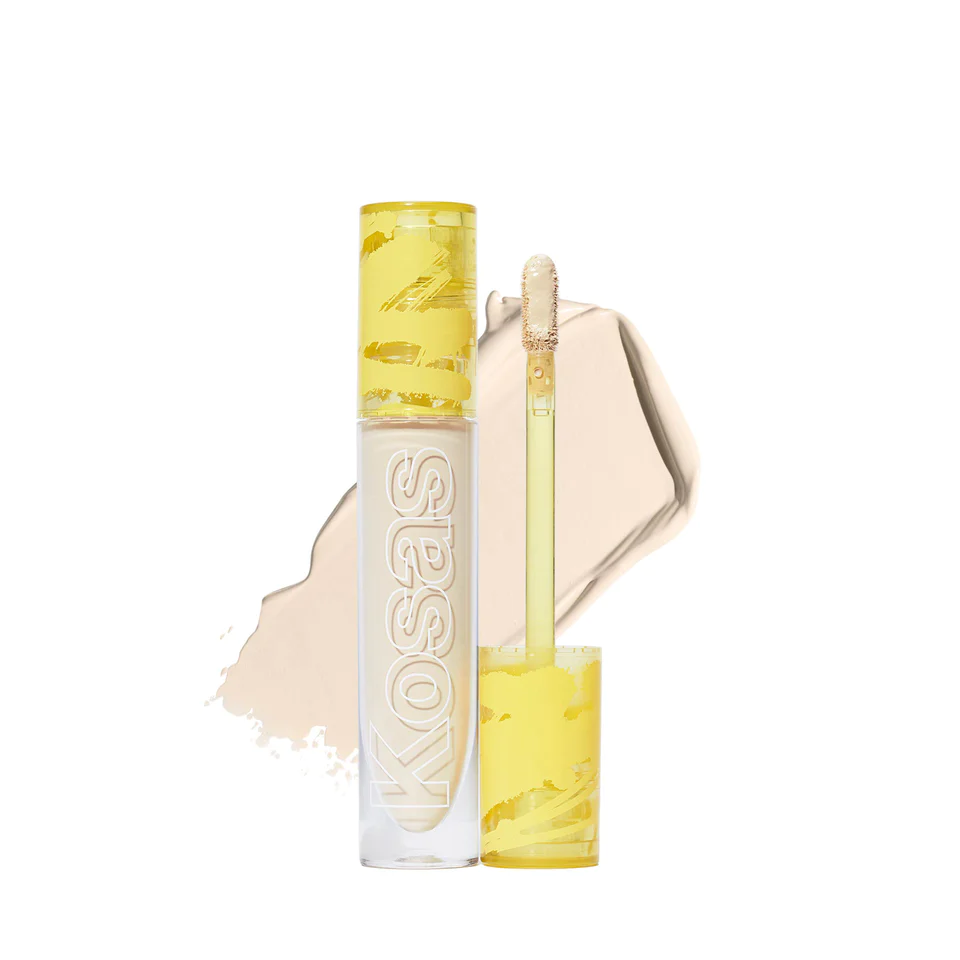
Kosas is one of those non-toxic makeup brands known for its effortless, modern approach to makeup. Each product is made with natural ingredients that are good for the skin, including botanical oils and antioxidants. They are also designed to flatter a wide range of skin tones and types, making Kosas a universally appealing brand.
Caring as much about what’s in its products as what’s not, Kosas promises everything you need for a natural, glowing look without harmful chemicals. Whether you’re looking for a sheer tinted moisturizer or a bold lipstick, Kosas has clean options that deliver on both performance and quality.
If you’re looking for a concealer that’s safe for your sensitive skin and is packed with good ingredients, you can never go wrong with Kosas’ Revealer Concealer. Its luxuriously creamy texture offers medium coverage and a hydrating finish, imparting a radiant complexion. Beyond immediate benefits, it’s clinically proven to enhance bare skin’s quality and diminish fine lines and wrinkles over time. Rigorously safety tested, it assures non-comedogenic properties, safeguarding against pore blockage and breakouts.
5. Beautycounter
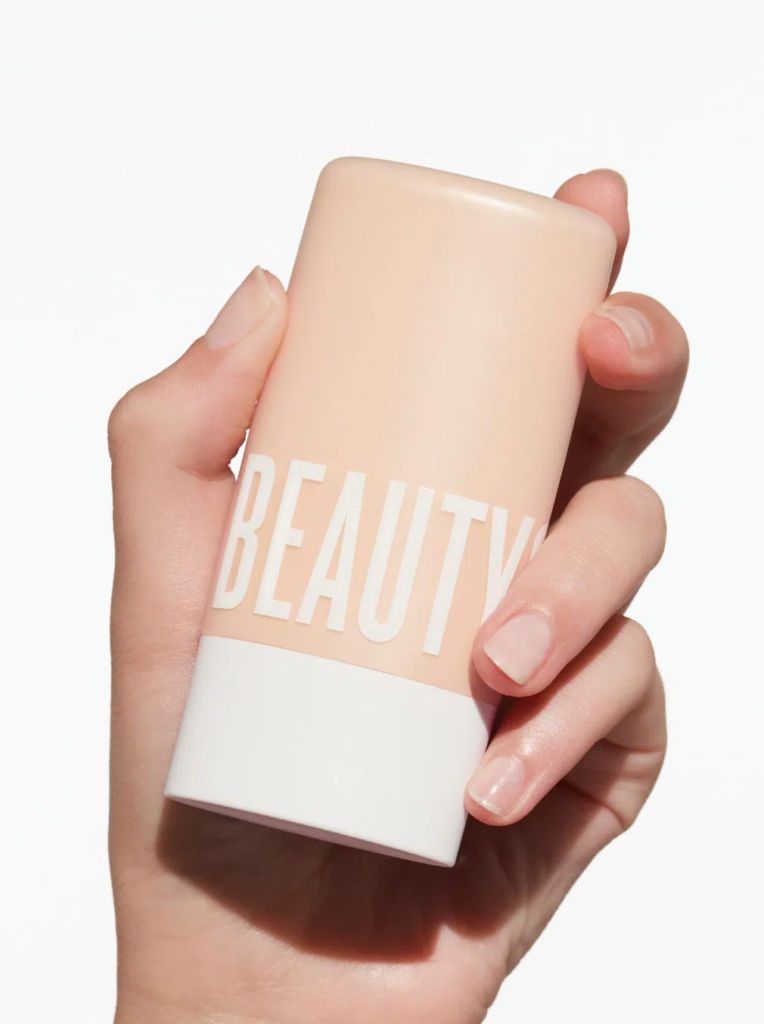
Beautycounter is on a mission to revolutionize the beauty industry with safer, cleaner products. Employing a meticulous 5-step ingredient selection process reinforced by 12 stringent safety benchmarks and 23 thorough safety assessments, the brand prohibits over 2,800 potentially harmful or questionable ingredients from its formulations. Beautycounter offers a wide range of makeup products, all clinically tested and sustainably designed, ensuring your health and safety in mind.
Highly regarded by its users, the brand’s Dew Skin Tinted Moisturizer stands out as a versatile favorite, delivering a quartet of benefits: sheer coverage, a luminous finish, enhanced SPF 20 protection, and scientifically validated skincare benefits. Supported by comprehensive testing and positive feedback, this tinted moisturizer boasts proven efficacy in boosting skin firmness and elasticity, courtesy of its thoughtfully curated blend of plant-derived and mineral-based ingredients.
6. Juice Beauty
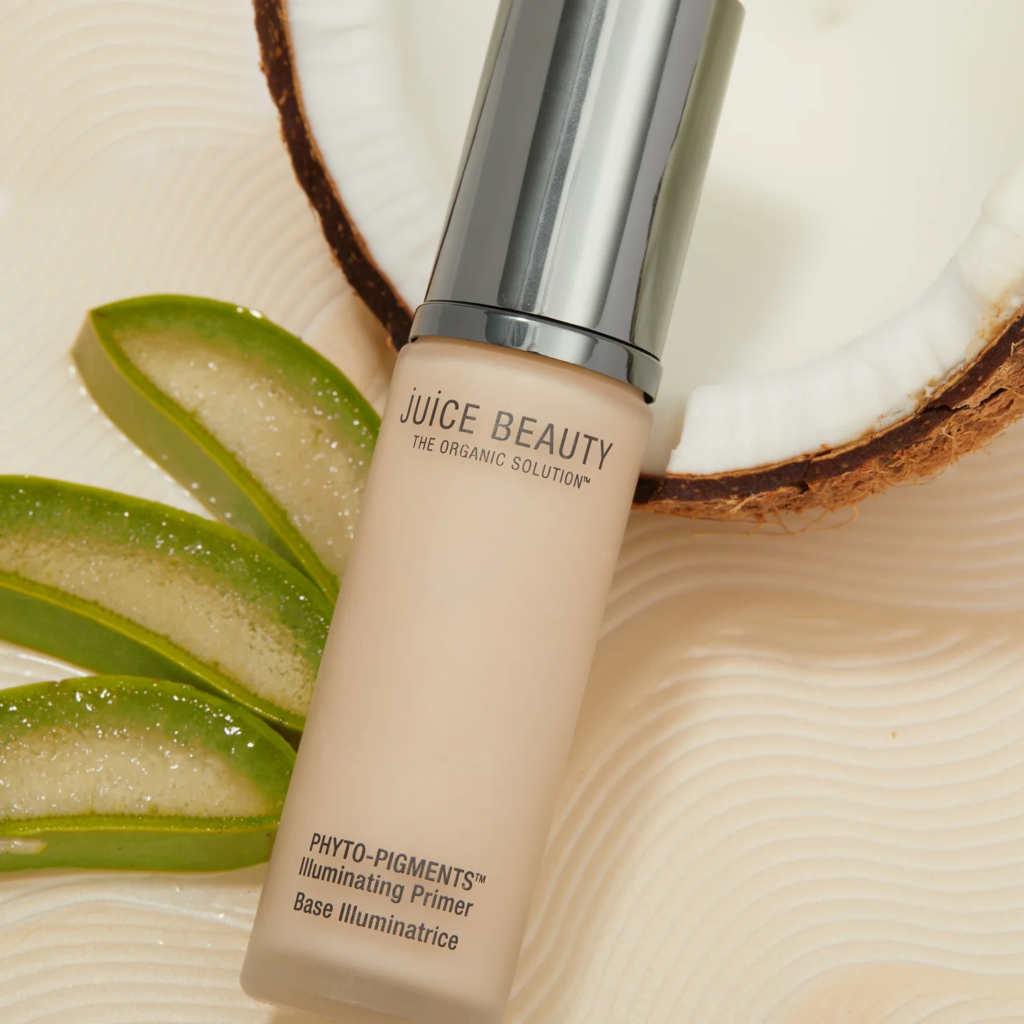
Juice Beauty offers clinically validated skincare and makeup products that are powered by organic botanical juice bases, rather than petroleum byproducts or water. The brand’s dedication to organic farming techniques ensures that each product is cruelty-free, free from harsh chemicals, and packed with antioxidants and nutrients, fostering a healthy, vibrant complexion.
The brand’s Phyto-Pigments Illuminating Primer and Stem Cellular CC Cream provide skincare benefits alongside flawless coverage. Renowned for their ability to blur imperfections and impart an age-defying complexion, both products stand as epitomes of excellence. They have been awarded garnered accolades within their respective categories, emphasizing their exceptional quality and efficacy.
7. 100% Pure

True to its name, 100% Pure focuses on products that are free from synthetic chemicals, artificial fragrances, chemical preservatives, and all other toxins. Its naturally-derived or organic formulations rely heavily on fruit pigments to color cosmetics, delivering pure and potent results that cater to makeup and skincare needs.
100% Pure’s Coffee Bean Caffeine Eye Cream is a top-tier anti-inflammatory solution scientifically validated to reduce puffiness, enhance circulation, and illuminate dark circles around the delicate eye area. Comprised of ethically sourced ingredients and adhering to cruelty-free standards, this cream ensures purity and efficacy in every application. Furthermore, its gentle formulation makes it suitable for all age groups, offering a versatile solution for proactive aging prevention and targeted skincare needs. Whether safeguarding against early signs of aging or addressing existing concerns, this eye cream promises tangible benefits for all.
8. Ere Perez
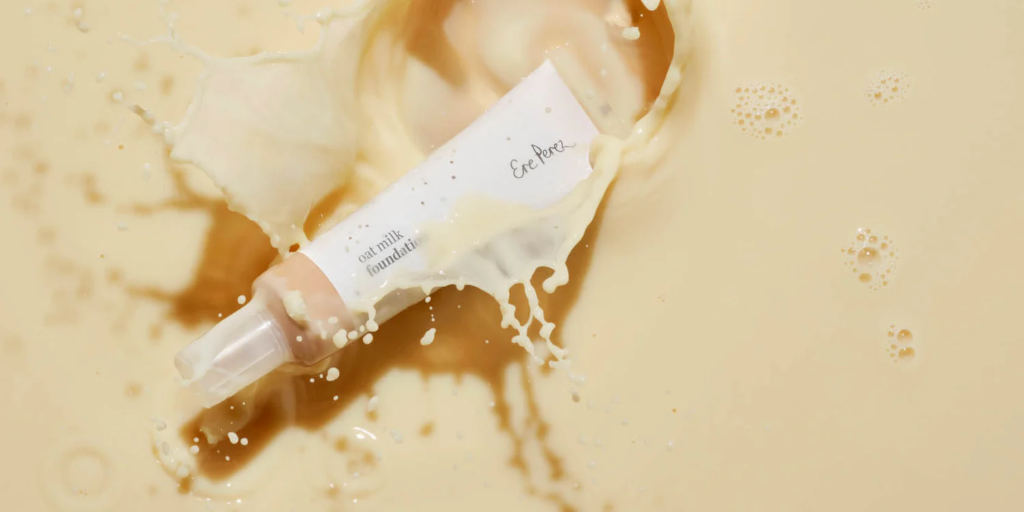
Ere Perez is renowned for its natural makeup and skincare line crafted from powerful botanical ingredients and minerals. The brand’s philosophy is simple: makeup should be nourishing, gentle, and kind to both skin and the environment.
Ere Perez boasts an impressive lineup of products designed to deliver a clean, artisanal beauty experience. Among its standout offerings, the oat milk foundation garners acclaim for its exceptional longevity and non-greasy, natural finish, earning high praise from users. On the mascara front, Ere Perez’s avocado waterproof mascara stands out with its innovative, dry-style, vegan formula. Not only does it offer enduring waterproof wear, but it also promotes the growth of lush, beautiful lashes, making it a must-have for those seeking both performance and nourishment in their makeup routine.
Choosing and Maximizing Chemical-Free Makeup to Elevate Your Clean Beauty Routine
When embracing chemical-free makeup, selecting the right products and utilizing them effectively is key to achieving a radiant, healthy complexion. Here’s how to navigate the world of clean beauty and make the most of your makeup choices:
- Understanding Ingredients: Before making a purchase, familiarize yourself with common harmful chemicals in conventional cosmetics, such as parabens, phthalates, and synthetic fragrances. Opt for products formulated with organic, natural ingredients to minimize exposure to toxins and potential skin irritants.
- Certifications Matter: Look for certifications such as USDA Organic, COSMOS, or EWG to ensure that the makeup you choose meets stringent standards for purity and quality. These certifications guarantee that the products are free from harmful chemicals and have been ethically sourced and produced.
- Skin Type Consideration: Consider your skin type and concerns when selecting chemical-free makeup products. Whether you have oily, dry, or sensitive skin, there are clean beauty options tailored to address your specific needs. Look for products labeled as hypoallergenic or non-comedogenic for optimal compatibility.
- Application Techniques: Mastering proper application techniques can enhance the performance and longevity of your chemical-free makeup. Use clean brushes or beauty blenders to achieve seamless blending and avoid over-applying products to prevent cakiness or creasing.
- Layering for Coverage: Layering products strategically can help you achieve your desired level of coverage while maintaining a natural look. Start with a lightweight primer to smooth and prep the skin, followed by foundation and concealer where needed. Finish with setting powder or spray to lock in your makeup for long-lasting wear.
- Multipurpose Products: Opt for multipurpose products that offer versatility and efficiency in your beauty routine. Choose tinted moisturizers with SPF for sun protection and hydration, or lip and cheek stains for a natural flush of color on the go. These multitasking products streamline your routine while minimizing product clutter.
- Regular Skincare Routine: Remember that makeup is just one aspect of a comprehensive skincare routine. Prioritize skincare practices such as cleansing, moisturizing, and exfoliating to maintain healthy, glowing skin. Cleanse your face thoroughly before applying makeup and remove it gently at the end of the day to prevent clogged pores and breakouts.
By selecting high-quality, chemical-free makeup products and adopting effective application techniques, you can elevate your clean beauty routine and achieve stunning results while prioritizing the health of your skin.
Conclusion
Switching to chemical-free makeup brands is a meaningful step towards embracing a healthier, more sustainable beauty routine. Choosing products from non toxic and clean makeup brands committed to using natural and organic ingredients and cruelty-free practices ensures you invest in your health and the planet’s well-being.
Beauty should never be at the expense of safety or ethics. So, let your beauty regimen reflect your values, radiating not just through your appearance but through the conscious choices you make.
Frequently Asked Questions
Yes, many chemical-free makeup brands offer products that contain ingredients that are safe for various skin types, including sensitive and acne-prone skin. Look for options labeled as hypoallergenic or non-comedogenic for the best results.
Look for certifications such as USDA Organic, Cruelty-Free, EWG, or Non-GMO. Also, thoroughly examine the ingredient list and research the brand’s sourcing and manufacturing practices.
Many chemical-free makeup brands prioritize high-quality, natural ingredients that offer comparable, if not superior, performance to conventional products. Experimenting with different brands and formulations can help you find ones that meet your beauty needs.
Yes, many chemical-free makeup brands formulate their products to provide long-lasting wear and vibrant pigmentation. Look for options labeled as long-wearing or high-pigment for makeup that stays put throughout the day.
Yes, the clean beauty movement has expanded to include a wide range of products, from foundations and concealers to eyeshadows and lipsticks, catering to all makeup needs.
While some chemical-free makeup brands may have higher price points due to their use of premium, organic ingredients, affordable options are also available. Consider factors such as product quality, brand ethos, and packaging sustainability when assessing value for money.