Who doesn’t love the sensation and aroma of freshly laundered garments? Fabric softeners are the perfect finishing touch to our laundry routine, imparting a delightful scent and a gentle touch to freshly washed clothes. They also help minimize wrinkling, stretching, fading, and pilling, ensuring your clothes retain their pristine wash after wash. Unsurprisingly, they’ve become a staple in countless households today.
However, softeners frequently harbor harsh chemicals that can harm your skin and the environment. The good news is that achieving that coveted garment softness and fresh scent is still possible while being kind to our planet. There’s a growing market for eco-friendly fabric softeners that offer a gentler alternative to conventional ones without sacrificing effectiveness.
Join us in exploring eight eco-friendly fabric softeners that are safe for you and your family and kinder to the planet. From liquid options to dryer sheets and pods, there’s something for everyone looking to green their laundry routine.
Key Takeaways
- Eco-friendly fabric softeners provide a gentle and sustainable alternative to traditional options.
- They are made from plant-based ingredients, reducing the use of harmful chemicals and making them non-toxic.
- Many eco-friendly fabric softeners come in biodegradable packaging, reducing plastic waste.
- Wool dryer balls are a reusable and eco-friendly alternative to traditional fabric softeners and dryer sheets.
- You can avoid skin irritation and protect the environment by choosing eco-friendly fabric softeners.
How Traditional Fabric Softeners Cause Environmental Harm
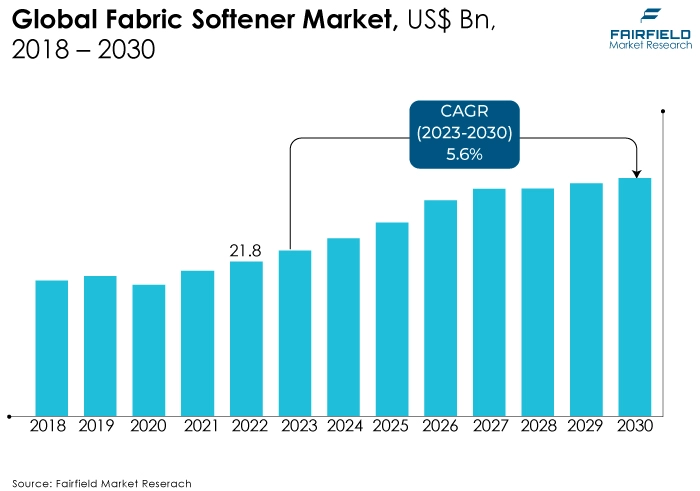
In a recent market analysis by Fairfield, the global market for fabric softeners has been shown to have a commanding presence, boasting a valuation of US$21.8 billion in 2023. This market is on an upward trajectory, with projections estimating its worth to US$32 billion by 2030, showcasing a Compound Annual Growth Rate (CAGR) of 5.6%. This surge in the market is largely attributed to factors such as the increasing consumer preference for soft, aromatic, and well-kept apparel. Additionally, a growing inclination toward urban lifestyles, shifting standards of living, and a growing preference for easy, quick laundering solutions have further propelled the popularity of fabric softeners.
If numerous households rely on these laundry products, one might assume they are both effective and safe, correct? While conventional fabric softeners may indeed make clothes softer and smelling clean, their safety remains a concern.
The Environmental Working Group (EWG) cautions against the harmful effects of in-wash fabric softeners and heat-activated dryer sheets, which harbor a potent blend of chemicals detrimental to human health and the environment. Some of the most concerning compounds found in these conventional laundry essentials include:
- Quats: Quaternary ammonium compounds, abbreviated as quats, are renowned for imparting immediate softness to garments. However, certain varieties can trigger asthma and pose risks to reproductive health. EWG reminds individuals to be vigilant in scrutinizing labels and product websites for ingredients like distearyldimonium chloride and other “monium chloride” compounds, as well as ambiguous terms such as “biodegradable fabric softening agent” and “cationic surfactant.”
- Fragrance: There are nearly 4,000 fragrance ingredients used in household products, making it challenging to identify specific components. Many fabric softener options in the market may contain phthalates, which are responsible for scent dispersion, and synthetic musks like galaxolide, which are known to accumulate in the body. Fragrance blends can induce allergies, dermatitis, breathing difficulties, and reproductive harm. Outdoor venting of scents can exacerbate health issues, especially for individuals with asthma or chemical sensitivities.
- Preservatives and Colors: Ambiguous terms like “preservatives” and “colors” or “colorants” on ingredient labels may encompass a myriad of chemicals. Methylisothiazolinone and glutaral are particularly worrisome preservatives, with the former posing potent allergenic properties and the latter linked to asthma and skin allergies. Glutaral, or glutaraldehyde, also poses threats to marine life. Artificial colors like D&C violet 2 have associations with cancer, while others may harbor impurities with carcinogenic potential.
The environmental footprint of many fabric softeners also extends beyond their chemical composition to their packaging—predominantly plastic. This contributes significantly to the mounting problem of plastic waste, a critical environmental issue. The pervasive reliance on single-use plastic containers for liquid fabric softeners and the disposable nature of single-use dryer sheets further exacerbate the ecological burden, leading to increased landfill waste and ocean pollution.
9 Best Eco-Friendly Fabric Softeners Leading the Way to a Greener Laundry Routine
Given the health and environmental concerns associated with traditional fabric softeners, there’s a growing movement toward eco friendly alternatives. This pivot is driven by increasing consumer awareness of the ecological footprint of daily household products and a growing commitment to embracing practices that safeguard personal health and the planet.
In response to this rising demand for eco-conscious fabric softener alternatives, several forward-thinking brands have stepped up, introducing a range of eco friendly fabric softeners that promise to deliver the desired softness and fragrance to your laundry in a manner that aligns with ethical and environmental values.
1. Dropps Fabric Softener
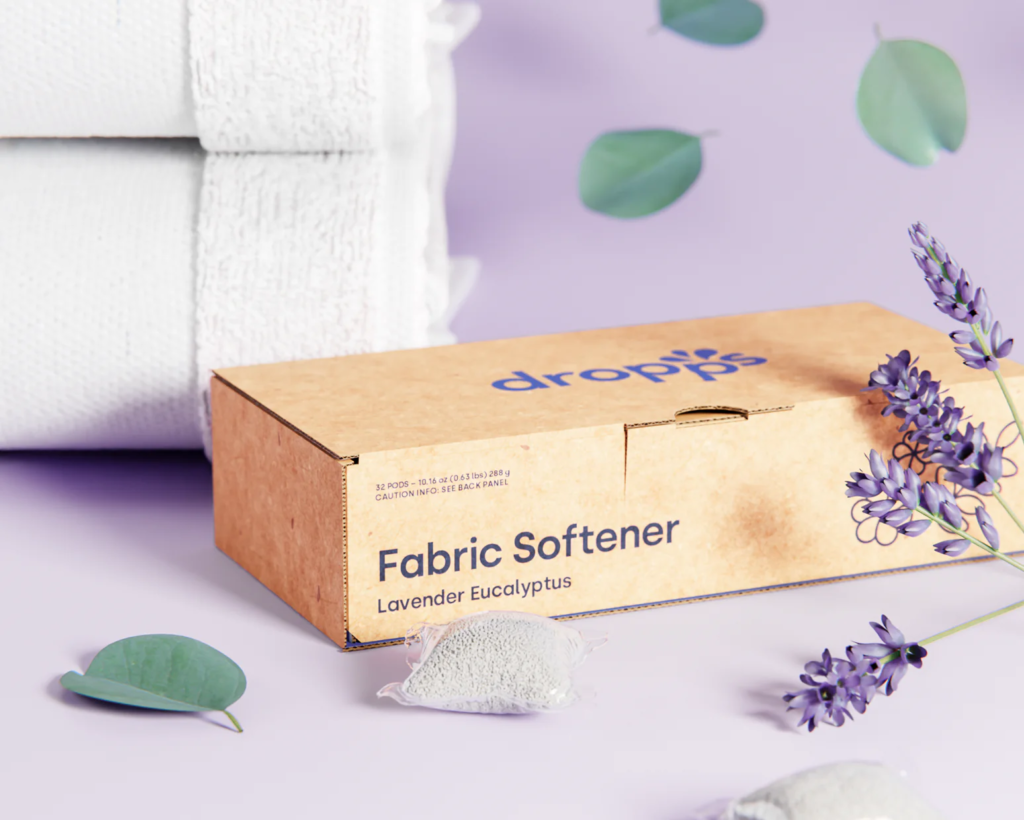
Dropps offers a range of eco-friendly laundry products, including fabric softener pods. These cruelty-free and vegan pods are made from plant-based ingredients that are gentle on clothes and the environment. They are conveniently pre-measured, ensuring ease of use, and come in biodegradable packaging, reducing plastic waste.
Dropps fabric softener pods are suitable for all washing machines and are free from synthetic fragrances and dyes. You can choose from three scents: lavender eucalyptus, clean & crisp, and ocean. Whichever scent you pick, the brand ensures that your laundry comes out soft, with a subtle, refreshing scent, all while minimizing environmental harm.
2. Public Goods Fabric Softener Sheets
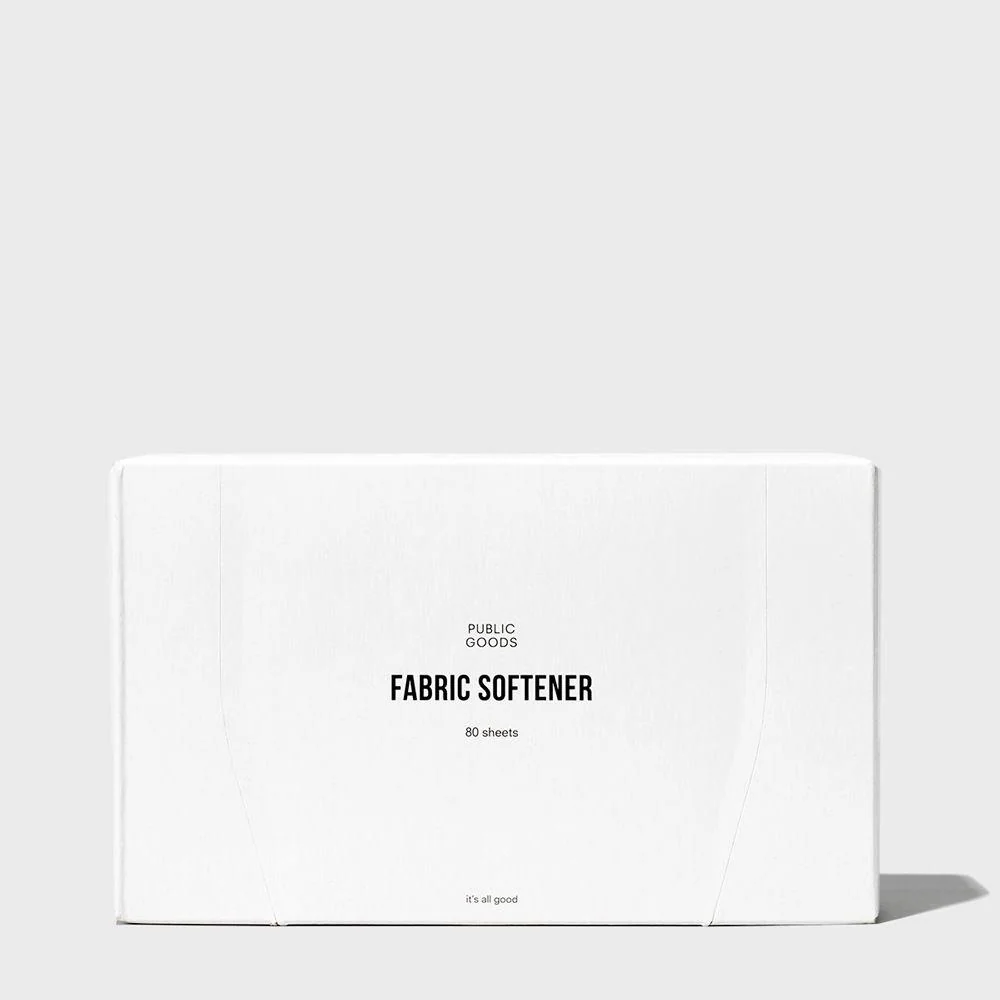
Public Goods fabric softener sheets are made from natural and organic plant-based ingredients, making them a sustainable choice for eco-conscious consumers. These sheets are designed to reduce static cling and leave clothes feeling soft and smelling fresh. They come in compostable packaging, minimizing environmental impact.
Public Goods fabric softener sheets are also free from toxic chemicals and synthetic fragrances, making them suitable for sensitive skin. They are also gluten- and phosphate-free, further enhancing their suitability for various skin types. Regarding disposal, these non-toxic fabric softener sheets pose no environmental concerns, as they are compostable and biodegradable, aligning with eco-friendly practices.
3. Ecover Fabric Softener
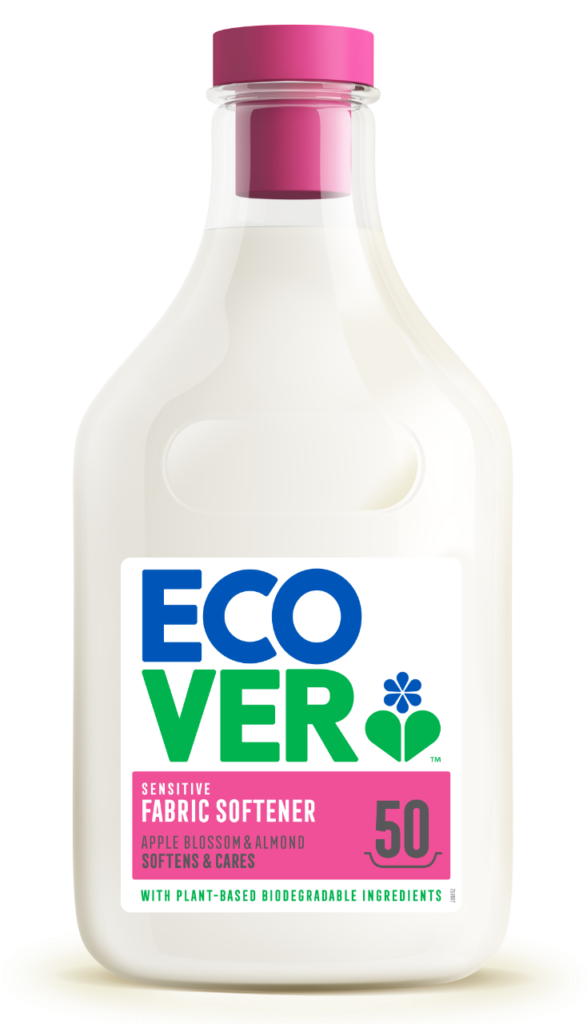
With its roots firmly planted in sustainability, Ecover offers some of the best non-toxic fabric softeners that are plant-based and environmentally friendly. The brand’s biodegradable fabric softeners are made with natural ingredients, including essential oils, for a subtle fragrance. The Ecover Sensitive Fabric Softener line boasts gentle fragrances like apple blossom & almond, gardenia & vanilla, and rose & bergamot. Alternatively, the Ecover Zero Sensitive Fabric Softener is an ideal choice for a fragrance and color-free formula.
All Ecover fabric softeners are suitable for all fabric types and are designed to leave clothes feeling soft and comfortable. They are also housed in bottles made from 100% post-consumer recycled plastic. Additionally, Ecover offers refills for its fabric softeners through its refill stations. This commitment to a circular economy approach tackles the ingredient toxicity found in many traditional softeners and the pervasive issue of plastic waste.
4. Method Fabric Softener

Method is known for its focus on design-conscious and environmentally friendly cleaning products. As such, the brand’s fabric softener aligns with its ethos.
Method fabric softener is a plant-based alternative to traditional fabric softeners. It is made with naturally derived ingredients and essential oils for a fresh scent. It is also cruelty-free, biodegradable, and comes in recyclable packaging, making it a sustainable choice for eco-conscious consumers. Moreover, this fabric softener is free from toxic chemicals and synthetic fragrances, making it suitable for sensitive skin.
Take your pick between beach sage and ginger mango scents, and feel the essence of a tropical escape in every load of laundry and within the confines of your laundry room.
5. Seventh Generation Fabric Softener
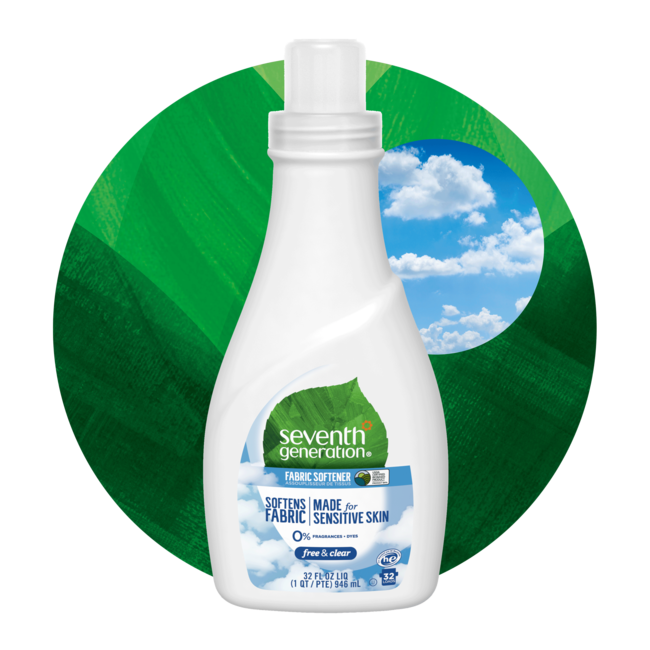
Seventh Generation is a brand synonymous with green household products. Its popular eco-friendly fabric softener is a USDA certified biobased product that uses botanical extracts and essential oils to achieve softness and impart a pleasant scent to clothes.
Seventh Generation fabric softener is free from synthetic fragrances, dyes, and brighteners. Hence, it is EPA Safer Choice certified, ensuring its safety for sensitive skin and reducing environmental toxins. It also comes in recyclable packaging, emphasizing the brand’s holistic approach to sustainability.
6. Molly’s Suds Wool Dryer Balls
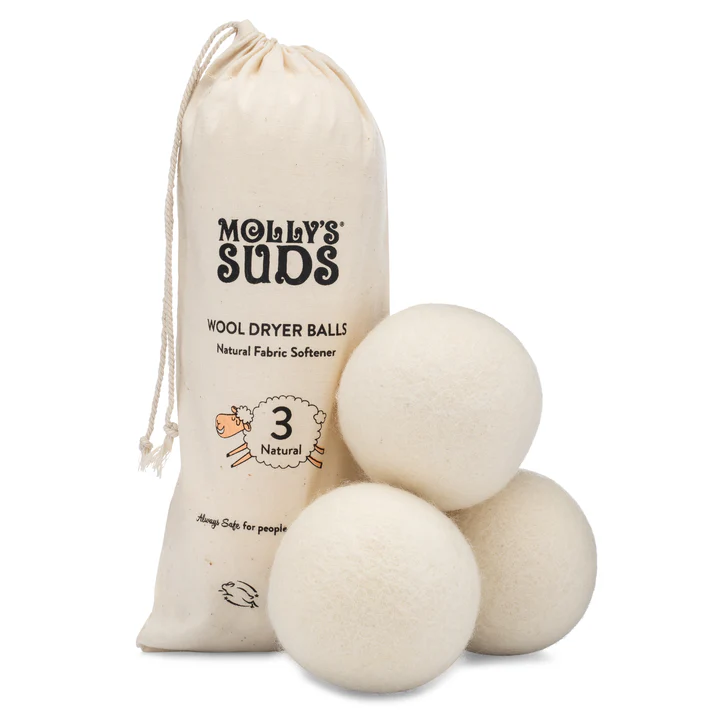
Molly’s Suds offers wool dryer balls made from 100% premium New Zealand wool. These dryer balls are a popular eco-friendly alternative to conventional fabric softeners as they are handcrafted and designed to last for hundreds of loads while also boasting antimicrobial properties for added hygiene. They naturally make clothes soft while reducing drying time and static cling, resulting in energy and cost savings.
Molly’s Suds wool dryer balls are free from synthetic materials and chemicals, making them a safe and eco-friendly option for your laundry routine. You can use these natural fabric softeners with a few drops of your favorite essential oil to add a subtle fragrance to your laundry. Once dirty, wash them in a mesh laundry bag or pillowcase on a warm, delicate cycle. Once thoroughly dry, they’re ready to resume their duties in the dryer, ensuring a seamless and sustainable laundry experience.
7. ATTITUDE Fabric Softener
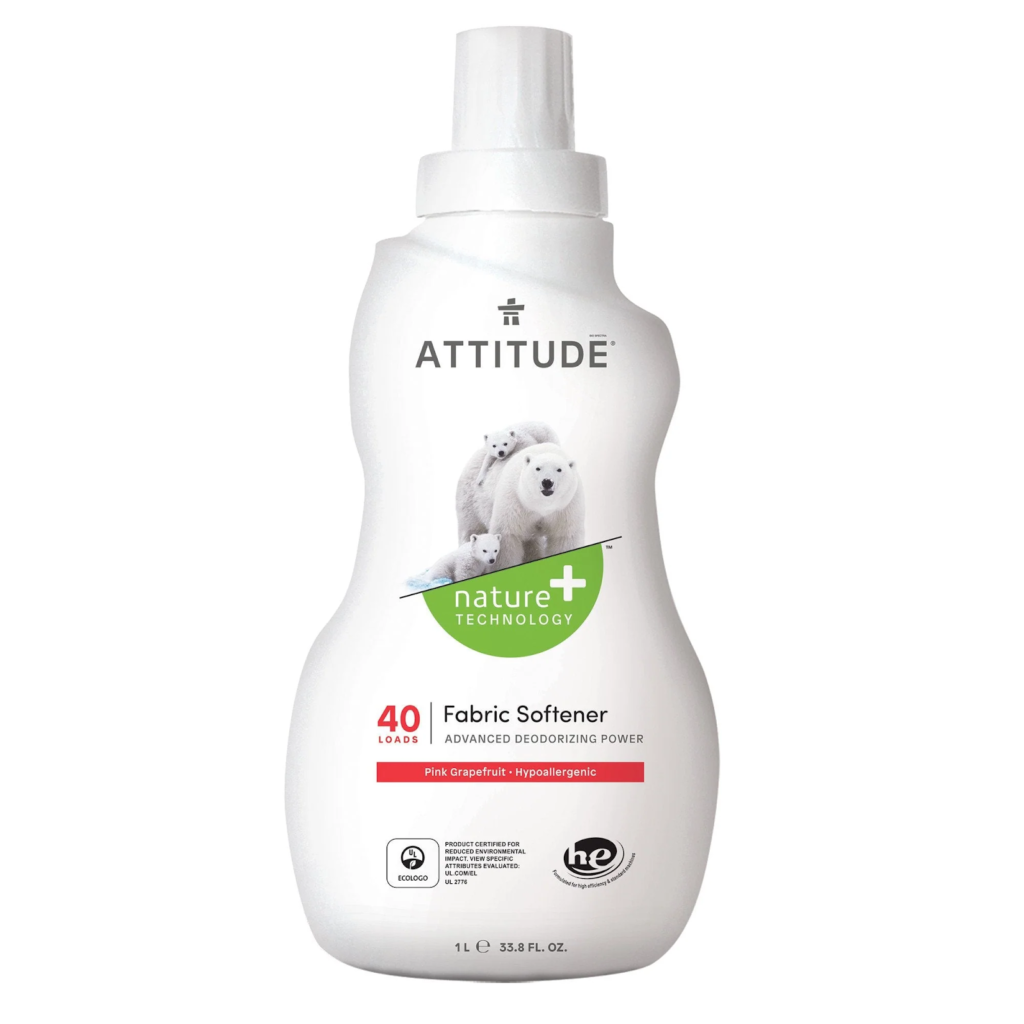
ATTITUDE fabric softener presents a compelling eco-friendly and vegan alternative to conventional counterparts. Formulated with 98% naturally derived ingredients, this fabric conditioner embraces sustainability without compromising efficacy. Infused with essential oils, it exudes a delicate, refreshing fragrance that enhances the laundry experience and leaves your clothes feeling soft.
Beyond its eco-conscious composition, ATTITUDE Fabric Softener prioritizes safety and comfort for your family. Biodegradable and hypoallergenic, it ensures garments feel luxuriously soft without concerns of skin sensitivities. Moreover, packaged in recyclable materials, it aligns with efforts to minimize environmental impact, offering a comprehensive solution for conscientious consumers.
8. Biokleen Dryer Sheets

Biokleen dryer sheets are an eco-conscious solution for softer, fresher laundry. Infused with an invigorating essence, these single-use dryer sheets impart a delightful fragrance and effectively reduce the inconvenience of static cling, minimizing bumps and snags on garments.
Biokleen uses natural, plant-based solutions in its dryer sheets, showing its commitment to environmental stewardship. With biodegradable ingredients and a pledge to never test on animals, these fabric softener dryer sheets embody sustainability from production to application. Manufactured in the USA with a combination of US and imported parts, Biokleen Dryer Sheets ensure quality and integrity.
Free of toxic chemicals like phosphates, chlorine, ammonia, petroleum solvents, brighteners, artificial colors, and artificial fragrances, Biokleen dryer sheets offer a safe and gentle alternative for your laundry routine.
9. Eco Nuts Deseeded Soap Nuts
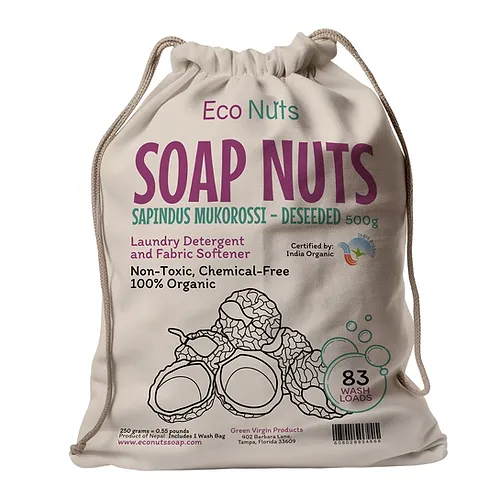
Taking a unique approach to fabric softening, Eco Nuts utilizes organic soap nuts—a natural berry shell that releases saponin, a biodegradable soap, in water—providing a potent and eco-friendly alternative to traditional laundry detergents and fabric softeners. By harnessing the natural cleaning power of saponin, Eco Nuts Deseeded Soap Nuts effectively lift grease, dirt, and grime from your clothes without the use of harmful chemicals.
These ancient, natural solutions condition fabrics effectively and support biodiversity and minimizes chemical runoff, offering an innovative alternative to conventional softeners. Additionally, their hypoallergenic properties ensure gentle care for even the most sensitive skin types, prioritizing both environmental and personal well-being.
Why Switch to Eco-Friendly Fabric Softeners
After exploring a range of the market’s most eco-friendly fabric softeners, you may question whether transitioning to these sustainable laundry solutions holds merit. The resounding answer is “yes!” Embracing these green alternatives can have far-reaching benefits to you and the planet.
Minimize Chemical Exposure for Healthier Living
One of the most immediate benefits of using eco-friendly fabric softeners is the significant reduction in chemical exposure. Traditional fabric softeners are notorious for their concoction of chemicals, such as synthetic fragrances and preservatives, which are known to irritate the skin and potentially exacerbate allergies. In contrast, eco-friendly fabric softeners boast formulations rich in natural ingredients, making them inherently kinder to your skin and overall health, offering peace of mind with every wash.
Champion Environmental Protection with Every Load
Opting for biodegradable and plant-based fabric softeners contributes to the preservation of our ecosystems. Traditional laundry softeners often contain ingredients that, when washed away into waterways, threaten aquatic life and contribute to pollution. Eco-friendly alternatives are designed to break down harmlessly in the environment, ensuring your laundry routine doesn’t come at the cost of the planet’s well-being. Making the switch means you’re playing an active role in decreasing the release of harmful chemicals, thus fostering a healthier environment.
Tackle Plastic Pollution with Sustainable Packaging
An often overlooked aspect of traditional fabric softeners is their packaging. Conventional softeners often come in plastic bottles and containers that add to the growing plastic pollution problem by contributing to landfill waste and ocean debris. The best eco-friendly fabric softeners, however, are frequently packaged in sustainable, recyclable, or even compostable materials, directly addressing and mitigating the issue of plastic waste. By choosing these greener options, you’re ensuring soft clothes and supporting efforts to reduce global plastic consumption.
Support Ethical and Sustainable Practices
Many brands offering eco-friendly fabric softeners are not just focused on the end product but also dedicated to ethical labor practices and sustainable resource use throughout their production processes. Supporting these companies means aligning with broader social and environmental goals. It’s a way to back businesses that prioritize the welfare of their workers, sourcing sustainable ingredients, and implementing practices that minimize their carbon footprint.
More Ways to Launder and Care for Clothes Sustainably
Expanding on the topic of sustainable laundry practices goes beyond your choice and use of fabric softeners. It also encompasses broader environmental concerns surrounding the entire laundering process. While fabric softeners indeed pose environmental risks, the act of laundering clothes is a significant contributor to environmental issues, particularly microplastic pollution.
As textiles are manufactured, worn, and eventually discarded, they shed microfibers. However, it’s during the washing process that these textiles release a substantial quantity of microfibers—potentially millions from a single wash load. These microfibers then find their way from washing machines into our wastewater systems and, subsequently, into bodies of water such as rivers, lakes, and bays. This threatens aquatic life, which may ingest these particles, and human health as these microfibers can enter our food chain.
Understanding the gravity of this issue emphasizes the importance of rethinking and adopting sustainable practices in all aspects of garment care. Here are some strategic approaches to make your laundry practices more sustainable.
- Choose Natural Fiber Clothing: Whenever possible, select garments made from natural fibers like cotton, linen, and wool. These materials tend to shed fewer microfibers compared to synthetic alternatives such as polyester and nylon. Making this shift not only reduces microfiber pollution but also supports a more biodegradable and sustainable textile industry.
- Invest in a High-Efficiency Washing Machine: High-efficiency washing machines are designed to use less water and energy, reducing environmental impact.
- Use Cold Water: Washing clothes in cold water saves energy and helps prevent the release of microfibers.
- Choose Eco-Friendly Detergents: Opt for biodegradable detergents, free from harmful chemicals, to minimize environmental harm.
- Use Microfiber-Catching Devices: Products like the Guppyfriend washing bag or the Cora Ball are specially designed to capture microfibers released during washing, preventing them from entering the wastewater stream.
- Wash Full Loads: Maximize the efficiency of each laundry cycle by washing full loads whenever possible, reducing water and energy consumption per garment washed.
- Air-Dry Clothes When Possible: Foregoing the dryer in favor of air-drying clothes naturally conserves energy and reduces carbon emissions. Additionally, it’s gentler on fabrics, potentially extending the longevity of your garments.
Conclusion
Switching to eco-friendly fabric softeners is a simple yet impactful way to reduce your environmental footprint and protect your skin from harmful chemicals. By opting for plant-based ingredients, biodegradable packaging, and reusable alternatives like wool dryer balls, you can keep your clothes clean, soft, and smelling great while contributing to a healthier planet. Choose one of the nine eco-friendly fabric softeners mentioned in this article to make your laundry routine more sustainable today.
Frequently Asked Questions
Absolutely! You can make your own fabric softener by mixing white vinegar with water and a few drops of essential oils. These simple ingredients create a simple, effective, eco-friendly homemade fabric softener that will save you hundreds of dollars in the long run.
Yes, many eco-friendly fabric softeners are as effective at softening clothes and reducing static cling as many conventional fabric softeners. They are formulated with plant-based ingredients that are gentle on fabrics and the environment.
Generally, yes. Whether you have a standard or a high-efficiency machine, there are eco-friendly softeners designed to be compatible. Always check the product instructions to be sure.
Absolutely. Eco-friendly fabric softeners are often free from harsh chemicals and synthetic fragrances, making them suitable for people with sensitive skin. However, it’s always a good idea to check the ingredients list for any potential allergens.
While the initial cost of eco-friendly fabric softeners may be slightly higher, they often provide better value in the long run. Many eco-friendly options are concentrated or come in reusable forms, reducing the need for frequent purchases. Additionally, the environmental and health benefits outweigh the slightly higher upfront cost.
Wool dryer balls work by bouncing around in the dryer, naturally softening clothes and reducing static cling. They can also help to shorten drying times, saving energy and money in the long run.
Yes, wool dryer balls are safe to use with all types of fabric, including delicate items like silk and wool. They are gentle on clothes and won’t cause any damage or pilling.