Most people with a uterus experience menstruation or period each month. It is defined by vaginal bleeding and may come with symptoms like cramps, fatigue, bloating, acne breakouts, and irritability.
As if bleeding monthly isn’t bad enough, menstruators are also often exposed to toxic chemicals from the menstrual products they use. Worse, many of those products also cause harm to ecosystems due to their disposable and non-recyclable nature.
Fortunately, several alternatives are now available that make periods safer and more sustainable.
We’re going to explore those options to convince you that it’s time to switch and help you identify which ones are right for you.
The Problem with Conventional Menstrual Products
Menstrual products are some of the most essential items for menstruators. They allow for the effective absorption or collection of blood, ensuring safety and good hygiene throughout menstrual cycles.
The industry offers various options for menstruators to properly manage their periods. From sanitary pads and tampons to sponges and pantyliners, there is a period product to meet every need.
While there’s no denying that the range is excellent, many manufacturers seem to shrug off the health effects of their products.
Between 2020 and 2022, Mamavation, in partnership with Environmental Health News, conducted laboratory analyses of 46 brands of sanitary pads, panty liners, and incontinence pads. Their findings show that 22 of the tested products (48%) have Per- and Polyfluorinated Substances (PFAS) or “Forever” chemicals.”
What’s even more alarming is that 13 of those products come with claims like “no harmful chemicals,” “non-toxic,” “organic,” “natural,” or “sustainable.”
For years, PFAS have been used on many consumer products to increase their resistance to water, heat, stains, oil, and grease. Unfortunately, exposure to these chemicals has been linked to various health issues, including:
- Decreased fertility
- Increased risk of hypertension and preeclampsia among pregnant women
- Higher risks of some cancers, including kidney, prostate, and testicular cancers.
- Increased cholesterol levels
- Developmental effects or delays in children
- Hormonal imbalance
- Reduced immune system response to fight infections and vaccines

Image Source: https://www.eea.europa.eu/signals-archived/signals-2020/infographics/effects-of-pfas-on-human-health/view
Forever chemicals aren’t the only things you need to worry about conventional menstrual products. Their environmental impact throughout their lifecycle is a cause for concern, too.
Disposable menstrual products contain as much as 90% plastic, including their wings, adhesives, wrappers, and some internal parts. After use, these products are either flushed down the toilet or disposed of as solid wastes.
As plastics do not truly biodegrade, they could end up in water systems as microplastics that impact living organisms. They also wind up in landfills, where they can take up to 800 years to break down.
Recycling is also often out of the picture for these products, even those marketed as recyclable. The blood they have soaked up makes them unacceptable in most recycling facilities. The lack of clear waste management regulations and practices also complicates their disposal.
Production of menstrual products also poses significant environmental effects. Manufacturing their plastic components demands significant electricity and water. The wood pulp used to make them absorbent also contributes to soil depletion and deforestation. Of course, transporting them from factories to consumers often requires fossil fuels, adding to the carbon emissions in the atmosphere.
Ditch Toxic Menstrual Products with These Sustainable Alternatives
If you’re a menstruator yourself, know that you don’t have to settle for the often unhealthy menstrual products offered by big-name brands. There are menstrual products out there that are safer for you and the environment. We’ve listed those sustainable options below:
Menstrual Cups
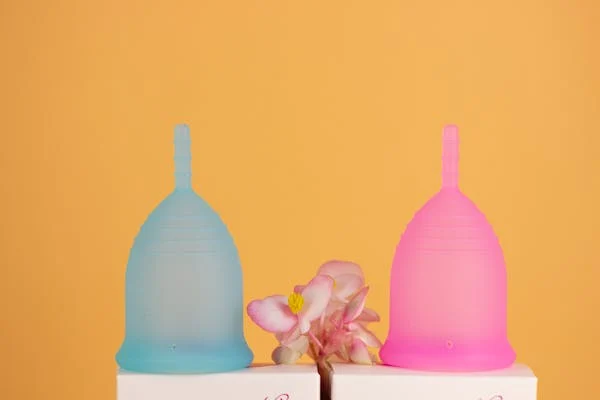
Ever noticed those bell-shaped, rubbery cups in the menstrual care aisle of your local grocery? If you haven’t used one yet, you’re likely curious about what they are.
Those are menstrual cups, and they’re made from medical-grade silicone or rubber. Like tampons, these devices need to be placed internally to collect menstrual blood. But, they’re a safer option because they can be worn for up to 12 hours without putting you at risk of toxic shock syndrome (TSS).
A single cup is said to last up to 10 years and can cost as little as $20. That means aside from helping curb plastic and paper waste, it can save you money in the long run.
Care Requirements
To ensure safety and hygiene when using a menstrual cup, avoid inserting it too deeply into your vaginal canal. Instead, position it a bit lower and more angled to avoid putting pressure on your urethra. This positioning also makes it easier to remove the cup. Once you get the hang of inserting and removing the product, you’ll barely notice you’re wearing one.
Don’t forget to regularly wash your menstrual cup with water and mild soap after use. It should also be sterilized with boiling water or a sterilizing solution specific to the product between your cycles.
Reusable Cloth Pads
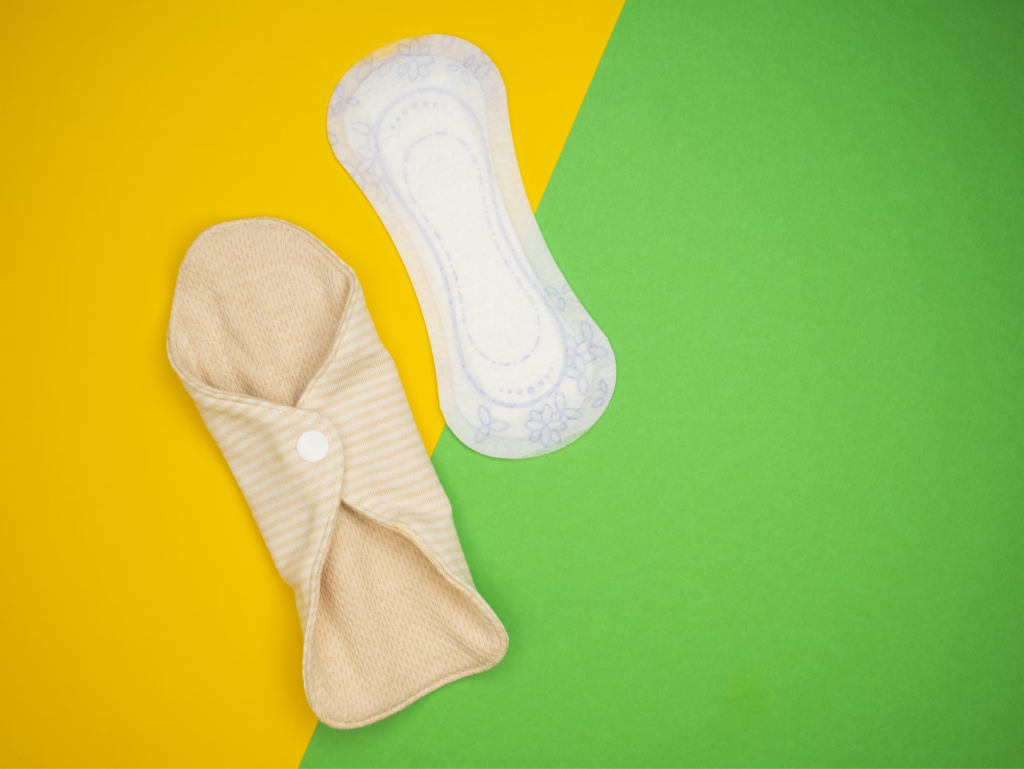
Sanitary pads are the go-to for many menstruators because they’re cheaper than tampons. But as you already know, they add to environmental waste. They can also leave unwanted stuff behind, like adhesives on your underwear or rashes on your skin. You can avoid all that by using reusable cloth pads.
These sustainable menstrual products fare really well against their modern, plastic counterparts in so many ways. Usually made from fabrics like cotton or bamboo and without harsh chemicals, these pads are soft to the skin, breathable, and absorbent, reducing your risk of rashes or irritation. They also come in different thicknesses and sizes, making them suitable for different flow levels.
What we especially love about reusable cloth pads is that they mimic the look of single-use sanitary pads minus the environmental impact. Instead of using adhesives, they use snaps to stay in place. They’re also washable, reusable, and long-wearing, keeping them off from landfills for years.
Care Requirements
Reusable cloth pads must be washed after every use to prevent staining. You can run them through a regular wash cycle using a mild detergent–preferably a sustainable option to one-up your green laundry practices.
To maintain the absorbency of your cloth pads, don’t use fabric softeners on them. It’s also better to line or air dry them to prolong their lifespan.
Organic Cotton Pads and Tampons
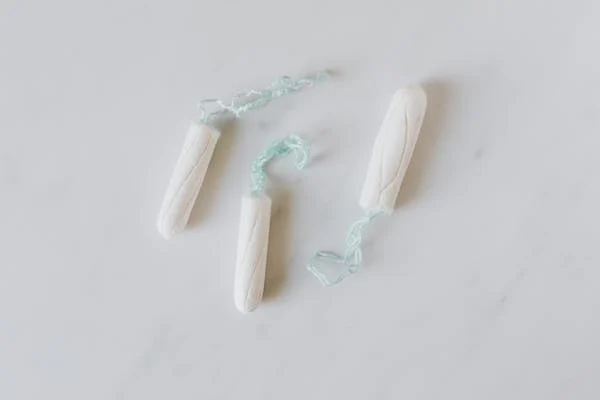
If you can’t part ways with your tampons but want a greener option, we highly recommend organic cotton pads or tampons.
Unlike their single-use counterparts, these menstrual products are made from 100% organic cotton. They’re free from plastics, synthetic materials, and harmful chemicals like chlorine, dyes, and fragrances. Meaning, they’re gentler on your sensitive skin down there.
Organic cotton pads and tampons are also biodegradable. Their main material being organic cotton breaks down naturally over time. So, disposing of them shouldn’t be difficult and won’t make you feel guilty about adding to environmental waste.
A growing number of independent brands offer organic cotton pads, tampons, and other sustainable menstrual care products. So it shouldn’t be difficult to purchase them when the need arises. Tampon Tribe is a great brand you should consider checking out.
The California-based business is run by a team of diverse women who know exactly what menstruators go through monthly. Based on their not-so-great experiences with run-on-of-the-mill menstrual hygiene products and shared dislike for single-use plastics, the ladies of Tampon Tribe made it their mission to deliver products that protect bodies and the Earth.
The results are affordable, zero-waste menstruation products, including pads, tampons, pantyliners, and period panties made from certified organic cotton as well as reusable cups made from medical-grade TPE–a biocompatible and recyclable material. Each product is free from toxic chemicals, making them safe to use. They can also be mixed and matched to fit different flows and lifestyles.
Care Requirements
You can add your used organic cotton pads or tampons to a compost bin after use or discard them in the trash by wrapping them first in a biodegradable material.
You might be tempted to flush them down the toilet, but avoid that at all costs. Sure, they’re biodegradable, but they are still solid waste that can block sewage systems.
Period Panties
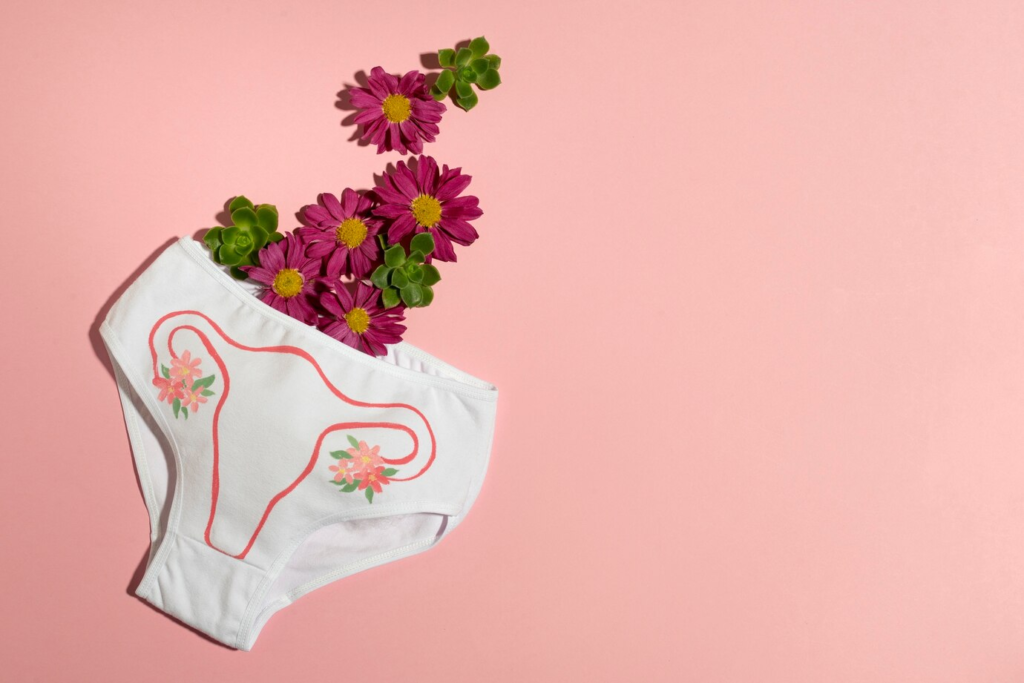
Many menstruators are not convinced about period underwear, also called period panties, and that’s understandable. No one wants to sit or move around while on their period without anything to catch their menstrual fluid.
The truth is period panties are made of highly absorbent materials, so you don’t have to worry about leaks or bleeding through your pants or skirt. They can be worn alone, especially if you have a lighter flow or as an added protection with other menstrual products.
The best thing about period panties is the sense of normalcy they give during that time of the month. You don’t need to stick anything into your vagina or change pads throughout the day. They can also last for up to 2 years with proper care.
Care Requirements
Just like how you would normally care for your underwear, period panties require washing after use.
Before running them on a wash cycle with a mild detergent, rinse them first with cold water to remove excess blood. Do not bleach them or use fabric softeners to maintain their absorbency. Line or air drying is also recommended to retain the integrity of your period panties’ absorbent layers.
Breaking the Misconceptions About Sustainable Menstrual Products
Some of the products we’ve mentioned above are defined by their reusability. For some people, the idea of reusing products that have absorbed blood gives the misconception that sustainable menstrual products are unsanitary. That is far from the truth, though.
As long as you properly care for and routinely clean your menstrual cup, cloth pads, or period panties, they’re just as hygienic as their disposable counterparts.
They’re also not as expensive as others would like to assume. Some sustainable sanitary products like organic reusable cloth pads may have higher upfront cost. But since they’ll prevent you from buying $7-$10 worth of disposable pads or tampons each month, you can save more in the long run.
Depending on how long you’ll menstruate, adding all that amounts to thousands of dollars. That’s a lot of money you could otherwise put into other expenses.
Transitioning to Plastic-Free Menstrual Products
When you’re ready to embrace sustainable options and have better control of your menstrual care, there are some things to consider to pick the right product for your needs.
- Flow Level. How heavy does your flow go? Asking this will help you determine the right level of absorbency you need from your menstrual product.
- Comfort. Consider factors like size, material, and flexibility. These things are important in ensuring you remain comfortable during your cycles.
- Sustainability. Opt for products made from eco-friendly materials and whose manufacturing and disposal do not impact the environment significantly.
- Reviews. Feedback from fellow menstruators can help you gain insights into the performance and reliability of different menstrual products.
- Trial and Error. Don’t be afraid to experiment with different products. It usually takes some trial and error to find the best one for your needs.
Closing Thoughts
There’s no doubt that sustainable menstrual products are the best items you can get to manage your period.
Sure, some of them take a bit of a learning curve to use, like menstrual cups. Others, like reusable menstrual cloth and period panties, may even leave you skeptical at first because of their ability to absorb menstrual blood. But it’s already been proven by many other menstruators that they work, and they’re more cost-effective than their disposable counterparts.
What’s more, they put less strain to the environment because some of them don’t contain plastics that don’t biodegrade. While others may come with synthetic materials, their reusability, and longwear potential offset their environmental impact.
With the sustainable options we’ve listed above, you can menstruate with confidence, knowing that you will no longer be exposed to harmful chemicals. You can also have the peace of mind that your choice will bring you comfort and convenience during your period while making a positive impact on the environment.