
From rapidly warming temperatures and extreme weather events to biodiversity loss and outbreaks of new diseases, we’re experiencing more of climate change’s existential threats.
What’s even more frightening is that experts agree we’ve already entered uncharted territory. More extreme climatic conditions are expected to happen and bring with them distressing scenes of suffering–a situation that’s never been seen throughout human history.
According to UN Secretary-General António Guterres in his speech during the Security Council in 2021:
“If we continue on our current path, we will face the collapse of everything that gives us our security. The poorest—those with the least security—are certain to suffer. Our duty right now is surely to do all we can to help those in the most immediate danger.”
While we have reached a point where it’s impossible to return the climate to pre-industrial levels, there are actions we can take to increase resilience, reduce vulnerability, and sustain whatever environmental quality we have. Green technologies are one of them.
In this post, we’ll introduce you to 8 of the most powerful green technology innovations that have become contemporary responses to addressing climate change challenges. Some of them have already been implemented across countries and companies and are being adopted by many more at all levels of sophistication. Others are upcoming but are noted for their potential to impact the environment positively.
Understanding What Green Technology Means
Before we proceed to the list, allow us to give you an idea of what green technology means and why it’s necessary.
Green technology–also called clean or sustainable technology–combines various materials, designs, and techniques to create solutions that foster sustainable development, conserve natural resources, and minimize environmental damage.
Green technology gives emphasis on the following:
- Use of renewable energy sources to reduce, if not eliminate, fossil fuel dependence.
- Waste reduction through deployment of waste-to-energy technologies, reuse of materials, and deployment of recycling processes and practices.
- Pollution reduction and water conservation by developing air and water purification systems, emissions control technologies, and wastewater treatment and recycling facilities.
- Sustainable agricultural methods and practices to reduce the use of toxic chemicals, conserve water, and improve soil health.
- Green building design and construction, which uses land and other resources efficiently and minimizes effects on human health.
- Minimize the environmental impact of the transportation industry through sustainable transportation systems, including the use of electric and hydrogen fuel cell vehicles, bike-sharing programs, and efficient public transportation systems.
- Design climate-adapted cities to protect populations against floods, storms, heavy rainfall, heatwaves, and rising sea levels.
- Develop and use consumer products whose entire lifecycle has minimal impact on the environment.
Considering the state of our environment, green technology is necessary to ensure environmental sustainability, economic efficiency, and social well-being. With it, we can reduce greenhouse gas emissions, which are the main drivers of climate change.
We can also find more efficient ways to use natural resources, reduce pollution, protect biodiversity and public health, and ensure energy security.
Our Top 8 Picks of Green Technology Innovations and Initiatives
It’s good to know that many green technologies are being used, developed, and scaled up to combat climate impact. In fact, the World Intellectual Property Organization (WIPO) stated in its 2023 Green Technology Book: Solutions for Climate Change Mitigation that 80 percent of the technologies necessary to reach the 2030 climate goals are already available, and many more are being developed.
We’ve outlined some of the most promising ones below.
1. Carbon Capture, Utilization and Storage (CCUS)

Trees and other plants are great at capturing carbon dioxide from the atmosphere and using them for photosynthesis. Unfortunately, there are not enough of them to handle the job due to rapid deforestation. We’re also not planting fast enough to replenish the forests we have lost.
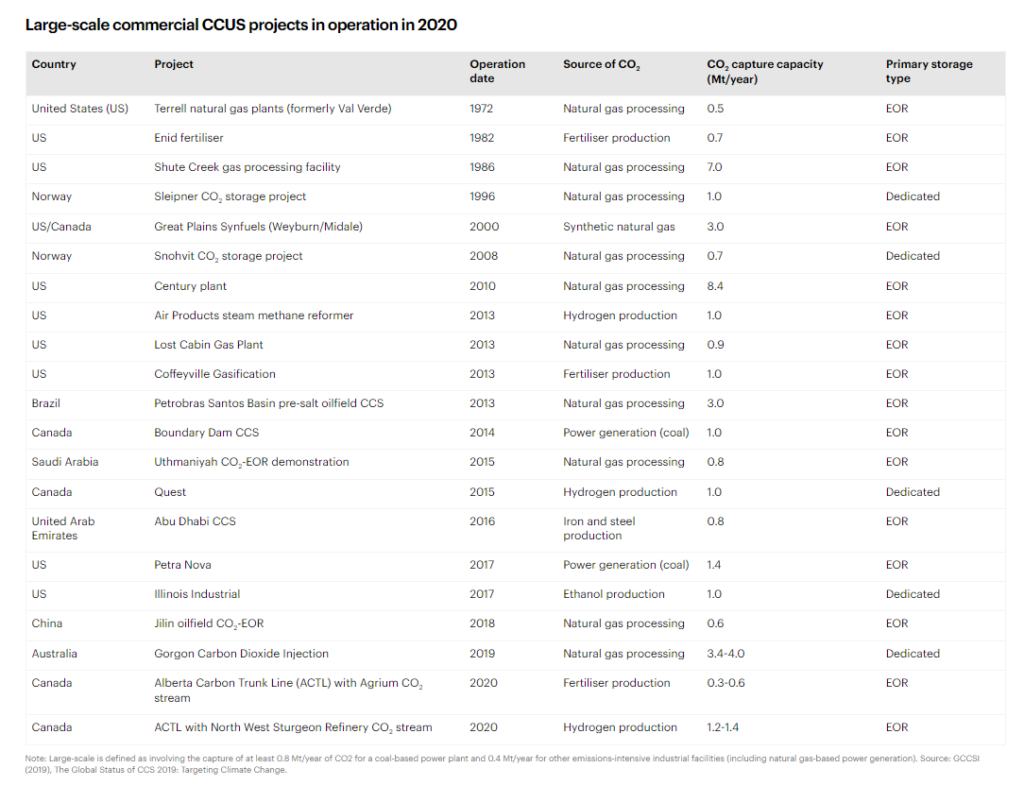
Carbon capture, utilization and storage (CCUS) technology is one of the best solutions to plug this gap. The idea is to capture carbon dioxide emissions from industrial facilities and either reuse or store them for later use. Various products can be derived from recaptured carbon, including concrete and carbon fiber.
CCUS technology has been around for decades, with the earliest models used for enhancing oil recovery. As of 2020, there are 21 large-scale CCUS facilities worldwide. Their combined annual capture capacity is 40 MtCO2. Some of these facilities have been around since the 1970s.
2. Green Cities

Image Source
Cities are the biggest carbon dioxide emitters. They contribute 70% of the world’s greenhouse gas emissions, most of which come from motorized transport systems and industrial facilities. Clearly, massive decarbonization to stay below the 1.5° C threshold should start in cities. This is a critical step, as population densities in many cities, particularly in developing countries, are expected to explode over the coming years.
Thankfully, various programs and initiatives are being implemented by governments worldwide to reduce urban sprawl and GHG emissions. These include a combination of man-made and nature-based solutions for urban cooling, waste management, traffic congestion management, municipal service management optimization, increased environmental awareness, sustainable energy consumption, and efficient transportation.
There are multiple green cities worldwide to take inspiration from, including Copengagen, Reykjavik, and Stockholm, to name a few. We have covered more of them here, so be sure to check them out.
3. Green Architecture/Building

Although buildings offer countless social and economic benefits, they also have a significant environmental impact throughout their lifecycle.
Carbon emissions related to building operations, also called ‘operational carbon,’ represent 37% of energy-related emissions in 2020. Meanwhile, the production of building construction materials accounted for 3.2 gigatons of carbon dioxide released into the atmosphere. For the actual construction and demolition of buildings, the US Environmental Protection Agency (EPA) estimated that they produce around 160 million tons of debris each year, a total of 26% of non-industrial waste generation in the USA.
Green architecture or buildings is one of the solutions that the building sector has developed to tackle the carbon emissions and resource use of buildings throughout their lifecycle. This approach to building design focuses on using sustainable materials, reducing waste, and creating energy-efficient and healthy spaces for occupants.
It integrates high-performance windows, extra insulation, onsite generation of renewable energy, rainwater collectors, and other sustainable additions to built environments, reducing their impact.
Some of our favorite samples of truly green buildings include:
- Bosco Verticale in Milan Italy
- ACROS Fukuoka Prefectural International Hall in Fukuoka, Japan
- The Edge in Amsterdam, Netherlands
- PARKROYAL Collection Pickering in Singapore
- Apple Park in Cupertino, California
- Marco Polo Tower in Hamburg, Germany
4. Electric Vehicles

Since the 1990s, the transportation sector has been the biggest contributor to greenhouse gas emissions, accounting for 28 percent of total GHG emissions. These emissions are evaluated based on three categories: tailpipe, well-to-wheel, and cradle-to-grave.
All-electric vehicles, hybrid electric vehicles (HEVs), and plug-in hybrid electric vehicles (PHEVs) are seen as the best solution to reduce the carbon footprint of conventional transportation systems and mitigate the effects of climate change. As they run on electricity, electric vehicles produce less to zero tailpipe emissions compared to their gasoline-powered counterparts.
Although producing the energy the EVs consume can generate emissions, the emissions are significantly lower than those from conventional vehicles. Widespread adoption of EVs and a cleaner electric power sector can further bring those emissions down to a level that would allow us to meet our climate goals.
5. Vertical Farming

With the world population expected to grow to 9.8 billion by 2050, the need to find sustainable ways to grow food and ensure food security is more urgent than ever. The good news is achieving that goal is no longer impossible, thanks to farming innovations that help improve yields without converting natural habitats into agricultural lands.
Vertical farming is one of those innovations. By stacking crops in layers and growing them in controlled environments, food can be grown indoors on multiple floors within buildings and closer to their consumers. This approach to farming reduces carbon footprint and transportation costs while optimizing crop quality and yields without requiring more arable land.
Hydroponics is one form of vertical farming that guarantees a steady flow of food crops without soil. It allows for growing plants using water with small amounts of artificial nutrients, making it suitable for small spaces like apartments and other urban dwellings.
6. Renewable Energy Sources

Each year, global energy use increases, driving the need for more fossil fuels. To reduce our dependence on these energy sources, a growing number of businesses are engineering cleaner alternatives from inexhaustible sources that don’t release carbon emissions into the atmosphere.
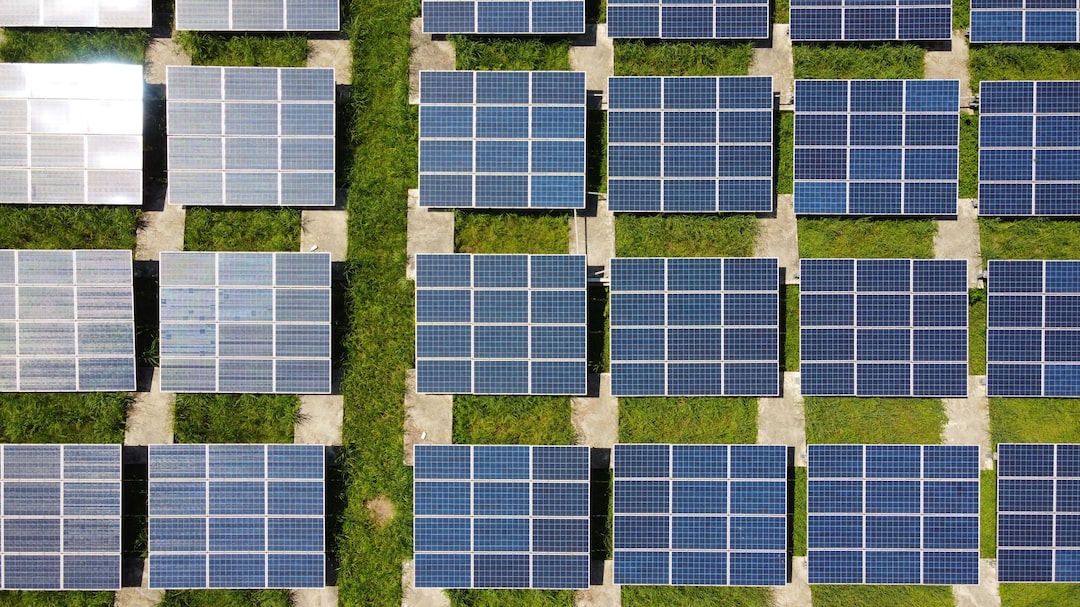
Solar and wind power are two of the most common and inexpensive options. Solar panels, in particular, are now produced on a mass scale, making them accessible to consumers. Geothermal, tidal, hydropower, and biomass are other renewable sources that are proven equally effective in producing energy but are yet to be implemented at scale.
7. Biomimicry
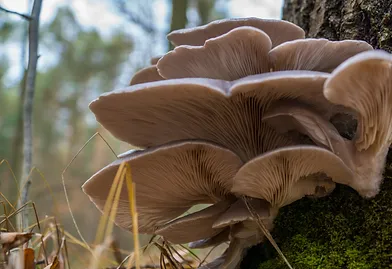
Mimicking nature can be a valuable and powerful means to create sustainable solutions to our growing environmental issues. Biomimicry, as this practice is called, encourages innovators to translate nature’s principles and mechanisms to develop new products and systems. Doing this requires the use of fewer resources while promoting the ability to adapt and evolve.
Some of the most notable examples of biomimicry in the market today include:
- Greenpod Labs‘ use of natural plant extracts to activate the built-in defense mechanisms of different fruits and vegetables. This slows down their ripening rate and minimizes microbial growth, helping extend their shelf life.
- Werewool‘s regenerative fibers whose performance and color are derived from the proteins produced by engineered microbes. This innovation can help eliminate toxic dyes and reduce the need for virgin materials in fiber production while promoting circularity and protecting diversity.
- Novobiom‘s remediation solution for contaminated industrial soils, called ‘mycoremediation.’ This involves selectively breeding fungi with capability to reduce and turn synthetic waste into non-toxic substituents.
8. Plant-Based Packaging

Plastic packaging impacts the environment at every stage of its life cycle. From the extraction and transportation of its building blocks, fossil fuels, to its end of life which often results in landfill disposal or incineration, plastic packaging emits significant amounts of GHGs and causes deforestation and pollution.
Plant-based packaging is a sustainable alternative to plastic packaging. They are made from organic matter and sustainable plant sources such as mushrooms, sugarcane, rice husk, bamboo, and seaweed, making them biodegradable and compostable.
Avantium is a Dutch company that produces polyethylene furoate (PEF), a 100% recyclable and degradable plant-based plastic derived from carbohydrate-rich feedstocks like sugarcane, wheat, beet, and agricultural residues.
Singapore-based Evolooption is another company offering sustainable packaging solutions that are made using a proprietary bio-technology and plant-based bio-polymers. It’s Hydraloop™ bags, which are made from corn starch and sugar pulp fibers, are 100% biodegradable and water-soluble.
Green Technology Challenges
While there’s no denying that green technologies are valuable in our efforts to mitigate the impacts of climate change, conserve resources, and preserve biodiversity, there are still plenty of challenges preventing their wide-scale adoption and implementation.
High initial cost tops the list of these challenges as green technologies often demand significant upfront investment to develop and implement. Combine that with lack of funding, resource and infrastructure constraints, and regulatory hurdles, and we end up with breakthrough technologies and solutions falling through the cracks or not getting to where they are most needed.
Some green technologies also have environmental impacts on other areas, requiring careful assessment before they are deployed to ensure their benefits outweigh their costs.
If these gaps are given enough attention and wider systemic change is done, we can get as many green technologies off the ground as possible and get them to where they should go. That, in turn, can accelerate climate actions around the world.
Final Thoughts
There are many sources of environmental problems today, but so are the technologies available to us to address them. The 8 we outlined above are just some of those green technologies offering promising, long-term solutions and inspiring a broader conversation on their role in achieving our climate targets faster.
With most of the technologies just within our fingertips, the next step is to facilitate their widespread uptake, especially in areas with the least security against the impacts of climate change. Also, using them in conjunction with regulatory, production, and consumption changes, is the only means to ensure we can truly leverage their power to curb climate change and sustain life here on Earth.