

Tea enthusiasts understand the pleasure of a perfectly brewed cup. Hence, organic tea brands are the top choice for those who value quality, flavor, and sustainability. These brands prioritize natural ingredients, ethical sourcing, and environmental responsibility.
In this guide, we’ll delve into the world of teas, offering insights into its intriguing history and the vibrant culture it has created across the globe. Moreover, we’ll explore the top eight brands that provide quality organic tea, meticulously selected to satisfy discerning connoisseurs and environmentally conscious enthusiasts. From soothing herbal blends to robust black teas, these brands offer diverse options for every taste.
Key Takeaways
- The journey of tea from a humble leaf to a beloved global beverage is steeped in history, tradition, and myriad cultural nuances.
- The story of tea begins in ancient China, around 2737 BC.
- As tea spread across continents, it facilitated the exchange of ideas, traditions, and customs, evolving into a robust tea culture worldwide.
- Organic teas prioritize chemical-free cultivation, ensuring a cleaner sip and a healthier planet.
- Fair Trade certification in tea brands guarantees just compensation and conditions for tea farmers.
- The best organic tea brands offer a range of flavors, from classic black and green teas to exotic blends, catering to diverse tastes and preferences.
- Sustainability doesn’t end with organic farming; packaging and sourcing are crucial in these brands’ environmental impact.
- Choosing organic tea brands supports personal health, global ecological balance, and fair labor practices.
Tea Origins And The Tea Culture Around the World
The journey of tea from a humble leaf to a beloved global beverage is steeped in history, tradition, and a myriad of cultural nuances.
The story of tea begins in ancient China, around 2737 BC, when Emperor Shen Nong, a skilled ruler and scientist, accidentally discovered tea. Legend has it that while boiling water in the garden, a leaf from an overhanging wild tea tree drifted into his pot, creating an aromatic infusion. Delighted by the accidental brew, the emperor and his servant had stumbled upon what would become one of the world’s most consumed beverages, second only to water.
As tea spread across continents, it facilitated the exchange of ideas, traditions, and customs, evolving into a robust tea culture worldwide. This drink has become deeply integrated into various societies’ daily lives and rituals, each contributing unique flavors, preparations, and ceremonies to the global tea culture.
China
Birthplace of tea, China honors its legacy through the Gong Fu tea ceremony, highlighting the art of tea making. It’s a country where the types of tea, including green tea, black (red in China) tea, oolong tea, and many others, say much about the region and its traditions. Tea in China is more than a beverage; it’s a medium for artistic expression and mindfulness, deeply rooted in Daoist philosophies emphasizing harmony between humans and nature. The respect for organic farming practices reflects this philosophy, with many Chinese tea gardens adhering to traditional, pesticide-free cultivation methods to produce pure teas and deeply connected to the earth.
Japan
The Japanese tea ceremony, or Chanoyu, is a choreographed ritual of preparing and serving Japanese green tea, or Matcha, accompanied by traditional sweets to balance its bitterness. This ceremony is a spiritual and philosophical experience, embodying the principles of harmony (wa), respect (kei), purity (sei), and tranquility (jaku). Japan’s unique contribution to tea culture extends to its meticulous cultivation of green tea, where shade-grown leaves are carefully processed to create the vibrant, umami-rich Matcha, admired worldwide for its flavor and high antioxidant content.
India
India’s vast tea estates in Assam, Darjeeling, and Nilgiri mountains produce a significant portion of the world’s tea, introducing black tea to the global market. Indian tea culture is renowned for its Chai, a sweet and spicy concoction brewed with black tea, milk, sugar, and a blend of cardamom, cinnamon, and ginger. Chai is a way of life in the country, a symbol of hospitality and community that resonates deeply in Indian homes and bustling streets.
United Kingdom
The British relationship with tea is legendary, epitomized by the afternoon tea tradition. Introduced in the 1660s by King Charles II and his Portuguese wife, Catherine of Braganza, tea became a symbol of elegance and high society in Britain. With its dainty sandwiches, scones, and pastries, the afternoon tea ritual continues to be a cherished British institution, reflecting the unbreakable bond between the British and their beloved cup of tea.
Morocco
Morocco’s tea culture centers around Mint Tea, a refreshing blend of green tea, mint leaves, and a generous amount of sugar. This tea is not just a drink but a symbol of Moroccan hospitality, served to guests three times as per the famous saying, “The first glass is as gentle as life, the second is as strong as love, the third is as bitter as death.” Preparing and serving Mint Tea in Morocco is an art form involving a ceremonial pouring from a height to create a frothy top, signifying the skill and generosity of the host.
With its profound roots in tradition and branches reaching into modern wellness trends, tea maintains its status as a revered beverage on a global scale. In 2022, the world consumed approximately 6.7 billion kilograms of tea, with projections soaring to 7.4 billion kilograms by 2025. This trajectory solidifies tea’s position as the second most consumed beverage worldwide, a testament to its enduring popularity and cultural significance.
The Health Benefits of Tea
Tea’s enduring popularity transcends its cultural significance. Its allure is also bolstered by myriad health benefits, making it a staple in the lives of many.
Studies have shown that regular tea consumption may reduce the risk of heart disease, improve cognitive function, and promote overall well-being.
While scientific evidence remains somewhat inconclusive, there is growing support for the potential cancer-fighting properties of tea, mainly green tea. Laboratory investigations have shown promising results, indicating that green tea may inhibit or impede cancer progression in various cell types, including those found in the colon, liver, breast, prostate, lung, and skin.
Additionally, observational studies have suggested a correlation between tea consumption and reduced risks of bladder, stomach, and pancreatic cancers over the long term. However, further research involving human subjects is warranted to definitively establish tea’s efficacy as a cancer-fighting agent before conclusive recommendations can be made.
The Dark Truth About Commercial Teas
As consumers increasingly prioritize holistic well-being, the demand for teas continues to surge. However, beneath the surface lies a troubling reality threatening the beverage’s reputation as a health elixir: the unsustainable practices rampant in commercial tea cultivation.
Tea plants, susceptible to many pests and diseases, often fall prey to intensive pesticide use as a solution. This reliance on pesticides poses grave concerns, as residues from these chemicals can leach into the tea leaves, compromising their purity and safety. The potential health risks associated with pesticide exposure are manifold, ranging from disruptions in hormonal balance to heightened risks of reproductive disorders and even cancer development.
Furthermore, the indiscriminate use of pesticides wreaks havoc on the surrounding ecosystem, contaminating soil, water sources, and other vegetation. Beyond their intended targets, these toxic chemicals inflict harm upon a multitude of organisms, including beneficial insects, birds, and fish, disrupting delicate ecological balances.
A report by the Centre for Research on Multinational Corporations (SOMO), titled “Sustainability Issues in the Tea Sector,” sheds light on the dismal working conditions endured by tea pickers. These laborers often face abysmally low wages, scant job security, and pervasive discrimination based on ethnicity and gender. Necessities such as protective gear, adequate housing, and access to clean drinking water and food are frequently lacking.
Compounding the issue is the ineffective representation of tea plantation workers by trade unions, exacerbating their vulnerability to exploitation. Many workers, predominantly temporary laborers, find themselves trapped in a cycle of poverty with no avenue for recourse or improvement in their working conditions.
Even as tea production by smallholders burgeons globally, these farmers encounter their own set of challenges. Often grappling with prices for their produce that fall below the cost of production, smallholder tea growers face financial strain and precarious livelihoods.
In light of these grim realities surrounding commercial tea production, consumers are increasingly drawn towards ethically sourced and sustainably produced alternatives. The shift towards supporting organic and fair trade tea brands reflects a growing awareness of the connection between personal well-being, environmental stewardship, and social justice.
Why Organic Tea?
Choosing organic tea goes beyond personal health benefits; it’s a stand for the planet and its inhabitants.
Organic tea farming eschews synthetic pesticides and fertilizers, reducing environmental toxins and promoting biodiversity. This natural balance enhances soil fertility and health, making organic farms more resilient to climate stress.
Moreover, organic certification often goes hand in hand with Fair Trade practices, ensuring fair wages and better working conditions for tea farmers. This holistic approach to tea cultivation and trade improves the quality of the tea you sip and supports a sustainable and equitable global tea industry.
8 Exceptional Organic Tea Brands To Try For Your Next Cuppa
With an appreciation for the numerous health benefits of tea and the importance of opting for organic varieties, let’s explore eight exceptional tea brands renowned for their commitment to quality organic teas. Delve into the world of these esteemed brands to elevate your tea-drinking experience and indulge in the pure goodness of organically sourced ingredients.
1. Numi
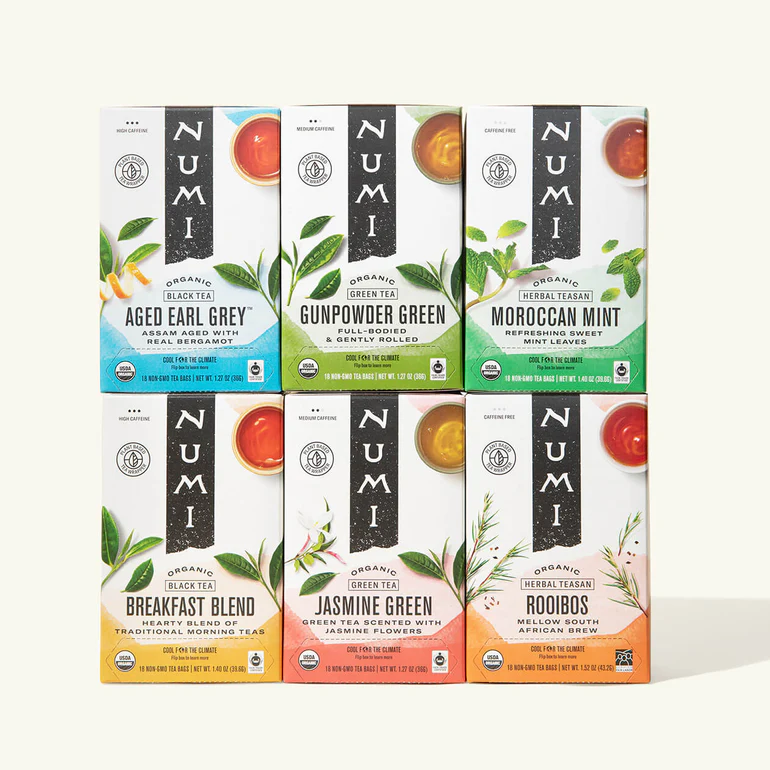
Based in Oakland, California, Numi is a privately owned social enterprise established in 1999 by siblings Ahmed Rahim and Reem Hassani. Inspired by fond childhood memories in Baghdad, Iraq, where they savored steeped dried desert lime, known as “Numi” in Arabic, the brand pays homage to this cherished tradition, hence its name.
Numi takes pride in offering full-leaf quality teas and herbal teasans, blended with only real fruits, flowers, and spices. By refraining from using added oils or flavorings, Numi ensures the purest taste and an extensive range of health benefits. The brand’s commitment to organic certification and Fair Trade practices adds to its appeal, making Numi organic teas a prime choice for those who value taste and ethics.
2. Arbor Teas

Arbor Teas, an organic tea company based in Ann Arbor, Michigan, is a family-owned venture founded by Aubrey and Jeremy Lopatin in 2004. With a steadfast commitment to sustainability, its mission is to source the finest organic teas globally and deliver them to consumers in an eco-friendly manner.
Specializing in loose leaf teas, Arbor Teas champions the organic cause with its comprehensive lineup of green, black, white, oolong, and pu-erh teas, among others. The brand is fiercely committed to sustainability, utilizing compostable packaging and striving for a carbon-neutral delivery process. Beyond being organic, the brand’s teas are deeply flavorful, reflecting its meticulous sourcing and blending processes.
3. Equal Exchange

Equal Exchange is a worker-owned cooperative headquartered in West Bridgewater, Massachusetts. It has been a trailblazer in the fair trade movement since its inception in the late 1980s. The brand’s pioneering efforts have revolutionized the industry by championing fair trade practices and sourcing high-quality ingredients from small farming cooperatives globally. These cooperatives are democratically organized and prioritize resource-sharing and collaborative decision-making among their members, fostering a more equitable and sustainable agricultural landscape.
Equal Exchange’s fair trade teas emphasize the brand’s dedication to social justice and partnerships with small-scale farmers. Focusing on organic cultivation, it ensures that its teas are grown without harmful chemicals, enriching both the earth and the final cup. The brand’s range includes classics like English breakfast and some intriguing herbal blends, catering to a variety of tastes and preferences.
4. Mountain Rose Herbs

Established in 1987 in Eugene, Oregon, Mountain Rose Herbs is an American enterprise engaged in cultivating, processing, distributing, and retailing organic herbs, spices, teas, essential oils, and DIY ingredients. The brand is renowned for its commitment to organic practices, sustainability, and ethical sourcing.
Mountain Rose Herbs offers an extensive selection of organic herbal teas, sourced with an emphasis on sustainable agriculture. Its non-GMO offerings are rich in tradition and therapeutic value, reflecting the brand’s herbalist roots. Beyond offering exceptional teas, Mountain Rose’s commitment to the planet and purity makes its products a staple for those seeking wellness in every sip.
5. Organic India

Organic India, established in 1997 by Bharat Mitra and Bhavani Lev in Lucknow, India, operates as a dynamic social enterprise. Committed to fostering true wellness for all, the brand specializes in producing Halal-certified, organic herbal and Ayurvedic health products.
Specializing in Tulsi (Holy Basil) teas, Organic India brings a unique offering to the tea table. Tulsi, revered in India for its holistic health benefits, forms the backbone of the brand’s tea blends designed to promote well-being.
Organic India is a brand that advocates and exercises ethical practices and regenerative agriculture, effectively supporting small family farmers in India while providing top-tier tea products that support consumers’ health and protect the planet.
6. The Republic of Tea

Established in 1992, The Republic of Tea ignited a Tea Revolution with a bold mission to source the finest leaves from the world’s most esteemed tea gardens. Its vision is to bring these exceptional teas to the cups of individuals worldwide, advocating for a lifestyle characterized by mindfulness and savored moments.
Renowned for its vast selection, The Republic of Tea offers some of the finest organic teas in unique and enticing flavors. The brand’s commitment to high-quality, minimally processed teas, alongside substantial eco-friendly packaging, positions it well in the organic market. Its range includes everything from classic black and green teas to innovative blends, all organically sourced.
7. Davidson’s Organics

Davidson’s Organics is a direct-from-garden destination for premium organic and fair-trade teas, herbs, spices, cocoa, and gifts. As third-generation organic tea growers, the brand’s ethos centers on a profound reverence for nature, an unwavering commitment to superior infusions, and a genuine dedication to innovation.
Davidson’s teas, spices, and herbs originate from small producers or marginalized farmers worldwide. Through direct trade relationships, they forge connections with communities across the globe, spanning from Guatemala to Australia and numerous states within the USA.
Davidson’s Organics excels in providing a vast range of USDA Certified Organic teas. Its dedication to organic farming and Fair Trade practices ensures that each cup represents the highest standards of quality and ethics. With a rich palette of flavors, Davidson’s caters to every taste preference, with the reliability of sustainably sourced ingredients.
8. Rishi Tea

Since 1997, Rishi Tea has been at the forefront of the direct trade sourcing of premium organic teas and botanicals. Founder Joshua Kaiser, a passionate tea enthusiast with extensive firsthand experience in various tea-growing regions, recognized the urgent call for social responsibility within the tea industry. This awareness became the driving force behind Rishi Tea’s core mission of sustainability, reflected in its commitment to certified organic products and ethical sourcing and labor practices.
Rishi Tea combines traditional tea craftsmanship with innovative flavor profiles. Its organic teas are sourced directly from smallholder farms, ensuring freshness and quality. From Japanese sencha to Indian chai, Rishi Tea offers a diverse range of options for tea enthusiasts.
More Ways to Enjoy Organic Tea
Now that you know which tea brands to pick for your next purchase, you can enjoy your organic tea-drinking experience beyond the traditional hot cup. Here are more ways to elevate your tea-drinking journey while reaping the health benefits of premium-quality, sustainably sourced teas.
- Iced Tea: Beat the heat with a refreshing glass of organic iced tea. Brew your favorite tea blend, allow it to cool, and pour it over ice for a cool and revitalizing beverage on a warm day.
- Tea Blends: Get creative with your tea by experimenting with different blends and flavor combinations. Mix and match different herbs, spices, and fruits to create unique and personalized tea blends that cater to your taste preferences.
- Tea Cocktails: Elevate your happy hour with tea-infused cocktails. Brewed tea can be used as a base for cocktails, like a spiked Arnold Palmer or a tea-infused gin and tonic, for a sophisticated twist on classic drinks.
- Tea Lattes: Indulge in a creamy and luxurious tea latte by adding steamed milk or a non-dairy alternative to your brewed tea. Experiment with different flavors and sweeteners to create your customized tea latte experience.
- Tea Smoothies: Boost your morning routine with a nutritious tea smoothie. Blend brewed tea with your favorite fruits, vegetables, and protein for a refreshing and energizing start to your day.
- Tea Pairings: Enhance the flavors of your favorite foods with carefully curated tea pairings. Match light and floral teas with delicate pastries, robust black teas with hearty breakfast dishes, and herbal teas with desserts for a well-rounded culinary experience.
Conclusion
When it comes to tea, quality and sustainability go hand in hand. The eight organic tea brands highlighted in this guide exemplify excellence in both regards, offering premium quality teas while prioritizing ethical sourcing and environmental responsibility. Whether you prefer robust black teas or soothing herbal blends, these brands have something to satisfy every palate. By choosing organic tea, you treat yourself to a delightful beverage and support sustainable agriculture and fair trade practices.
Frequently Asked Questions
Organic tea is grown without synthetic pesticides, fertilizers, or genetically modified organisms (GMOs). Additionally, organic tea farming prioritizes environmental sustainability and ethical labor practices.
Organic teas may be more expensive due to the higher costs associated with organic farming practices. However, many consumers are willing to pay a premium for organic tea’s superior quality and environmental benefits.
While organic teas often have a cleaner and more pronounced flavor due to the absence of synthetic pesticides and fertilizers, taste alone may not conclusively indicate whether a tea is organic. Verification through certification is the most reliable method. Certifications from reputable organizations such as the USDA or the Soil Association guarantee that the tea has been produced according to strict organic standards.
Fair Trade certification primarily impacts the ethical and sustainable practices of tea production. While it doesn’t directly dictate tea quality, Fair Trade practices often align with higher quality and purity standards due to the careful attention to sustainable farming.
Organic tea farming promotes soil health, biodiversity, and water conservation. Organic farmers minimize their environmental impact by avoiding synthetic chemicals and contributing to a healthier ecosystem.
Not necessarily. The caffeine content in tea is determined by the type of tea leaf and processing method, not by whether it is organic. However, many organic tea brands offer caffeine-free herbal options.
Many grocery stores carry a selection of organic teas, but for a wider variety of options, consider shopping at specialty tea shops or online retailers specializing in organic and fair trade products.