The shift toward non-toxic living is rapidly gaining momentum. In fact, an article published in Forbes noted that it has recently become a significant cultural trend, garnering increasing traction across various social media platforms.
Non-toxic living points to a conscious lifestyle choice aimed at minimizing exposure to harmful chemicals and toxins found in daily life, including the food we eat, the products we use, and the environments we occupy. This holistic approach prioritizes health and well-being by advocating for safer alternatives and mindful consumption practices.
There are multiple ways to embrace this lifestyle. One of them is choosing the right furniture that aligns with these principles. Sofas, being a focal point of our lounging areas, deserve special attention.
Conventional sofas often contain harmful chemicals and materials that can impact indoor air quality and well-being. Fortunately, a growing array of non-toxic sofa options are available today, crafted with eco-friendly materials and sustainable practices.
This guide introduces you to six top-notch non-toxic sofa selections that promise a safer, healthier, and equally stylish lounging experience.
Key Takeaways
- While cozy and aesthetically pleasing, traditional sofas often come laden with harmful chemicals and materials.
- From flame retardants to volatile organic compounds (VOCs), many toxic elements in conventional sofas emit noxious gases, contributing to indoor pollution and health issues.
- Non-toxic sofas use eco-friendly materials like organic cotton, natural latex, and sustainable wood, avoiding harmful chemicals.
- Choosing a non-toxic sofa can significantly improve indoor air quality and ensure a healthier living environment.
- Several reputable brands are leading the way in sustainable and non toxic furniture manufacturing.
- Understanding the materials and certifications associated with non-toxic sofas is pivotal in making an informed purchase.
How Your Sofa Could Be Harming You
Your sofa may be a seemingly cozy haven for relaxation, but it could harbor hidden dangers. Research has shown that many conventional sofas contain toxic substances that can adversely affect your health and the well-being of your family. Understanding the potential risks of these substances is essential for fostering a healthier living environment.
Traditional sofas are often treated with flame retardants to meet specific fire safety standards. However, these chemicals, including polybrominated diphenyl ethers (PBDEs), have been linked to various health issues. Studies indicate that exposure to PBDEs can potentially lead to disruptions in the endocrine system, adverse developmental and reproductive effects, and even increased cancer risk. Flame retardants can leach out of the sofa and accumulate in house dust, making them easily ingestible, particularly by children and pets.
Another concern is the use of volatile organic compounds (VOCs) in sofa manufacturing. VOCs can off-gas into your home environment, degrading air quality and leading to symptoms such as headaches, nausea, and irritation of the eyes, nose, and throat. According to the Environmental Protection Agency (EPA), long-term exposure to VOCs may also result in liver, kidney, or central nervous system damage.
Sofas may also be made with polyurethane foam, a petroleum-based material that can emit toluene diisocyanate—a potent carcinogen. Foam cushions are often enveloped in fabric treated with stain-resistant and water-repellent chemicals, such as per- and poly-fluoroalkyl substances (PFAS), known for their environmental persistence and potential health risks.
According to the Agency for Toxic Substances and Disease Registry (ATSDR), ongoing research is shedding light on the mechanisms of PFAS toxicity. Epidemiological findings indicate potential links between heightened exposure to specific PFAS and various health impacts. These include elevated cholesterol levels, alterations in liver enzymes, slight reductions in birth weight, diminished antibody response to certain vaccines, occurrences of pregnancy-induced hypertension and preeclampsia, as well as instances of kidney and testicular cancer.

Moreover, the glues and adhesives used in sofa construction might contain formaldehyde, a known irritant and carcinogen, which off-gases over time, contributing to indoor air pollution. Solid wood parts of the sofa, which are often considered harmless, can also carry a hidden risk if treated with pesticides or chemical preservatives.
How Toxic Sofas Affect the Environment
The impact of toxic sofas is not limited to the health risks they bring to those who use them. They also have significant environmental ramifications due to the materials used in their production and disposal processes. Here’s how:
- Resource Depletion: Conventional sofas often rely on non-renewable resources such as petroleum-based foams and synthetic fabrics. The extraction and processing of these materials contribute to resource depletion and environmental degradation.
- Pollution: Manufacturing processes for toxic sofas involve using hazardous chemicals and pollutants that can contaminate air, water, and soil. These pollutants contribute to environmental pollution, affecting ecosystems and wildlife.
- Waste Generation: Toxic sofas typically have a shorter lifespan due to inferior materials and construction, leading to more frequent disposal. When discarded, these sofas often end up in landfills, contributing to waste accumulation and releasing harmful chemicals as they degrade.
- Carbon Footprint: The production, transportation, and disposal of conventional furniture, including sofas, generate significant greenhouse gas emissions, contributing to climate change. From the extraction of raw materials to the manufacturing process and eventual disposal, each stage of a toxic sofa’s lifecycle emits carbon dioxide and other pollutants into the atmosphere.
What to Do with a Toxic Sofa
Discovering that your beloved couch might be a source of harmful chemicals can be unsettling. Moving towards a non-toxic living environment often begins with addressing larger pieces of furniture, such as sofas, which can emit volatile organic compounds (VOCs), flame retardants, and other toxic chemicals. Here are practical steps to mitigate the risks associated with a toxic sofa and transition to a healthier home.
Identify and Assess
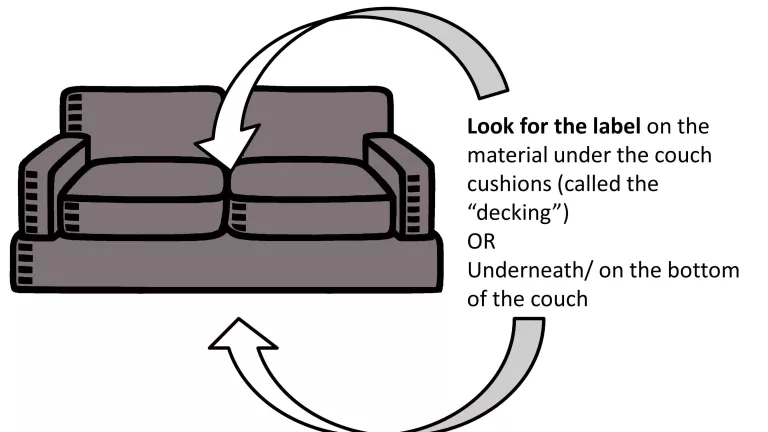
Start by identifying the materials and chemicals present in your sofa. Look for any labels or manufacturer information that might detail using polyurethane foam, flame retardants, or chemically treated fabrics. Understanding the specific toxins in your sofa can also help you grasp the potential risks and decide on the best course of action.
An expert blog post published by the Natural Resources Defense Council (NRDC) provides invaluable guidance on identifying flame retardant-free sofas by deciphering labels and understanding what to look for.
Reduce Exposure
If replacing the sofa immediately isn’t an option, consider ways to minimize your exposure to its chemicals. Use organic cotton or wool blankets as covers to create a barrier between the sofa’s fabric and your skin. Regularly vacuuming the sofa and the surrounding area with a HEPA filter can also reduce the accumulation of toxic dust particles. Moreover, enhancing ventilation by opening windows or using air purifiers can help dilute and remove indoor air pollutants.
Seek Non-Toxic Alternatives
When replacing your sofa, prioritize eco-friendly and non-toxic options. Look for furniture made with natural materials such as certified organic cotton, wool, solid wood, and natural latex. Choose sofas labeled as free from flame retardants and VOCs, and prefer brands that are transparent about their manufacturing processes and material sources. Certifications like GOTS and GOLS can guide you toward genuinely non-toxic furniture options.
Dispose of the Toxic Sofa Responsibly
Disposing of a toxic sofa requires care to minimize environmental impact. Donating might not be the best choice, as it could expose others to harmful chemicals. Instead, research local waste management policies to understand the most environmentally friendly way to dispose of your sofa. Some areas offer furniture recycling programs that break down and recycle components like metal springs or wood frames.
The Green Science Policy Institute offers valuable insights into responsible disposal methods for products containing flame retardants, including sofas manufactured before 2015.
Advocate for Non-Toxic Furniture
Beyond personal choices, advocating for broader change in furniture manufacturing can have a significant impact. Support legislation aimed at limiting or banning harmful chemicals in furniture. Seek out and support furniture brands and companies committed to sustainable practices and eco-friendly materials, thereby promoting a market shift towards healthier, non-toxic living environments.
Time for an Upgrade: 6 Non Toxic Sofa Options to Consider
When considering the collective toxic exposures from traditional sofas, the impact on indoor air quality and health can be significant. Children, pregnant women, and individuals with pre-existing health conditions may be particularly vulnerable to these chemicals. The cumulative effect of daily, long-term exposure raises concerns about chronic health conditions, necessitating a shift to non-toxic, eco-friendly sofa options that do not compromise the health of individuals or the planet.
If you are ready to redefine your home’s comfort by switching to a non toxic alternative, we’ve streamlined your search by presenting six carefully selected non-toxic sofa options. These choices are crafted to offer unparalleled comfort without compromising your health and the planet.
1. Medley Eco-Friendly Sofas
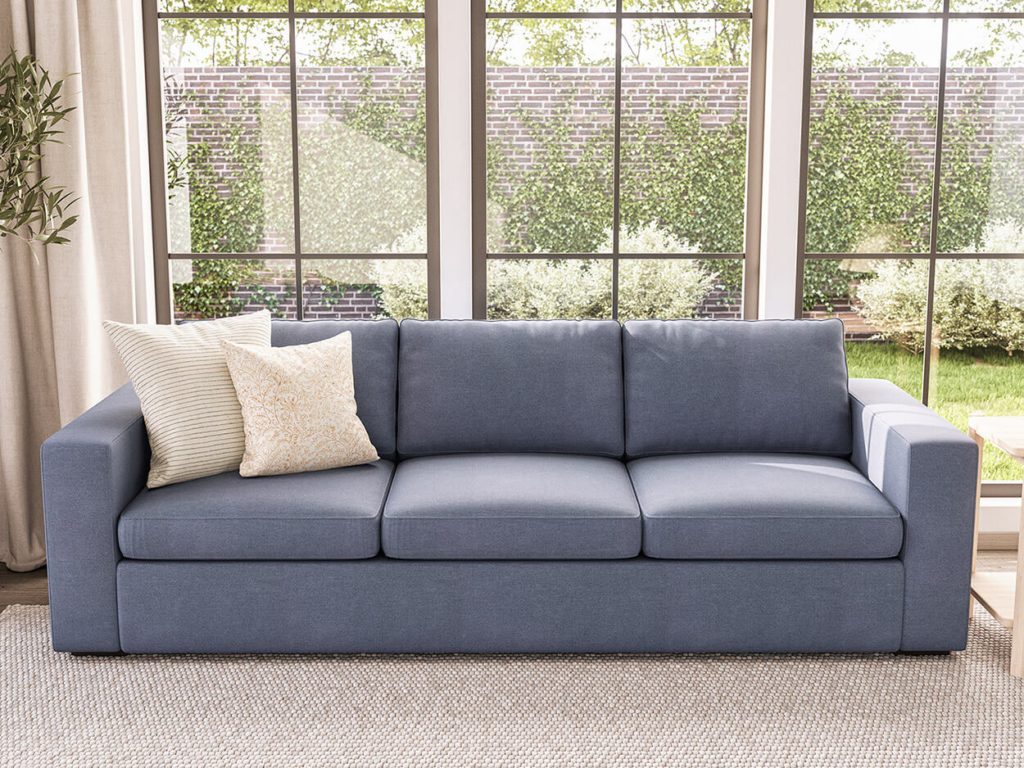
Medley is a pioneer in crafting eco-friendly, non-toxic furniture, including sofas with, a commitment to sustainability and health. The brand’s collections of eco-friendly sofas feature GOLS-certified organic latex foam cushions, ensuring a toxin-free lounging experience. Upholstered in organic fabrics like cotton and wool, Medley’s sofas are free from harmful chemicals, flame retardants, and VOCs. Additionally, its manufacturing process emphasizes minimal waste and renewable energy, aligning with eco-conscious values.
Medley’s Rio Sofa epitomizes timeless elegance with its classic silhouette enveloped in luxurious cushioning. This sofa sets the standard for non-toxic lounging, evidenced by its use of GOLS-certified organic latex foam cushions, GOTS certified organic cotton, and reclaimed solid wool. It is also free from flame retardants, harmful dyes, and synthetic pesticides, making it a stellar choice for those keen on sustainable living.
2. The Futon Shop Organic Sofas

The Futon Shop takes organic living to the next level with its range of organic sofas and sectionals. Prioritizing using natural materials, the brand’s sofas boast various eco-conscious features. From organic latex foam and virgin wool to coconut fiber and organic cotton upholstery, each element is thoughtfully selected to ensure sustainability and safety. The brand also prides itself on eschewing polyurethane foam and toxic flame retardants, offering a cozy and safe space for families.
For those with compact living spaces, The Futon Shop’s Mod 2 Arm Sofa is an ideal choice. This 2-seater sofa boasts a base crafted from organic materials like latex, wool, and coconut fiber, devoid of glues or fire retardants. Upholstered in eco-friendly cotton fabric, it epitomizes comfort without compromising environmental integrity.
The brand also offers vegan sectional sofas for individuals keen on taking their non-toxic living to the next level. The Daisy Natural Vegan Sectional Sofa, in particular, stands out for its construction from non-GMO potato-based PLA Fiber, natural or organic latex, and coconut coir, all meticulously handcrafted in California.
3. Maiden Home Dune Collection
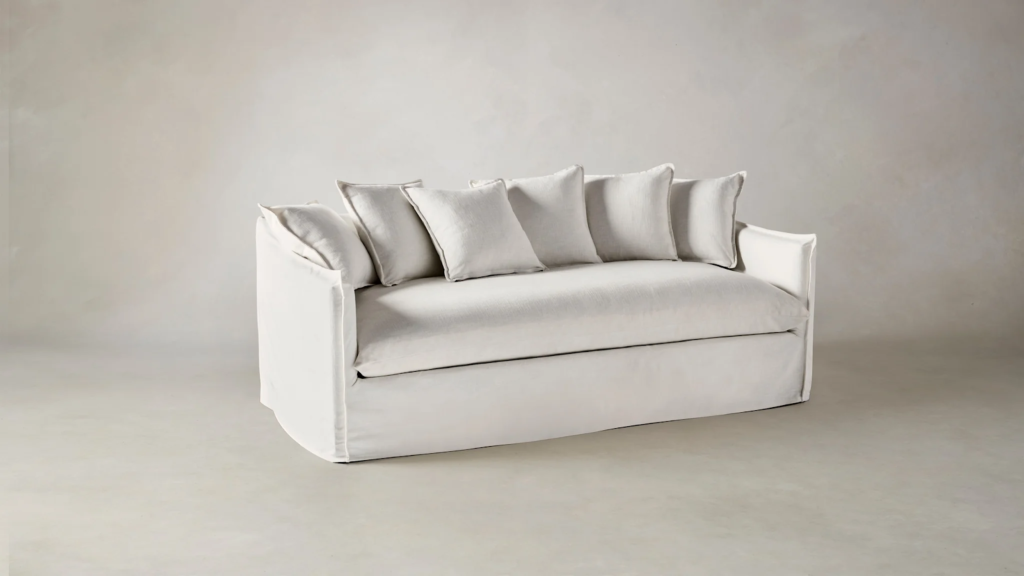
Maiden Home combines luxury with sustainability in its non-toxic sofa offerings. Each sofa is handcrafted in North Carolina using solid wood frames and non-toxic materials such as CertiPUR-US certified foam. Upholstered in organic fabrics like linen and cotton, Maiden Home sofas exude elegance without compromising on environmental responsibility. With customizable options and a commitment to ethical manufacturing, Maiden Home sofas allow for greater customization and minimizing waste, making them an excellent choice for the eco-conscious consumer.
Maiden Home’s Dune Collection combines luxury with eco-conscious design. Utilizing eco-friendly hardwood, non-toxic adhesives, and free of harmful flame retardants, this collection of natural sofas delivers on both comfort and purity. The Dune Sofa stands out for its craftsmanship, non-toxic materials, and relaxed cushioning, offering a plush, stylish seating solution.
4. Sabai Essential Sofa

Sabai has garnered acclaim for its commitment to crafting environmentally responsible furniture. Utilizing non-toxic and sustainable materials in its entire range, including sofas, Sabai ensures unmatched comfort while upholding health and sustainability standards. Additionally, the brand’s dedication to ethical manufacturing practices shines through its partnerships with ethically run factories in North and South Carolina, Tennessee, and Michigan. This ensures that the individuals behind Sabai’s products receive a living wage and operate in safe working conditions, aligning with the brand’s ethos of social responsibility.
Sabai’s Essential Sofa is a marvel of sustainable design. Made with recycled fibers, FSC-certified wood, and with options for water- and stain-resistant fabric, Sabai focuses on minimizing environmental impact. The brand’s use of non-toxic materials and a commitment to recyclability positions the Essential Sofa as a favorite for environmentally conscious consumers.
5. Savvy Rest Verona Sofa
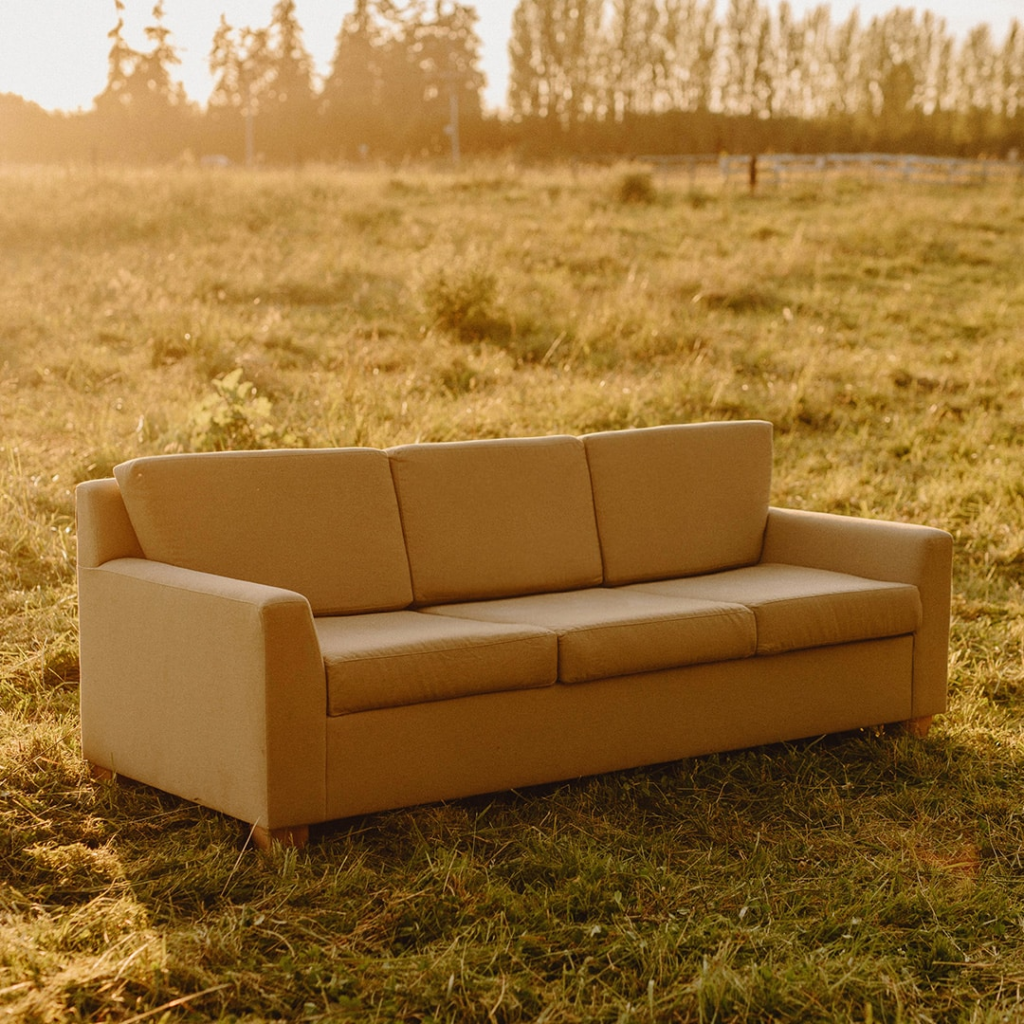
Savvy Rest, a certified B Corporation, specializes in crafting organic mattresses crafted from natural latex foam rubber and featuring certified organic cotton or wool casings. These products hold Greenguard Gold Certification, promoting healthier indoor environments by minimizing VOC emissions. Furthermore, the brand takes pride in its GOTS-certified production facilities, guaranteeing compliance with stringent ecological and social criteria throughout the manufacturing process.
The brand extends its green philosophy to sofas, offering non-toxic, safe options for families. The brand’s Verona Sofa features organic latex cushions, organic cotton upholstery, and solid wood frames, ensuring a toxin-free lounging experience. With customizable designs and a focus on renewable materials, Savvy Rest’s Verona Sofa is an excellent choice for those seeking to add an environmentally responsible piece to their natural home.
6. EcoBalanza Essential Collection
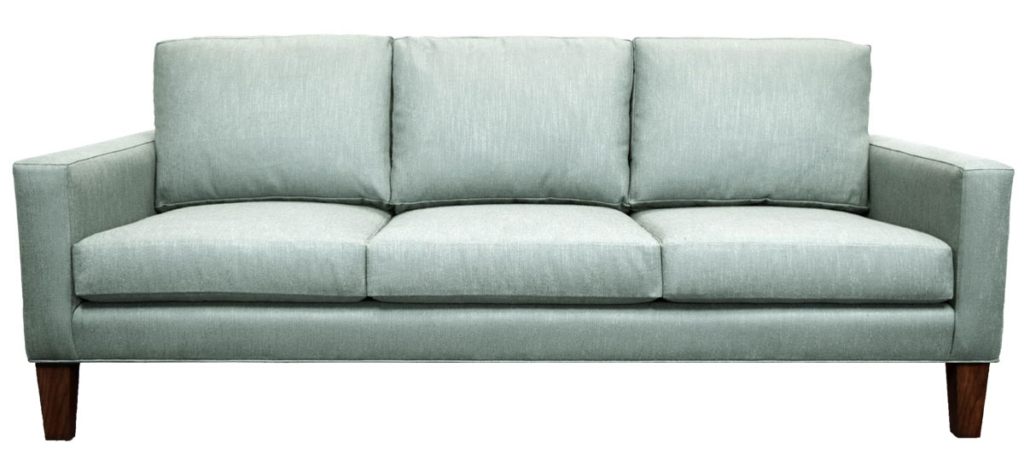
Based in Seattle, EcoBalanza is a boutique organic furniture workshop renowned for its meticulous craftsmanship and dedication to sustainability. Each piece of furniture is customized to exact specifications by the brand’s skilled artisans, ensuring unparalleled quality and attention to detail. EcoBalanza prides itself on utilizing the finest organic materials and third-party certified non-toxic components in all its offerings, catering to the most stringent requirements, including those of individuals living with multiple chemical sensitivities.
The EcoBalanza Essential Collection is a work of art in the sustainable furniture domain. Each piece is tailored by hand and utilizes a blend of GOTS-certified organic cotton, natural latex, and locally sourced, FSC-certified wood. They are also free from VOCs and toxic flame retardants. Available in various configurations, including sofas, loveseats, chairs, and ottomans, each bespoke item from the Essential Collection is tailored for those who value exceptional craftsmanship, unparalleled comfort, and a deep commitment to the planet.
Caring for Non Toxic Sofa
Investing in a non-toxic sofa is a significant step towards a healthier, more sustainable living space. However, to ensure that your eco-friendly furniture piece remains in pristine condition for years to come, proper care and maintenance are essential. Here’s how to care for your non-toxic sofa, keeping it clean, comfortable, and durable while preserving its organic integrity.
- Regular Cleaning: Clean your sofa regularly to remove dust, dirt, and other debris that can accumulate on the surface. Use a vacuum cleaner with a brush attachment to gently remove particles from upholstery and crevices.
- Spot Cleaning: Address spills and stains promptly to prevent them from setting into the fabric. Blot the affected area with a clean cloth or paper towel to absorb excess liquid, then gently clean the spot with a mild, non-toxic detergent and water solution. Avoid using harsh chemicals that can compromise the integrity of the sofa’s materials.
- Sun Protection: Place your sofa away from direct sunlight to prevent fading and deterioration of upholstery fabrics. If exposure to sunlight is unavoidable, consider using curtains or blinds to minimize UV rays’ impact on the sofa.
- Rotating and Fluffing: Regularly rotate and fluff cushions and pillows to distribute wear and maintain their shape evenly. This helps prevent premature sagging and extends the sofa’s lifespan.
- Professional Cleaning: Schedule professional upholstery cleaning periodically to deep clean and refresh your non-toxic sofa. Choose a cleaning service that uses eco-friendly products and methods to ensure compatibility with your sofa’s materials.
- Avoiding Harsh Chemicals: When cleaning or caring for your non-toxic sofa, steer clear of harsh chemicals, abrasive cleaners, and solvent-based products. Opt for gentle, non-toxic cleaning solutions that are safe for your health and the environment.
Conclusion
A healthier home starts with conscious choices, including the furniture you live with daily. As such, shifting to a non-toxic and eco-friendly sofa is a great way to embrace a non-toxic, comfortable, and sustainable lifestyle. Whether it’s Medley’s commitment to organic materials or EcoBalanza’s focus on customization, each of the six non-toxic sofa selections highlighted in this guide represents the forefront of sustainable design. They prove that combining style, comfort, and environmental responsibility is possible.
Frequently Asked Questions
Look for certifications like GOTS (Global Organic Textile Standard) for fabrics and GOLS (Global Organic Latex Standard) for latex. Additionally, check the manufacturer’s information on the use of natural materials and the absence of harmful chemicals.
Completely transforming an existing sofa into a non-toxic one can be challenging. However, using organic slipcovers and replacing synthetic cushions with organic alternatives can reduce exposure to toxic materials.
Non-toxic sofas can be purchased from eco-friendly furniture companies, both online and brick-and-mortar, that specialize in sustainable and health-conscious products. Always research the brand’s sustainability practices and material sources before making a purchase.
Yes, many brands offer customizable options for non-toxic sofas, including choices of upholstery fabrics, cushion firmness, and sofa configurations. This allows you to personalize your sofa while still prioritizing health and sustainability.
While non-toxic sofas may come with a slightly higher price tag due to the use of organic materials and sustainable practices, the long-term benefits outweigh the initial investment. Moreover, many manufacturers offer financing options to make eco-friendly furniture more accessible.