In today’s world, it’s not enough for businesses to aim for profit. They must also act responsibly, positively impacting both the environment and the communities around them. It’s about being more than just a business—it’s about being a force for good.
To achieve that, companies must focus on sustainability in every aspect of their operations. This means considering how they get their materials (ethical sourcing) and managing the process (responsible supply chain management) from start to finish.
Focusing on these areas can help companies become more than just profit-making machines. They can contribute positively to the world around them, creating a better future for everyone. Businesses that embrace this approach tend to stand out, gaining respect and loyalty from consumers who value ethical and sustainable practices.
Sedex, short for Supplier Ethical Data Exchange, provides a platform for organizations and businesses to manage and improve ethical and responsible business practices in their supply chains. Central to Sedex is the SMETA (Sedex Members Ethical Trade Audit), a widely recognized standard for assessing and ensuring ethical compliance within supply chains.
This article aims to provide a comprehensive overview of Sedex and the SMETA audit, including their roles and significance for companies. It also explains the SMETA audit’s pillars and process and the advantages this methodology offers.
Key Takeaways
- Sedex empowers companies to enhance ESG outcomes through data-driven insights.
- Membership grants access to Sedex’s global platform, benefiting millions of workers worldwide.
- The SMETA audit is widely used by companies to comprehensively assess their supply chains’ environmental, social, and ethical performance.
- While Sedex created and owns the SMETA audit, it does not conduct the assessments. Instead, the organization licenses a limited number of third-party, independent auditing companies. Interested companies can tap into those auditing companies to use the SMETA methodology and conduct SMETA audits on their supply chains.
- The Sedex network and SMETA help alleviate audit fatigue by consolidating audits into a single, accessible format.
- By embracing Sedex and SMETA, businesses enhance transparency, reduce costs, and mitigate risks in their supply chains.
Understanding Sedex and SMETA
Sedex is dedicated to helping companies advance their ESG practices by providing data-driven insights and comprehensive tools and services.
Sedex runs a global platform that allows companies to manage and share data related to labor standards, health and safety, the environment, and business ethics in their supply chains. It enables businesses to identify and address ethical risks, collaborate with suppliers, and drive continuous improvement.
Companies need to become members of Sedex to gain access to its platform and range of services. Today, Sedex’s global reach encompasses 85,000 members across 180 countries, impacting 28 million workers. With 1 in 10 members representing Fortune 500 companies, Sedex’s influence on ethical supply chains is profound.
On the other hand, SMETA (Sedex Members Ethical Trade Audit) is an auditing methodology designed to help businesses assess and improve their supply chain practices. It evaluates labor standards, health and safety, environmental performance, and business ethics. SMETA audits are widely used across industries and are recognized as a benchmark for ethical compliance.
So, how are Sedex and SMETA connected? Put simply, Sedex developed and owns the SMETA audit, which is designed to assess a business’s supply chain, focusing on environmental sustainability, social responsibility, and ethical practices.
Sedex licenses a limited number of third-party, independent auditing companies to conduct SMETA audits. Working with select affiliates ensures audit quality and consistency and enhances detection and reporting on onsite issues. It also allows businesses to choose an affiliate audit company to work with.
Through the SMETA audit, Sedex is able to offer a solution to the prevalent issue of audit fatigue in the manufacturing industry. By consolidating audits into a single comprehensive assessment, Sedex minimizes disruption and maximizes efficiency.
How Does the SMETA Audit Work?
The SMETA Audit utilizes the ETI (Ethical Trading Initiative) Base Code as its foundation. It is based on the principles set forth by the International Labor Organization (ILO), alongside pertinent local regulations and laws. This framework is a valuable tool for businesses to assess and improve their supply chain human rights and environmental impact.
Scope
Businesses aiming to demonstrate their commitment to ethical practices can opt for a SMETA audit, which offers two distinct levels of assessment: the 2-Pillar and the 4-Pillar SMETA audit.
- The 2-Pillar SMETA audit focuses primarily on labor standards and health and safety. It examines whether companies treat their workers fairly, pay them adequately, and provide a safe working environment. This audit is fundamental for businesses looking to confirm that their operations respect workers’ rights and maintain their welfare.
- The 4-Pillar SMETA audit includes everything covered in the 2-Pillar, plus additional assessments on environmental practices and business ethics. This extended review examines how businesses treat their employees, their environmental impact, and their ethical conduct. The 4-Pillar audit is particularly relevant for companies striving to showcase a deep commitment to sustainability and ethical behavior in all aspects of their operations.
Process
Regardless of the chosen pillar, the SMETA audit follows a rigorous process to assess a company’s ethical compliance. It typically involves the following steps:
1. Preparing for the Audit
Preparation involves conducting a self-assessment and gathering necessary documentation on labor practices, health and safety protocols, environmental impact measures, and ethical policies. This stage is crucial for identifying areas needing improvement before the external auditor arrives.
2. Conducting the SMETA Audit
An auditor, certified and experienced in SMETA methodology, conducts an on-site evaluation. This includes interviews with employees and management, a review of documentation, and a physical inspection of facilities. The goal is to assess compliance with the ETI Base Code, applicable local laws, and any additional elements adopted by the company being audited.
Focus Areas
- Labor: Evaluating workers’ rights, wages, contracts, and freedom of association.
- Health and Safety: Ensuring a safe working environment and proper safety protocols are in place.
- Environment: For those opting for the 4-Pillar audit, assessing environmental impact and sustainability practices becomes critical.
- Business Ethics: This is also part of the 4-Pillar audit and focuses on ethical business practices, including anti-bribery and corruption policies.
The auditor also verifies compliance with specific buyer requirements, if applicable, offering a holistic view of the company’s adherence to ethical standards.
3. Reporting and Corrective Actions
Following the on-site evaluation, the auditor compiles their findings into a SMETA audit report. This document outlines any non-compliances or areas for improvement, alongside commendations for practices that meet or exceed standards.
4. Developing a Corrective Action Plan (CAP)
The company must formulate a Corrective Action Plan (CAP) if issues are identified during the on-site evaluation. This plan outlines steps to address deficiencies, assigns responsibilities, and sets timelines for resolution. The CAP is a pivotal component of the audit process, showcasing a company’s commitment to rectifying shortcomings promptly and effectively.
5. Uploading to the Sedex Platform
Once completed, the SMETA audit report and any corresponding CAP are uploaded to the Sedex platform. This allows for streamlined sharing with relevant stakeholders, including buyers and suppliers. The Sedex platform serves as a central repository, reducing duplication of audits and promoting transparency across the supply chain.
6. Follow-Up
Post-audit, companies may undergo follow-up reviews to ensure corrective actions have been successfully implemented. While SMETA does not offer certification, the audit complies with globally recognized ethical trade criteria. Completing a SMETA audit enhances a company’s reputation for responsible sourcing and sustainability.
For those interested in learning more about the SMETA audit and various topics related to supply chain sustainability and due diligence, Sedex offers webinars that are free for anyone to join. You can find the organization’s upcoming webinars and events here.
How SMETA Benefits Companies
A SMETA audit offers many benefits to companies, emphasizing compliance and improvement in various facets of ethical and responsible business practices. Here are some critical advantages of undergoing a SMETA audit:
- Cost Efficiency: SMETA audit reduces the financial burden of multiple audits, allowing companies to allocate resources more effectively.
- Supply Chain Transparency: Publishing audit findings online enhances transparency and enables stakeholders to make informed decisions about suppliers.
- Enhanced Reputation: A SMETA audit enhances a company’s reputation by demonstrating its commitment to ethical sourcing and responsible business practices.
- Improved Compliance: SMETA audits are designed around the Ethical Trading Initiative (ETI) Base Code and local laws, ensuring companies comply with international labor standards and regional regulations. This comprehensive approach helps businesses meet their legal and ethical obligations.
- Risk Mitigation: By identifying and addressing ethical risks in the supply chain, businesses can mitigate the risk of negative publicity, legal issues, and brand damage.
- Market Access: A SMETA audit may be required to access specific markets or secure contracts with major retailers and brands that prioritize ethical sourcing.
- Enhanced Stakeholders’ Trust: SMETA audits help build trust with employees, customers, investors, and other stakeholders by demonstrating that a company takes its social and environmental responsibilities seriously. This increased trust can improve employee retention, customer loyalty, and investor confidence.
- Continuous Improvement: Beyond identifying non-compliances, a SMETA audit also highlights improvement areas, even when companies already meet regulatory and ethical standards. This feedback can drive continuous improvement processes within supply chains, leading to efficiencies, cost savings, and enhanced operational practices that benefit the company and its workers.
- Enhanced Worker Engagement and Well-being: By focusing on labor standards, health, and safety, SMETA audits contribute to better working conditions. This leads to higher employee satisfaction, reduced turnover rates, and greater worker engagement. When employees feel valued and operate in a safe environment, their productivity and the quality of their work often improve.
- Strengthened Supplier Relationships: Undergoing a SMETA audit can foster stronger relationships between buyers and suppliers based on mutual respect for ethical values. This collaborative approach encourages suppliers to enhance their practices, creating a more sustainable and responsible supply chain. Improved relations can also result in more stable supply chains, reduced costs due to fewer disruptions, and opportunities for joint initiatives or investments in sustainability projects.
- Financial Performance: While the primary aim of a SMETA audit is to ensure ethical compliance and social responsibility, these efforts can positively impact a company’s bottom line. Research has shown that consumers are increasingly willing to support companies with vital social responsibility records. Moreover, operational improvements and efficiencies from audit findings can lead to cost savings. Ethical business practices also attract investors looking to mitigate risk and invest in companies with sustainable futures.
Besides the SMETA audit, Sedex’s other solutions are valuable in enabling companies to effectively manage their business and supply chains’ sustainability. Visit the links below to learn more:
- A Forrester-conducted study on the potential return on investment (ROI) for enterprises on deploying Sedex.
- Case studies showing how companies use Sedex solutions as part of their business strategy.
Who Should Seek SMETA Audit to Optimize Their Business Practices Across the Board?
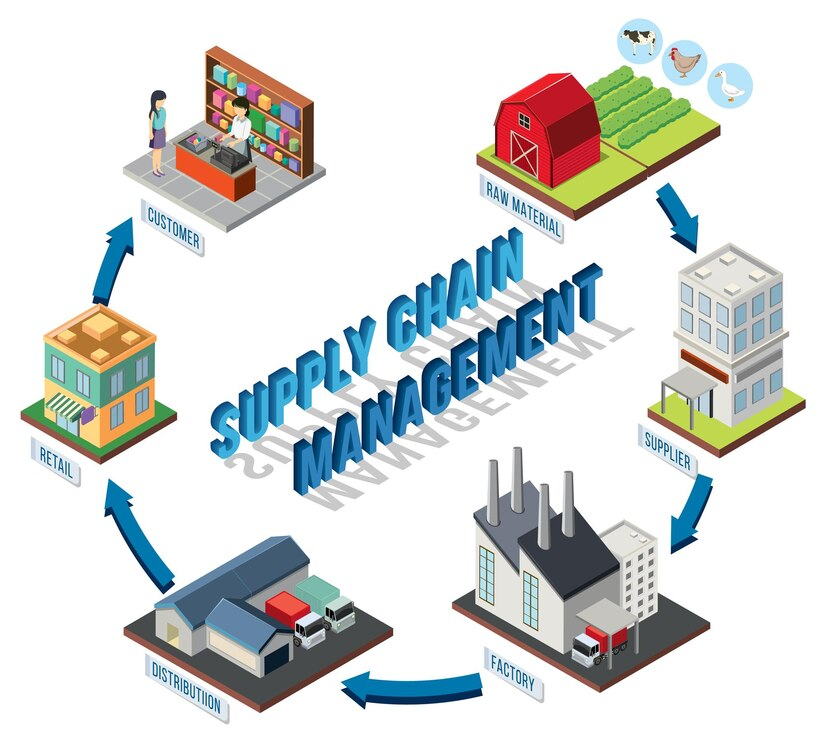
Reflecting on the advantages of a SMETA audit, it’s clear that many companies should undergo one. Yet, who stands to gain the most from this process?
Manufacturers
Manufacturers, regardless of their sector—be it textiles, electronics, food production, or machinery—face increasing pressure to ensure that their operations meet and exceed global standards for labor rights, health and safety, and environmental impact. By undergoing SMETA audits, manufacturers can critically assess their practices, ensuring they align with the Ethical Trading Initiative (ETI) Base Code and local laws.
This is essential for those aiming to improve their supply chain sustainability, reduce audit fatigue by adhering to a globally recognized auditing standard, and foster a culture of continuous improvement within their operations. Moreover, ethical compliance helps manufacturers protect against reputational risks and builds trust with both business partners and consumers.
Retailers and Brands
Consumers today demand high-quality products and assurance that these goods are produced ethically and sustainably. By engaging in SMETA audits, retailers and brands can offer this transparency, showcasing their commitment to responsible business practices.
This move meets customer expectations and positions these companies as industry leaders in ethical trading—a factor significantly influencing conscious consumers’ purchasing decisions. Additionally, leveraging the Sedex platform allows retailers and brands to efficiently manage and share audit reports, simplifying due diligence processes and reinforcing their reputation for ethical sourcing.
Suppliers
Suppliers play a critical role in the global supply chain, and as such, they are increasingly under scrutiny to prove their commitment to ethical and responsible practices. A SMETA audit offers suppliers a golden opportunity to demonstrate this commitment in a tangible way.
Suppliers can distinguish themselves in a competitive market by showcasing adherence to the highest standards of labor rights, health and safety, environmental management, and business ethics. This is not just about mitigating risks—it’s about leveraging ethical compliance as a strategic advantage.
Conclusion
Sedex and the SMETA audit play a crucial role in promoting ethical sourcing and responsible supply chain management. By becoming familiar with Sedex and undergoing a SMETA audit, businesses can enhance their reputation, mitigate risks, and contribute to sustainable and ethical practices in the global supply chain.
Frequently Asked Question
SMETA audits are not mandatory but are often required by customers, regulatory bodies, or industry standards to ensure ethical compliance and responsible business practices.
The frequency of SMETA audits depends on various factors, including industry standards, customer requirements, and previous audit results. Typically, audits are conducted annually or biannually to ensure ongoing compliance.
Absolutely! SMETA audits allow SMEs to demonstrate their commitment to ethical sourcing, enhance their reputation, and access new market opportunities that prioritize ethical compliance.
Yes, SMETA audits are adaptable to various industries and supply chains, ensuring businesses across different sectors benefit from ethical compliance and sustainability practices.
SMETA audits assess environmental performance and promote sustainable practices, such as waste reduction, energy efficiency, and responsible resource management, contributing to environmental sustainability.