Sweetening our lives since the dawn of time, sugar comes in countless forms, affecting our health, baking, and taste preferences in myriad ways. Among the vast types of sugar, white sugar and cane sugar often stand out for their wide usage. While they might seem identical at first glance, understanding their differences is crucial to making informed dietary and culinary choices.
In this comprehensive guide, we’ll delve into the distinctions between these two popular sweeteners, providing clarity on which might be better for you based on their processing methods, nutritional content, and impact on health.
Key Takeaways
- White sugar is highly refined, while cane sugar is less processed and may retain more nutrients.
- Cane sugar may have a lower glycemic index than white sugar, making it a better choice for those monitoring blood sugar levels.
- Organic cane sugar offers a more sustainable and environmentally friendly option than conventional white sugar.
- Both white sugar and cane sugar can be used in baking, but cane sugar may impart a richer flavor and texture to baked goods.
Sugar in Food and Its Recommended Intake
Sugar is ubiquitous in countless food and beverage products worldwide, providing sweetness and flavor to a wide range of dishes. There are two main types of sugar found in food:
- Added Sugar refers to sugars and syrups incorporated into foods during processing or preparation. Common sources of added sugar encompass sugary beverages, candies, baked goods, and processed snacks.
- Natural Sugars are found naturally in fruits, vegetables, and dairy products. They are accompanied by essential nutrients and fiber, making them a healthier choice than added sugars.
Between these two types of sugar, added sugar is more widely consumed. Even foods that wear a “health halo,” meaning foods touted as healthy but actually contain more than the recommended daily sugar intake in one bowl.
The American Heart Association recommends limiting added sugar intake to no more than 25 grams (6 teaspoons) per day for women and 36 grams (9 teaspoons) per day for men. Similarly, the World Health Organization suggests keeping added sugar intake below 10% of total daily calorie intake, with further benefits seen by reducing it to 5% or less.
Unfortunately, many people surpass these intake recommendations. A study found that in 2017-2018, the mean added sugars intake among US adults aged 20 years and older was 17.1 teaspoons (tsp)/d, 19.2 tsp for men, and 15.1 tsp for women. Additionally, the study noted that individuals who consume high amounts of added sugars are more likely to be younger, less educated, and have lower incomes than those with lower consumption.
As is well-known, excessive consumption of sugar can have detrimental effects on health, including weight gain, tooth decay, and an increased risk of chronic diseases such as type 2 diabetes and heart disease.
White Sugar vs. Cane Sugar: Understanding the Difference
Both white sugar and cane sugar are sources of added sugars commonly used in processed foods and beverages.
White sugar, also known as refined sugar or granulated sugar, is the most commonly used type of sugar worldwide. Originating from sugarcane or sugar beets, the sugar is extracted and then purified to remove molasses, resulting in its characteristic white color. This process strips away the brown hues and most of the natural nutrients found in the raw sources.
The final product is pure sucrose, a simple carbohydrate offering a sweet taste but little nutritional value beyond calories. This highly refined nature of white sugar means it can dissolve easily, making it a versatile ingredient in baking, cooking, and beverage preparation. However, its lack of nutrients and swift impact on blood sugar levels raises concerns about its health implications when consumed excessively.
Cane sugar, on the other hand, is derived solely from sugarcane and undergoes less processing compared to white sugar. It retains a trace amount of molasses, which imbues it with a distinctive color and a richer flavor profile compared to white sugar. This molasses content, although minimal, provides small amounts of minerals like calcium, iron, and potassium, making cane sugar marginally more nutritious.
Which is Better?
It’s important to note that the nutritional difference between white sugar and cane sugar is minimal, so switching from one to the other won’t drastically alter your diet’s nutritional value. The real benefit of choosing cane sugar lies in the less processed nature, appealing to those aiming to consume foods closer to their natural state. Moreover, cane sugar’s slight molasses flavor can add depth to baked goods and beverages, offering a subtle but distinct taste difference.
However, it should be noted that while switching to cane sugar may offer slight nutritional advantages and environmental benefits, it should not be seen as a green light to consume sugar freely. Balancing sugar intake while prioritizing whole, unrefined foods aligns best with healthful eating practices.
Organic Cane Sugar as a Healthier, Sustainable Choice
Recognizing the minimal difference between white sugar and cane sugar in terms of nutritional value, completely eliminating sugar from one’s diet might seem like the optimal path toward enhancing health. However, the challenge of entirely abstaining from sugar—whether refined white sugar, less processed cane sugar, or other sweeteners—is that it might not be a practical or sustainable choice for everyone.
Given this dilemma, you might find yourself searching for healthier sugar alternatives that could be more easily integrated into your daily dietary practices without compromising sweetness. Organic cane sugar presents itself as a healthier and more sustainable alternative to both white sugar and regular cane sugar. Here’s why:
Organic Cane Sugar and Health
Organic cane sugar is produced without synthetic pesticides, herbicides, or genetically modified organisms (GMOs). This means that it is free from harmful chemicals and residues that may be present in conventionally grown sugarcane. Additionally, organic farming practices prioritize soil health and biodiversity, producing a more nutrient-rich final product.
Compared to highly refined white sugar, organic cane sugar retains more of its natural molasses and minerals during production. These additional nutrients, including iron, calcium, magnesium, and potassium, provide some nutritional benefits lacking in white sugar. While the differences in nutrient content are minimal, every bit of added nutrition counts, especially in a diet where sugar is consumed regularly.
Furthermore, organic cane sugar typically undergoes less processing than white sugar, resulting in a slightly less refined product. This may contribute to a slightly lower glycemic index, making organic cane sugar a better choice for individuals looking to manage their blood sugar levels.
Organic Cane Sugar and Sustainability
Organic farming practices used in producing organic cane sugar promote environmental sustainability. By avoiding synthetic pesticides and fertilizers, organic sugarcane farming helps protect soil health, preserve biodiversity, and reduce the risk of water pollution. Additionally, organic farming practices often include measures to conserve water and energy and minimize waste.
As for social responsibility, choosing organic cane sugar over conventional white sugar supports farmers who prioritize sustainable practices and fair labor conditions. By supporting organic agriculture, you’re helping to create a more sustainable food system that benefits both people and the planet.
5 Notable Organic Cane Sugar Products to Try
Ready to switch to organic cane sugar but uncertain about which product to choose? Let’s explore 4 notable options to help you make an informed decision.
1. Wholesome Sweeteners Organic Cane Sugar

Wholesome is renowned for its commitment to organic and fair-trade practices. The brand’s organic cane sugar is hand-harvested and unrefined, retaining a natural blond color due to its molasses content. It’s suitable for baking and sprinkling into coffee and tea, offering a full-bodied taste. It also highlights the brand’s dedication to environmental sustainability and ethical labor practices, embodying its philosophy of providing wholesome, quality products.
2. Now Foods Certified Organic Cane Sugar
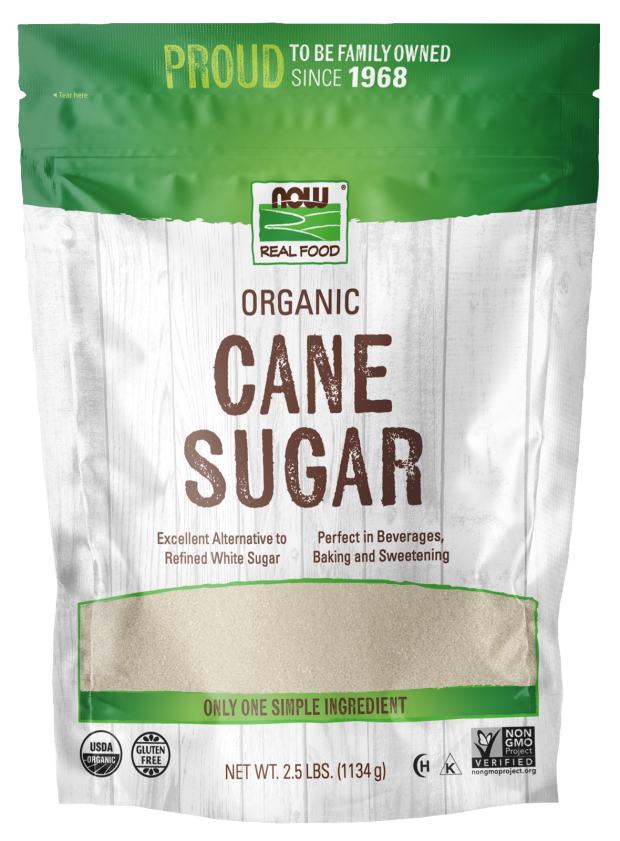
Now Foods, a reputable name in the health and wellness sector, offers certified organic cane sugar crafted with care. Made with just one simple ingredient–pure, organic sugarcane sourced from sustainable farms–this product guarantees quality and purity. It is a clean, reliable sweetening option with certifications including USDA Organic and Non-GMO Project. It is also 100% vegan and gluten-free. Ideally suited as a 1:1 replacement for refined white sugar, it readily serves diverse culinary needs.
3. Public Goods Organic Cane Sugar
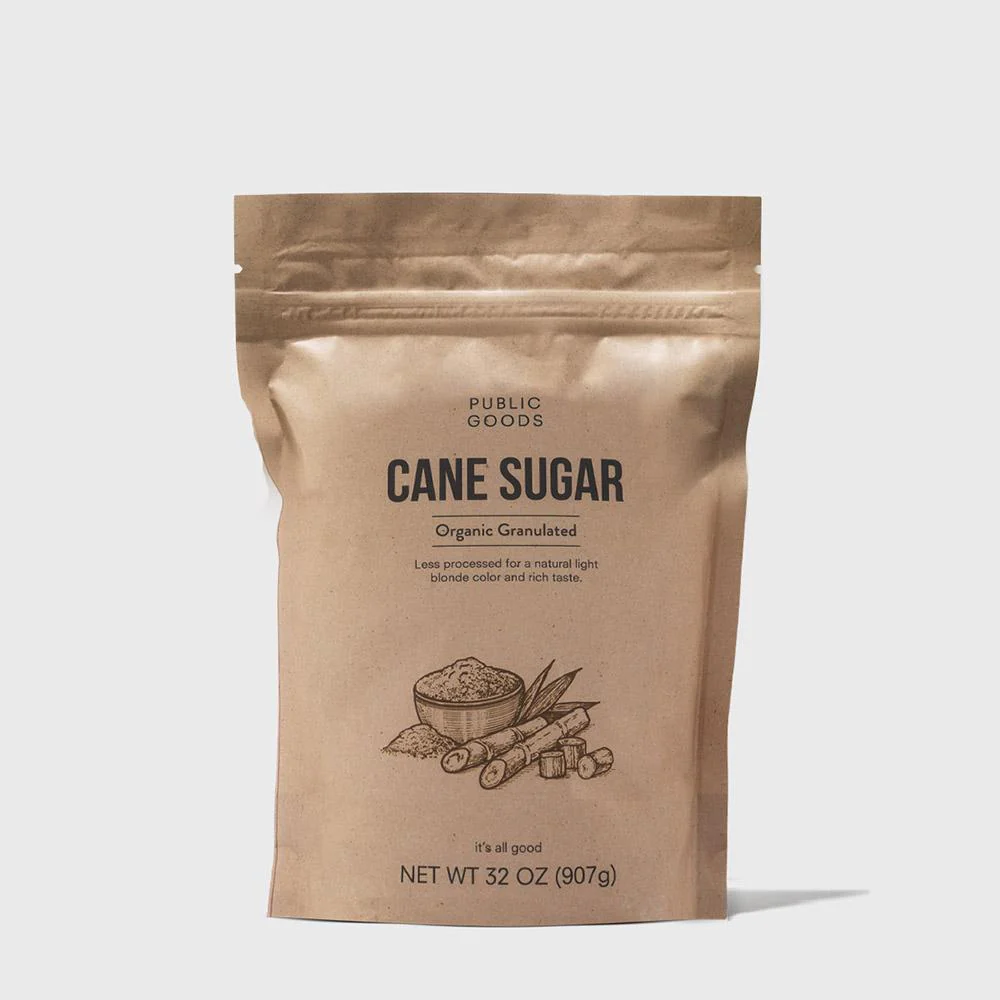
Public Goods Organic Cane Sugar offers a premium, natural alternative to traditional white, granulated sugar. Less processed to retain its light blonde color and rich flavor, it is a superior choice for those seeking a wholesome sweetening option.
Cup for cup, this product seamlessly replaces refined sugar in various applications, from baking to everyday household needs. A go-to sweetener for beverages like iced tea and cold brew coffee, it also serves as an excellent preservative for cut flowers, proving it’s free from pesticides and additives. This non-GMO, certified organic, and kosher product originates from Brazil and is meticulously packed in Kentucky, ensuring quality and purity in every spoonful.
4. Trader Joe’s Organic Sugar
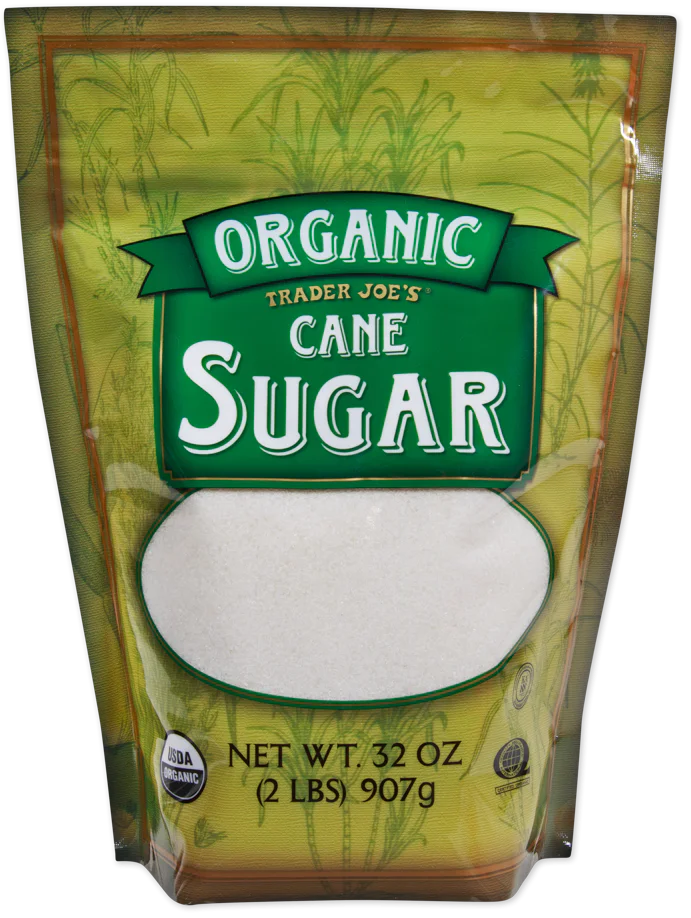
Trader Joe’s is renowned for its high-quality organic products; its organic sugar is no different. This product presents a pure and natural sweetening solution housed in a convenient resealable zipper pouch. It is derived from hand-cut sugar cane processed without additives or chemicals. A simple evaporation process yields perfect golden sugar crystals infused with a rich natural molasses flavor.
Perfect for enhancing baked goods, ice creams, and candies, Trader Joe’s Organic Cane Sugar elevates every culinary creation with its delightful taste profile. Beyond the kitchen, it doubles as a luxurious body, foot, or face exfoliant, offering a delightful aroma and remarkable efficacy. Plus, it holds the coveted certification of being Kosher, ensuring its quality and adherence to strict standards.
5. Golden Barrel Organic Cane Sugar
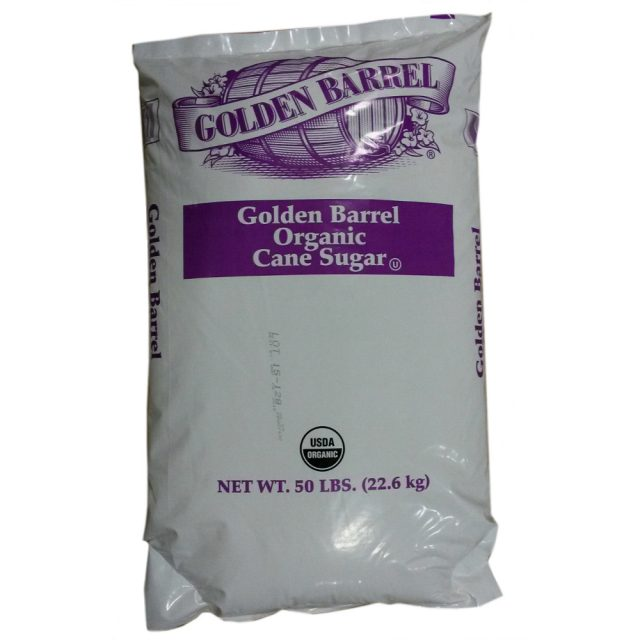
Golden Barrel has been providing cooking and baking products since 1934. Its organic cane sugar is ideal for bakers and home cooks who prioritize organic ingredients. With its slightly larger crystal size and light tan color, indicative of its less refined nature, it is a superior alternative to conventional sugars. Perfect for baking enthusiasts, this certified organic sweetener ensures both quality and sustainability. Recognized by Vegan.Org and Quality Assurance International certifications, it guarantees purity and adherence to stringent organic standards.
Tips for Mindful Sugar Intake
Consuming sugar in moderation is vital to maintaining a balanced diet and preventing negative health effects associated with excessive sugar consumption. Here are some tips to help you become more mindful of your sugar intake:
- Read Labels: Pay attention to food labels and ingredient lists to identify added sugars in packaged foods and beverages. Look for terms like “sucrose,” “glucose,” “fructose,” and “corn syrup” to spot hidden sugars.
- Limit Sugary Drinks: Reduce sugary beverages such as soda, fruit juices, and sweetened teas. These drinks are often loaded with added sugars and provide empty calories without offering any nutritional benefits.
- Choose Natural Sweeteners: Opt for natural sweeteners such as honey, maple syrup, or stevia when possible. These alternatives can add sweetness to your food and drinks without the added chemicals found in refined sugars.
- Moderate Portions: Be mindful of portion sizes when indulging in sugary treats. Enjoy desserts and sweets in moderation, and consider sharing larger portions to avoid overconsumption.
- Balance with Fiber: Pair sugary foods with fiber-rich options like fruits, vegetables, and whole grains. Fiber helps slow down the absorption of sugar in the bloodstream, preventing spikes in blood sugar levels.
- Cook at Home: Prepare meals and snacks at home using whole ingredients to control the amount of sugar added to your food. Homemade meals allow you to customize sweetness levels to suit your taste preferences.
- Stay Hydrated: Drink plenty of water throughout the day to stay hydrated and curb cravings for sugary beverages. Thirst can sometimes be mistaken for hunger, leading to unnecessary snacking on sugary treats.
- Practice Mindful Eating: Pay attention to your body’s hunger and fullness cues, and eat slowly to savor the flavors of your food. Mindful eating can help prevent overeating and reduce the urge to reach for sugary snacks out of boredom or stress.
Conclusion
When deciding between white sugar and cane sugar, it’s essential to regard both as sugar first and foremost. Neither option provides significant nutritional benefits, and excessive consumption of either can lead to health issues. Cane sugar presents a slightly better profile with minimal processing, trace nutrients, and a more nuanced flavor that might enhance your culinary creations. Opting for organic cane sugar can further reduce environmental impact and support sustainable farming practices.
Ultimately, the choice between white and cane sugar should hinge on personal taste preferences, dietary goals, and environmental considerations, always within the context of moderate, mindful consumption.
Frequently Asked Questions
Is cane sugar healthier than white sugar?
Cane sugar may retain more nutrients and antioxidants than highly refined white sugar, making it slightly healthier.
Can I substitute cane sugar for white sugar in recipes?
Yes, in most recipes, you can generally substitute cane sugar for white sugar in a 1:1 ratio. However, remember that cane sugar may impart a slightly different flavor and texture to your dishes.
Is organic cane sugar worth the extra cost?
Opting for organic cane sugar ensures that you support sustainable farming practices and avoid exposure to synthetic pesticides and fertilizers, making it a worthwhile investment for your health and the environment.
Does cane sugar have a lower glycemic index than white sugar?
Cane sugar typically has a slightly lower glycemic index than white sugar, which may have a less pronounced effect on blood sugar levels.
Can I use cane sugar in baking?
Yes, cane sugar can be used in baking instead of white sugar. It may impart a richer flavor and color to baked goods, enhancing their overall taste and appearance.
Are there any healthier sugar alternatives?
There are several alternatives to sugar, like stevia, erythritol, and xylitol, which have lower caloric values or glycemic index.
Can diabetics consume cane sugar safely?
People with diabetes need to manage their sugar intake very carefully, regardless of the type of sugar. Cane sugar, like white sugar, can cause a spike in blood glucose levels. It’s essential for diabetics to consult with their healthcare provider for personalized advice on sugar consumption.
Are there any ethical concerns associated with sugar production?
Yes. The sugar industry has faced criticism for issues related to labor practices, land use, and the impact on local communities. Choosing organic and fair-trade certified cane sugar can help address some of these concerns by supporting better labor practices and more sustainable agricultural methods.