Beyond soft cushions for your head, pillows are crucial for a good night’s sleep. But like everything else, they don’t last forever. Over time, pillows can become lumpy and dirty, much like an old mattress. So, what happens when a pillow’s time is up? Can you recycle pillows, or should you simply throw them away?
In this article, we’ll have a little pillow talk, quite literally. We’ll explore what a pillow can do to your sleep and understand the environmental impact of old pillows. We’ll also learn sustainable options to handle old pillows responsibly. From donation and repurposing to composting and recycling, discover ways to rethink this bedding piece for a greener, more eco-friendly lifestyle.
Key Takeaways
- The pillow you rest your head on greatly affects how well you sleep.
- Old pillows may seem innocuous, but their environmental impact is more significant than you might realize, especially considering the materials used in their production.
- Recycling pillows can be challenging but not impossible; explore local recycling programs or textile recycling facilities.
- Donating gently used pillows to homeless or animal shelters can benefit those in need.
- Repurpose old pillows for various purposes, such as pet beds, cushion stuffing, or even insulation.
- Composting natural fiber pillows is an eco-friendly way to dispose of them.
- Opt for sustainable bedding options to reduce waste and promote a greener lifestyle.
Pillow and Your Sleep
A good night’s sleep is crucial for overall health and well-being. Not getting enough sleep can trigger numerous health issues, including depression, heart disease, obesity, high blood pressure, and diabetes. It might come as a surprise, but the pillow you rest your head on greatly affects how well you sleep.
One study reveals that picking the right pillow is key to aligning the spine correctly. This alignment significantly improves both how long and how well we sleep. The study emphasizes that the position of our head and neck matters a lot for high-quality sleep. It highlights that sleeping in a bad cervical posture puts a lot of stress on the structures of the cervical spine. Such stress can lead to problems upon waking, like neck and shoulder pain, tension headaches, and muscle stiffness.
Aside from providing adequate support to maintain proper spinal alignment while you sleep, the right pillow can also help regulate temperature, essential for a comfortable night’s sleep. Pillows made from breathable materials like bamboo or organic cotton allow for better airflow, preventing overheating at night. Additionally, cooling gel-infused pillows can help dissipate excess body heat, promoting a more restful sleep environment.
If you suffer from allergies, finding the right pillow is crucial for minimizing exposure to allergens that disrupt sleep. Despite your best efforts to keep your bedroom clean, allergens are inevitable.
A team of researchers analyzed dust collected from thousands of bedroom floors in US households and discovered that over 99% of the samples contained at least one common allergen. Moreover, approximately 75% of the bedrooms had between three and six different allergens detected. Additionally, if your pillow is over two years old, it could harbor dust mites and their waste, comprising up to 10% of its weight.

But there’s no need to panic. You can effectively combat these pesky allergens by opting for hypoallergenic bedding, including pillows, which will create a clean and allergen-free sleep environment.
Environmental Impact of Pillows
Despite the benefits that can be derived from pillows, no matter how good they are at helping you sleep, they’re not as pleasing to the environment, especially considering the materials used in their production.
Polyester and Synthetic Fillings
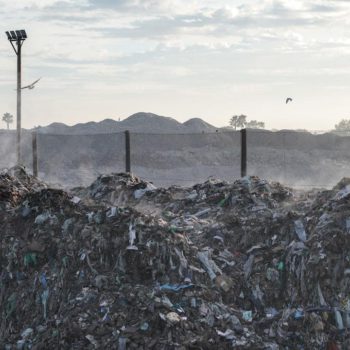
Many pillows are filled with polyester or other synthetic materials derived from nonrenewable resources such as petroleum. These synthetic fillings generate greenhouse gas emissions and contribute to air and water pollution. Additionally, polyester pillows do not biodegrade easily and can persist in landfills for centuries, further exacerbating environmental problems.
Memory Foam
Memory foam pillows, while known for their comfort and support, are typically made from polyurethane foam, another petroleum-based product. The manufacturing process of memory foam releases volatile organic compounds (VOCs) into the atmosphere, which can contribute to air pollution and harm human health. Furthermore, memory foam pillows are not biodegradable and can linger in landfills indefinitely.
Natural Fibers
Some pillows contain natural fibers such as cotton, wool, or down. While these materials are biodegradable and less environmentally harmful than synthetics, their production still has environmental consequences. Cotton production, for example, often involves pesticides and intensive water irrigation, leading to soil degradation and water pollution. Additionally, farming animals for down or wool can have ethical implications related to animal welfare.
Packaging and Transportation
In addition to the materials used in pillow production, the packaging and transportation of pillows also contribute to their environmental footprint. Many pillows come packaged in plastic or cardboard, adding to the waste generated during manufacturing. Moreover, the transportation of pillows from factories to retailers and ultimately to consumers involves burning fossil fuels, further contributing to carbon emissions and climate change.
The Sustainability Consortium provides extensive insights into the sustainability challenges posed by pillows and cushions here.
Rethink Disposal of Old Pillows with These Sustainable Alternatives
Given pillows’ impact on the environment, tossing your old pillows into the trash when it’s time to bid farewell to them isn’t the only option. The average pillow has a lifespan of about 15 to 21 times before it needs replacing. However, simply disposing of them in landfills contributes to environmental degradation. Instead, consider these alternative methods that minimize waste and promote sustainability.
Recycle: Exploring Recycling Options
Can you recycle pillows? That’s a common question many people ask when it’s time to replace their old pillows. While recycling pillows can be challenging due to their composition, it’s not impossible. Look for local recycling programs or textile recycling facilities that accept pillows. Some organizations, like the American Textile Recycling Service, may offer drop-off bins for old textiles, including pillows.
Choosing to recycle your old pillows can help a lot in diverting them from landfills and promoting a circular economy. This is especially critical as global spending on sleeping pillows hit USD 13.26 billion in 2022 and is projected to rise to approximately USD 19.85 billion by 2030, indicating an expected increase in discarded pillows.

Repurpose: Unleash Your Creativity
Don’t overlook the potential of those old pillows you’re considering discarding; they can be repurposed in numerous creative ways, reducing waste and shrinking your environmental impact. Here are some innovative ways to reuse old pillows and give them a new purpose:
- Pet Beds: Transform them into snug sleeping havens for your furry friends.
- Draft Stoppers: Utilize pillow stuffing to block drafts under doors or windows with fabric tubes.
- Packing Material: Safeguard delicate items during relocation or storage by using the stuffing as protective cushioning.
- Garden Kneelers: Ease gardening discomfort by fashioning knee cushions from old pillows.
- Outdoor Seating Pads: Enhance outdoor seating comfort by covering old pillows with weather-resistant fabric.
- Floor Cushions: Create cozy floor seating by grouping several old pillows within a large fabric cover.
- DIY Cushions: Craft homemade throw pillows or bolster cushions with the filling from old pillows.
- Soundproofing: Strategically place them to dampen noise in home studios or play areas.
- Insulation for Outdoor Shelters: Help insulate pet shelters or chicken coops from chilly temperatures.
- Rags and Cleaning Cloths: Utilize the outer fabric for various household cleaning tasks, repurposing them into rags or cleaning cloths.
Compost: Eco-Friendly Disposal
Natural fiber pillows, such as those filled with cotton or wool, can be composted at the end of their lifespan. Before composting, ensure the pillow is free from synthetic materials or chemical treatments that could harm the environment. Composting pillows reduce waste and enrich the soil, promoting healthy plant growth.
Donate: Giving Back to the Community

Donating gently used pillows is a meaningful way to contribute to your community, providing comfort to those in need. While some thrift stores may not accept used pillows due to sanitary concerns, there are several alternative options to ensure your old pillows find a new home and purpose. Here are some avenues to consider:
- Homeless Shelters: Many homeless shelters accept donations of gently used bedding items, including pillows, to offer comfort to individuals experiencing homelessness. Contact local shelters to inquire about their donation policies and needs.
- Animal Shelters: Animal shelters often welcome donations of old pillows to provide bedding and comfort to animals awaiting adoption. Your donation can offer warmth and support to shelter animals during their stay.
- Charitable Organizations: Various charitable organizations, such as those supporting refugees, disaster relief efforts, or low-income families, may accept bedding donations. Research local or national organizations to find ones that accept pillow donations.
- Schools and Daycares: Schools, daycare centers, and other educational institutions may appreciate donations of pillows for use in naptime areas or relaxation spaces. Check with schools or childcare facilities in your community to see if they accept pillow donations.
- Churches and Community Centers: Religious institutions and community centers often coordinate donation drives to support individuals and families in need. Contact churches or community organizations to inquire about their donation policies and opportunities.
- Online Platforms: Online platforms such as Freecycle, Craigslist, or local community Facebook groups may have members seeking gently used bedding items, including pillows. Consider posting your donation offer on these platforms to connect with community members who could benefit from your old pillows.
When to Get Rid of Old Pillows and Opting for Sustainable Alternatives
Now that you’re equipped with ideas for old pillows, how can you identify when the ones you have are past their prime and need replacing? Below are signs that it’s time to bid farewell to your pillows.
- Lack of Support: Over time, pillows lose shape and firmness, resulting in diminished support for your head and neck. If you wake up with stiffness or discomfort, it may be a sign that your pillow no longer provides adequate support.
- Visible Wear and Tear: Check your pillows for signs of visible wear and tear, such as lumps, flattened areas, or frayed edges. These are indicators that the pillow has reached the end of its lifespan and should be replaced.
- Allergen Build-Up: Pillows collect allergens such as dust mites, pollen, and pet dander over time, leading to allergy symptoms and respiratory issues. If you experience frequent allergy flare-ups or notice an unpleasant odor from your pillow, it may be time to replace it.
- Hygiene Concerns: Pillows can harbor bacteria, sweat, and dead skin cells, creating an unsanitary sleep environment. If your pillow is difficult to clean or has become discolored despite washing, it’s best to replace it for hygiene reasons.
Choose sustainable bedding alternatives when it’s time to replace your old pillows. Here are some considerations to take into account:
- Natural Materials: To minimize environmental impact, choose pillows made from organic cotton, bamboo, or sustainably sourced wool. These materials are biodegradable, renewable, and often produced using eco-friendly practices.
- Recycled Fillings: Look for pillows filled with recycled materials, such as recycled polyester or shredded foam, to reduce waste and promote resource conservation.
- Adjustable Pillows: Opt for pillows with adjustable loft and firmness levels, allowing you to customize your sleep experience and prolong the lifespan of your pillow by adapting it to your changing needs.
- Ethical Production: Support brands prioritizing ethical manufacturing practices and transparent supply chains. Look for certifications such as Fair Trade or Global Organic Textile Standard (GOTS) to ensure that your pillows are produced in an environmentally and socially responsible manner.
- Longevity and Durability: Invest in high-quality pillows designed to withstand the test of time. Pillows made with durable materials and construction techniques are less likely to require frequent replacement, reducing overall waste.
You can prioritize your sleep quality and environmental responsibility by recognizing the signs that it’s time to get rid of pillows and opting for sustainable alternatives. Making informed choices about your bedding benefits your health and well-being and contributes to a more sustainable future for our planet.
Tips for Extending Pillow Lifespan
If you’re looking to extend the lifespan of your pillows and minimize the need for frequent replacements, consider implementing these practical tips:
- Use pillow protectors to shield against stains, dirt, and allergens.
- Wash your pillows regularly according to the manufacturer’s instructions.
- Fluff and rotate your pillows to maintain their shape and support.
- Avoid using excessive force or bending to prevent premature wear and tear.
- Consider replacing your pillows every 1 to 2 years for optimal comfort and hygiene.
- Avoid eating in bed, as crumbs can attract pests, and spills can create stains and odors that are difficult to remove.
- Periodically airing your pillows in the sun can help eliminate moisture and keep them fresh (just be wary of materials that may fade).
- If storing pillows, use breathable bags to prevent trapping moisture, which can lead to mold growth.
Conclusion
Old pillows may seem insignificant, but their environmental impact is considerable, particularly concerning the materials used in their production. As such, rethinking the disposal of old pillows is crucial for promoting sustainability and reducing waste. There are numerous eco-friendly options to explore, whether it’s recycling, donating, repurposing, or composting.
By practicing responsible consumption and disposal habits and opting for sustainable alternatives, you can minimize the environmental harm associated with pillows and contribute to a greener, healthier planet for future generations. So, next time you bid farewell to your old pillow, remember the myriad of ways you can give it a second life while protecting the environment.
Frequently Asked Questions
Pillows are typically made from various materials, including polyester, memory foam, natural fibers like cotton or wool, and synthetic fillings. These materials have different environmental impacts and considerations for disposal or recycling.
Signs that your pillows need replacing include visible wear and tear, lack of support, allergen build-up, and hygiene concerns. Pillows should be replaced every 1 to 2 years for optimal comfort and hygiene.
Yes, there are sustainable alternatives to traditional pillows, such as organic cotton, bamboo, or recycled materials. These options are biodegradable, renewable, and produced using eco-friendly practices, reducing environmental impact.
While it’s possible to dispose of old pillows in the trash, it’s not the most environmentally friendly option. Pillows can take up space in landfills and contribute to environmental pollution. Exploring alternatives such as recycling, repurposing, or donating can help reduce waste and minimize environmental impact. Disposing of old pillows should be done as a last resort.