
Research indicates that spending time in green spaces can have numerous benefits, including increased physical activity, enhanced mindfulness, and reduced stress and anxiety levels. It’s no surprise, then, that an increasing number of homeowners are eager to create dedicated spaces within their properties to enjoy the beauty of nature without having to venture far from home.
As the trend of creating outdoor retreats within residential spaces continues to gain momentum, so does the demand for durable and aesthetically pleasing outdoor furniture. Homeowners are seeking pieces that facilitate relaxation and connection with nature right in their own backyards or patios. At the same time, increasing awareness of environmental issues also fuels the demand for sustainable solutions across all facets of life, outdoor furnishings included.
If you’re one of those homeowners, know that opting for eco-friendly outdoor furniture can do more than elevate the visual appeal of your patio or outdoor area. Such choice also plays a pivotal role in fostering a healthier planet. After all, sustainable outdoor furniture minimizes waste, decreases the depletion of natural resources, and lowers carbon emissions associated with manufacturing processes.
In this comprehensive guide, we’ll delve into the environmental concerns tied to conventional outdoor furniture, providing insights to help you make informed choices. We’ll also explore seven leading sustainable outdoor furniture brands committed to responsible production methods and materials. These brands craft stylish and durable furniture options for environmentally conscious consumers, ranging from innovative use of recycled plastics to carefully sourcing sustainable wood. Furthermore, we’ll share practical tips to prolong the lifespan of your sustainable outdoor furniture, reducing the need for frequent replacements and minimizing environmental impact.
Key Takeaways
- Conventional, mass-produced outdoor furniture pieces may be appreciated for their immediate availability and lower upfront costs, but they often come with environmental, ethical, and health challenges.
- Many conventional outdoor furniture is made from neither sustainable nor eco-friendly materials. Their production is also resource-intensive, contributing to global warming.
- Sustainable outdoor furniture brands prioritize responsible production methods and materials.
- Eco-friendly outdoor furniture enhances the aesthetics of outdoor spaces while reducing environmental impact.
- Recycled plastics, responsibly sourced wood, and other sustainable materials are commonly used in eco-friendly outdoor furniture.
- Investing in sustainable outdoor furniture supports the movement towards a healthier planet and encourages ethical consumerism.
What’s Wrong with Conventional Outdoor Furniture?
Most homeowners turn to conventional, mass-produced options when purchasing outdoor furniture due to their immediate availability and often lower upfront costs. However, like their clothing counterparts, these “fast furniture” come with environmental, ethical, and health challenges that cannot be overlooked.
The problems associated with typical outdoor furniture pieces stem from their manufacturing processes, materials used, disposal, and the broader impact on sustainability and resource management.
Unsustainable Materials
A lot of conventional outdoor furniture is made from neither sustainable nor eco-friendly materials. For instance, non-FSC-certified wood contributes to deforestation, affecting biodiversity and the atmosphere. Additionally, conventional plastic furniture is sometimes produced using new, non-recycled plastics that increase petroleum extraction and carbon emissions.
Energy Intensive Production
The production of metal outdoor furniture, including aluminum and steel pieces, is energy-intensive, generating significant carbon emissions. This process contributes to global warming and involves substantial water usage and often the emission of harmful chemicals.
Waste and Recyclability Issues
Conventional outdoor furniture often isn’t designed to withstand the elements over long periods. As a result, it can degrade quickly, leading to frequent replacements and excessive consumption of resources. Poor durability also contributes to increased landfill waste, where non-biodegradable materials like plastic can linger indefinitely.
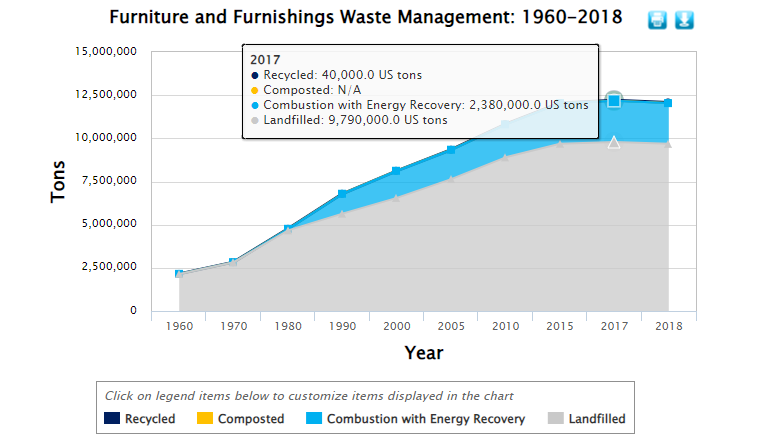
The Environmental Protection Agency (EPA) reported that in 2017 alone, American households generated a staggering 12.2 million tons of furniture waste, 80.2% of which was deposited into landfills. Shockingly, a mere 0.3% of this waste was recovered for recycling. Part of the challenge lies in the material composition of these products, which are not designed for easy disassembly and recycling. This makes it complicated to recycle or upcycle elements, pushing them toward disposal in landfills.
Chemical Concerns
Many conventional outdoor furniture pieces are treated with harmful chemicals to enhance durability and weather resistance. These chemicals can leach into the environment over time, posing risks to human health and wildlife. For example, certain plastic additives have been linked to hormone disruption and other health issues.
Ethical Concerns
The manufacturing processes associated with conventional outdoor furniture may involve exploitative labor practices and disregard for worker safety. From extraction to production, the supply chain of conventional furniture often lacks transparency and accountability, perpetuating social and environmental injustices.
A Showcase of 7 Sustainable Outdoor Furniture Brands
Given the concerns associated with traditional outdoor furniture, it is increasingly important for consumers to consider sustainable outdoor furniture options. These products are designed with longevity and environmental impact in mind, utilizing materials like recycled plastics, responsibly sourced wood, and reclaimed materials.
Besides using eco-friendly materials, brands that make sustainable outdoor furniture adhere to fair trade practices and ensure energy-efficient production. Hence, they are changing the landscape of outdoor furnishings, offering responsible choices that help mitigate these widespread issues.
Unsure which brands to explore when considering your next outdoor furniture purchase? Below is our list of seven sustainable outdoor furniture brands. Each offers a unique selection of stylish and durable pieces designed to enhance your outdoor oasis while minimizing environmental impact.
1. Loll Designs
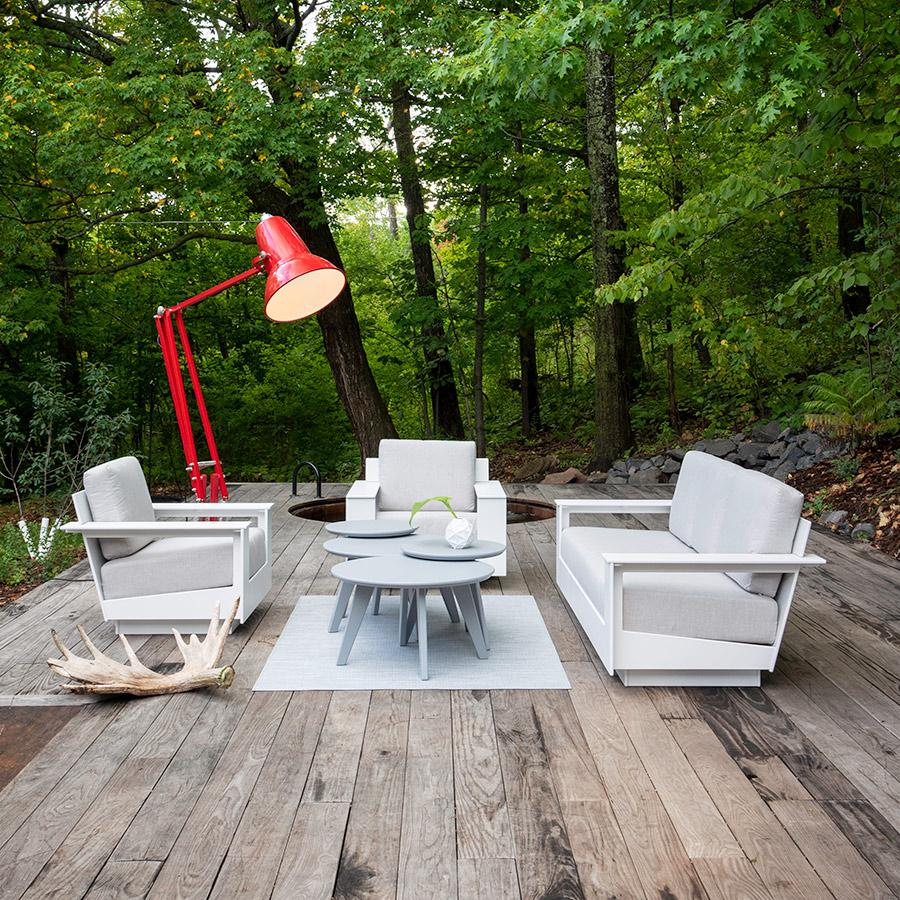
Loll Designs, headquartered in Duluth, Minnesota, is renowned for its innovative utilization of HDPE (high-density polyethylene), partially derived from recycled materials such as milk jug containers and shampoo bottles, in its manufacturing processes. Specializing in all-weather outdoor furniture and accessories, Loll Designs boasts a diverse array of sleek and contemporary outdoor pieces, spanning lounge chairs to dining sets.
An integral part of the brand’s commitment to sustainability is ensuring that its furniture is entirely recyclable, embodying a complete lifecycle approach to sustainability and fostering a circular economy.
2. West Elm
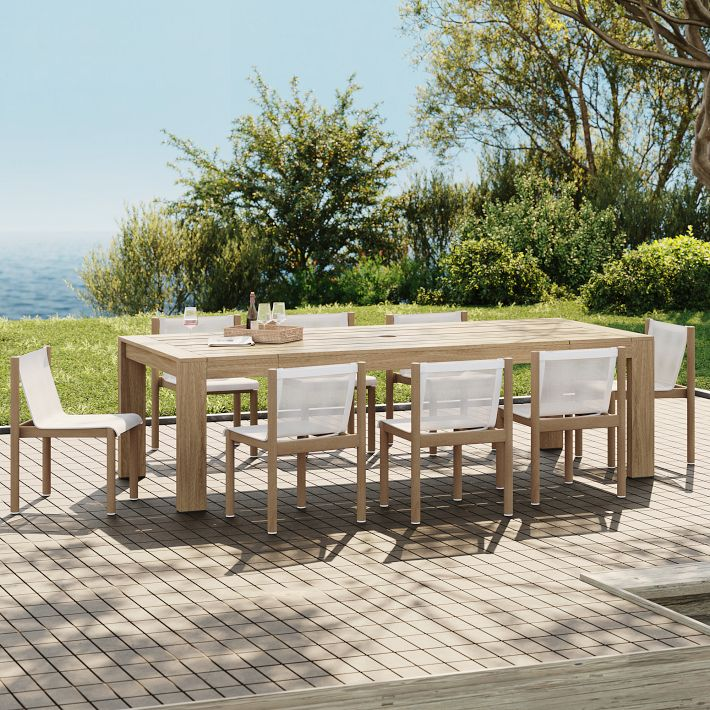
West Elm is a forward-thinking home retailer brand offering a diverse selection of furniture crafted from eco-friendly materials, aligning with its ethos of sustainable living. With a firm belief in the transformative potential of exceptional design, the brand prioritizes ethical production practices to support the artisans and workers behind its products. Furthermore, West Elm actively promotes the maker movement within local communities, championing the growth of small-scale artists and designers, particularly in underserved regions, to foster economic development and creativity.
West Elm delivers a range of eco-friendly patio furniture crafted from responsibly sourced materials. From FSC-certified wood to recycled aluminum, its eco-friendly collections prioritize style and sustainability. Whether you’re searching for a chic outdoor sofa or a statement dining set, West Elm’s offerings will elevate your outdoor space.
3. VivaTerra
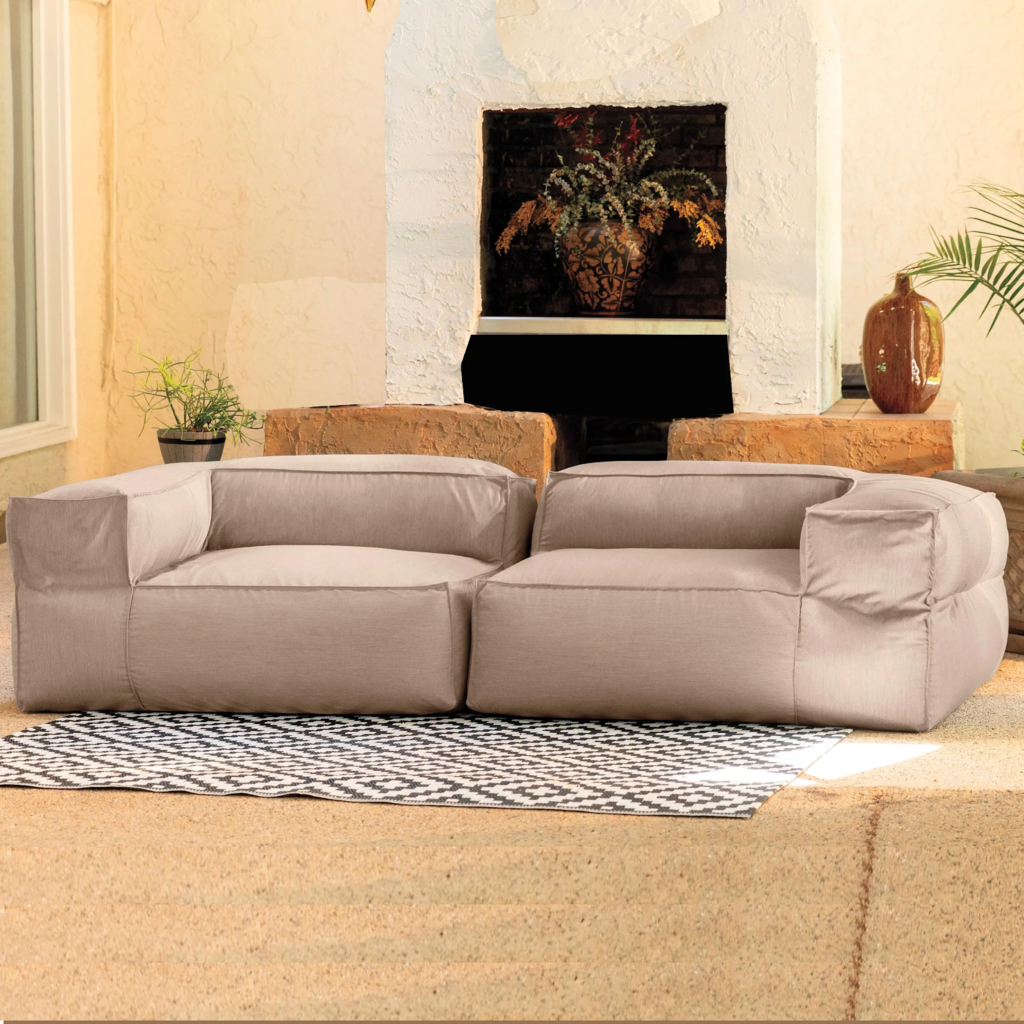
True to its name, VivaTerra, meaning ‘Living Earth,’ exudes a deep commitment to eco-conscious products. Based in Virginia, this brand focuses on furniture crafted from reclaimed or sustainable materials, such as salvaged wood and recycled glass. Moreover, VivaTerra supports artisans and fair trade organizations globally, advocating for equitable working conditions, fair wages, and sustainable community development. By fostering a sustainable market for their goods, VivaTerra benefits artisans and offers customers a curated selection of unique, artisan-made goods and gifts for both home and garden spaces.
VivaTerra’s curated selection of outdoor furniture features pieces handcrafted by artisans using eco-friendly materials. Each purchase from the brand not only promotes sustainability but also ensures the addition of a unique aesthetic to any outdoor space.
4. MasayaCo
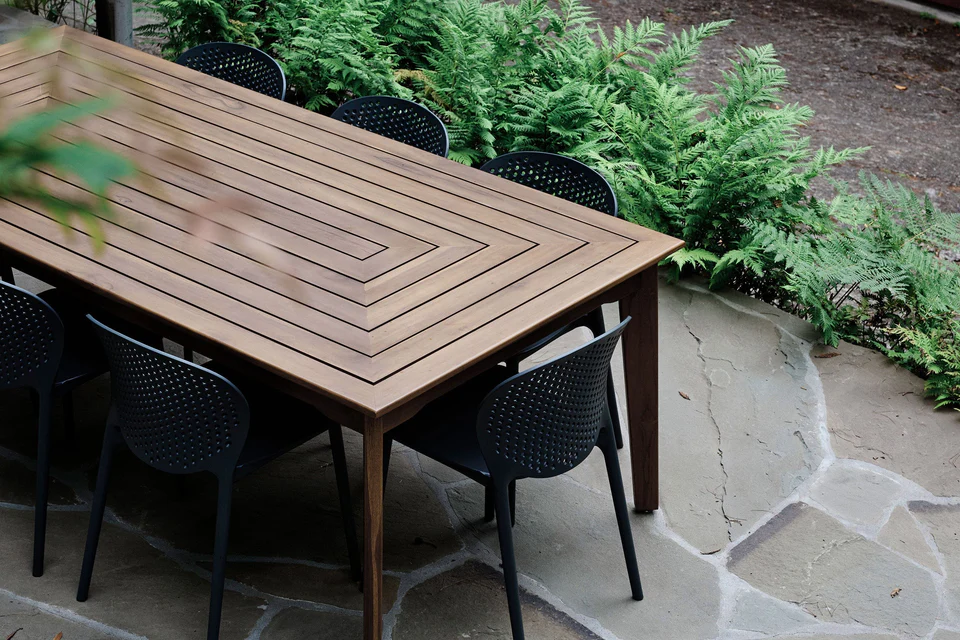
MasayaCo is at the forefront of sustainable furniture craftsmanship, specializing in handcrafted pieces made entirely from trees cultivated in reforestation projects. The brand’s approach, encapsulated in the innovative ‘Seed to Seat’ model, integrates the principles of eco-conscious design with the economic viability of reforestation. With a commitment to preserving natural habitats, MasayaCo ensures that around 40% of the forest it maintains remains untouched, promoting biodiversity and carbon capture.
MasayaCo consciously chooses wood for its fully renewable nature and carbon-capturing properties. By annually planting more trees than it harvests, MasayaCo establishes a replenishing cycle that benefits the environment and supports local economies. To date, its designs have contributed to planting over 1.2 million trees, fostering environmental and economic sustainability.
MasayaCo’s dedication to sustainability extends beyond long-lasting furniture and robust reforestation efforts. It collects certified seed stock, germinates seedlings on-site, and cultivates them over three months before planting. Additionally, the brand donates trees to be planted in public spaces, furthering its commitment to environmental stewardship.
5. Polywood
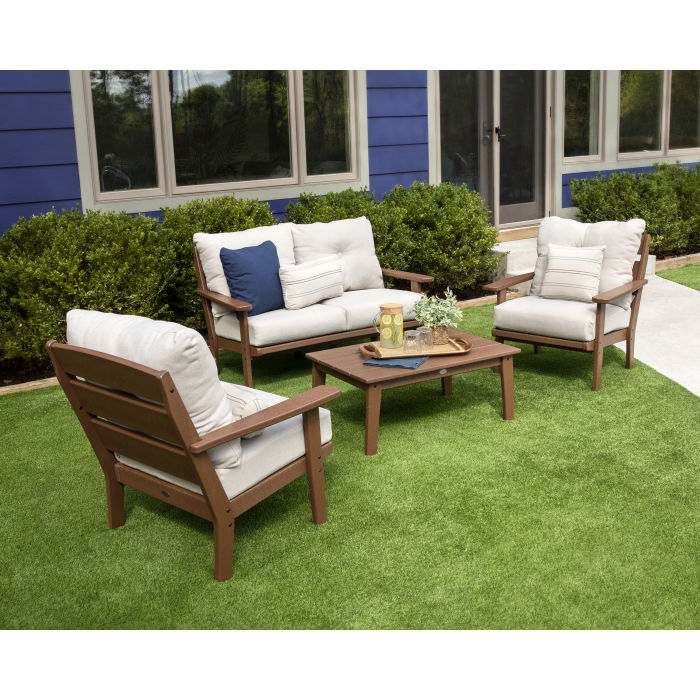
Polywood is a pioneering force in sustainable outdoor furniture, having introduced recycled plastics into the industry in 1990. Continuously pushing the boundaries of innovation, Polywood remains committed to creating increasingly sustainable designs, offering meticulously crafted furniture that lasts for years.
Crafted in the USA, Polywood’s outdoor furniture sets the standard for durability and eco-consciousness. Constructed from recycled plastic lumber, they resist fading, cracking, and splintering. They also come in various styles and colors to complement any outdoor aesthetic.
At the core of Polywood’s ethos is a genuine dedication to recycling and waste reduction, evident in its circular, 99% waste-free production process. With a focus on genuine recycling, Polywood transforms millions of landfill-bound and ocean-bound plastic containers into durable lumber for their furniture collections, preventing plastics from reaching landfills and oceans.
6. MAMAGREEN
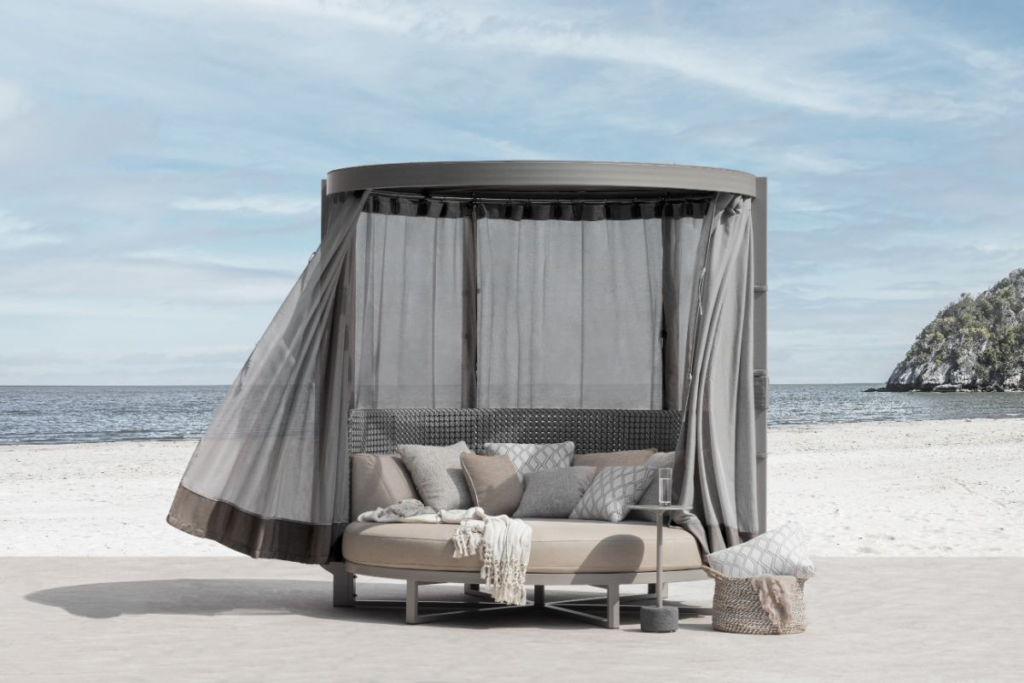
Founded by Belgian designpreneur Vincent Cantaert and incorporated in the USA, MAMAGREEN illustrates eco-luxury with its striking use of recycled teak from abandoned buildings. The brand combines this sustainable wood with other green materials to produce a contemporary, luxe outdoor furniture collection that seamlessly transitions between outdoor and indoor spaces.
Operating from a company-owned and operated manufacturing facility in Java, Indonesia, MAMAGREEN supports over 400 skilled artisans who meticulously handcraft its pieces. To uphold the well-being of its workforce and their families, the brand implements state-of-the-art safety and health measures, improves living standards, and provides continuous education and training.
By prioritizing materials that are as eco-friendly as they are visually appealing and ensuring the welfare of its people, MAMAGREEN sets a high bar for sustainable luxury outdoor furniture.
7. Eco Outdoor
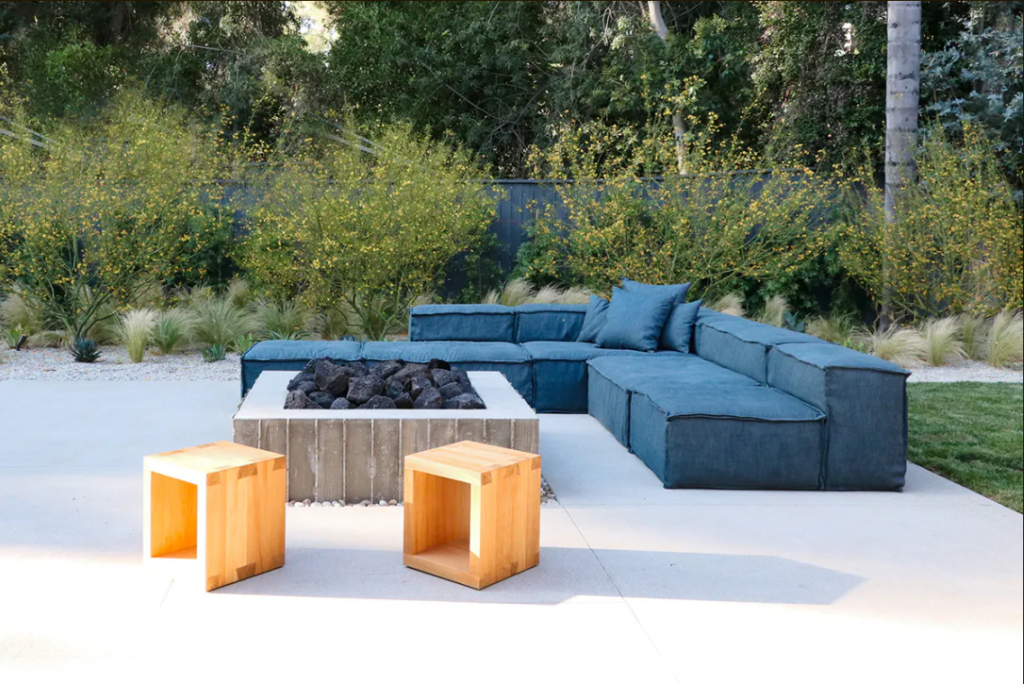
Eco Outdoor is an Australian brand that has earned acclaim for using natural, sustainable materials renowned for their durability. Hence, the brand’s furniture showcases a harmonious blend of aesthetics and environmental consciousness. Committed to minimizing its ecological footprint, Eco Outdoor consistently seeks innovative approaches to enhance sustainability throughout its sourcing and manufacturing processes.
In crafting outdoor furniture that withstands the elements, Eco Outdoor prioritizes the unparalleled qualities of teakwood. Sustainably sourced from an Indonesian plantation, the brand’s teak boasts a raw, untreated finish that matures gracefully over time, promising decades of use and enjoyment. Additionally, Eco Outdoor explores the versatility of materials like aluminum and stainless steel, leveraging their durability and recyclability to create furniture pieces that marry functionality with artistic expression. This thoughtful approach not only ensures longevity but also minimizes the need for frequent replacements, making Eco Outdoor’s furniture a sustainable investment for years to come.
What to Look For When Buying Sustainable Outdoor Furniture
Investing in sustainable outdoor furniture should go beyond aesthetics; it should also be about making a conscious choice that aligns with your values and contributes to a healthier planet. So, when shopping for sustainable outdoor furniture, here are some key factors to consider:
- Materials: Opt for furniture made from eco-friendly materials such as recycled plastics, reclaimed wood, or FSC-certified wood. These materials minimize environmental impact and promote responsible sourcing practices.
- Durability: Look for furniture that is built to last. Choose pieces made from sturdy materials that can withstand outdoor elements without deteriorating quickly. This helps reduce the need for frequent replacements, minimizing waste and resource consumption.
- Manufacturing Processes: Research the brand’s manufacturing processes to ensure they prioritize sustainability and ethical practices. Look for outdoor furniture companies that use renewable energy, minimize waste, and prioritize fair labor practices throughout their supply chain.
- Recyclability: Consider the end-of-life options for the furniture. Opt for pieces that are fully recyclable or made from materials that can be easily recycled at the end of their lifespan. This ensures that the materials can be repurposed rather than ending in landfills.
- Certifications: Look for certifications such as Cradle to Cradle, Fair Trade, Forest Stewardship Council (FSC), or GREENGUARD certification, which indicate that the furniture meets rigorous environmental and social standards. These certifications provide assurance that the furniture has been responsibly sourced and manufactured.
Making Your Sustainable Outdoor Furniture Last Longer
Although sustainable outdoor furniture is made to last, proper care and maintenance will help maximize its lifespan, minimizing the need for replacements and reducing waste. Doing so will also preserve your investment and contribute to a more sustainable lifestyle. Here are some tips to make your sustainable outdoor furniture last longer:
- Regular Cleaning: Keep your furniture clean by regularly wiping it down with a mild soap and water solution. This helps remove dirt, grime, and environmental pollutants that can cause deterioration over time.
- Protective Covers: Consider using protective covers during inclement weather or when the furniture is not in use. This helps shield the furniture from harsh elements like rain, snow, and UV rays, prolonging its lifespan.
- Storage: Store your outdoor furniture indoors or in a covered area during the off-season. This protects it from prolonged exposure to the elements and reduces the risk of damage or deterioration.
- Refinishing: Periodically refinish or reseal outdoor furniture made from wood to protect it from moisture, UV damage, and wear. This helps maintain its appearance and prolongs its lifespan.
- Avoid Harsh Chemicals: Refrain from using harsh chemicals or abrasive cleaners on your furniture, as they can damage the finish and accelerate deterioration. Stick to mild, eco-friendly cleaning solutions instead.
- Regular Inspections: Routinely inspect your outdoor furniture for signs of wear, damage, or loose hardware. Addressing any issues promptly helps prevent further damage and ensures your furniture remains in good condition for years to come.
Conclusion
Investing in sustainable outdoor furniture is a choice for style and comfort and a commitment to responsible consumerism and environmental stewardship. By choosing brands that prioritize eco-friendly materials and production methods, you can create a stylish outdoor space while minimizing your carbon footprint. Whether it’s recycled plastics, responsibly sourced wood, or reclaimed materials, there are plenty of options available to support a greener lifestyle.
Frequently Asked Questions
What makes outdoor furniture sustainable?
Sustainable outdoor furniture is characterized by using recycled, upcycled, or responsibly sourced materials. These practices ensure minimal environmental impact and support sustainable forestry and recycling initiatives.
How does purchasing sustainable furniture impact the environment?
Purchasing sustainable furniture helps reduce waste, lower carbon emissions, and conserve natural resources. It also supports industries prioritizing renewable energy and ethical labor practices, contributing to broader environmental and social benefits.
Are sustainable outdoor furniture options more expensive than traditional ones?
While sustainable furniture can sometimes be more expensive due to the high cost of ethical sourcing and premium materials, prices vary widely between brands. Additionally, sustainable furniture’s durability and timeless design offer long-term savings and value.
Can sustainable furniture be stylish and modern?
Absolutely. Many sustainable furniture brands offer contemporary and versatile designs that match various personal styles and outdoor decor trends. The innovative use of sustainable materials often adds unique textures and character to the furniture.
How can I verify the sustainability claims of a furniture brand?
Look for certifications such as FSC for wood sourcing, Cradle to Cradle, or GREENGUARD. Brands transparent about their sourcing and manufacturing processes are usually a good indicator of genuinely sustainable practices.