In the rising heat of summer, or frankly, any time of the year, nothing quite matches the sheer satisfaction of sipping on a cold brew coffee. Appreciated for its smooth, mellow flavor that skips the acidity often found in its hot-brewed counterpart, cold brew coffee has soared in popularity.
Citing insights from the National Coffee Association (NCA) USA’s market research, the Food Beverage Insider highlighted a staggering 300% surge in cold brew coffee demand since 2016, attributed to home brewing and ready-to-drink offerings.
The data further revealed a remarkable uptick in cold brew consumption habits: a 73% rise in occasional drinkers and a 60% increase in regular consumers since 2019. Moreover, there’s been a 32% spike in individuals crafting their cold brew at home since the same year.
Yet, as the demand for this chilled coffee delight grows, so does the need for sustainable and health-conscious choices. This highlights the benefits of organic cold brew coffee brands that promise a refreshing sip and an eco-friendly footprint.
Join us in exploring what cold brew is and understanding concerns surrounding traditional coffee production. We’ll also introduce you to nine organic cold brew coffee brands that deliver exceptional flavor and champion sustainable practices.
Key Takeaways
- Cold brew coffee is made by steeping coffee grounds in cold water for an extended period
- Organic cold brew coffee is less acidic and smoother than hot brewed coffee.
- Cold brew remained a niche beverage until 2015. Today almost every local coffee shops sell their various versions of cold brew, making this drink as popular as its hot brewed counterpart.
- Choosing organic brands supports sustainable farming practices.
- The top nine organic cold brew brands outlined here offer unique flavors and eco-friendly options.
- Pairing cold brew coffee with the right flavors and foods can enhance your coffee-drinking experience.
- Understanding the impact of conventional coffee production underlines the importance of choosing organic.
What Is Cold Brew?
Before diving into the world of organic cold brew coffee brands, it’s essential to understand what cold brew is and what sets it apart from other coffee types.
Unlike traditional coffee, which is brewed quickly using hot water, cold brew coffee is made by steeping coffee grounds in cold water for an extended period, usually 12 to 24 hours. This slow extraction process results in a smoother, naturally sweeter, and less acidic coffee concentrate. Once diluted with water or milk, it’s ready to be enjoyed.
The New York Times said cold brew remained a niche beverage until 2015. However, with Starbucks‘ widespread adoption of the drink, it has become ubiquitous across its 13,000+ U.S. outlets. This once niche concoction now boasts mainstream popularity–readily available in artisanal coffee houses and fast food chains.
Cold brew isn’t a recent innovation, however. As outlined in The Guardian’s piece “Coffee: how cold-brew became the hot new thing,” it’s a centuries-old tradition known to the Japanese as Kyoto coffee. Dutch traders from Indonesia are said to have brought it to Japan in the 1600s. They likely devised it as a means of preparing portable coffee in bulk, which could be reheated or enjoyed cold at a later time.
As per insights from the Coffee Magazine, alternative theories regarding the origin of cold brew trace back to Latin America, specifically Peru, Guatemala, or even Java. However, substantiating these claims remains equally challenging.
Sustainable Issues in Conventional Coffee Production
There’s no denying that cold brew coffee is a favored choice among caffeine enthusiasts seeking a smoother, less acidic option. However, understanding its less transparent aspects empowers consumers to make informed decisions about their coffee consumption.
The journey of coffee from bean to brew, whether served hot or cold, is fraught with environmental and ethical challenges.
Deforestation, water pollution, and the use of harmful pesticides are just the tip of the iceberg. Furthermore, conventional coffee farming practices frequently perpetuate child labor and offer unfair wages and working conditions for farmers and workers, compounding the industry’s issues.
According to the Food Empowerment Project, coffee farmers typically receive a mere 7–10% of the retail price of coffee, with Brazilian workers earning less than 2%. This meager income often forces parents to withdraw their children from school to help on the plantations. When coffee prices rise, families facing financial hardship are more likely to prioritize labor over education. Conversely, a decline in coffee prices exacerbates poverty in regions reliant on the crop, hindering children’s access to schooling.
Additionally, the report highlights the prevalence of debt peonage among coffee workers, effectively enslaving them to repay debts. Many are employed on large plantations owned by wealthy elites, where access to essential goods is restricted to the estate shop. Constrained by long hours and limited transportation, workers are compelled to purchase goods at inflated prices, leaving them with little or no compensation for their arduous labor. Consequently, they often become indebted to the plantation, perpetuating a cycle of forced labor to settle their debts.
Why Opting for Organic Cold Brew is a Great Choice
The practices outlined above degrade the environment and threaten the health and well-being of local communities and wildlife. This emphasizes the importance of supporting sustainable and ethical coffee production, a principle central to the ethos of organic cold brew.
Organic coffee is grown without synthetic pesticides or fertilizers in a manner that supports the earth’s ecosystems rather than depleting them. Organic farms often prioritize biodiversity, conserve water, and focus on soil health, creating a more sustainable environment for coffee to thrive.
Moreover, organic certification requires adherence to specific social criteria. This ensures fair wages and good working conditions for farmers and workers, enabling them to thrive and properly support their families.
Put simply, opting for organic cold brew lets you enjoy a delicious beverage while contributing to a more sustainable and ethical coffee industry.
9 Organic Cold Brew Coffee Brands for Sustainable and Refreshing Enjoyment
1. Wandering Bear

Known for its extra strong organic cold brew, Wandering Bear offers a bold flavor and a significant caffeine jolt in eco-friendly, recyclable packaging. You can choose from the brand’s diverse cold brew flavors: straight black, vanilla, caramel, hazelnut, mocha, decaf black, cinnamon, and toasted coconut.
Wandering Bear’s commitment to organic, fair-trade coffee beans sourced from Peru, Mexico, and Nicaragua makes it one of the best cold brew coffee brands for the environmentally conscious coffee lover.
2. La Colombe

La Colombe is a leader in the coffee world, providing organic cold brew options, including its nitrogen cold brew cans, with a creamy, smooth texture that’s hard to beat. If you’re inclined to craft your own cold brew at home, the brand also provides a convenient cold brew concentrate. By just adding water and your favorite fixings, you can effortlessly create a delicious cold brew concoction tailored to your taste preferences.
Sourced from single-origin beans, La Colombe cold brews are as ethical as they are delicious.
3. Chameleon

Chameleon prides itself on its organic, sustainably sourced beans. It offers a variety of cold brew ready-to-drink bottles and concentrates that are crafted for your enjoyment. Each concentrate undergoes an 11+ hour steeping process, using air-roasted, certified organic Arabica beans. Chameleon organic cold brew flavors range from black to vanilla and even mocha, all while focusing on sustainability.
4. Califia Farms
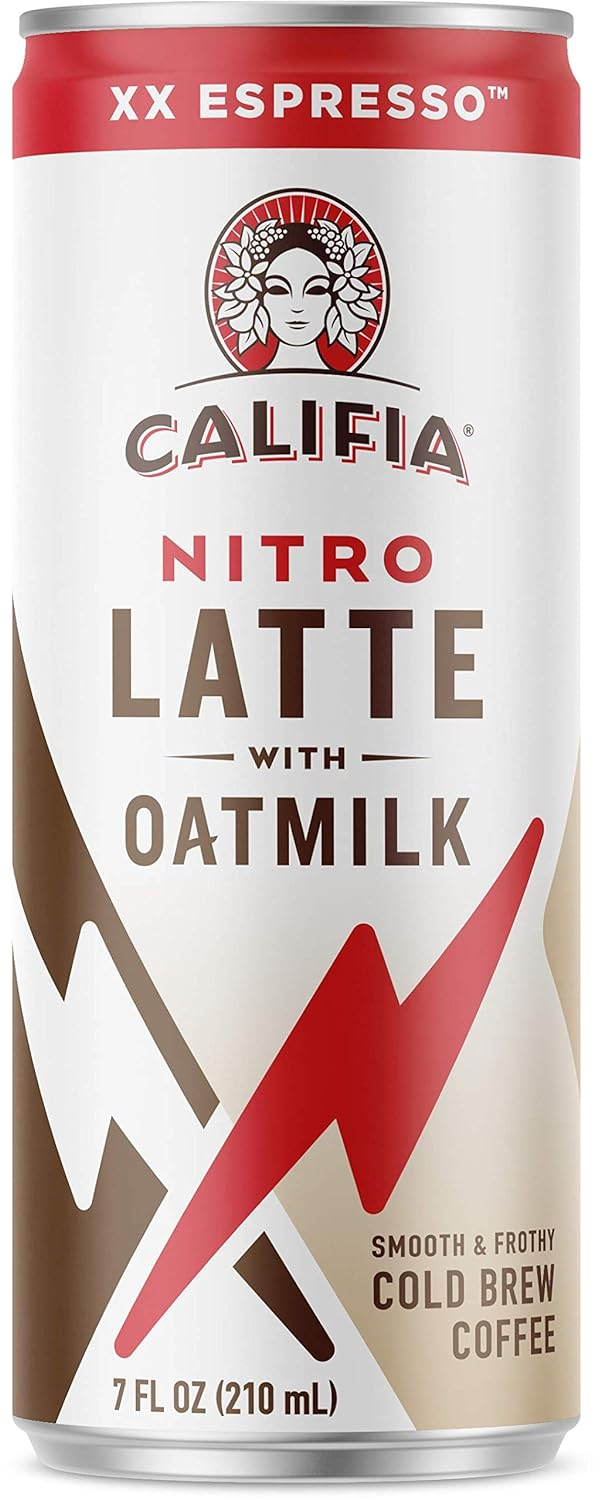
While known for plant-based milks, Califia Farms also offers an impressive array of organic cold brew coffee drinks. Its Nitro Cold Brew with oat milk is a creamy, dairy-free delight that doesn’t compromise the rich coffee flavor or the planet, making it a perfect pick-me-up. Likewise, the brand’s unsweetened cold brew concentrate is an ideal base for a refreshing custom coffee.
5. Stumptown Coffee Roasters
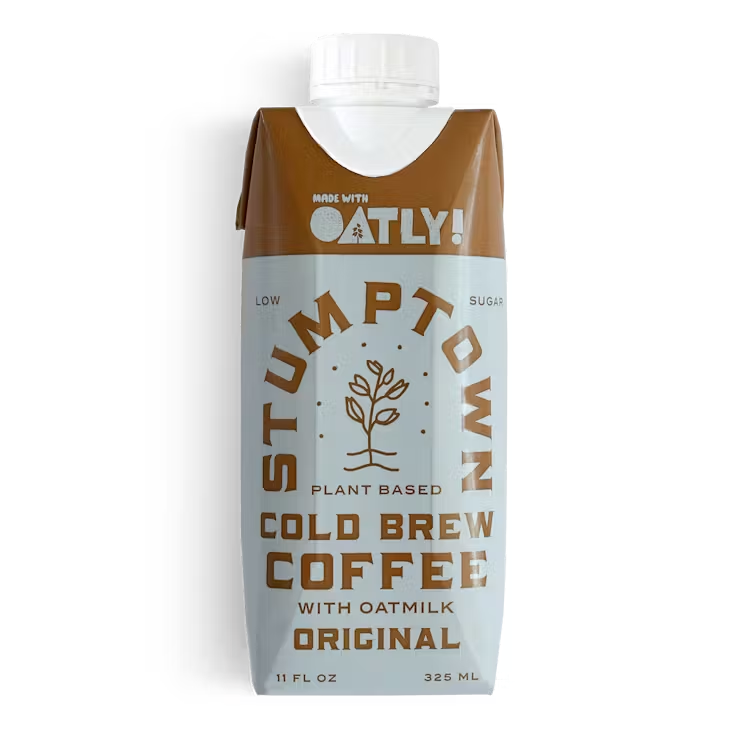
Stumptown produces excellent coffees using organic, direct-trade coffee beans. Its selection of ready-to-drink organic cold brews packs a robust caffeine punch while remaining low in sugar and entirely vegan and gluten-free. Take your pick from original, Horchata, and chocolate flavors, all blended with Oatly oat milk for a delightful non-dairy twist.
Stumptown’s commitment to quality and ethical sourcing is evident in each sip of their delicious cold brew.
6. Grady’s Cold Brew
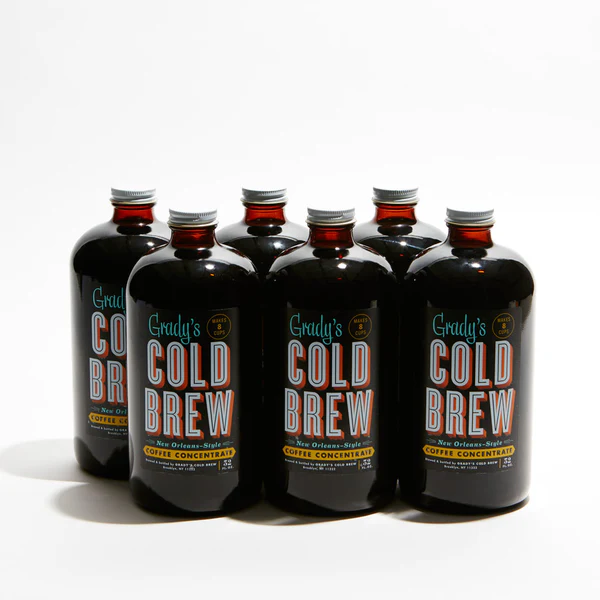
Grady’s distributes a New Orleans-style cold brew concentrate that’s not only organic but also sustainably packaged. Its unique chicory-flavored coffee is velvety smooth, offering something a little different for cold brew enthusiasts.
For coffee lovers keen on crafting their own brew, Grady’s extends cold brew kits, each comprising a “Pour and Store” Pouch and twelve bean bags, yielding 36 servings of cold brew. The pouch boasts reusability, allowing for sustainability in your brewing routine.
7. Trader Joe’s

For those seeking convenience in their cold brew without sacrificing quality, Trader Joe’s presents various options that fit the requirements. Choose from Black or Vanilla Cold Brew in cans, nitro-infused Organic Cold Brew in a glass bottle, Cold Brew Coffee Bags for home brewing, and a selection of Cold Brew Concentrates.
Trader Joe’s Ready to Drink Cold Brew Coffee offers both affordability and taste, packaged in a large-format bottle for multiple servings, akin to the brand’s Concentrates. What sets it apart is its undiluted contents, eliminating the need for water dilution and streamlining the preparation process. Easy to find and prepare, it’s a great entry point into the world of organic cold brews.
8. Dark Matter Coffee

Chicago-based coffee brand Dark Matter Coffee offers a range of innovative and ethically sourced cold brews. The brand takes creativity to the next level with its unique flavor profiles housed in its iconic ‘coffee cold cans,’ adorned with vibrant artwork.
Dark Matter Coffee’s commitment to organic, fair-trade practices makes its cold brews a guilt-free pleasure.
9. High Brew
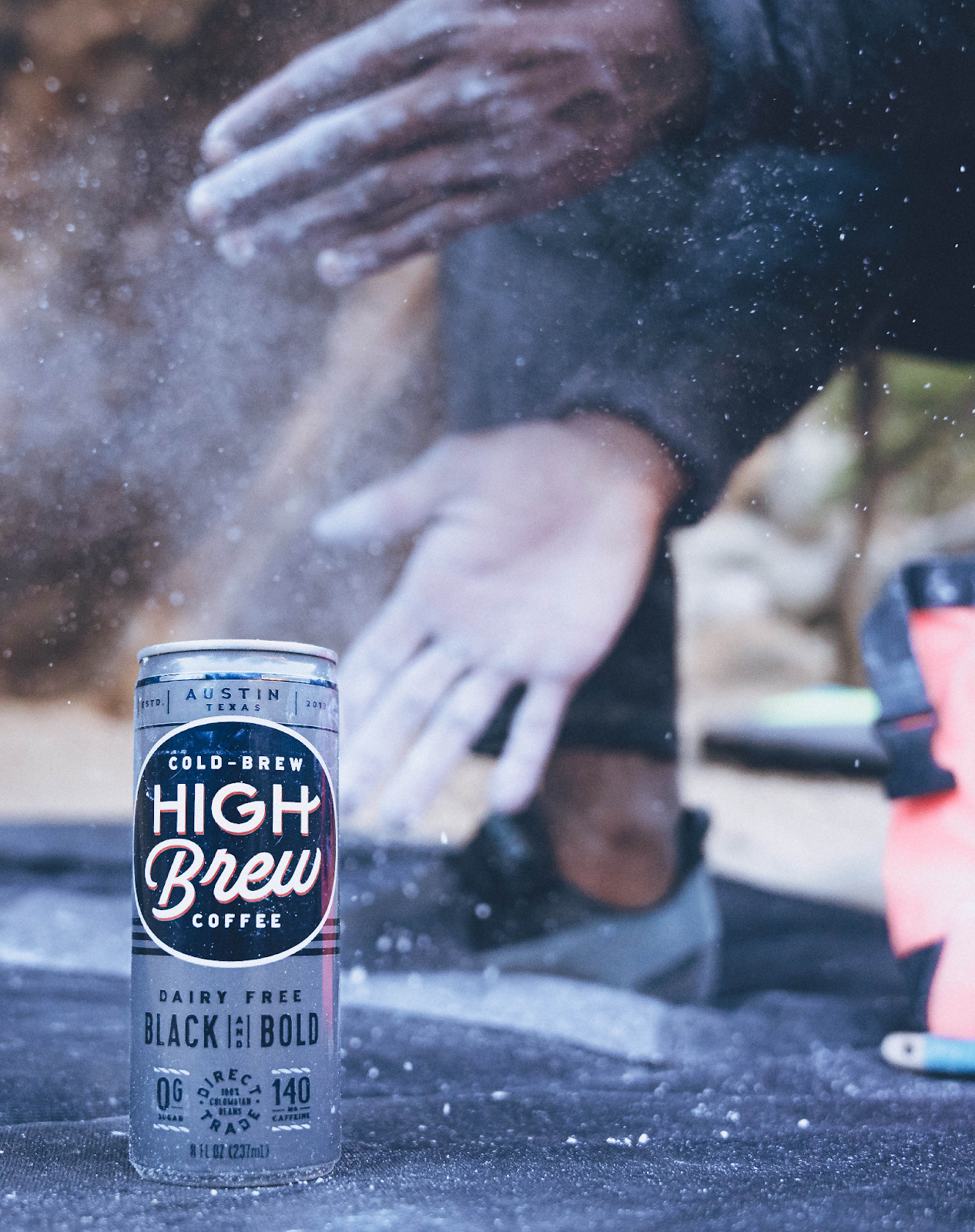
High Brew offers direct-trade organic cold brew options steeped for over 12 hours to extract maximum flavor and caffeine. They are available in various flavors, including dairy-free black, creamy cappuccino, peppermint mocha, nitro caramel, and nitro sweet cream. They also come in convenient, grab-and-go cans, making them an ideal choice for busy coffee drinkers on the move.
Best Cold Brew Coffee Pairings
While cold brew coffee is delightful on its own, it also pairs well with various flavors, making it a versatile beverage for any occasion. Here are a few suggestions:
- For a classic pairing, try cold brew with milk or alternative milk options like oat milk for a creamy texture and slightly sweet flavor.
- For an indulgent treat, add a splash of flavored syrup, coffee creamer, or chocolate sauce to your cold brew for an extra burst of sweetness.
- For a refreshing twist, experiment with cold brew cocktails by combining cold brew with tonic water, citrus, or spirits like vodka or rum.
Pairing cold brew coffee with the right foods can also bring your coffee experience to new heights.
- The natural sweetness and low acidity of cold brew make it an excellent match for pastries and sweet breakfast items like pancakes or waffles.
- Believe it or not, cold brew can also stand up to savory dishes. Try it with a brunch spread of eggs and bacon or even alongside a hearty sandwich.
Cold brew coffee opens up a world of possibilities, empowering you to tailor your coffee-drinking experience to your exact taste preferences. If you’re feeling adventurous and eager to craft your own cold brew at home rather than opting for store-bought cold brew options, consider this comprehensive eight-point guide to mastering the art of cold-brewing coffee.
Conclusion
When it comes to sustainability and taste, the organic cold brew coffee brands we have listed here offer a winning combination. Hence, opting for their organic cold brew coffee options is a refreshing way to enjoy your daily caffeine fix while supporting sustainable and ethical farming practices.
Whether you prefer bold and strong or smooth and mellow, an organic cold brew brand is out there to suit your taste preferences. Make the switch to organic cold brew today and savor the flavor while supporting a healthier planet.
Frequently Asked Questions
Is cold brew coffee less acidic than hot brewed coffee?
Yes, cold brew coffee is typically less acidic than hot brewed coffee due to its slower extraction process, which results in a smoother and less bitter flavor profile.
What is the caffeine content of cold brew coffee compared to hot brewed coffee?
Cold brew coffee tends to have a higher caffeine content than hot brewed coffee due to its longer extraction time. However, the caffeine content can vary depending on factors such as the coffee beans used and the brewing method.
How long does cold brew coffee last in the fridge?
Once brewed, cold brew coffee can last up to two weeks in the refrigerator, although its best flavor is usually within the first week.
Can I make cold brew coffee at home?
Yes, you can easily make cold brew coffee at home using coarsely ground coffee beans and cold water. Simply steep the coffee grounds in water for 12 to 24 hours, strain, and enjoy over ice or diluted with water or milk.
Is organic cold brew coffee more expensive than conventional cold brew?
Organic cold brew coffee may be slightly more expensive than conventional cold brew due to the higher cost of organic certification and sustainably sourced ingredients. However, many consumers find the benefits of organic cold brew, both in terms of taste and sustainability, to be worth the investment.