

“It is worse, much worse than you think.” With these stark words, we’ll deeply dive into the challenges we face in the environmental movement through the 2020s and beyond.
No, we’re not discussing the coronavirus pandemic here. The focus is on an even more pervasive crisis: climate change.
The powerful quote above from David Wallace-Wells, author of “The Uninhabitable Earth,” serves as a wake-up call to the gravity and immediacy of the threat posed by climate change, urging action and awareness not just on Earth Day but every day.
Key Takeaways
- The threat of climate change loomed larger than ever in the 21st century and beyond.
- Human activities are identified to be the biggest drivers of climate change.
- If humans continue doing activities that produce significant greenhouse gases, we could push CO2 emissions past the 1.5 degrees Celsius threshold
- Project Drawdown’s list offers effective solutions to mitigate the climate crisis.
- Collective action is essential in shaping a sustainable future.
- Embracing renewable energy and conservation efforts is crucial for safeguarding the planet.
- Every individual has a role to play in promoting environmental sustainability.
The Earth in 2020 and Beyond
Racing against time, humanity finds itself at a critical juncture. The year 2020 marked a pivotal moment as the world grappled with unprecedented challenges—pandemics, wildfires, and extreme weather events.
Amidst those crises, the threat of climate change loomed larger than ever. Global emissions soared, ecosystems faltered, and the resilience of our planet was tested.
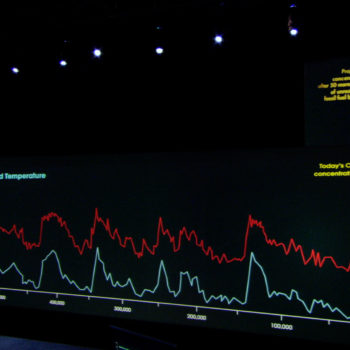
As of April 22nd, carbon dioxide (CO2) concentrations stood at 415.60 parts per million (ppm). By February 16, 2024, this figure had increased to 423.05 ppm, and it’s expected to rise even further in the future.
Given the strong link between the amount of carbon in the atmosphere and global temperatures, this CO2 concentration can essentially act as a key indicator—a “magical number,” if you will—not only for the current state of emissions but also for future trends in global warming.
Since the Industrial Revolution, CO2 concentrations have steadily risen, and the bulk of this increase has occurred over the last half-century. What could have driven such acceleration of climate change?
The Natural Resources Defense Council explains that the climate change we’re witnessing is often called “anthropogenic.” This term simply means human beings cause it.
Various human activities produce greenhouse gases, which trap heat and warm the planet. These include:
- Burning fossil fuels for energy (like coal, oil, and gas).
- Deforestation, which reduces the number of trees that can absorb CO2.
- Industrial processes and manufacturing.
- Agriculture, including livestock farming which produces methane.
- Waste management, especially in landfills where decomposing trash releases methane.
- Transportation, which is heavily reliant on burning fossil fuels.
In 2021, the United States Environmental Protection Agency highlighted that in the U.S., the primary source of greenhouse gas emissions was burning fossil fuels for electricity, heat, and transportation.
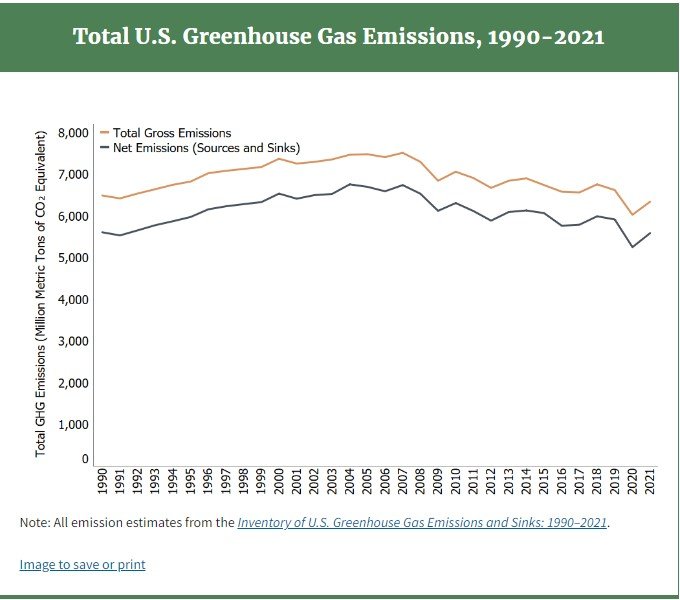
Image Source: https://www.epa.gov/ghgemissions/sources-greenhouse-gas-emissions
Breaking it down by sector, transportation was at the forefront, responsible for 28% of emissions. This was narrowly edged out by electricity production, which accounted for 25%, and industrial activities at 23%. Following these were the commercial and residential sectors at 13%, agriculture with a 10% contribution, and land use and forestry at 12%.
| Sector | Share of 2021 GHG Emissions | Description |
|---|---|---|
| Transportation | 28% | Emissions are primarily from burning fossil fuels in cars, trucks, ships, trains, and planes. |
| Electricity Production | 25% | Emissions from electricity production are mainly from burning fossil fuels like coal and natural gas. |
| Industry | 23% | Emissions from burning fossil fuels for energy and chemical reactions in producing goods. |
| Commercial and Residential | 13% | Emissions from fossil fuels are burned for heat, refrigeration, cooling, and electricity use in buildings. |
| Agriculture | 10% | Emissions from livestock, agricultural soils, and rice production. |
| Land Use and Forestry | Offset 12% | Land areas act as sinks (absorbing CO2) or sources of emissions, with managed forests offsetting 12%. |
The UN Intergovernmental Panel on Climate Change released a report indicating we only had 12 years to keep global temperature rise from surpassing the 1.5 degrees Celsius goal set out in the Paris Agreement.
Keeping in step with commitments would require countries to cut their CO2 emissions by 45% by 2030 and to ZERO by 2050. That means ZERO emissions from cars, power plants, homes, and more.
If humans continue with business as usual and push past the 1.5 degrees Celsius threshold, human civilization may look unrecognizable only a few decades from now.
One-third of all plant and animal species might be extinct by 2070. Biblical floods might become commonplace. Rainforests might turn into deserts. Sea level rise might force millions of people to flee for higher ground. Famine and thirst might spread, driven by water shortages.
Notice the operative word in each of those sentences: might. Here at the Sustainable Review, we take a cautiously optimistic view that we can undo the biggest mess we’ve ever created. We believe in the power of collective action to rise above humanity’s worst challenges. As we like to say, we strive to encourage eco-centric decisions rather than ego-centric decisions.
Solving the Climate Crisis Today and Tomorrow
The urgency of the climate crisis cannot be overstated. Without swift and decisive action, the consequences for our planet could be dire. Rising temperatures, extreme weather events, and dwindling resources threaten to reshape the very fabric of our existence. However, amidst the challenges lies hope.
Experts and activists alike believe we can make this shift. Project Drawdown, founded by environmentalists and entrepreneurs Paul Hawken and Amanda Ravenhill, is a major source of this optimism.
The global research organization identifies, reviews, and analyzes the most viable solutions to stop global warming, aiming to reverse it eventually. The project compiles and presents 100 of the most effective solutions to solving climate change in a way that businesses, governments, and individuals can implement, and the research is still ongoing.
The term “drawdown” refers to the point in time when the concentration of greenhouse gases in the atmosphere begins to decline on a yearly basis consistently. This initiative covers a wide array of strategies across various sectors, including renewable energy, food systems, land use, transportation, and materials management. By focusing on scientifically proven methods to reduce carbon emissions and sequester carbon, Project Drawdown offers a blueprint for combating climate change effectively.
Aside from such an initiative, different governments around the world are also taking action to combat climate change. Here are some strategies and measures they are taking, according to the Council on Foreign Relations:
Carbon Pricing
Governments use carbon pricing mechanisms such as carbon taxes or emissions trading systems (ETS) to incentivize companies to reduce their carbon footprint. By putting a price on carbon, it encourages investment in cleaner alternatives.
Since introducing a national carbon tax in 1991, Sweden is a pioneering example of success in environmental policy. By implementing this tax, it managed to reduce its greenhouse gas emissions by 27%. Contrary to the fears of critics who thought such a tax would harm the economy, Sweden has seen its gross domestic product (GDP) actually double in the years since. This success story has encouraged over forty other countries around the world to adopt their own versions of a national carbon tax. Notable examples include Argentina, Canada, Japan, Singapore, and Ukraine. These moves highlight a growing global recognition that economic growth and environmental protection can go hand in hand.
Ratifying International Agreements
Governments sign and commit to international agreements that aim to limit global warming to well below 2 degrees Celsius above pre-industrial levels. These agreements often include commitments to reduce greenhouse gas emissions and shift towards a more sustainable, low-carbon economy.
The Paris Agreement stands as a landmark in the fight against climate change, demanding nearly 200 signing countries to establish their own objectives for cutting greenhouse gas emissions. With almost every nation on board, this agreement has witnessed commitments from over sixty countries—including leading emitters like the United States and China—to reach net-zero emissions by 2060.
Investing in Technology
Governments have historically backed the development of groundbreaking technology, from the internet to autonomous vehicles. In recent years, this support has extended to technologies that significantly lower greenhouse gas emissions, including investments in solar, wind, hydroelectric, and other renewable energy sources to help transition the energy sector away from fossil fuels. Incentives for producers and consumers and the falling costs of renewable energy technology—up to 88% cheaper in the last decade–are helping accelerate the adoption.
Other Initiatives
In addition to the previously discussed strategies, governments are adopting various approaches to tackle climate change effectively. These include:
- Funding Research and Innovation: Governments are investing in scientific research and technological innovation to discover new methods and technologies for addressing climate challenges. This includes developing more efficient renewable energy technologies, creating sustainable materials, and improving climate modeling and forecasting.
- Protection and Restoration of Natural Ecosystems: Beyond forests, mangroves, and wetlands, governments are focusing on preserving biodiversity and restoring degraded landscapes. This includes initiatives to conserve coral reefs, grasslands, and mountain ecosystems, which play key roles in carbon sequestration and provide critical habitats.
- Promoting Sustainable Agriculture: To reduce the environmental impact of farming, governments are encouraging sustainable agricultural practices that minimize chemical use, reduce water consumption, enhance soil health, and lower greenhouse gas emissions. This may involve supporting organic farming, crop rotation, agroforestry, and precision agriculture techniques that optimize resource use.
- Implementing Adaptation Policies and Programs: Recognizing that some level of climate change is unavoidable, governments are also focusing on adaptation measures to protect communities, especially the most vulnerable ones. This encompasses building resilient infrastructure, developing early warning systems for extreme weather events, improving water resource management, and planning for sea-level rise and coastal erosion.
Climate Crisis: What the Future Holds
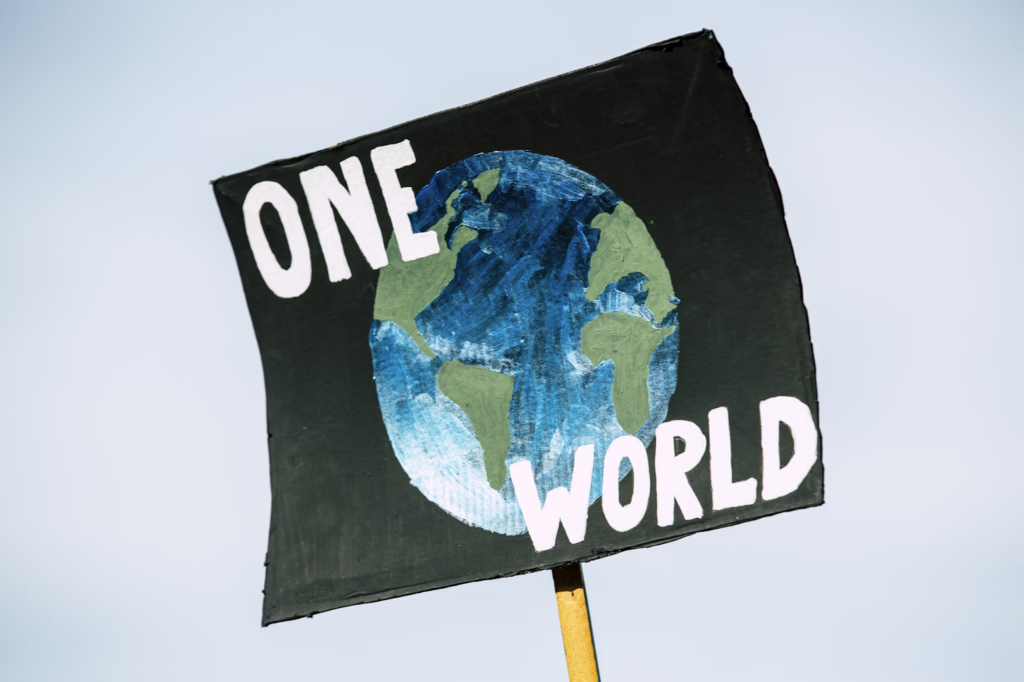
The climate crisis is an unparalleled threat. It’s easy to feel overwhelmed or disheartened. Frankly, it’s natural to lament how we’ve treated our planet and how hopeless it feels to live life as if there’s nothing worth fighting to preserve.
Looking ahead, the choices we make today will shape the world of tomorrow. Will we continue down the path of environmental degradation, or will we rise to the challenge and chart a course toward a brighter future? The answer lies in our collective actions.
All of the necessary tools and technologies to solve the climate crisis are already sitting in society’s toolbox. All we need is the political will and the collective strength to push those in power to upend the status quo and opt for transformative change.
Embracing a green future presents the most potential to reshape our society in numerous beneficial ways, offering an incredible chance to fundamentally improve life around the globe.
So, how do we achieve this monumental task, and what would a greener future entail? The journey begins with further investments in energy efficiency and renewable energy sources. This proactive step would lay the groundwork for a sustainable future where we:
- Decarbonize Transportation: Transitioning planes, trains, and automobiles to clean, efficient, and accessible forms of movement would revolutionize how we travel while significantly reducing global emissions.
- Transform Food Production: By reducing reliance on animal products and adopting regenerative agricultural practices, we can revitalize our biosphere and create a food system that nourishes people and the planet alike.
- Amplify Renewable Energy: Scaling up the use of solar, wind, hydro, and geothermal energy to power our homes, businesses, and industries. This shift reduces emissions and diversifies energy sources for a more resilient energy grid.
- Halt Deforestation: Protecting our forests keeps vast amounts of stored carbon dioxide from entering the atmosphere and secures the stability of ecosystems around the world.
- Revitalize Our Oceans: Protecting marine environments through sustainable fishing practices, reducing plastic pollution, and restoring mangroves to sequester carbon dioxide.
- Promote Sustainable Travel: Encouraging low-emission and sustainable tourism options that minimize environmental impact and support conservation efforts.
- Embrace Circular Economies: Moving towards economic systems where waste is minimized and materials are reused and recycled keeps resources in use for as long as possible.
- Implement Carbon Pricing: Introducing mechanisms like carbon taxes or emission trading systems that make polluting more costly and green investments more attractive.
- Empower Local Communities: Supporting local initiatives that protect natural resources, restore ecosystems, and provide sustainable livelihoods. This grassroots-level action is crucial for global change.
Coming Together to Make Change
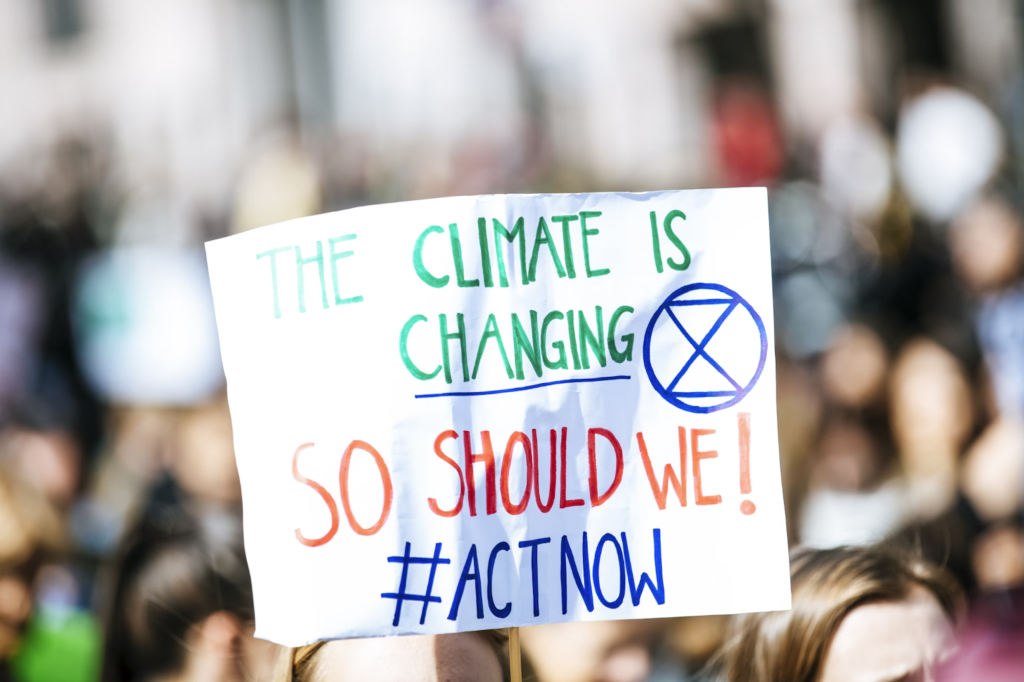
It’s important to remember that every action counts in combatting climate change. We need to come together to address the gravity of this crisis. Whether it’s reducing plastic waste, conserving water, or advocating for policy change, each contribution plays a crucial role in addressing the pressing environmental issues of our time.
By promoting awareness, supporting sustainable initiatives, and advocating for policy reform, we can create a more resilient and sustainable world for all. Together, we have the power to make a difference and shape a future where our planet thrives.
Conclusion
30 years ago, prominent astronomer Carl Sagan suggested that engineers controlling the Voyager 1 spacecraft take an image of the spacecraft’s last glance at our planet before escaping our solar system. From four billion miles away, Earth appears as a pale blue dot, a tiny point of light in the middle of scattered light rays.
In his book Pale Blue Dot, Sagan reflected on the meaning of that photo. Below is part of an excerpt from that book.
“There is perhaps no better demonstration of the folly of human conceits than this distant image of our tiny world. To me, it underscores our responsibility to deal more kindly with one another, and to preserve and cherish the pale blue dot, the only home we’ve ever known.”
As we conclude this post, we hope you can find some inspiration to positively impact the world around you. Every day, take a moment to express gratitude for the bounty provided by our planet, and think about what you can do to preserve and cherish the pale blue dot.
We also call on everyone to commit to investing in our planet, embracing sustainable practices, and working together to create a better world for all. By harnessing the power of collective action, we can pioneer a sustainable future for generations to come.
Frequently Asked Questions
Earth Day is an annual event celebrated on April 22 to demonstrate support for environmental protection. It serves as a reminder of the importance of taking action to preserve our planet for future generations.
The first Earth Day was celebrated on April 22, 1970, marking the beginning of the modern environmental movement.
Earth Day goes beyond just one day of celebration by promoting collective action and climate action throughout the year. It aims to inspire individuals and communities to make a difference for the planet every day.
It’s crucial to protect the environment for the health of our planet because a healthy environment is essential for sustaining life on Earth. By safeguarding our planet, we ensure a better future for all living beings.
Green innovations such as renewable energy technologies, sustainable agriculture practices, water conservation solutions, and eco-friendly products play a key role in supporting climate action and protecting the environment.
















No Comments