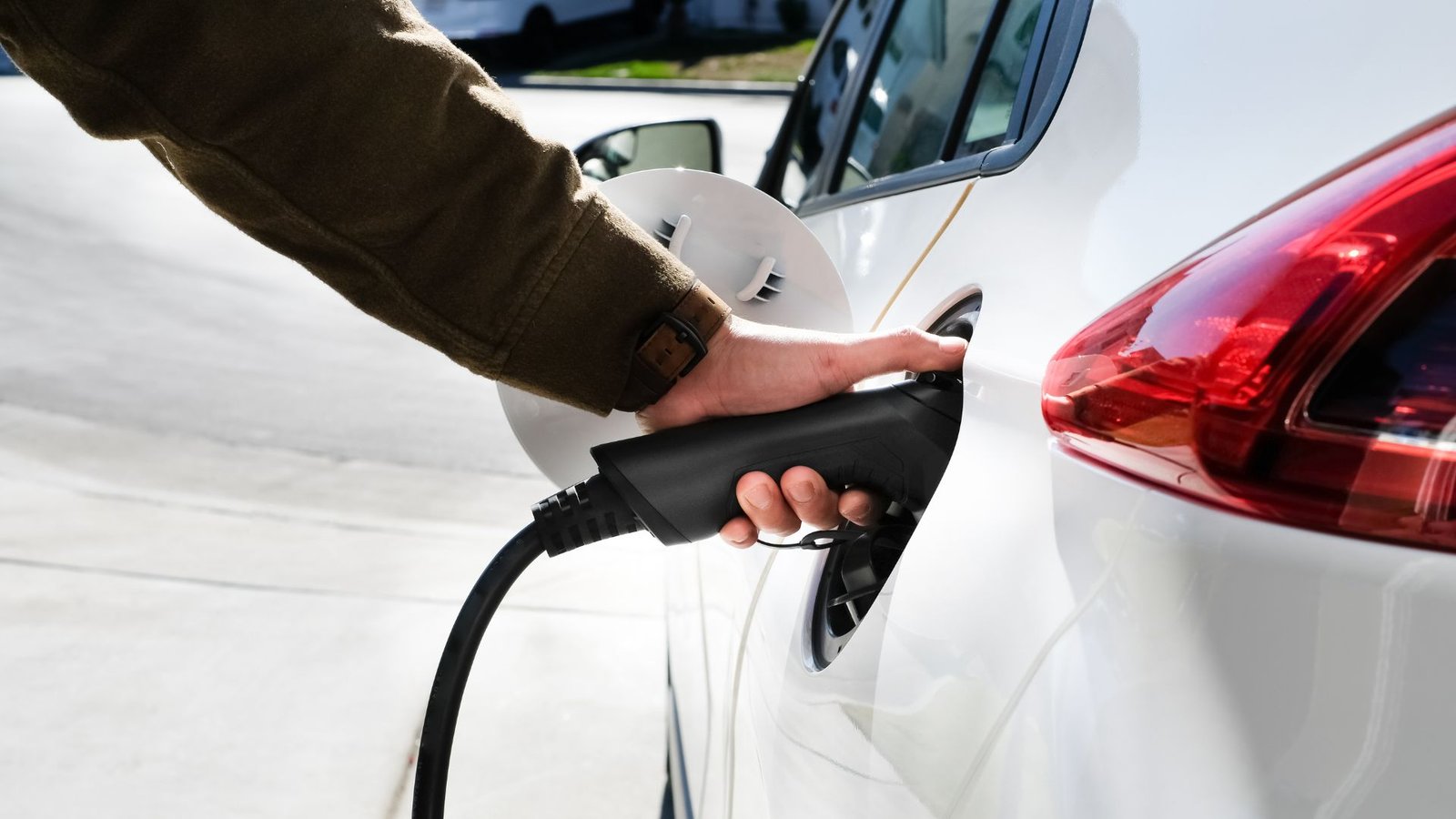

In the rapidly evolving landscape of electric vehicles (EVs), businesses are increasingly recognizing the importance of adapting to new customer needs and sustainability goals. As you embark on the journey of installing EV charging stations, it’s crucial to align this initiative with your business objectives. Whether you’re aiming to enhance employee perks, attract more visitors, or boost your brand’s eco-friendly image, understanding your specific requirements is the first step. By tailoring your approach to meet these needs, you can create a seamless integration that not only benefits your customers but also supports your long-term business strategy. Let’s dive into how you can effectively assess and implement EV charging solutions that resonate with both your clientele and your company’s vision.
Understanding Your Business Needs
According to experts at Sun Valley Solar Solutions, when considering the installation of EV charging stations for your business, it’s essential to first understand your specific needs. Start by identifying the type of customers you serve. Are they primarily employees, visitors, or perhaps a mix of both? This distinction will guide you in determining whether to offer free or paid charging. For instance, providing complimentary charging might be an attractive perk for employees, while a pay-per-use model could be more suitable for visitors or customers. Additionally, consider the average time these individuals spend at your location. If your business is a retail store where customers typically shop for an hour or two, Level 2 chargers might suffice. However, if you’re operating a facility where vehicles are parked for extended periods, such as an office building, investing in DC fast chargers could enhance the user experience.
Tailoring the charging experience to fit your business model involves evaluating several factors. Begin by assessing whether you want to integrate EV charging as a value-added service or as a revenue-generating opportunity. Offering paid charging can create an additional income stream and help offset installation costs. On the other hand, free charging can increase foot traffic and customer loyalty. It’s also important to consider how these stations align with your sustainability goals and brand image. By understanding these elements, you can make informed decisions that not only meet the needs of your customers but also support your business objectives effectively.
Evaluating Different Types of Charging Stations
When considering the installation of EV charging stations for your business, it’s essential to understand the differences between Level 2 chargers and DC fast chargers. Level 2 chargers are typically more suited for locations where vehicles will be parked for extended periods, such as retail centers or corporate offices. They operate on a 240V outlet and can charge a vehicle in approximately 6 to 14 hours. This makes them ideal for businesses where customers or employees spend a significant amount of time, allowing them to leave with a fully charged vehicle.
On the other hand, DC fast chargers are designed for quick charging needs and are perfect for high-traffic areas like highways or fleet operations. These chargers require a more substantial power supply, often operating at 480V, and can charge a vehicle in under an hour. While they come with higher installation costs due to their power requirements, they offer the advantage of rapid turnaround times, which can be crucial for businesses looking to attract drivers who need a quick charge. When deciding between these options, consider factors such as your typical customer dwell time and the available power infrastructure at your location.
Choosing a Reliable EV Charging Vendor
When selecting an EV charging vendor, it’s crucial to prioritize those with a strong reputation and extensive experience in the industry. A vendor’s track record can often be gauged by researching who else trusts them for their EV charging solutions. Consider asking industry colleagues for recommendations or exploring public maps like Google Maps or PlugShare to identify popular vendors in your area. Additionally, check if your state government has recognized any vendors as preferred suppliers for EV charging equipment. A vendor with a proven history not only ensures reliable service but also provides peace of mind that they can handle the complexities of installation and maintenance.
To make an informed decision, delve into the service offerings of potential vendors. Look for those who provide comprehensive solutions, including site assessments, permit management, and coordination with local utilities. It’s beneficial to choose a vendor who can support future expansion, allowing your business to scale its EV charging infrastructure as demand grows. When evaluating vendors, consider these factors:
- References: Contact past clients to understand their experiences and satisfaction levels.
- Service Offerings: Ensure they offer all necessary services from installation to ongoing maintenance.
- Expansion Support: Opt for vendors who can accommodate future growth without significant disruptions.
By thoroughly vetting potential vendors, you ensure that your business partners with a provider capable of delivering both immediate and long-term benefits.
Considering Network Capabilities
When considering the implementation of an EV charging station network for your business, it’s essential to understand the advantages of a comprehensive system. A well-integrated charging network not only simplifies the management of pricing and access but also enhances the overall user experience. With such a network, you can easily adjust pricing strategies to accommodate different user groups or peak usage times, ensuring that your charging stations remain attractive to both regular customers and new visitors. Additionally, having control over access allows you to decide whether your stations are available to the public or reserved for specific users, such as employees or fleet vehicles.
Moreover, incorporating features like load management and demand response capabilities into your EV charging network can significantly reduce energy costs. Load management helps balance the power distribution across multiple chargers, preventing overloads and minimizing energy waste. Demand response programs enable businesses to participate in utility incentives by reducing electricity usage during peak demand periods. By leveraging these features, businesses can not only optimize their energy consumption but also potentially earn rebates from utility companies. Here are some benefits of these capabilities:
- Cost Savings: Reduce operational costs through efficient energy use.
- Scalability: Easily expand your network as demand grows without significant infrastructure changes.
- User Satisfaction: Provide reliable and accessible charging options that meet customer needs.
By investing in a robust EV charging network with advanced features, businesses can enhance their sustainability efforts while simultaneously improving their bottom line.
Location Selection for Optimal Impact
Choosing the right location for your EV charging stations can significantly influence their success and your business’s overall impact. When selecting a site, it’s essential to consider the local presence of electric vehicles (EVs). Areas with a higher concentration of EVs naturally present more opportunities for usage and visibility. Additionally, understanding the grid capacity in your chosen location is crucial. A site with sufficient power availability will facilitate smoother installations and operations. If an area has limited grid capacity, you might face delays or additional costs for upgrades.
Another factor to weigh is external traffic opportunities. Locations near highways, busy intersections, or popular retail centers can attract more users, increasing your station’s usage rates. Consider how visible your charging stations will be to passing traffic; high visibility can lead to increased awareness and usage. To make an informed decision, evaluate these factors:
- Local EV Presence: Assess the number of EVs in the area to ensure demand.
- Grid Capacity: Check if the local electrical infrastructure can support additional load.
- External Traffic Opportunities: Identify potential sources of traffic that could increase footfall.
By strategically selecting locations based on these criteria, you can enhance the effectiveness of your EV charging stations and maximize return on investment.
Exploring Funding and Incentives
Exploring funding and incentives for installing EV charging stations can significantly impact your business’s bottom line. There are numerous grants, rebates, and incentives available at both federal and state levels that can help offset the initial installation costs and enhance your return on investment (ROI). For instance, the federal government offers substantial incentives through programs like the Bipartisan Infrastructure Law, which allocates billions for electric vehicle infrastructure. Additionally, many states have their own initiatives, providing a mix of grants and rebates tailored to encourage businesses to adopt sustainable practices. It’s essential to research these opportunities thoroughly to maximize your financial benefits.
To make the most of these incentives, consider the following steps:
- Research Federal Programs: Look into federal grants such as those provided by the Department of Energy or specific initiatives like the National Electric Vehicle Infrastructure (NEVI) program.
- Explore State-Level Opportunities: Each state may offer unique incentives. For example, some states provide grants specifically for Level 2 and DC fast charging stations.
- Check Local Utility Offers: Some utility companies offer rebates or reduced rates for businesses installing EV chargers.
By leveraging these funding options, you not only reduce upfront costs but also position your business as a leader in sustainability. This proactive approach can attract eco-conscious customers and set your business apart in an increasingly competitive market.
Maintenance and Operational Considerations
When it comes to maintaining your EV charging stations, ensuring they remain operational and efficient is essential for a seamless user experience. Regular hardware upkeep is crucial; this includes inspecting charger boxes, batteries, switches, converters, cables, and connectors for any signs of wear or damage. It’s important to clean connectors and cables regularly to prevent dust and debris from affecting performance. After adverse weather conditions, additional checks can help identify potential issues early on.
Another aspect to consider is the power management system. Utilizing a robust charging station management system (CSMS) allows you to allocate power efficiently across your chargers. This system should include safeguards for connectivity loss, ensuring that maximum charge settings are maintained even during outages. Additionally, maintaining an effective payment processing infrastructure is vital. Ensure that RFID readers and credit card scanners are functioning correctly to facilitate smooth transactions. Lastly, addressing any connectivity issues promptly can prevent disruptions in service. A reliable CSMS provider with strong customer support can be invaluable in troubleshooting and resolving these issues quickly.
Summary
When you’re thinking about adding EV charging stations to your business, it’s important to first get a clear picture of what you need. Consider who your main customers are—whether they’re employees, visitors, or both—and how long they typically stay at your location. This will help you decide if offering free charging is a good perk for employees or if a pay-per-use model makes more sense for visitors. The type of charger you choose also depends on this; Level 2 chargers might be enough for short visits, while DC fast chargers could be better for places where cars are parked longer.
Choosing the right EV charging vendor is another crucial step. Look for vendors with a solid reputation and experience in the industry. It’s wise to ask around for recommendations or check online resources to see which vendors are popular in your area. Make sure they offer comprehensive services like site assessments and permit management, and that they can support future expansion as your needs grow. By carefully selecting a vendor, you’ll ensure that your business benefits from reliable service and the ability to scale up as demand increases.